
The Havanese may be small, but this little Cuban charmer has a way of entering a room like it owns the lease, the sofa, and possibly your sandwich. Known for its silky coat, cheerful personality, and springy little walk, the Havanese is one of those toy dog breeds that looks delicate at first glance but is actually sturdy, lively, and surprisingly athletic.
If you have ever seen a fluffy small dog bouncing across a sidewalk with a tail curled over its back and an expression that says, “Everyone here is my best friend,” you may have met a Havanese. Still, identifying one is not always as simple as spotting a cute cloud with paws. Havanese dogs can come in many colors, their coats may be clipped short or left long, and they can be mistaken for Maltese, Shih Tzu, Bichon Frise, Coton de Tulear, or mixed-breed companion dogs.
This guide breaks the process into three practical ways to identify a Havanese: examine the body structure, study the coat and movement, and observe the breed’s personality. Visual clues can be very helpful, but remember that appearance alone cannot prove a dog is purebred. Registration papers, a reputable breeder, rescue records, or a canine DNA test are better tools for confirmation. Think of this article as your field guide, not a courtroom verdict.
1. Look at the Havanese Body: Small, Sturdy, and Slightly Longer Than Tall
The first way to identify a Havanese is to study the dog’s overall shape. The Havanese belongs to the toy group, but it should not look fragile, spindly, or overly dainty. A proper Havanese is small and sturdy, with a body that is slightly longer than it is tall. In plain English: this dog is more “compact loaf of bread” than “tiny deer on stilts.”
Check the Size and Weight
Most adult Havanese dogs stand about 8.5 to 11.5 inches tall at the shoulder and commonly weigh around 7 to 13 pounds. Some individuals may fall a little outside that range, especially if they are young, overweight, underweight, or mixed with another breed. Still, the classic Havanese is a small companion dog that can fit comfortably in apartment life without being so tiny that every breeze becomes a weather event.
A dog that is much taller, very long-legged, or closer to the size of a miniature poodle may not be a typical Havanese. On the other hand, a dog that is extremely tiny, delicate, and barely built may also be less typical. The Havanese standard favors balance: small, yes, but solid enough to play, trot, jump, and follow its favorite person from room to room like a cheerful shadow.
Notice the Body Proportions
A Havanese should appear slightly longer from chest to rump than from ground to shoulder. This rectangular outline is one of the breed’s signature physical clues. The back is generally level or may rise slightly toward the rear, giving the dog a lively, alert carriage.
The chest should look reasonably developed for a small breed, not narrow like a pencil case. The legs are not overly long, and the dog should seem grounded rather than leggy. When viewed from the side, the Havanese has a balanced silhouette: small head, moderate muzzle, soft expression, sturdy body, and tail carried over the back.
Look for the Tail Carried Over the Back
The Havanese tail is another excellent clue. It is typically plumed and carried arched forward over the back. This does not mean the tail must be glued tightly to the spine like a decorative handle, but it usually curves upward and forward in a soft plume. When the dog is happy or alert, the tail often looks like it is participating in the conversation.
Compare that with some similar breeds. A Maltese may have a flowing white coat and small size, but the Havanese often looks a little sturdier and more rectangular. A Shih Tzu may also have a curled tail, but tends to have a shorter muzzle and a different head shape. A Bichon Frise often has a rounder, powder-puff presentation, while the Havanese has a softer, more flowing outline when shown naturally.
2. Study the Coat, Face, and Springy Movement
The second way to identify a Havanese is to look closely at the coat and how the dog moves. This is where things get fun, because the Havanese coat can be glamorous, casual, tousled, clipped, corded, wavy, silky, or somewhere between “show ring elegance” and “I just woke up from a nap inside a laundry basket.”
The Coat Is Long, Soft, and Usually Wavy
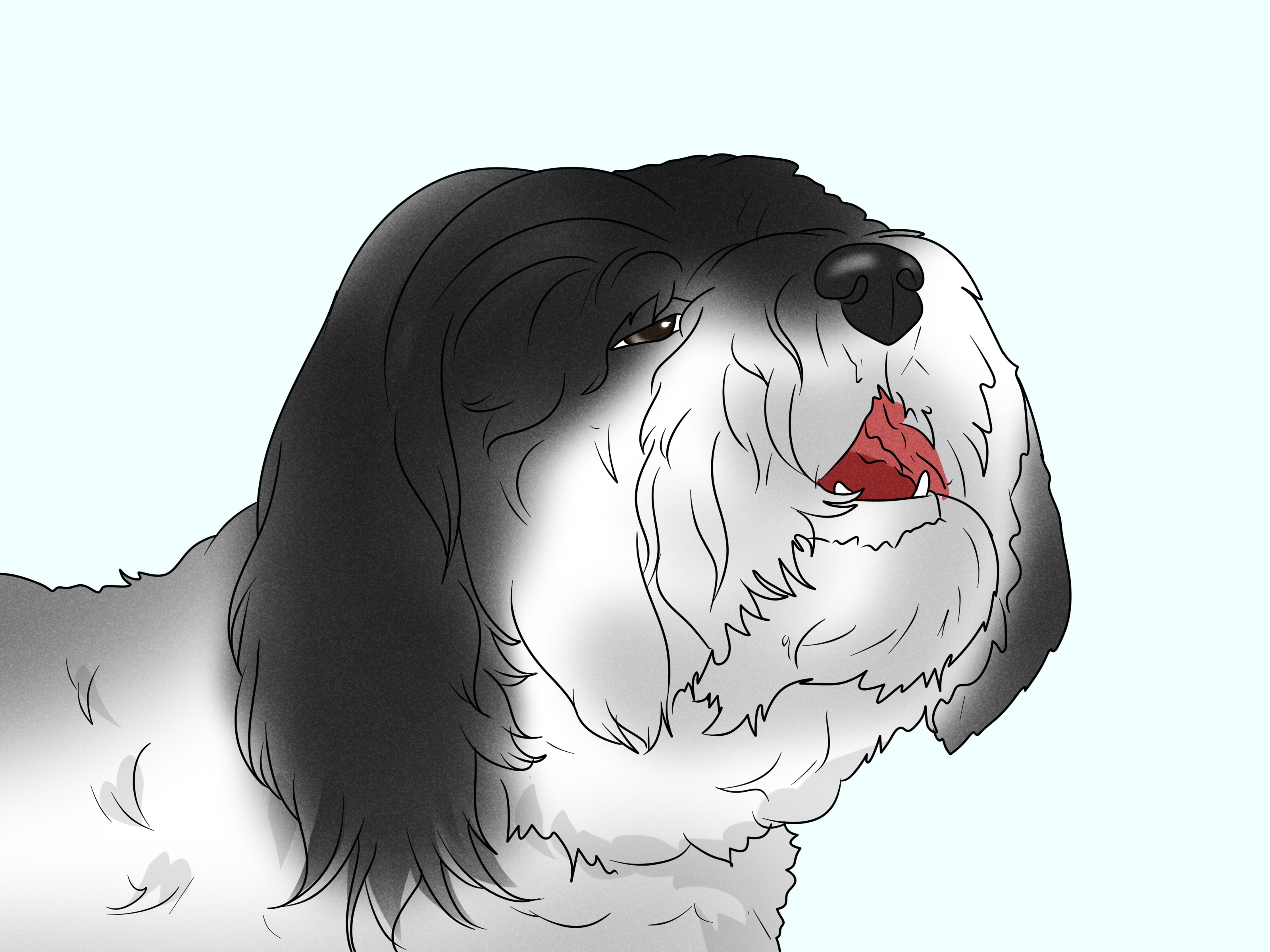
The Havanese has a double coat, but unlike many northern or working breeds, the coat should feel soft and light rather than harsh or heavy. In a natural state, the coat is long, silky, and often wavy. It may fall in gentle waves or slightly curled sections. A full-coated Havanese can look as if it is wearing a flowing little robe, which is both adorable and a full-time reminder that brushes exist for a reason.
One important point: not every Havanese you meet will have a long show-style coat. Many pet owners choose a shorter “puppy cut” because it is easier to maintain. A clipped Havanese may look very different from a long-coated Havanese, so do not rely only on coat length. Instead, look at texture, body shape, tail carriage, expression, and movement together.
Havanese Dogs Come in Many Colors
Color alone is not enough to identify a Havanese. This breed can appear in a wide range of colors and combinations, including white, cream, gold, fawn, red, chocolate, sable, silver, black, and parti-color patterns. Some Havanese puppies even change shade as they mature, which can surprise new owners. The puppy you thought was one color may grow into a dog with a slightly different wardrobe.
Because Havanese dogs are not limited to one classic color, avoid assuming that only white dogs are Havanese. That mistake usually belongs to people who have met more Maltese than Havanese. A Havanese can be white, but it can also be black, brown, tan, mixed-color, or delightfully difficult to describe without using paint-store vocabulary.
Look at the Face and Expression
The Havanese face usually has a sweet, intelligent, mischievous expression. The eyes are large, dark, and expressive, giving the dog a warm look that often seems to say, “I understood every word, especially the word treat.” The ears are dropped and covered with hair, blending into the coat rather than standing upright.
The muzzle is moderate, not extremely short and flat. This helps distinguish the Havanese from flatter-faced toy breeds such as the Shih Tzu or Pekingese. The head should appear balanced with the body, and the expression should be soft, bright, and friendly rather than severe.
Watch the Famous Havanese Gait
Movement is one of the best clues. Havanese dogs are known for a lively, springy gait. They do not simply walk; they often bounce lightly, as if each step comes with a tiny soundtrack. This springy movement comes from the breed’s structure and personality. A confident Havanese crossing a room can look like a small parade float powered by joy.
When observing movement, look for a free, cheerful trot rather than a stiff, awkward shuffle. The dog should seem agile and playful. Of course, age, health, flooring, grooming, and mood can affect how any dog moves. A sleepy Havanese on a hot afternoon may not perform the full “Cuban companion dog runway walk.” Still, when relaxed and healthy, the breed often has a distinctive bounce.
3. Observe the Personality: Friendly, Playful, Alert, and People-Focused
The third way to identify a Havanese is to observe behavior. While personality should never be used as the only proof of breed, the Havanese temperament is a major part of its identity. This is a companion breed through and through. Havanese dogs were developed to live close to people, and many of them take that assignment very seriously.
A Havanese Usually Loves People
Most Havanese dogs are affectionate, social, and eager to be included in family life. They often enjoy meeting people, playing with children who treat them gently, and hanging around other friendly pets. The Havanese is not usually a distant, aloof dog. If anything, many of them are tiny social directors, making sure everyone in the room has been greeted, inspected, and emotionally supervised.
This people-focused nature is one reason the breed is popular with families, singles, seniors, and apartment dwellers. A Havanese does not need a giant yard to be happy, but it does need attention, interaction, training, and daily activity. Leave one alone too long without mental stimulation and you may return to a dog who has written a dramatic opera titled “Abandoned for Three Hours.”
Expect Playfulness and Intelligence
Havanese dogs are often smart, trainable, and playful. They tend to respond well to positive reinforcement, short training sessions, praise, toys, and treats. Many enjoy learning tricks, participating in obedience, trying agility, or simply inventing their own household games. A Havanese may not be large enough to intimidate anyone, but it can absolutely train the humans to open doors, distribute snacks, and move over on the couch.
Because the breed is alert, some Havanese dogs bark when visitors arrive or when something interesting happens outside. This can make them decent little watchdogs, though not guard dogs. Their security strategy is less “stop the intruder” and more “sound the tiny alarm and then possibly make friends.”
Notice Adaptability
A true Havanese is usually adaptable. The breed can do well in apartments, suburban homes, or busy households as long as its needs are met. Daily walks, indoor play, gentle training, and companionship go a long way. They are not typically high-intensity athletes, but they are not decorative pillows either. A bored Havanese may become barky, clingy, or creatively naughty.
If you are trying to identify a Havanese, watch how the dog interacts with its environment. Does it seem curious? Does it seek human attention? Does it move with cheerful confidence? Does it have a playful spark? These traits, combined with the physical and coat clues above, can strongly suggest Havanese heritage.
Havanese vs. Similar Small Breeds
Because several small companion breeds share similar features, it helps to compare the Havanese with common lookalikes. A Maltese is usually white and has a straighter, silky coat, while the Havanese appears in many colors and often has a wavier coat. A Bichon Frise tends to have a curlier, puffier coat and rounder outline. A Coton de Tulear may look similar, but the coat texture and body carriage can differ. A Shih Tzu often has a shorter muzzle, heavier head, and more compact body.
Mixed-breed dogs can look very Havanese-like too. A Havanese mix may show the size, coat, and personality of the breed while also carrying traits from another parent. That is why identification should be flexible. The goal is not to win a dog-breed argument at the park. The goal is to understand the dog in front of you and care for it properly.
Quick Checklist: Does This Dog Look Like a Havanese?
- Small toy-sized body, usually around 8.5 to 11.5 inches tall.
- Sturdy build, not fragile or overly leggy.
- Body slightly longer than tall.
- Long, soft, silky, often wavy coat or a clipped coat with soft texture.
- Many possible coat colors and patterns.
- Plumed tail carried over the back.
- Drop ears covered with hair.
- Friendly, playful, intelligent expression.
- Lively, springy movement.
- People-loving, alert, companion-focused personality.
When Appearance Is Not Enough
Even if a dog checks every box, visual identification has limits. Grooming can dramatically change how a Havanese looks. A long coat may hide body shape, while a short clip may make the dog look like several other small breeds. Puppy coats can also differ from adult coats, and mixed breeds can inherit strong Havanese-like traits.
If you need certainty, use reliable documentation. A responsible breeder should provide registration details, health information, and pedigree records. A rescue may have owner-surrender notes or veterinary estimates. A DNA test can offer breed ancestry clues, though even DNA results should be interpreted with common sense. For everyday purposes, careful observation is often enough to say, “This dog appears to be Havanese or Havanese-like.”
Experience Notes: What It Feels Like to Identify a Havanese in Real Life
Identifying a Havanese in real life is a little different from reading a breed standard. On paper, you look for measurements, coat texture, body proportions, and temperament. In person, you are usually dealing with motion, fluff, excitement, and a dog that may be trying to lick your hand while you perform your “serious breed analysis.” It is difficult to inspect a tail carriage when the tail is wagging like a tiny windshield wiper.
The first thing many people notice is the expression. A Havanese often looks bright and engaged, as if it is not merely seeing you but actively considering whether you might be useful, friendly, snack-bearing, or all three. That alert, sweet face is a strong first impression. The eyes tend to be warm and curious, and the dog often watches people closely. This is not usually a breed that wants to stand in the corner and contemplate the wallpaper. A Havanese wants to be part of the action, even if the action is just someone folding towels.
Another real-life clue is the way the dog moves through a home. Many Havanese dogs follow their people from room to room with cheerful commitment. Kitchen? They are there. Living room? Also there. Bathroom? Tragically, also there if allowed. This shadow-like companionship can help distinguish the breed from small dogs that are more independent or reserved. The Havanese often has a “family assistant” attitude, though its actual assistance may involve standing directly where your feet need to go.
Grooming style can make identification tricky. A full-coated Havanese looks elegant and flowing, but many pet Havanese dogs wear practical short clips. In a puppy cut, the dog may resemble a teddy bear, a Maltese mix, a Shih Tzu mix, or a mysterious adorable mop. That is why it helps to look beyond haircut. Check whether the body is sturdy and slightly longer than tall. Notice the tail over the back. Watch for the springy step. Look at the ears, muzzle, and expression. One clue is interesting; several clues together are persuasive.
Behavior around strangers can also be revealing. A well-socialized Havanese is often friendly without being wild, playful without being rough, and alert without being harsh. Of course, individual dogs vary. A shy rescue dog may not show the classic outgoing personality at first. A young puppy may act like a popcorn kernel with legs. An older Havanese may be calmer and more selective. Still, the breed’s general pattern is affectionate, intelligent, responsive, and people-oriented.
One practical experience tip: observe the dog when it is relaxed, not just when it is excited. At first greeting, many small companion dogs bounce, bark, or wiggle, which can blur breed differences. After a few minutes, the Havanese often settles into a charming rhythm: checking in with people, exploring nearby, returning for attention, and watching the room with bright curiosity. That balance of playfulness and companionship is one of the breed’s most recognizable qualities.
Finally, remember that identification should support care, not judgment. Whether a dog is a purebred Havanese, a Havanese mix, or simply a Havanese impersonator with excellent hair, the important question is what the dog needs. A small, soft-coated, social companion dog usually needs gentle handling, regular grooming, positive training, dental care, safe exercise, and plenty of human interaction. The label is helpful, but the dog matters more than the label.
Conclusion
The easiest way to identify a Havanese is to combine three types of clues: body structure, coat and movement, and personality. Look for a small but sturdy toy dog that is slightly longer than tall, with a soft coat, plumed tail over the back, dropped ears, expressive eyes, and a lively spring in its step. Then watch for the classic Havanese temperament: friendly, playful, alert, intelligent, and deeply attached to people.
No single clue proves the breed. A haircut can hide the coat, puppy growth can change proportions, and mixed-breed dogs can borrow the Havanese look with impressive confidence. But when the physical traits and personality line up, you are probably looking at a Havanese or a close Havanese relative. Either way, you have likely found a cheerful little companion with a big personality, a soft coat, and a talent for making humans say, “Fine, you can sit on my lap for just five minutes.” Famous last words.
Note: This article synthesizes established breed-standard and veterinary-style guidance from reputable American dog breed, kennel, and pet health resources; source links are intentionally omitted for clean publication formatting.