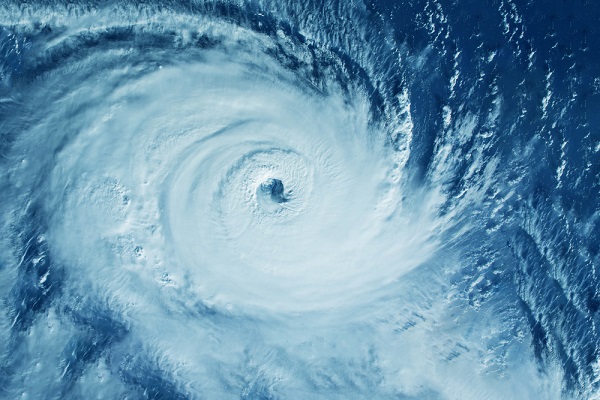

Hurricane Andrew was not just a storm. It was a chainsaw with a name, a Category 5 reminder that Florida’s sunshine sometimes arrives with a 170-mph invoice. When Andrew made landfall in South Florida in August 1992, it flattened neighborhoods, shook the insurance industry awake, changed building codes, and gave emergency managers a case study they are still politely waving in front of anyone who says, “I’m sure it won’t be that bad.”
But here is the uncomfortable question: what if Hurricane Andrew happened today?
The answer is not as simple as “more expensive.” Yes, the price tag would be enormous. South Florida now has more people, more homes, more high-value real estate, more infrastructure, and more economic activity packed into vulnerable coastal areas. But the region also has stronger building codes, better forecasting, more advanced catastrophe modeling, improved emergency communication, and a far more sophisticated insurance market. In other words, today’s Andrew would hit a stronger Floridabut also a much bigger target.
Hurricane Andrew: The Original Wake-Up Call
Hurricane Andrew struck near Homestead, Florida, as one of the most powerful hurricanes ever to hit the continental United States. The storm’s compact size fooled some people into underestimating it, but its winds were brutally efficient. Andrew destroyed or severely damaged tens of thousands of homes, left many residents temporarily homeless, and produced losses that shocked insurers, builders, policymakers, and homeowners alike.
Before Andrew, many insurers relied on rough assumptions about catastrophe exposure. After Andrew, the industry learned that “rough assumptions” and “Category 5 hurricane” belong together about as well as lawn chairs and storm surge. The storm exposed weaknesses in underwriting, reinsurance planning, claims handling, local building-code enforcement, and disaster response.
Why a Modern Andrew Would Be So Costly
If Hurricane Andrew followed a similar path today, the storm would pass through a region that has grown dramatically in population, property value, and economic importance. Florida’s population has surged since the early 1990s, and South Florida remains one of the most densely developed hurricane-exposed regions in the country.
IA Magazine’s discussion of a CoreLogic scenario noted that millions of single-family and multifamily residences in Miami-Dade County could fall within an Andrew-like wind field, with replacement cost values reaching hundreds of billions of dollars. Nearly 120,000 residential structures could face wind speeds above 130 mphstrong enough to cause serious structural damage, especially to older or poorly maintained buildings.
More People, More Property, More Exposure
In 1992, South Miami-Dade still had agricultural areas, lower-density neighborhoods, and fewer high-value residential developments. Today, the region includes expanded suburbs, dense commercial corridors, upgraded transportation networks, data-dependent businesses, logistics systems, hospitals, schools, hotels, and luxury real estate. A modern Andrew would not just damage houses. It would interrupt supply chains, medical care, tourism, mortgage payments, small businesses, and public services.
Think of it this way: Andrew in 1992 smashed a very expensive glass. Andrew today could smash the glass, the display case, the store, the mall, and the online payment system that was supposed to process the insurance deductible.
Would Today’s Buildings Perform Better?
Yes, many would. That is one of the more hopeful parts of this story.
Hurricane Andrew helped push Florida toward a stronger, statewide building-code system. The Florida Building Code, implemented in the early 2000s, created more uniform construction standards and improved expectations for wind resistance, product approval, inspections, roof connections, windows, doors, and structural design. Modern homes built to current standardsespecially in high-velocity hurricane zonesare generally far better prepared for extreme wind than many homes built before Andrew.
The Building Code Advantage
Newer construction may include impact-resistant windows, stronger roof-to-wall connections, better garage doors, improved roof coverings, and stricter design requirements. These details sound boring until a hurricane arrives, at which point “proper roof attachment” becomes the most exciting phrase in the English language.
However, there is a catch: Florida has millions of older structures. Building codes are excellent at improving new construction, but they do not automatically upgrade every older home, condo, warehouse, or strip mall. A modern Andrew would likely reveal a sharp divide between newer code-compliant buildings and older properties that have not been retrofitted.
The Insurance Impact: A Financial Storm After the Wind
Hurricane Andrew transformed property insurance. It pushed insurers into insolvency, accelerated the rise of catastrophe modeling, changed reinsurance strategies, and made carriers more cautious about concentrated coastal risk. If Andrew happened today, the insurance system would be better prepared in some waysbut still under serious pressure.
Florida’s property insurance market has already faced years of stress from hurricanes, rising reconstruction costs, litigation, reinsurance pricing, and affordability concerns. A repeat Andrew would test insurers, reinsurers, Citizens Property Insurance, adjusters, contractors, mortgage servicers, and policyholders all at once.
Wind, Flood, and the Coverage Gap
One of the biggest consumer issues would be the difference between wind damage and flood damage. Standard homeowners insurance usually covers wind-related hurricane damage, subject to deductibles and policy limits. But flood damage, including storm surge, usually requires a separate flood insurance policy through the National Flood Insurance Program or a private flood insurer.
That distinction matters. After a major hurricane, homeowners often discover that water damage is not just “water damage” in the eyes of an insurance policy. Wind-driven rain, roof failure, storm surge, and rising floodwater may be treated differently. For families already standing in a soggy living room, that can feel less like insurance language and more like a pop quiz written by a committee of lawyers.
Forecasting Would Be BetterBut Not Magic
One major difference between 1992 and today is forecasting. NOAA and the National Hurricane Center have made major advances in track forecasts, intensity forecasts, satellite observation, aircraft reconnaissance, computer modeling, storm surge mapping, and public warning systems. Residents today would likely have better information earlier.
Better forecasting saves lives. It gives emergency managers time to issue evacuation orders, hospitals time to prepare, utilities time to stage repair crews, and families time to board windows, refill prescriptions, charge phones, and locate the one flashlight that always disappears when thunder begins.
But forecasting is not a force field. A precise forecast does not stop a roof from failing, a tree from falling, or a canal from overflowing. The human challenge remains: people must trust the warning, understand the risk, and act early.
How Climate Change Changes the Conversation
A modern Andrew would also occur in a warmer climate. Scientists do not say climate change creates every hurricane, but warmer oceans and a warmer atmosphere can influence hurricane rainfall, rapid intensification potential, and storm surge risk through sea level rise. That means today’s hurricane risk is not simply a replay of 1992 with newer smartphones.
For South Florida, sea level rise is especially important. Even a wind-dominant storm like Andrew could produce more damaging coastal flooding if water levels are higher than they were decades ago. Heavier rainfall can also overwhelm drainage systems, especially in urban areas where pavement has replaced absorbent land.
What Would Happen to Miami-Dade?
If Andrew repeated its original track, South Miami-Dade would again be at the center of the crisis. Homestead, Florida City, Cutler Bay, Palmetto Bay, Kendall, and surrounding communities could face destructive wind. If the track shifted even slightly north, the consequences could expand dramatically into denser parts of Miami, Coral Gables, Miami Beach, Doral, and Fort Lauderdale.
A small track change is the difference between a catastrophic event and a historic national economic shock. That is why emergency planners do not obsess over “the line” on a forecast map. Hurricanes are not pencils. Their impacts spread far beyond the center.
Power, Roads, and Daily Life
Extended power outages would be likely. Cell service could become unreliable. Gas stations might run out of fuel. Grocery supply chains could stall. Debris could block roads. Schools could close for weeks. Hospitals and senior-care facilities would face intense pressure. People working hourly jobs could lose income immediately, while small businesses might struggle to reopen even if their buildings survived.
Mortgage delinquencies could rise if homeowners face repair costs, insurance disputes, temporary relocation, or job interruptions. Tourism would likely take a hit, especially if hotels, airports, beaches, restaurants, and cruise-related operations were affected. In a region where the economy is deeply connected to real estate, travel, construction, and services, a major hurricane would not end when the sky turned blue.
Lessons for Homeowners and Insurance Agents
A modern Andrew would reinforce one very practical truth: hurricane preparation is not a weekend hobby. It is a financial, structural, and family-safety strategy.
Review Coverage Before the Forecast Cone Appears
Homeowners should review their insurance policies before hurricane season. That means checking dwelling limits, hurricane deductibles, roof coverage, flood insurance, additional living expense coverage, contents coverage, and exclusions. Insurance agents can play a vital role by helping clients understand what is covered, what is not, and what would happen if a major claim occurred.
Strengthen the Home, Not Just the Supply Closet
Bottled water and batteries matter, but so do roof inspections, window protection, garage-door reinforcement, tree trimming, drainage maintenance, and flood-risk awareness. The best hurricane plan combines personal readiness with property mitigation. A pantry full of soup is useful; a roof that stays attached is better.
So, Would Today’s Florida Survive Andrew?
Yesbut survival is not the same as comfort. Today’s Florida is smarter, stronger, better warned, and more technically prepared than it was in 1992. Yet it is also more crowded, more expensive, more interconnected, and more exposed. A repeat of Hurricane Andrew would likely be one of the most disruptive disasters in modern U.S. history.
The most important lesson is not fear. It is respect. Andrew taught Florida that risk is real, building codes matter, insurance details matter, and preparation cannot wait until the palm trees are already doing yoga in the wind.
Experience-Based Reflections: What a Modern Andrew Would Feel Like
Imagine the week before landfall. At first, the storm is just another swirl on the weather map, something people mention between coffee orders and school pickups. Then the forecast tightens. Phones buzz. Group chats explode. Hardware stores become competitive sports arenas. Someone buys the last plywood sheet with the intensity of a person claiming buried treasure.
Families start making decisions that are simple in theory and complicated in real life. Should we evacuate? Where will Grandma go? What about the dog? Is the car full of gas? Are the insurance papers backed up online? Did anyone test the generator? Why are there seventeen charging cables in the house and none that fit the power bank?
For insurance agents, the days before a modern Andrew would be a marathon of client calls. People would ask whether they have flood coverage, whether their hurricane deductible is 2% or 5%, whether a screen enclosure is covered, whether a roof claim would be paid at replacement cost, and whether they can buy coverage now. The honest answer to that last question might be painful: once a storm is approaching, binding restrictions often apply. That is why the best insurance conversation happens on a calm Tuesday, not while a Category 5 storm is knocking on the Atlantic door.
During the storm, the experience would be loud, physical, and deeply personal. Hurricane wind does not sound like ordinary wind. It roars, pulses, and presses against a house as if the atmosphere has developed a grudge. People sheltering in interior rooms would hear debris hitting walls, transformers popping, and rain finding tiny weaknesses in places no one knew existed. The internet might fail. Power might vanish. The modern smart home would suddenly become a very expensive dark box.
Afterward, the first emotion might be relief. Then comes the inventory: roof, windows, car, fence, neighbors, phone signal, water pressure, refrigerator, medicine, pets, documents. Streets may be unrecognizable. A familiar neighborhood can look like someone shook it in a giant snow globe, except instead of snow there are shingles, branches, patio chairs, and one mysterious trampoline that clearly traveled from another ZIP code.
The recovery would test patience as much as resilience. Contractors would be overwhelmed. Adjusters would be stretched. Temporary housing would become scarce. Some families would rebuild quickly; others would face months of paperwork, repairs, disputes, and financial strain. The experience would remind everyone that disaster recovery is not one big heroic moment. It is hundreds of small exhausting tasks, repeated daily, until normal life slowly returns.
The practical takeaway is simple: prepare early, insure carefully, strengthen what you can, and never mistake good luck for good planning. Hurricane Andrew happened once. An Andrew-like storm can happen again. The goal is not to panic. The goal is to be the household, business, agency, and community that already knows what to do when the forecast cone stops being theoretical.
Conclusion
If Hurricane Andrew happened today, the storm would collide with a South Florida that is better built, better warned, and better modeledbut also far more valuable and complex. Modern codes and forecasts would reduce some losses and save lives, yet the financial and social disruption could still be catastrophic. The real lesson from IA Magazine’s question is that resilience is never finished. Florida must keep improving construction, insurance literacy, flood protection, emergency planning, and public communication before the next Andrew arrives with no interest in excuses.
Note: This article is written in original American English for web publication and is based on real historical hurricane data, insurance-industry analysis, building-code research, and current Florida risk context.