
Having a sibling is a little like sharing your life with a roommate, a rival, a comedian, a witness to your awkward phases, and occasionally your greatest ally. One minute you’re splitting fries and laughing at an inside joke. The next minute you’re arguing about who took the charger, who got the bigger bedroom, or who breathed too loudly in the back seat. Sibling relationships are messy because they matter. A lot.
The good news is that getting along with your sibling does not require a personality transplant, a peace treaty signed in glitter pen, or a family reality-show intervention. It does require something more realistic: better habits. Healthy sibling relationships are built through respect, communication, empathy, boundaries, and a willingness to repair things after conflict. That may sound serious, but don’t worrythis is not a lecture from a dusty textbook. Think of it more as a practical survival guide for keeping the peace without turning into a doormat.
Whether your sibling is younger, older, louder, moodier, bossier, or mysteriously able to get away with everything, these 12 steps can help you reduce sibling rivalry, handle family conflict more calmly, and build a stronger bond over time.
Why Sibling Relationships Get Complicated
Before jumping into the steps, it helps to understand why sibling conflict is so common. Siblings spend a lot of time together, compete for attention, notice every tiny sign of unfairness, and know exactly which buttons to press because they helped install them. You may also have different personalities, different needs, and different ideas about what counts as “sharing.”
That does not mean your relationship is doomed. In fact, conflict is often less about hatred and more about closeness with poor technique. The goal is not to never argue again. The goal is to argue less often, recover faster, and treat each other like human beings rather than sworn enemies competing for the last slice of pizza.
12 Steps to Get Along with Your Sibling
Step 1: Stop Treating Every Disagreement Like the Championship Round
Not every issue deserves a full emotional production. Sometimes siblings fight because they have turned small annoyances into major events. Yes, they borrowed your hoodie. Yes, that is annoying. No, it may not require a dramatic speech that sounds like a courtroom closing argument.
Ask yourself: Is this important, or am I tired, hungry, stressed, or already irritated? Learning to pick your battles is one of the fastest ways to improve family relationships. Save your energy for issues that actually matter, such as privacy, disrespect, broken promises, or repeated boundary-crossing.
Step 2: Learn Your Sibling’s Triggersand Your Own
Most sibling fights are not random. They follow patterns. Maybe your younger brother melts down when he feels left out. Maybe your older sister gets sharp when she feels criticized. Maybe you go from calm to volcanic when someone touches your stuff without asking.
Pay attention to what usually starts the conflict. Is it teasing? Interrupting? Comparing grades? Borrowing items? Bossy comments? Once you notice the pattern, you can interrupt it earlier. That is much easier than trying to solve a screaming match after everyone has already launched into orbit.
Step 3: Use “I” Statements Instead of Verbal Grenades
If you open with, “You are so selfish,” the conversation is probably not heading toward peace, wisdom, and emotional growth. It is heading toward more yelling.
Try this formula instead: I feel ___ when ___ because ___. For example: “I feel annoyed when you come into my room without knocking because it feels disrespectful.” That sounds less dramatic than “You ruin everything,” and it gives your sibling something specific to respond to.
Good communication is not about sounding robotic. It is about speaking clearly enough that the other person does not instantly go on defense.
Step 4: Talk When You’re Calm, Not When You’re Ready to Breathe Fire
Timing matters. If one of you is furious, embarrassed, or already mid-argument, this is not the best moment for a meaningful heart-to-heart. It is the best moment to pause.
Take a break. Walk away. Get water. Cool off. Revisit the issue later when both of you can actually think. This is not avoidance. This is strategy. People rarely say their wisest, kindest, most emotionally mature thoughts while actively fuming.
A simple line can help: “I want to talk about this, but not while we’re both upset.” That one sentence can save a conversation from becoming a disaster sequel.
Step 5: Listen to Understand, Not Just to Reload
Many sibling arguments are just two people waiting for their turn to talk louder. Real listening is different. It means letting your sibling explain what bothered them without interrupting, mocking, or mentally drafting your comeback.
Even if you disagree, try to reflect what you heard: “So you felt left out when I made plans without you,” or “You thought I was making fun of you, even though I meant it as a joke.” Feeling understood lowers the emotional temperature fast.
You do not have to agree with every complaint. But showing that you heard it creates the kind of respect that healthy sibling bonds need.
Step 6: Stop Keeping Score Like a Petty Little Accountant
Sibling resentment grows when every interaction gets added to an imaginary scoreboard. “I helped you last week.” “You got more attention at dinner.” “Mom liked your idea better.” “I had to apologize first last time.”
If you are always counting who got more, you will almost always feel cheated. Family life is rarely perfectly equal, and trying to make it mathematically fair at all times will drive you slightly bananas. Instead of asking, “Is everything exactly the same?” ask, “Are we treating each other with basic fairness and respect?”
That shift matters. Equality is not always realistic. Respect is.
Step 7: Respect Differences Instead of Trying to “Fix” Each Other
Your sibling may not think, joke, talk, study, clean, or relax the way you do. Annoying? Sometimes. Illegal? No. A lot of sibling tension comes from expecting the other person to operate like a copy of you, just with different socks.
Maybe one of you is social and noisy while the other prefers quiet. Maybe one is emotionally expressive while the other needs more space. Maybe one likes plans and the other survives on chaos and misplaced water bottles. Healthy sibling relationships improve when you stop interpreting difference as disrespect.
You can still ask for changes when behavior affects you. Just do not assume that “different from me” automatically means “wrong.”
Step 8: Build Positive Moments on Purpose
If the only time you interact is when someone is annoyed, the relationship will start to feel permanently tense. That is why positive experiences matter. You do not need a giant bonding montage with inspirational music. Small things count.
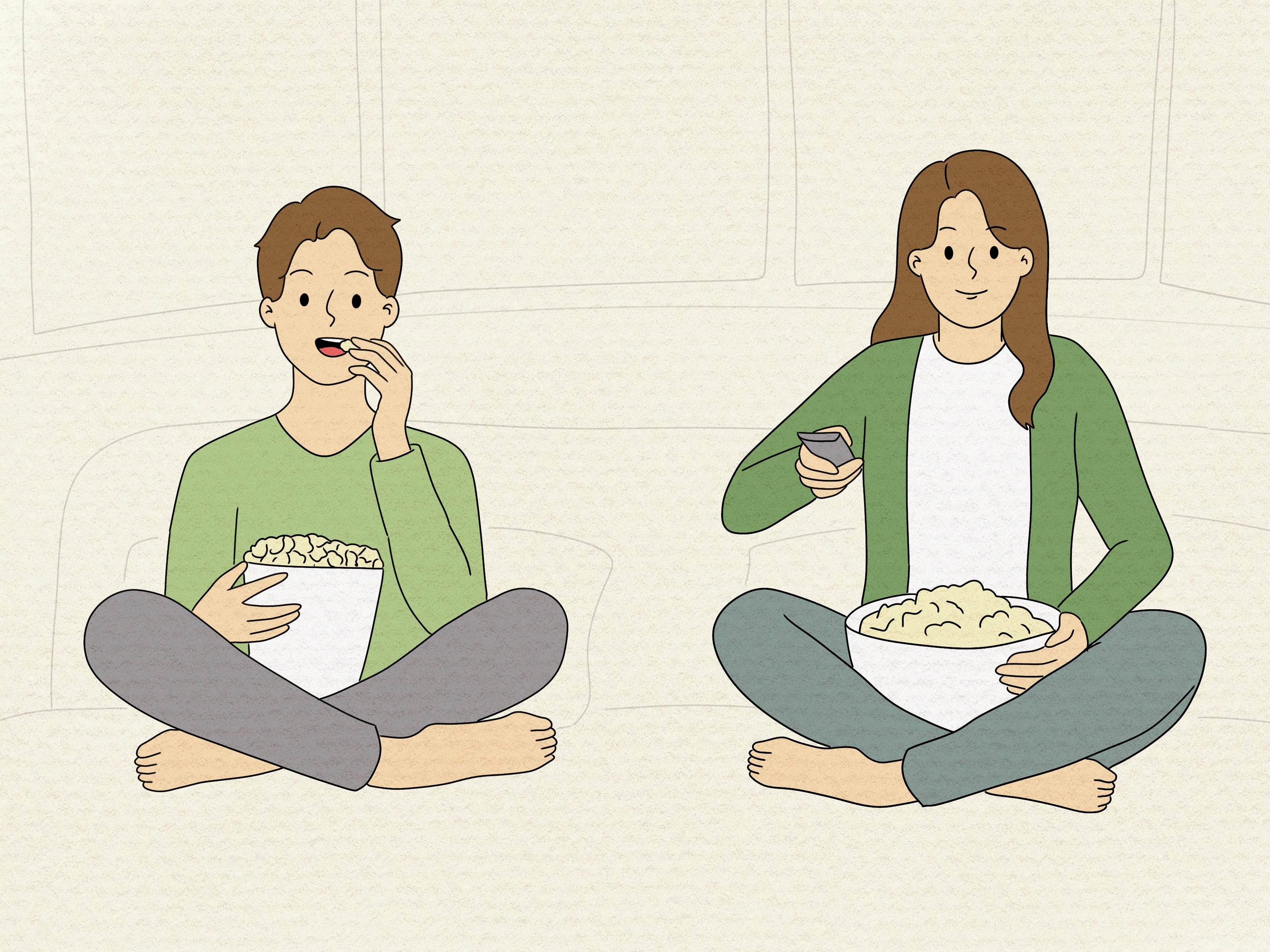
Watch a show together. Share a snack. Walk the dog. Play a game. Trade playlists. Joke around. Send a meme. Help each other with a task. Families often improve not through one giant emotional breakthrough, but through repeated ordinary moments that feel safe and pleasant.
The more positive history you build, the easier it becomes to recover from conflict without assuming the whole relationship is broken.
Step 9: Apologize ProperlyWithout the Word “But” Sneaking In
A real apology is powerful. A fake apology is just a complaint wearing a disguise. “I’m sorry, but you were being dramatic” is not an apology. It is a second argument in a trench coat.
Try this instead: “I’m sorry I snapped at you. That was rude.” Or, “I shouldn’t have shared that private story. I get why you’re upset.” Then stop talking long enough for the apology to land.
Repair matters more than perfection. You are both going to mess up. The siblings who stay close are often the ones who learn how to own mistakes without making excuses.
Step 10: Set Boundaries Without Acting Like a Villain
Getting along does not mean giving your sibling unlimited access to your room, your time, your emotions, your clothes, your snacks, or your patience. Boundaries are not rude. They are instructions for how to treat each other well.
Be specific. “Please knock before entering.” “Don’t borrow my things without asking.” “I need ten minutes alone after school.” “Don’t joke about that in front of other people.” Clear boundaries prevent future resentment because they reduce confusion and guesswork.
And yes, boundaries go both ways. If you want yours respected, respect theirs too.
Step 11: Do Not Recruit the Whole House Into Every Fight
One of the fastest ways to make sibling conflict worse is to create an audience. Running to parents, cousins, or the family group chat for every disagreement can turn a minor issue into a full-scale event.
If the problem is small and safe, try addressing it directly first. That builds maturity and conflict-resolution skills. Of course, if there is bullying, intimidation, repeated cruelty, or physical aggression, get an adult involved immediately. But for ordinary friction, fewer spectators usually means less drama.
Private repair often protects the relationship better than public embarrassment.
Step 12: Know When the Problem Is Bigger Than a Typical Sibling Fight
Not all sibling conflict is harmless. If one sibling is constantly humiliated, threatened, controlled, physically hurt, or made to feel unsafe, that is not normal teasing. That is a serious problem. Likewise, if every interaction ends in explosive anger, or if the relationship is affecting mental health, school, sleep, or family functioning, extra support may be needed.
Talk to a parent, trusted adult, counselor, therapist, or family mediator. Getting help is not dramatic. It is smart. Strong relationships are not built by pretending everything is fine when it clearly is not.
What Parents and Caregivers Can Do to Help
If you are a parent reading this for your childor quietly forwarding it while pretending you are “just browsing”your role matters. Siblings tend to do better when adults avoid constant comparisons, stay calm, make rules clear, and resist taking sides too quickly. Fairness matters, but so does individuality. Children need to feel seen as separate people, not competing products in the same family line.
One-on-one attention helps too. A lot of sibling conflict is really a clumsy request for attention, reassurance, or control. Sometimes the fight about the remote is not actually about the remote. It is about feeling overlooked, annoyed, or wound up after a hard day. Adults who model respectful communication make a huge difference, because children copy what they see far more than what they are told.
How to Get Along with Your Sibling as an Adult
Adult sibling relationships come with their own special brand of weirdness. You may now be arguing about caregiving, holidays, money, emotional labor, childhood roles, or why one person still acts like they are the assistant manager of everyone else’s choices. The same core skills still apply: communicate directly, avoid scorekeeping, set boundaries, repair when needed, and stop assuming your sibling should magically know what you want.
Adulthood does not automatically erase old patterns. Sometimes it just gives them better vocabulary. But adult siblings can absolutely improve their relationship when they stop replaying childhood roles and start dealing with each other in the present.
of Real-Life Experience: What Getting Along with a Sibling Actually Feels Like
In real life, sibling relationships rarely improve in one movie-worthy moment. Usually, change happens in smaller, less glamorous scenes. It looks like a teenager deciding not to snap back when their brother makes an irritating comment at breakfast. It looks like an older sister knocking before entering a room because she finally understands that privacy is not attitude. It looks like two adult brothers realizing that their annual holiday argument is always about old resentment, not the actual seating arrangement.
Many people grow up thinking that if they fight with their sibling, the relationship must be bad. That is not necessarily true. Plenty of siblings argue and still care deeply about each other. The real difference is in what happens after the conflict. Do they keep escalating? Do they drag old issues into every new disagreement? Do they make each other feel foolish, unsafe, or invisible? Or do they calm down, talk, and eventually figure out a better pattern?
One common experience is feeling like your sibling gets a version of you that no one else sees. They know your childhood nicknames, your embarrassing phases, your strange habits, and the exact tone of voice that means you are about to lose patience. That can make sibling conflict feel extra intense. But it can also make the relationship unusually strong. Siblings often understand each other in a way that friends cannot, because they were there for the same family seasons, the same stress, the same inside jokes, and the same weird casserole everyone had to pretend was good.
Another common experience is outgrowing the role you were assigned in childhood. Maybe you were “the responsible one,” while your sibling was “the wild one.” Maybe you were the peacemaker, and they were the loud one. As people grow, those labels become restrictive. Getting along often improves when both siblings stop forcing each other into outdated identities. Your sibling may not be who they were at 12. You may not be either. A healthier relationship often begins when both of you allow that truth to be real.
There is also the experience of realizing that some fights are really about stress. Siblings often clash more during transitions: new schools, new babies, divorce, grief, illness, moving, caregiving, money problems, or family tension. During those times, people can become shorter, more reactive, and more defensive. Understanding that context does not excuse rude behavior, but it can make empathy easier. Sometimes “Why are you being impossible?” turns into “Ohyou’re overwhelmed too.”
Perhaps the most meaningful experience is discovering that sibling closeness is often built through ordinary consistency. It is not always giant speeches. Sometimes it is checking in after a hard day. Sometimes it is saying, “I was out of line.” Sometimes it is defending your sibling when someone else is cruel. Sometimes it is respecting a boundary without making it personal. Those small moments build trust. And trust, more than chemistry or shared DNA, is what helps siblings actually get along over time.
Final Thoughts
Getting along with your sibling does not mean becoming best friends overnight or pretending conflict never happens. It means learning how to handle tension with more skill and less chaos. It means trading some of the sarcasm, scorekeeping, and automatic defensiveness for communication, empathy, boundaries, and repair.
Some sibling relationships become naturally close. Others become healthier through deliberate effort. Both count. Start with one or two of these steps, practice them consistently, and give the relationship room to improve. Family bonds can be complicated, but they can also get betterone calmer conversation, one better apology, and one less ridiculous fight about a charger at a time.