
Living rooms have been through a lot. They survived the reign of all-white everything, the cloud sofa takeover, the “please don’t touch anything” formal room, and enough beige to make a bowl of oatmeal feel underdressed. But in 2026, designers are making one thing very clear: the living room is no longer a showroom. It is a place to lounge, talk, read, snack, host, nap, and occasionally pretend you bought that coffee-table book because you actually read it.
The biggest living room trends going out of style in 2026 all have one thing in common: they feel too flat, too staged, too uncomfortable, or too copied from the internet. Designers are favoring rooms with warmth, texture, layered color, vintage character, better lighting, and furniture that actually works for real life. That does not mean every home needs to look like a maximalist antique shop had a stylish baby with a boutique hotel. It simply means living rooms are becoming more personal, more comfortable, and less afraid of personality.
Below are six living room trends designers say are fading in 2026, plus smarter ways to update your space without tossing everything you own into a dramatic renovation bonfire.
1. All-White and Plain Beige Living Rooms
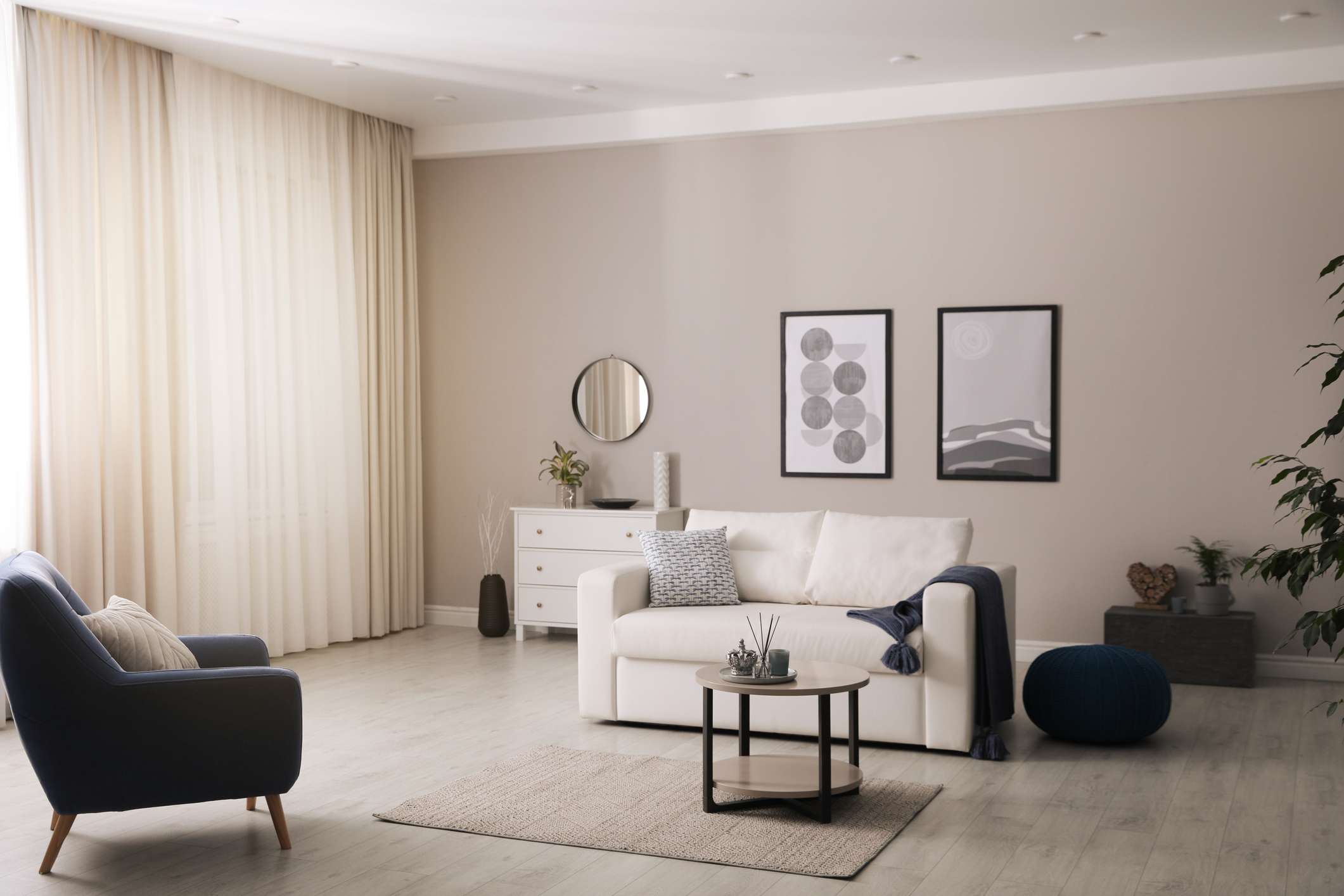
White and beige will never truly disappear from interior design. They are classics for a reason. The problem is not the colors themselves; it is the flat, one-note way they have been used. In 2026, designers are moving away from living rooms that rely only on white walls, beige sofas, cream rugs, pale wood, and nearly invisible accessories. The result often feels clean at first, but it can quickly become bland, cold, or unfinished.
For years, neutral living rooms were treated like the safest possible design choice. They photographed well, made small spaces feel bigger, and worked with almost any furniture. But the overuse of plain neutrals has made many rooms feel interchangeable. If your living room could be mistaken for a furniture catalog set where no one has ever dropped a cracker crumb, it may be time for more depth.
What to try instead
Designers are still using neutrals, but they are warming them up. Think mushroom, camel, tobacco, clay, stone, oatmeal, warm taupe, and soft khaki. These tones create a grounded base without making the room look like it gave up halfway through getting dressed.
Color is also coming back in more livable ways. Earthy green, terracotta, chocolate brown, deep blue, muted mustard, burgundy, and plaster pink can all bring energy without overwhelming the room. If painting the walls feels too bold, start with pillows, a throw blanket, lampshades, art, or an accent chair. Even one patterned textile can wake up a sleepy neutral room faster than coffee on a Monday morning.
2. Matching Furniture Sets
The matching living room set is officially losing its grip. You know the look: sofa, loveseat, armchair, coffee table, side tables, and media console all purchased together, all matching perfectly, all politely refusing to show any personality. It is convenient, yes. It is cohesive, technically. But in 2026, designers say it often makes a living room feel dated and overly staged.
The modern living room is moving toward a collected look. That means different silhouettes, materials, finishes, and eras can live together in the same space. A vintage wood side table can sit beside a modern linen sofa. A sculptural lamp can pair with a traditional armchair. A sleek coffee table can work with a patterned ottoman. The magic happens when the pieces complement each other instead of copying each other.
What to try instead
Keep your largest pieces calm and versatile, then add contrast through smaller furniture and decor. For example, pair a simple sofa with a vintage side table, a woven accent chair, and a darker wood console. Mix round and square shapes. Combine smooth surfaces with textured ones. Use two different end tables instead of identical twins standing stiffly on either side of the sofa.
The key is intention. Mismatched does not mean random. Choose a shared element to tie the room together, such as a repeated color, wood tone, metal finish, or fabric texture. A living room should feel layered, not like you closed your eyes and clicked “add to cart” six times.
3. Oversized Cloud Sofas That Swallow the Room
The oversized cloud sofa had its moment. It looked soft, cozy, luxurious, and perfect for people who wanted their living room to say, “I take relaxation very seriously.” But designers are becoming more selective about huge, low, marshmallow-like sofas in 2026. The issue is not comfort. The issue is scale.
In many living rooms, oversized cloud sofas dominate the floor plan. They can make a room feel heavy, block natural traffic flow, and leave little space for side tables, accent chairs, or flexible seating. They also tend to blur the line between relaxed and shapeless. A sofa should invite you to sit down, not make the entire room look like it melted.
What to try instead
Comfort is still essential, but designers are favoring sofas with better structure. Look for deep seating, soft cushions, rounded arms, plush upholstery, or a chaise option, but keep the proportions balanced. A sofa with visible legs can make a room feel lighter. A curved sectional can soften the space without taking over every inch. A pair of swivel chairs can add lounge-worthy comfort while keeping the room conversational.
If you already own a large cloud sofa, you do not need to panic. Balance it with slimmer tables, vertical lighting, textured pillows, and a rug large enough to anchor the seating area. Avoid adding more bulky furniture around it. Let the sofa be the cozy star, not the furniture version of a traffic jam.
4. Ultra-Minimalism With No Personality
Minimalism is not dead, but the cold, empty version of it is fading fast. In 2026, designers are less interested in living rooms that look untouched, undecorated, and allergic to human life. The old approach said, “Less is more.” The new approach says, “Less is fine, but where did your personality go?”
Ultra-minimal living rooms often rely on blank walls, sparse furniture, hidden storage, and very few decorative objects. While that can feel peaceful, it can also feel sterile when taken too far. A room without books, art, family photos, texture, or meaningful objects may be easy to clean, but it can also feel like a stylish waiting room where no one is allowed to laugh too loudly.
What to try instead
Designers are embracing warm minimalism, soft layering, and intentional clutter. That means fewer random objects, but more meaningful ones. A stack of favorite books, a ceramic bowl from a trip, framed art, a woven basket, a vintage mirror, or a lamp with character can make a minimalist room feel alive.
Texture is especially important. Linen curtains, wool rugs, velvet pillows, wood grain, stone surfaces, ribbed glass, and handmade ceramics add richness without making the room busy. You can still keep a clean layout, but give the eye something to enjoy. A living room should have breathing room, not an emotional support tumbleweed rolling through it.
5. Wavy Decor and Overdone Curves
Curves are still relevant in 2026, but the overly trendy wavy decor look is starting to lose steam. For a while, wavy mirrors, squiggly candles, blob-shaped tables, scalloped accessories, and playful curved pieces appeared everywhere. They were fun, youthful, and very social-media friendly. But when every room has the same squiggle mirror and the same wavy shelf, the look starts to feel less original.
Designers are not rejecting curves entirely. In fact, curved furniture, rounded sofas, arched doorways, and soft silhouettes remain appealing because they make rooms feel welcoming. What is going out of style is the overly literal, novelty version of the trend. A living room does not need to look like it was decorated by a very chic noodle.
What to try instead
Use curves in a more timeless way. Choose a rounded coffee table, an arched floor lamp, a curved-back chair, or a mirror with a soft organic shape. Then balance those curves with straight lines, tailored upholstery, and classic materials. The mix keeps the room from feeling like a trend museum.
Scalloped edges, fringe, piping, and subtle trim details are also replacing some of the louder wavy accents. These details add movement and charm without screaming for attention. In 2026, the best living room decor feels playful but grown-up, like it knows how to have fun and still pay the electric bill.
6. Non-Functional Statement Design
Perhaps the biggest living room trend going out of style in 2026 is design that looks good but does not work. Designers are pushing back against rooms filled with impractical furniture, uncomfortable chairs, delicate rugs no one can walk on, coffee tables too tiny to hold anything, and lighting that creates atmosphere but somehow forgets the tiny detail of helping people see.
For a long time, some living rooms were designed mainly for photos. The sofa looked amazing but was too shallow. The chair was sculptural but stiff. The side table was beautiful but could barely hold a glass. The rug was pale, precious, and one snack accident away from tragedy. In 2026, homeowners want living rooms that support daily life.
What to try instead
Start by asking how the room is actually used. Do you watch movies? Host friends? Work from the sofa? Read at night? Play games? Share the space with kids or pets? The answers should guide the design. A beautiful room that fails your lifestyle is not successful; it is just expensive theater.
Choose performance fabrics if spills are likely. Add side tables within reach of every major seat. Layer lighting with floor lamps, table lamps, sconces, and dimmable overhead fixtures. Use storage pieces that hide remotes, blankets, chargers, and the mysterious cable you are afraid to throw away. Select rugs that can handle foot traffic. Comfort and style are not enemies. They are roommates, and in 2026 they are finally learning to communicate.
Why These Living Room Trends Are Fading in 2026
The trends going out of style in 2026 are not disappearing because they were terrible. Most of them became popular because they solved a problem. Beige rooms felt calm during chaotic years. Matching furniture sets made decorating easy. Cloud sofas delivered comfort. Minimalism helped people simplify. Wavy decor made rooms feel playful. Statement design made interiors more expressive.
But design trends often become tired when they are copied too widely or used without context. A style that feels fresh in one home can feel forced in another. In 2026, designers are encouraging homeowners to stop chasing the exact same look and start asking better questions: Does this room feel like us? Is it comfortable? Does it support our routine? Will we still like it after the trend cycle moves on?
The new living room is not about perfection. It is about balance. It can be neutral, but not lifeless. Minimal, but not empty. Colorful, but not chaotic. Comfortable, but not sloppy. Personal, but not cluttered beyond rescue. The best spaces feel collected over time, even when some of the pieces arrived last Tuesday in a cardboard box.
How to Update Your Living Room Without Starting Over
If your living room includes one or more of these fading trends, do not assume you need a full redesign. Most rooms can be refreshed with thoughtful changes. The goal is not to erase your home’s current style. The goal is to add depth, function, and personality.
Add warmer colors
Introduce richer shades through pillows, throws, art, lampshades, or a painted accent wall. Warm neutrals, earthy greens, terracotta, chocolate, rust, ochre, and muted burgundy can make a room feel current without overwhelming it.
Mix furniture finishes
If everything matches, swap one piece. Replace one side table, add a vintage chair, or bring in a darker wood console. Small contrast can make the entire room feel more collected.
Upgrade lighting
One overhead light is rarely enough. Add table lamps, floor lamps, picture lights, or sconces to create layers. Warm bulbs can instantly make a room feel more inviting.
Bring in texture
Use woven baskets, nubby pillows, linen curtains, wool rugs, velvet upholstery, carved wood, ceramic lamps, and natural stone. Texture is the secret ingredient that keeps simple rooms from looking flat.
Display meaningful pieces
Art, books, travel finds, family pieces, handmade objects, and vintage accessories make a living room feel personal. You do not need dozens of items. You just need a few that say something beyond “I was on sale.”
Experience-Based Notes: What These 2026 Living Room Changes Look Like in Real Homes
In real living rooms, the shift away from outdated trends often happens slowly. Most people do not wake up one morning, stare at their beige sofa, and declare a design emergency. More often, the room simply stops feeling satisfying. It looks fine, but not interesting. It functions, but not gracefully. It photographs well, but when you sit in it, something feels missing.
One common experience is the all-neutral room that feels unfinished even after money has been spent. A homeowner may have a cream sofa, beige rug, white walls, pale curtains, and light wood furniture. Every piece is technically attractive, but together they create a visual whisper. Adding a warm brown leather ottoman, patterned pillows, a vintage brass lamp, and one oversized piece of art can completely change the mood. The room still feels calm, but now it has a pulse.
Another familiar situation is the oversized sectional that everyone loves and secretly resents. It is comfortable for movie night, but it blocks the walkway, makes conversation awkward, and leaves no room for side tables. The solution is not always replacing it. Sometimes the fix is editing the furniture around it. A round coffee table improves flow. A tall floor lamp adds height. A textured rug defines the seating area. A pair of smaller accent stools can add flexible seating without making the room feel stuffed.
Matching sets are also easy to improve with small changes. Imagine a living room with a matching sofa, loveseat, coffee table, and side tables. Instead of replacing everything, swap the side tables for two different pieces, add a patterned chair, and change the rug. Suddenly the matching pieces become a quiet foundation rather than the entire personality of the room. The space feels more like a home and less like a furniture showroom that is waiting for a salesperson named Brad.
Lighting is another area where real-life experience matters. Many living rooms feel dated not because the furniture is wrong, but because the lighting is flat. A single ceiling fixture can make even expensive decor look harsh. Layered lighting changes everything. A table lamp beside the sofa creates a reading spot. A floor lamp softens a dark corner. A dimmer switch makes movie night feel intentional. Good lighting is like good seasoning: you notice immediately when it is missing.
The move away from ultra-minimalism also feels practical in daily life. People want rooms that hold the evidence of living: books being read, blankets being used, games waiting for the weekend, art that means something, and storage that keeps chaos from becoming a permanent roommate. The trick is editing, not erasing. A tray can organize remotes. A basket can hold blankets. A shelf can display favorite objects without becoming a dust museum.
Ultimately, the best 2026 living room updates are not about chasing every new trend. They are about making the room more human. A living room should welcome people in, support the way the household actually lives, and tell a little story about the people who live there. Trends come and go, but comfort, proportion, warmth, and personality have staying power. If your living room makes people want to sit down and stay awhile, you are already ahead of the curve.
Conclusion
The living room trends going out of style in 2026 all point to a larger design shift. Homeowners and designers are moving away from rooms that feel overly matched, overly neutral, overly minimal, or overly focused on looks alone. In their place, we are seeing warmer colors, layered textures, mixed furniture, vintage character, better lighting, and practical comfort.
The smartest update is not to throw out every trend from the last decade. It is to keep what works, improve what feels flat, and add pieces that make your living room feel more like your life. A room does not need to be trendy to be beautiful. It needs to be thoughtful, comfortable, and personal enough that no one mistakes it for a waiting area with excellent throw pillows.