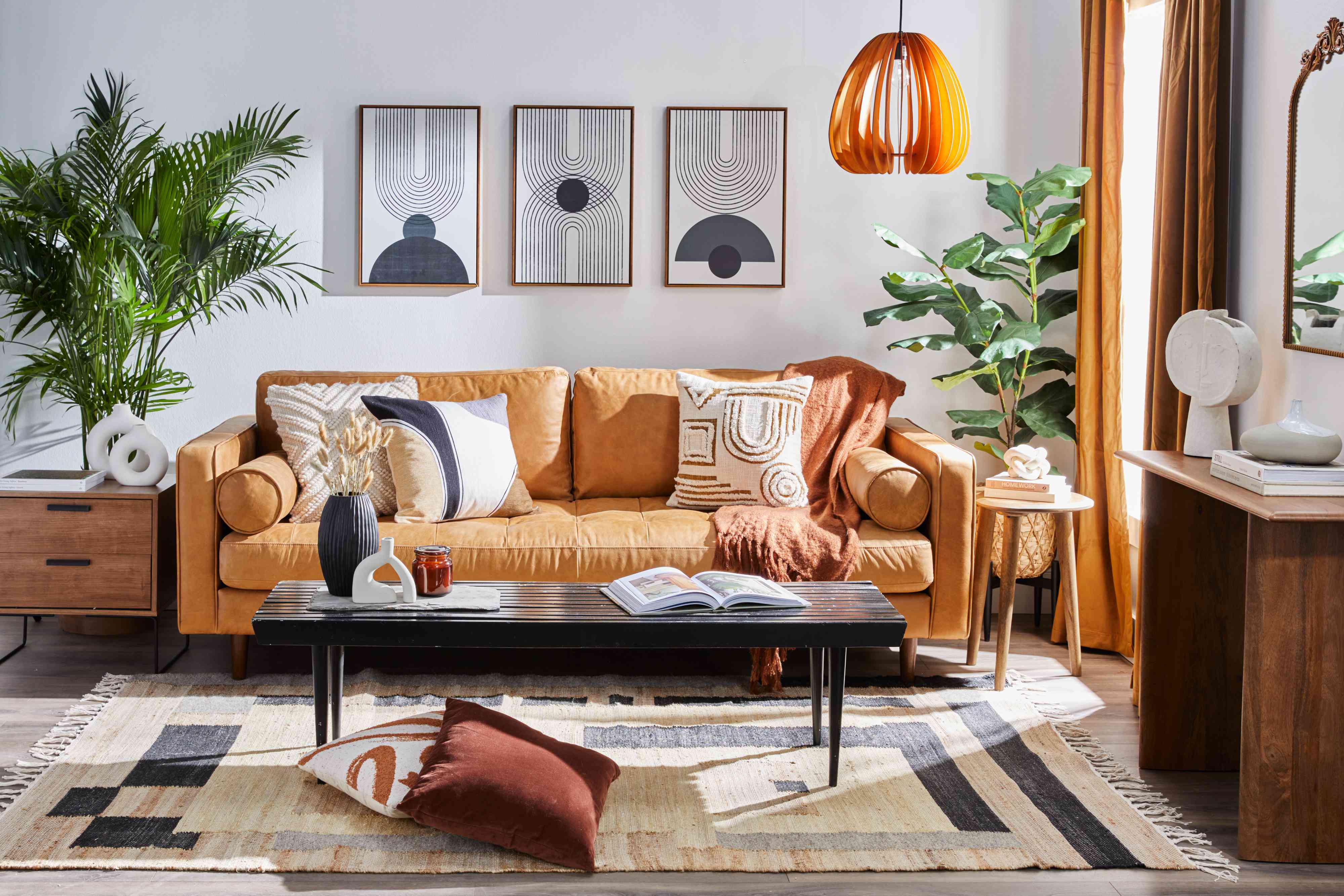

Your living room is the handshake of your home. It tells guests who you are before you even offer them a drink, a seat, or the Wi-Fi password. It is where movie nights happen, plants mysteriously multiply, throw pillows become emotional support objects, and one coffee table book somehow convinces everyone you are very cultured.
The best living room decor ideas do not require a mansion, a celebrity designer, or a budget that makes your bank app sweat. Great styling is about balance: comfort, personality, function, color, lighting, texture, and a few smart choices that make the room feel intentional instead of “I placed furniture here and hoped for peace.” Whether you love modern minimalism, cozy farmhouse style, bold maximalism, coastal calm, vintage charm, or a collected look that says “I have excellent taste and possibly a flea market problem,” these ideas will help you refresh your space with confidence.
Below are 92 practical, stylish, and realistic living room decor ideas to help you create a room that looks beautiful, feels welcoming, and works for everyday life.
Start With the Big Picture
1. Define how you actually use the room
Before buying anything, decide whether your living room is for entertaining, lounging, working, reading, gaming, family time, or all of the above. A beautiful room that does not match your life is just a showroom with emotional damage.
2. Choose a clear focal point
A fireplace, large window, statement sofa, gallery wall, media console, or oversized artwork can anchor the room. Once you know where the eye should land first, the rest of the layout becomes much easier.
3. Create a mood board
Collect images, colors, textures, and furniture shapes you love. You will quickly notice patterns: maybe you keep saving warm woods, linen sofas, sculptural lamps, or green velvet chairs. Congratulations, your taste has entered the chat.
4. Pick three style words
Try words like cozy, modern, layered, bright, earthy, elegant, playful, rustic, calm, or dramatic. Use those words as your decorating filter so the room feels cohesive instead of confused.
5. Work with what you already own
Before replacing everything, rearrange furniture, move art from another room, restyle shelves, or swap lamps. Sometimes your best decor idea is already living rent-free in the hallway.
Living Room Layout Ideas
6. Float furniture away from the walls
Pulling sofas and chairs slightly inward can make a living room feel more intimate and designer-approved. Even a few inches of breathing room can improve the layout.
7. Arrange seating for conversation
Face chairs and sofas toward each other instead of making every seat worship the television. A good conversation layout feels welcoming and makes guests less likely to shout across the room like they are at a sporting event.
8. Use a rug to define the seating area
A rug visually gathers furniture into one cozy zone. Ideally, at least the front legs of sofas and chairs should sit on the rug for a pulled-together look.
9. Try a symmetrical layout
Matching sofas, paired chairs, twin lamps, or balanced side tables create a polished, timeless feel. Symmetry is especially helpful in formal living rooms or rooms with fireplaces.
10. Mix symmetry with one surprise
If the room feels too perfect, add one unexpected item: a funky side table, bold ottoman, vintage stool, or colorful chair. Perfectly matched rooms can feel a little like nobody is allowed to sit down.
11. Create zones in an open-concept space
Use area rugs, console tables, lighting, and furniture placement to separate the living area from the dining room, kitchen, or workspace.
12. Add a reading corner
A cozy chair, small table, floor lamp, and soft throw can turn an empty corner into the most fought-over seat in the house.
13. Make room for traffic flow
Leave clear paths around furniture so people can move easily. A living room should not feel like an obstacle course designed by your coffee table.
14. Use a sectional for family lounging
Sectionals are excellent for movie nights, naps, and large households. Choose one with clean lines if you want it to feel modern rather than bulky.
15. Try two sofas facing each other
This classic layout works beautifully for conversation and entertaining. It feels elegant, balanced, and more social than a single sofa pushed toward a screen.
Color Palette Ideas
16. Start with warm neutrals
Cream, taupe, oatmeal, mushroom, warm gray, and soft beige make a flexible base. They are calmer than stark white but still easy to decorate around.
17. Add one bold accent color
Try emerald green, navy blue, rust, mustard, burgundy, or terracotta through pillows, art, rugs, or an accent chair. One strong color gives the room personality without causing a visual argument.
18. Try a monochromatic scheme
Decorating with different shades of the same color creates a sophisticated look. A blue living room, for example, can include pale blue walls, denim pillows, navy art, and slate accents.
19. Use black as an anchor
A little black adds contrast and structure. Try black picture frames, lamps, curtain rods, coffee table legs, or a slim media console.
20. Bring in earthy tones
Clay, olive, sand, camel, chocolate, and rust create warmth and comfort. These colors pair beautifully with wood, linen, leather, rattan, and stone.
21. Paint the ceiling
A soft blue, warm beige, or moody charcoal ceiling can make the room feel designed from top to bottom. It is a bold move, but sometimes the fifth wall deserves attention too.
22. Try color drenching
Painting walls, trim, and built-ins in the same shade can create an enveloping, high-end look. Deep green, dusty blue, and warm taupe are especially stylish choices.
23. Keep small rooms light but not boring
Small living rooms benefit from lighter walls, but add texture, art, plants, and layered lighting so the space does not feel flat.
Furniture Styling Ideas
24. Invest in the best sofa you can afford
The sofa is the workhorse of the living room. Look for durable fabric, supportive cushions, a practical size, and a shape that fits your style.
25. Mix furniture shapes
If your sofa is boxy, add a round coffee table. If your chairs are curved, try a rectangular side table. Shape contrast keeps the room visually interesting.
26. Use an oversized coffee table
In a large living room, a bigger coffee table grounds the seating area and provides plenty of space for books, trays, candles, and snacks that you pretend are “for guests.”
27. Try nesting tables
Nesting tables are perfect for small spaces because they can expand when needed and tuck away when not in use.
28. Add a storage ottoman
A storage ottoman can hide blankets, remotes, toys, magazines, and other living room chaos while doubling as extra seating or a footrest.
29. Choose chairs with personality
An accent chair is a great place to experiment with color, pattern, texture, or an unexpected silhouette.
30. Mix old and new pieces
A vintage trunk, antique side table, or thrifted cabinet can make a newer room feel layered and soulful.
31. Use furniture with exposed legs
Raised legs make a room feel lighter and more spacious because more floor is visible.
32. Add a slim console behind the sofa
A behind-the-sofa console creates a surface for lamps, books, bowls, and decorative objects while helping define the seating area.
33. Consider modular furniture
Modular sofas and flexible seating are ideal for homes where the living room has to adapt to guests, kids, hobbies, and movie marathons.
Wall Decor Ideas
34. Hang large-scale artwork
One oversized piece can make a living room feel instantly elevated. Large art also reduces the need for lots of smaller decorative pieces.
35. Build a gallery wall
Mix framed prints, family photos, sketches, vintage finds, and small mirrors. Keep one element consistent, such as frame color or spacing, for a polished result.
36. Lean art instead of hanging it
Leaning framed art on a mantel, console, or shelf creates a relaxed, collected look and makes swapping pieces easy.
37. Add wall molding
Picture-frame molding, board-and-batten, or simple trim can give plain walls architectural character.
38. Try removable wallpaper
Peel-and-stick wallpaper is perfect for renters or commitment-shy decorators. Use it behind shelves, on an accent wall, or inside built-ins.
39. Decorate around the television
Frame the TV with art, shelves, sconces, or a dark wall color to help it blend into the room instead of looking like a giant black rectangle with opinions.
40. Use mirrors strategically
Mirrors bounce light and make rooms feel bigger. Place one opposite a window or above a console for maximum impact.
41. Hang woven wall decor
Textile art, baskets, macramé, or fiber pieces add warmth and softness to walls.
42. Create a statement mantel
Layer art, candles, vases, branches, and sculptural pieces on the mantel. Vary heights and shapes so it feels styled, not lined up like a school photo.
Lighting Ideas
43. Layer three types of lighting
Use ambient lighting for overall brightness, task lighting for reading, and accent lighting to highlight art, shelves, or architectural features.
44. Add table lamps
Table lamps create a cozy glow and make a room feel more finished. They are also much kinder than one harsh overhead light interrogating everyone from above.
45. Use floor lamps in dark corners
A floor lamp can brighten forgotten corners and add height to the room’s design.
46. Install wall sconces
Sconces add style without taking up table space. They work beautifully beside fireplaces, bookshelves, sofas, and reading chairs.
47. Choose warm bulbs
Warm white bulbs create a soft, inviting atmosphere. Cool bulbs can make a living room feel more like a dentist’s office, which is rarely the goal.
48. Make the chandelier a statement
A sculptural pendant or chandelier can become the jewelry of the room. Choose a size that feels intentional, not timid.
49. Add dimmers
Dimmers let your living room shift from bright daytime function to cozy evening mood with one small adjustment.
Textile and Texture Ideas
50. Layer rugs
Place a smaller patterned rug over a larger natural fiber rug for depth, texture, and a designer look.
51. Mix pillow sizes
Combine square pillows, lumbar pillows, and oversized cushions for a more relaxed and luxurious sofa.
52. Use fewer, better pillows
A mountain of pillows may look cute online, but real humans need somewhere to sit. Choose quality inserts and covers that support the overall palette.
53. Add a throw blanket
Drape a throw over the sofa arm, chair back, or ottoman for instant softness. Bonus points if it is actually comfortable and not just decorative sandpaper.
54. Mix materials
Combine linen, velvet, leather, wool, cotton, rattan, metal, glass, and wood. Texture is what makes neutral rooms feel rich instead of plain.
55. Hang curtains high and wide
Mount curtain rods closer to the ceiling and extend them beyond the window frame. This makes windows look larger and ceilings feel taller.
56. Try textured curtains
Linen, cotton, velvet, or woven curtains soften a room and help control light. Even simple panels can make a living room feel more complete.
57. Use performance fabrics
If you have kids, pets, or a snack-forward lifestyle, performance fabrics are your friend. Style is great; stain resistance is spiritual support.
Storage and Organization Ideas
58. Style open shelves with breathing room
Mix books, ceramics, framed photos, baskets, and sculptural objects. Leave some empty space so the shelves look curated rather than crowded.
59. Use baskets everywhere
Baskets hide blankets, toys, cables, workout gear, and other small items while adding natural texture.
60. Choose closed storage for visual clutter
Media cabinets, credenzas, and storage benches are excellent for items that do not deserve a public platform.
61. Add built-ins if possible
Built-in bookshelves or cabinets add storage, architecture, and display space. They can make even a simple living room feel custom.
62. Use decorative boxes
Boxes on shelves or coffee tables can hide remotes, chargers, coasters, and tiny things that somehow ruin an entire room’s vibe.
63. Hide cords creatively
Use cord covers, cable boxes, furniture placement, or baskets to reduce visible wires. Nothing says “unfinished” quite like a cable jungle.
Decorative Accent Ideas
64. Style the coffee table with a tray
A tray gathers candles, books, vases, and small objects into one intentional arrangement.
65. Stack coffee table books
Books add height, color, and personality. Choose topics you actually like: interiors, travel, art, fashion, architecture, gardens, or photography.
66. Add fresh flowers
Flowers instantly make a living room feel alive. Grocery-store blooms in a simple vase can look surprisingly chic.
67. Use branches for drama
Tall branches in a large vase bring height and sculptural beauty, especially on consoles, mantels, or sideboards.
68. Decorate with candles
Candles add warmth, scent, and atmosphere. Use different heights for a layered look.
69. Display meaningful objects
Travel souvenirs, family pieces, handmade ceramics, or inherited items make the room personal. The goal is not perfection; it is character.
70. Try sculptural decor
A ceramic knot, carved bowl, stone object, or interesting vase can add an artistic touch without overwhelming the room.
71. Use books as decor beyond shelves
Place books under lamps, on side tables, inside baskets, or stacked beneath decorative objects for height and color.
72. Add a decorative screen
A folding screen can hide clutter, define a corner, or add pattern and drama.
Plant and Natural Element Ideas
73. Add a large indoor tree
A fiddle leaf fig, olive tree, rubber plant, or faux tree can fill an empty corner and bring life to the room.
74. Group plants in odd numbers
Three plants of different heights often look more natural than a perfectly matched pair.
75. Use stylish planters
Ceramic, terracotta, woven, concrete, or metal planters can reinforce your room’s style.
76. Mix real and faux greenery
There is no shame in faux plants, especially in low-light rooms. A convincing fake plant is better than a real one slowly auditioning for a tragedy.
77. Add natural wood
Wood coffee tables, frames, stools, bowls, and shelves add warmth and balance cooler colors.
78. Bring in stone or marble
A stone side table, marble tray, or travertine lamp base adds organic elegance.
Small Living Room Decor Ideas
79. Use mirrors to expand the space
A large mirror can visually double the room’s light and depth.
80. Choose furniture with storage
Look for storage ottomans, lift-top coffee tables, media consoles, and side tables with drawers.
81. Scale furniture properly
Small rooms do not always need tiny furniture. One correctly sized sofa often works better than several small pieces.
82. Use wall-mounted shelves
Wall shelves save floor space while providing room for books, art, and decor.
83. Choose leggy furniture
Sofas, chairs, and tables with visible legs create a sense of openness.
84. Keep the palette cohesive
A tight color palette helps a small room feel calm and intentional.
85. Try a round coffee table
Round tables improve flow in compact spaces and soften all the straight lines.
Personality-Driven Styling Ideas
86. Show off your hobbies
Display records, instruments, art supplies, travel books, board games, or sports memorabilia in a stylish way. Your home should not look like a hotel lobby unless you are charging resort fees.
87. Create a music corner
A record player, speaker, guitar stand, or small listening station can make the living room feel more personal and interactive.
88. Add vintage lighting
A restored lamp or vintage-inspired shade can give the room charm and history.
89. Mix eras intentionally
Pair mid-century chairs with a modern sofa, or place an antique table beside contemporary art. The contrast creates a collected look.
90. Rotate seasonal accents
Swap pillow covers, throws, branches, candles, and small accessories with the seasons. This keeps the room fresh without requiring a full redesign.
91. Add one conversation piece
Choose something memorable: a bold lamp, unusual chair, oversized painting, quirky sculpture, or dramatic rug. Every room deserves one “wait, where did you get that?” moment.
92. Edit before you finish
Remove one or two items after styling. Editing is what separates a decorated room from a room that looks like every accessory in the store followed you home.
How to Pull These Living Room Decor Ideas Together
The easiest way to style a living room is to decorate in layers. Start with the foundation: sofa, chairs, rug, coffee table, media unit, and lighting. Then add color through pillows, throws, curtains, and art. After that, bring in personality with books, objects, plants, and meaningful details. This method prevents you from buying random decor that looks cute in the store but strange at home, which is a universal experience and should honestly come with a support group.
For a modern living room, focus on clean lines, sculptural lighting, neutral colors, and a few bold accents. For a cozy living room, layer warm textures like wool, linen, velvet, wood, and soft lighting. For a farmhouse living room, use natural materials, vintage pieces, slipcovered seating, and relaxed styling. For a small living room, prioritize scale, storage, light colors, and furniture that works hard without looking bulky. For a maximalist living room, mix pattern, color, art, and collected objects, but keep some repeating elements so the room feels joyful rather than chaotic.
One of the smartest living room styling tricks is to repeat materials and colors in at least three places. If you use black metal in a floor lamp, repeat it in a picture frame and curtain rod. If your accent color is olive green, repeat it in a pillow, artwork, and plant. Repetition creates rhythm, and rhythm makes a room feel finished.
Another important detail is scale. A tiny rug under a large sofa will make the room feel disconnected. A small piece of art floating above a big couch will look lonely. A coffee table that is too far away will make everyone do awkward yoga poses to reach their drink. Measure before you buy, and remember that living room decor is not only about what looks good; it is also about what works.
Extra Experience-Based Tips for Styling a Living Room
After spending enough time looking at living rooms, rearranging furniture, and learning from both beautiful spaces and “what happened here?” spaces, one truth becomes obvious: the best living rooms feel lived in. Not messy, not neglected, not trapped in a catalog pose, but genuinely used and loved. A room becomes more stylish when it supports real habits. If your family always drops blankets on the sofa, buy a beautiful basket. If everyone eats snacks during movie night, choose a coffee table that can handle plates and drinks. If your pets claim every soft surface, skip delicate white upholstery unless you enjoy emotional suspense.
A common mistake is decorating too quickly. People often buy a full matching set because it feels safe. The sofa matches the loveseat, the tables match each other, the lamps match the tables, and suddenly the room has the personality of a furniture warehouse. A better approach is to collect slowly. Buy the main pieces first, live with them, and notice what the space needs. Maybe the room feels too square, so you add a round table. Maybe it feels too gray, so you bring in warm wood. Maybe it feels too quiet, so you add patterned curtains or a bold painting. Good styling is often a conversation with the room, not a one-day shopping sprint.
Lighting is another area where experience teaches strong lessons. A living room with only overhead lighting rarely feels cozy. It may be bright, but bright is not the same as beautiful. Add lamps at different heights and use warm bulbs. Turn off the ceiling light in the evening and let table lamps, floor lamps, and sconces do the mood work. The difference can be dramatic, like the room suddenly got eight hours of sleep and a better haircut.
Texture also matters more than people expect. If a room feels boring but the colors are fine, the problem is probably texture. Add woven baskets, linen curtains, velvet pillows, a wool rug, a ceramic lamp, a wooden bowl, or a leather chair. Texture gives the eye something to enjoy without making the room feel busy. This is especially useful in neutral living rooms, where the goal is calm, not cardboard.
One of the most reliable styling methods is the “large, medium, small” rule. On a coffee table, use one large item like a tray or book stack, one medium item like a vase, and one small item like a candle or decorative object. On shelves, combine tall pieces, medium frames, and smaller accents. Varying height and shape makes styling look natural. When everything is the same size, the display can feel flat, even if every individual item is lovely.
Finally, do not underestimate personal details. A living room should reveal something about the people who live there. Add art you love, books you actually read, colors that make you happy, and objects with a story. Trends can inspire you, but they should not boss you around. The best living room decor ideas are the ones that make your space more comfortable, more useful, and more unmistakably yours.
Conclusion
Upgrading your living room does not have to mean starting from scratch. A better layout, layered lighting, a larger rug, warmer textures, thoughtful storage, and a few personal accents can completely change the way the room looks and feels. Whether you try one idea or all 92, the goal is the same: create a living room that welcomes people in, supports your daily life, and shows off your style without trying too hard.
Note: This article is written in copy-ready HTML body format for web publishing and is based on current, real-world interior design principles, decorating best practices, and living room styling guidance from reputable home and design publications.