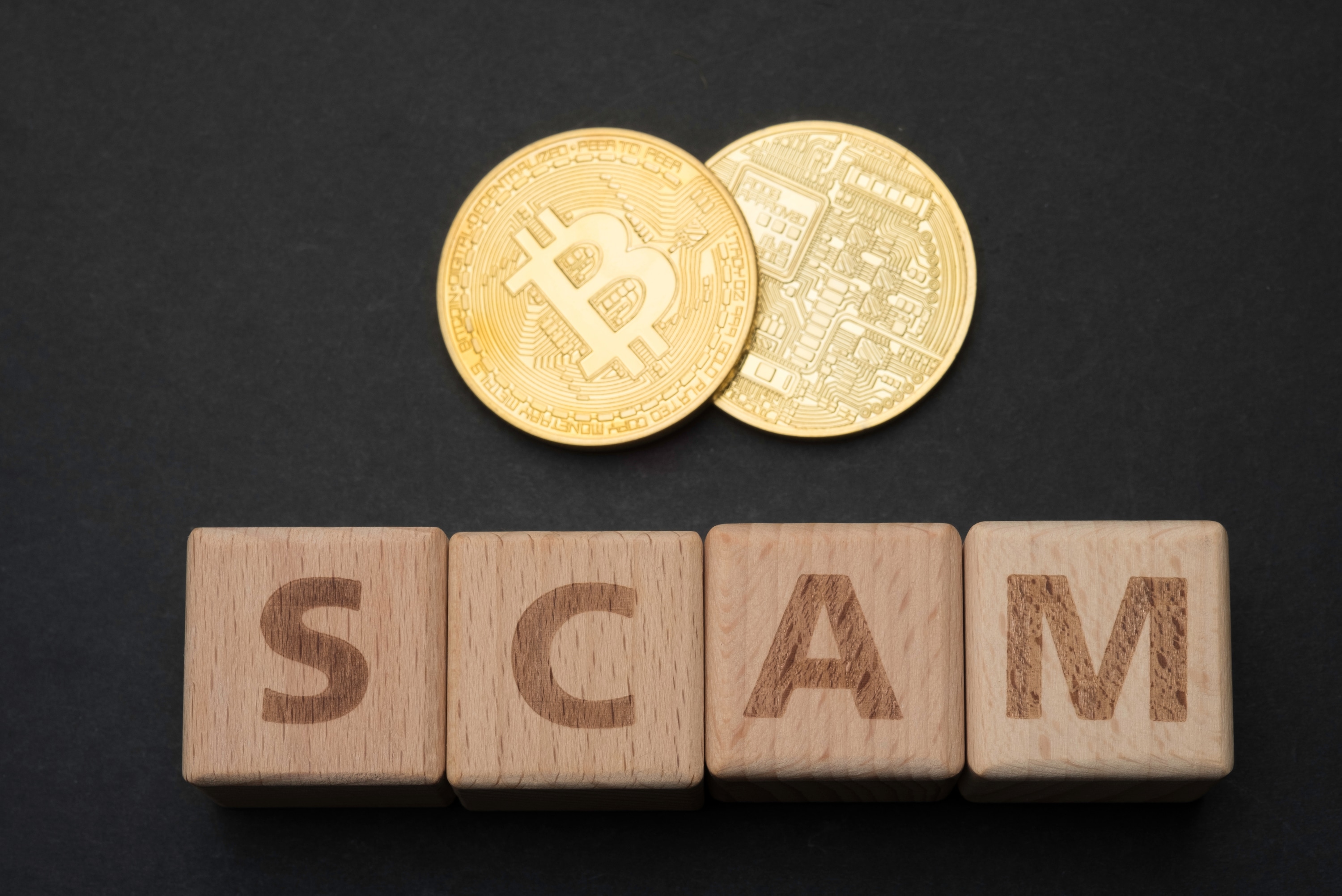

Crypto was supposed to be the future. Instead, scammers looked at that future, rubbed their hands together like cartoon villains, and said, “Perfect.” Bitcoin, Ethereum, stablecoins, wallets, exchanges, QR codes, “exclusive” investment groups, random WhatsApp gurus with suspiciously perfect cheekbones the modern scam economy has turned cryptocurrency into one of its favorite playgrounds.
That does not mean crypto itself is automatically a scam. It means crypto’s speed, complexity, and irreversibility make it very attractive to fraudsters. Once money leaves your wallet, it usually does not boomerang back like a loyal golden retriever. It vanishes like your motivation on a Monday morning.
If you want to avoid becoming the star of a very expensive cautionary tale, learn how today’s most common cryptocurrency scams work. Below are eight major types of cryptocurrency scams and Bitcoin frauds to watch for, along with the red flags, common tactics, and smart ways to protect yourself.
Why Crypto Scams Work So Well
Before diving into the scam menu, it helps to understand why criminals love digital assets. Cryptocurrency transactions can be fast, hard to reverse, and complicated enough to confuse even smart people who know just enough to feel confident. That combination is basically catnip for scammers.
Most crypto scams also borrow old tricks dressed in new digital clothes. A fake broker becomes a fake trading platform. A romance scam becomes a “let me teach you crypto” story. A government imposter now sends you to a Bitcoin ATM with a QR code. Same fraud, shinier packaging.
The biggest psychological hooks are always the same: urgency, secrecy, greed, fear, loneliness, and authority. If a pitch presses two or three of those buttons at once, your internal alarm should start blaring like a smoke detector with a personal grudge.
1. Fake Investment Platforms and “Pig Butchering” Scams
This is one of the most damaging cryptocurrency frauds around. It usually begins innocently: a wrong-number text, a friendly DM, a dating app match, or a polished message from someone who seems unexpectedly interested in your life. Amazing, right? Tragically, they are often more interested in your money than your personality.
How it works
The scammer spends days or weeks building trust. Then they casually mention how much money they have made in crypto. Soon, they offer to help you invest through a “special” platform or app. You deposit a small amount, and the dashboard shows profits. You feel clever. You deposit more. The numbers keep rising. You start imagining early retirement, a beach house, and maybe a gold-plated coffee mug.
Then you try to withdraw your money.
Suddenly there is a problem. You need to pay taxes first. Or a release fee. Or an anti-money-laundering deposit. Or your account is frozen. Or customer service has gone missing in action. At that point, the profits were never real. The platform was fake. The dashboard was theater. The only real thing was your transfer to the scammer.
Red flags
- Unsolicited messages about investing
- Promises of easy profits or guaranteed returns
- Pressure to move conversations off-platform to WhatsApp or Telegram
- A trading website or app you have never heard of
- Requests for extra payments to unlock withdrawals
2. Phishing, Wallet Drainers, and Fake Customer Support
This scam is less romantic but just as effective. Instead of sweet-talking you into an investment, criminals trick you into handing over access to your wallet, exchange account, seed phrase, or login credentials.
How it works
You get an email, text, ad, social post, or direct message that looks like it came from an exchange, wallet provider, or support team. It says your account is at risk, your identity needs verification, or your transaction failed. You click the link, land on a site that looks almost identical to the real one, and enter your details.
Game over.
In other versions, fake customer support agents call you, convince you to share one-time codes, or ask for remote access to your phone or computer. Some scams even involve fake tokens, poisoned wallet addresses, and malicious links that trigger wallet-draining approvals. Translation: one wrong click can turn your portfolio into a ghost town.
Red flags
- Urgent warnings about account compromise
- Unofficial support numbers found through search results or social media comments
- Requests for your seed phrase, recovery phrase, or private keys
- Unexpected links asking you to “connect wallet”
- Anyone asking for remote device access
3. Celebrity Giveaway and Social Media Impersonation Scams
If a celebrity promises to double your Bitcoin, they are not being generous. They are being fake. Or rather, someone is pretending to be them.
How it works
Scammers impersonate famous people, influencers, companies, or even regulators. They use hacked verified accounts, deepfake-style videos, fake livestreams, and polished graphics that look shockingly real. The pitch is simple: send crypto to a wallet address and receive double back. Sometimes it is framed as a giveaway. Sometimes as a limited-time promotion. Sometimes as an “exclusive community reward.” It is never real.
The same trick shows up in fake investment groups, social media chat rooms, and Telegram channels full of suspiciously enthusiastic strangers posting screenshots of fake profits. If every person in the group seems rich, happy, and eager to help you invest immediately, congratulations: you have entered a digital haunted house.
Red flags
- “Send one, get two back” offers
- Verified-looking accounts promoting wallet addresses
- Chat groups full of coordinated hype
- Limited-time claims designed to make you rush
- Promotions that make no business sense
4. Government, Bank, or Business Imposter Scams
One of the oldest scams in the book now comes with a crypto twist. Instead of demanding gift cards, scammers increasingly demand Bitcoin or other cryptocurrency.
How it works
You get a call, text, or email from someone claiming to be from the IRS, Social Security, FTC, your bank, Amazon, Microsoft, or some other recognizable institution. They say your identity was stolen, your account was hacked, your taxes are overdue, or your money must be “secured” immediately.
Then comes the absurd part: they direct you to buy crypto or use a Bitcoin ATM. Often they send a QR code and tell you to scan it. They may even stay on the phone the entire time, like a disturbingly unhelpful life coach.
Real government agencies do not demand payment in Bitcoin. Real banks do not tell you to move your money into crypto to keep it safe. Real fraud investigators do not escort you to a convenience store machine like it is a spy movie. That is a scam, every single time.
Red flags
- Threats of arrest, account closure, or immediate loss
- Instructions to keep the situation secret
- Requests to pay with Bitcoin, crypto, or a Bitcoin ATM
- QR codes sent by phone, text, or email
- Claims that crypto will “protect” or “hold” your money
5. Romance Scams That Turn Into Crypto Fraud
Some scams begin with emotions, not investment talk. That is what makes them especially brutal.
How it works
A scammer builds what feels like a real relationship. They text constantly, say all the right things, and seem supportive, attractive, and oddly available at all hours. Once emotional trust is established, they introduce a crypto opportunity. Sometimes they say they want to help you. Sometimes they claim a wealthy relative taught them a secret strategy. Sometimes they share screenshots of huge returns.
The victim is not just buying a fake investment. They are often trying to preserve a connection that feels meaningful. That emotional pressure can override common sense. People who would laugh at a cold-call scam may fall for a romance-based crypto fraud because the manipulation is personal, gradual, and deeply targeted.
In especially ugly cases, scammers later use private messages, photos, or romantic conversations to pressure victims into sending more money. That is not just fraud. That is emotional arson.
Red flags
- Fast emotional escalation
- Someone you have never met in person offering investment advice
- Refusal to video chat consistently or explain inconsistencies
- Pressure to join a specific trading platform
- Claims that “everyone I care about uses this strategy”
6. Rug Pulls, Fake ICOs, Pump-and-Dumps, and Ponzi-Style Crypto Schemes
Not every crypto fraud looks like a direct scam message. Some are wrapped inside projects, tokens, and communities that appear legitimate until they collapse like a folding chair at a barbecue.
How it works
A project launches with flashy branding, a white paper, buzzwords, and promises of huge growth. Sometimes the founders are anonymous. Sometimes the social media excitement is artificially inflated. Sometimes insiders quietly hold most of the supply. Investors buy in, the price rises, and hype does the heavy lifting.
Then one of several things happens. The developers vanish with the funds. Insiders dump their holdings. “Guaranteed” returns turn out to be paid from new investor money. Or the platform had no real business model in the first place. Suddenly the community goes silent, the token charts fall off a cliff, and the people who said “we’re all going to make it” have vanished into the blockchain mist.
Red flags
- Guaranteed returns or overly consistent profits
- Anonymous teams with no verifiable history
- Heavy social media hype with little substance
- Pressure to recruit others
- Complicated explanations that somehow still avoid basic facts
7. Crypto Job Scams, Task Scams, and Money Mule Traps
Some frauds do not ask you to invest at first. They offer you a job. Which sounds refreshingly practical until the “job” turns into a disaster with payroll energy and criminal consequences.
How it works
You are offered remote work involving crypto recruiting, payment processing, account management, app testing, or “optimization tasks.” The employer may sound polished and legitimate. Then the strange stuff begins. You are asked to pay a fee in crypto to start. Or deposit a check and convert some of it into crypto. Or receive funds and forward them elsewhere. Or create accounts in your name for company use.
That is not a career path. That is a trap.
Some victims lose money directly. Others are unknowingly used as money mules, helping move stolen funds. That can create legal trouble on top of financial loss, which is an absolutely terrible two-for-one deal.
Red flags
- Unsolicited job offers with unusually high pay
- Requests to pay fees in cryptocurrency
- Instructions to receive and forward money
- Vague job duties and instant hiring
- Pressure to use your personal accounts for business activity
8. Recovery Scams After the Original Scam
Just when you think the scammers cannot get any lower, they send a sequel.
How it works
After you lose money in a crypto scam, someone contacts you claiming they can recover the funds. They may pretend to be from law enforcement, a law firm, a blockchain tracing service, or a regulator. They often know details about the original fraud, which makes them sound credible. That is because victim lists are frequently shared or resold.
The fake rescuer asks for an upfront payment, tracing fee, administrative cost, tax deposit, or legal retainer. You pay because you are desperate and hopeful. Then they disappear, demand more, or produce useless documents dressed up to look official.
If someone cold-contacts you promising to recover lost crypto for a fee, assume you are being targeted again. Scammers love repeat business, especially when the customer never wanted to be a customer in the first place.
Red flags
- Unsolicited offers to recover stolen funds
- Requests for upfront payment
- Claims of secret access to frozen crypto wallets
- Fake legal or government credentials
- Pressure to act fast before your “case expires”
How to Protect Yourself From Cryptocurrency Scams
The best defense is not technical wizardry. It is disciplined skepticism.
- Never send crypto because someone contacted you first.
- Never share your seed phrase, private keys, or wallet recovery information.
- Do not trust screenshots, dashboards, testimonials, or group chat hype.
- Verify platforms, apps, and support contacts independently.
- Assume that guaranteed returns mean guaranteed nonsense.
- If a withdrawal requires more money, stop immediately.
- Slow down when a message creates urgency, fear, or secrecy.
- Talk to a trusted person before sending large amounts of crypto.
One of the simplest safety rules is also one of the best: if the story sounds weird, rushed, secretive, or too profitable, walk away. Real opportunities can survive a 24-hour pause. Scams usually cannot.
Real-World Experiences and Lessons People Commonly Report
Many victims say the scam did not feel like a scam at the beginning. That is the part worth remembering. Fraud rarely starts with a villain twirling a mustache and yelling, “Greetings, citizen, I am here to steal your Bitcoin!” It usually starts with something ordinary: a friendly text, a customer support search, a dating app message, a job post, or a recommendation from a group chat that looks active and convincing.
One common experience begins with a random “wrong number” text. The conversation drifts from polite small talk into regular chatting. The scammer seems charming, successful, and oddly patient. After a week or two, they mention crypto trading almost casually, as if they are sharing a great restaurant tip. The victim tests the platform with a small amount, sees fake profits, and gains confidence. By the time the platform refuses withdrawals, the victim is emotionally invested, financially exposed, and embarrassed to tell anyone.
Another common story involves fake urgency. A person receives a call saying their bank account, Amazon account, or Social Security number is compromised. The caller sounds professional and reassuring at first, then suddenly urgent. They tell the target to protect their funds by converting money to Bitcoin and sending it through a QR code at a kiosk. Victims later describe feeling confused but pressured, as if they were being rushed through a fire drill no one else could see.
Others talk about support scams. They search online for help with a wallet or exchange issue, click the wrong number, and end up speaking with a fake representative. The caller asks for a verification code, remote access, or wallet connection. Victims often say the scam worked because the fake support agent sounded calm, knowledgeable, and routine. That is the trick: good scammers do not always sound dramatic. Sometimes they sound boring enough to trust.
There are also heartbreaking stories tied to romance. People say the emotional bond felt real, even when small inconsistencies appeared. They ignored the warning signs because the relationship itself became the proof. Once money was involved, the victim was not just defending an investment. They were defending a person they believed cared about them. That emotional overlap is what makes relationship-based crypto fraud so cruel.
The lesson from all these experiences is not that victims were foolish. It is that scammers are structured, practiced, and psychologically sharp. Anyone can be caught on a tired day, a lonely week, or a stressful afternoon. The smartest response is to build habits before you need them: verify everything, slow every urgent situation down, and refuse to move money based on pressure from strangers, online “friends,” or impressive-looking dashboards. In crypto, caution is not paranoia. It is rent for staying safe.
Final Thoughts
Cryptocurrency scams keep evolving, but the underlying fraud patterns are surprisingly old. The tools change. The lies do not. Whether it is a fake exchange, a fake romance, a fake celebrity, or a fake recovery expert, the goal is always the same: separate you from your money before you can think clearly.
The good news is that scam prevention does not require you to become a blockchain engineer. It requires you to recognize manipulation when you see it. Slow down. Verify independently. Treat guaranteed profits like a flashing neon warning sign. And the moment anyone tells you to pay in Bitcoin to solve a problem, collect a prize, protect an account, unlock a withdrawal, or prove you are serious exit the conversation. Immediately.