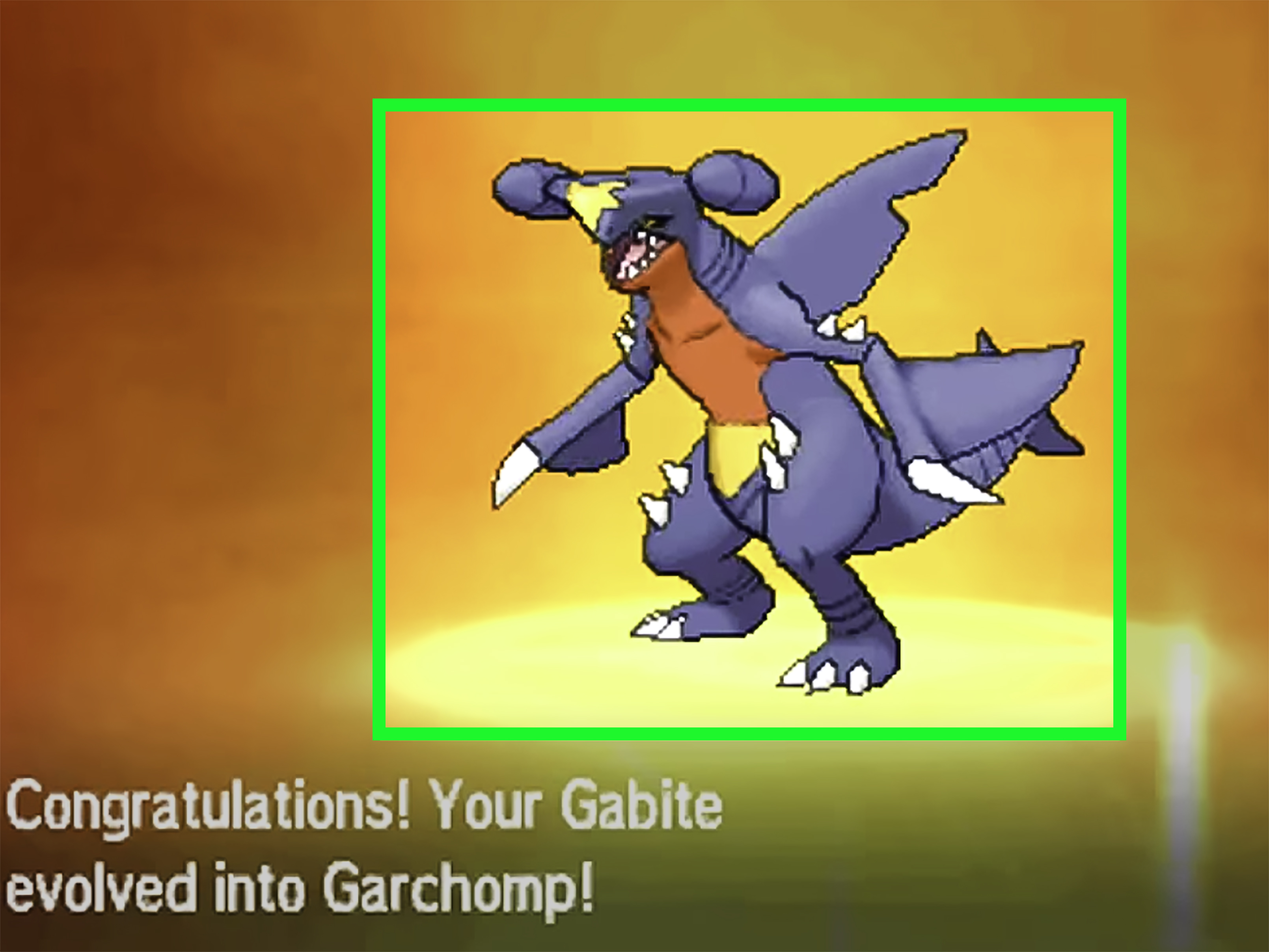

If you already have a Gabite and you are staring at it like, “Congratulations on being cool and all, but when do you become a land shark jet dragon?” the answer is refreshingly simple. In the core Pokémon games, Gabite evolves into Garchomp at level 48. No trading. No moon phase nonsense. No friendship therapy session. Just level it up and let nature, battle experience, and a little player patience do the rest.
That said, there is still a right way to do it. Some players accidentally delay the evolution, some train Gabite inefficiently, and some get tripped up by game-specific quirks like Pokémon Legends: Arceus, where evolution is manual instead of automatic. So if you want the smoothest route from Gabite to Garchomp, this guide walks you through the process in nine clear steps, along with useful strategy tips, common mistakes to avoid, and a longer section on real gameplay experiences that make the whole journey easier.
Why Evolve Gabite in the First Place?
Because Garchomp is a beast. It keeps the Dragon/Ground typing that already makes Gabite dangerous, but upgrades the whole package into one of the most respected final evolutions in the series. It hits hard, moves fast, and looks like it was designed by someone who asked, “What if a shark learned martial arts and then borrowed a jet engine?”
In practical terms, evolving Gabite gives you better stats, more late-game power, and a stronger answer to many battles in Sinnoh and beyond. If Gabite feels like a promising middle stage, Garchomp feels like the part where the training montage finally pays off.
How to Evolve Gabite: 9 Steps
Step 1: Make Sure You Actually Have a Gabite
This sounds obvious, but Pokémon players know that obvious things are where chaos begins. Gabite is the middle evolution in the line:
Gible → Gabite → Garchomp
If your Pokémon is still Gible, it needs to evolve into Gabite first. Once you already have Gabite, you are on the final stretch. Your mission is no longer “figure out what item I need.” Your mission is simply “get this creature to level 48.”
Step 2: Check Whether Anything Is Blocking Evolution
Before you start grinding levels, make sure Gabite is not holding an Everstone. That item prevents many level-up evolutions, and it is the classic reason a Pokémon stubbornly refuses to become its final form. If Gabite is holding one, remove it.
You also want to avoid canceling the evolution by accident. In most core games, pressing the cancel button during the evolution sequence stops it. That can be useful if you want to delay evolution for move-learning reasons, but if your goal is Garchomp, do not sabotage yourself right at the finish line.
Step 3: Know the Exact Evolution Requirement
Here is the key rule: Gabite evolves into Garchomp at level 48. That is it. No stone, no trade partner, no special location, no weather check, and no friendship threshold.
This is great news because it makes Gabite one of the least complicated strong Pokémon to evolve. The challenge is not the method. The challenge is getting there efficiently, especially if you caught or raised Gabite while your story team is still underleveled.
Step 4: Put Gabite in Your Active Rotation
If you want fast results, Gabite cannot be a decorative team member who watches other Pokémon do all the work. Put it in your active rotation. Lead with it in favorable battles, switch it in for safe experience, and keep it involved.
Gabite performs best when it can use strong physical attacks and take advantage of matchups against Electric-, Fire-, Poison-, and Rock-oriented opponents. You do not need every fight to be a masterpiece. You just need steady experience gains without constant fainting.
If you are traveling through caves, routes packed with trainers, or late-game areas with stronger wild Pokémon, Gabite usually levels at a healthy pace. Think of it as gradual progress with claws.
Step 5: Use EXP Tools the Smart Way
Different games handle experience differently, but the principle is the same: use the tools your version gives you.
- Party-wide Exp. Share games: Keep Gabite in your team even when another Pokémon gets the knockout.
- Classic Exp. Share item games: Give the item to Gabite when it needs levels but cannot safely lead every battle.
- Rare Candy or EXP Candy: These can speed up the last few levels when you are close to level 48 and getting impatient.
This is where many players save time. Instead of forcing Gabite through every dangerous matchup, they mix direct battles with passive EXP gain. That keeps the grind shorter and the frustration lower.
Step 6: Train in Areas That Match Gabite’s Strengths
You do not need a dramatic secret ritual. You need efficient battles. The best training spots are simply areas where Gabite can win consistently without being knocked out every five minutes.
Trainer battles are often more rewarding than random encounters, especially in story-focused playthroughs. If you are in a Sinnoh game, this usually means pushing forward through the main story instead of pacing in circles like a confused Roomba. Let the adventure do the leveling for you.
Wild grinding still works, especially if you are just a few levels short. If Gabite is in the low 40s, a combination of trainer fights, wild encounters, and EXP support items usually gets the job done without much pain.
Step 7: Watch for Version-Specific Evolution Behavior
The level requirement stays the same, but the way evolution triggers can vary a little depending on the game.
- Pokémon Platinum, Diamond, Pearl, Brilliant Diamond, and Shining Pearl: once Gabite hits level 48, it will normally begin evolving after the level-up.
- Pokémon Legends: Arceus: evolution is manual. After reaching the required level, open your satchel or party menu and trigger the evolution yourself.
- Modern mainline games: the process is still straightforward level-based evolution unless the specific title changes the menu flow.
This matters because some players in Legends: Arceus think the game is bugged when Gabite does not evolve immediately after battle. It is not bugged. The game is just waiting for you to press the button.
Step 8: Let the Evolution Happen at Level 48
This is the big moment. Once Gabite reaches level 48 and the evolution starts, let the animation finish. Congratulations: your scrappy cave dragon is now Garchomp.
At this point, your team instantly gets scarier. Garchomp is one of those Pokémon that feels powerful the second it arrives. Even if the move set still needs polishing, the stat jump alone makes a noticeable difference in battle.
If you are playing through Sinnoh, this is often the moment when your team goes from “solid” to “oh wow, we are absolutely making a statement now.”
Step 9: Start Using Garchomp Like the Star It Is
Do not evolve Gabite and then leave Garchomp sitting in the back like an expensive sports car in a locked garage. Use it. Build around it. Let it do what it was born to do: hit hard and look terrifying while doing it.
Garchomp works especially well as an offensive centerpiece. Physical Ground- and Dragon-type moves make it threatening in story battles and postgame play alike. It can help clear difficult fights, sweep weakened teams, and punish opponents that are not prepared for its speed and power.
In simple terms, Step 9 is where the reward shows up. You trained the monster. Now unleash the monster.
Common Mistakes Players Make When Evolving Gabite
Forgetting About Everstone
This is the all-time classic. If Gabite is holding an Everstone, it will not evolve the normal way. Many players spend way too long wondering what went wrong before noticing the item slot. Check it first and save yourself the headache.
Expecting a Stone or Trade Evolution
Gabite does not need an evolution stone. It does not need to be traded. If someone tells you otherwise, they are either joking, confused, or trying to test your trust issues.
Ignoring Game-Specific Menus
This mostly applies to Pokémon Legends: Arceus. If Gabite has reached level 48 but nothing seems to happen, open the menu and evolve it manually. That one difference has fooled a lot of players.
Leveling Too Slowly on Purpose
Some players baby Gabite so much that it barely participates in battle. Yes, protecting your future Garchomp is understandable. No, turning it into a spectator is not the fastest route to evolution. Let it fight when the matchup is reasonable.
Can You Get Gabite Earlier in Some Games?
Yes, and this affects how soon you can realistically reach Garchomp. In Sinnoh-based adventures, many players start with Gible and raise it into Gabite before the late game. In Brilliant Diamond and Shining Pearl, Gible is closely associated with the secret section of Wayward Cave, while older Sinnoh experiences like Platinum let players approach the line a bit differently. Either way, once you already have Gabite, the final requirement is still the same: level 48.
That consistency is part of why Gabite is so beloved. It may take effort to raise, but it does not ask you to solve a puzzle box on the way to Garchomp.
Best Battle Mindset After Gabite Evolves
Once you have Garchomp, think offense first. This Pokémon is not here to whisper polite suggestions. It is here to pressure the other side with strong physical attacks and excellent overall stats. That makes it great for story progression, rematches, and many postgame battles.
Keep an eye on its Ice weakness, since that is the big danger sign attached to Dragon/Ground Pokémon. Outside of that, Garchomp usually rewards aggressive but smart play. If Gabite was your project, Garchomp is your payoff.
Player Experiences and Lessons From Raising Gabite to Garchomp
One of the most relatable experiences with Gabite is how it starts to feel strong before it becomes elite. Players often catch or raise Gible because they know the reputation of Garchomp, but the middle stage is where the emotional investment really kicks in. Gabite is the awkward “not done yet” phase. It is clearly more dangerous than a basic-stage Pokémon, but it still feels like a trailer for the blockbuster version coming later.
A lot of players remember the grind to level 48 not as a miserable chore, but as a kind of slow-burn promise. Every battle feels meaningful because you know exactly what is waiting on the other side. That is different from evolving a random Pokémon just to fill the Pokédex. With Gabite, you are usually doing it because you want a team anchor. You want the heavy hitter. You want the cool factor. Let’s be honest, you also want the bragging rights.
In Sinnoh playthroughs, the experience often becomes a mini-story inside the main story. You catch Gible in a tucked-away area, raise it carefully, survive the lower-level phase, get Gabite, and then start checking the level screen way too often. Level 43? Not yet. Level 45? So close it hurts. Level 47? Suddenly every battle feels like a countdown clock narrated by dramatic movie music in your head.
Players in Pokémon Legends: Arceus tend to have a different memory. There, the surprise is not the level requirement. It is the manual evolution system. Many players are conditioned by older games to expect a level-up cutscene immediately after battle. So when Gabite reaches the required level and nothing happens, there is a brief moment of panic, followed by menu-diving, followed by relief, followed by Garchomp. It is a very modern Pokémon emotion cycle.
Another common experience is realizing that Gabite does not need fancy treatment. Newer players sometimes overthink the process and assume there must be a hidden trick because Garchomp is so powerful. But that is the beauty of the line. Once you know the rule, the rest is discipline. Keep Gabite active, level it steadily, remove any Everstone nonsense, and trust the process. It is almost refreshing in a franchise full of evolutions that require weather, held items, move conditions, friendship, trading, time of day, or what feels like a signed note from the universe.
Veteran players also talk about the satisfaction of that first battle with freshly evolved Garchomp. It is not just that the stats are better. It is the feeling that your team now has an identity. Garchomp rarely feels like filler. It feels like intent. It feels like you knew what you were building toward all along. And once it starts flattening opponents, you get that lovely moment every trainer enjoys: the moment your long-term plan turns into immediate results.
That is why the Gabite experience sticks with people. It is simple, but it is memorable. It is a straightforward evolution that still feels earned. And in Pokémon, “easy to understand but satisfying to achieve” is a pretty magical combination.
Final Thoughts
If you were hoping for a secret shortcut, here is the truth: evolving Gabite is mostly about knowing the right number and not getting in your own way. Get Gabite to level 48, make sure no Everstone is blocking the evolution, account for menu-based evolution in games like Pokémon Legends: Arceus, and let the transformation happen.
That is the whole recipe. Simple on paper, satisfying in practice, and absolutely worth it once Garchomp joins your team. So go train your Gabite, embrace the grind, and prepare for the moment your party gains one of the most feared Dragon/Ground powerhouses in Pokémon history.