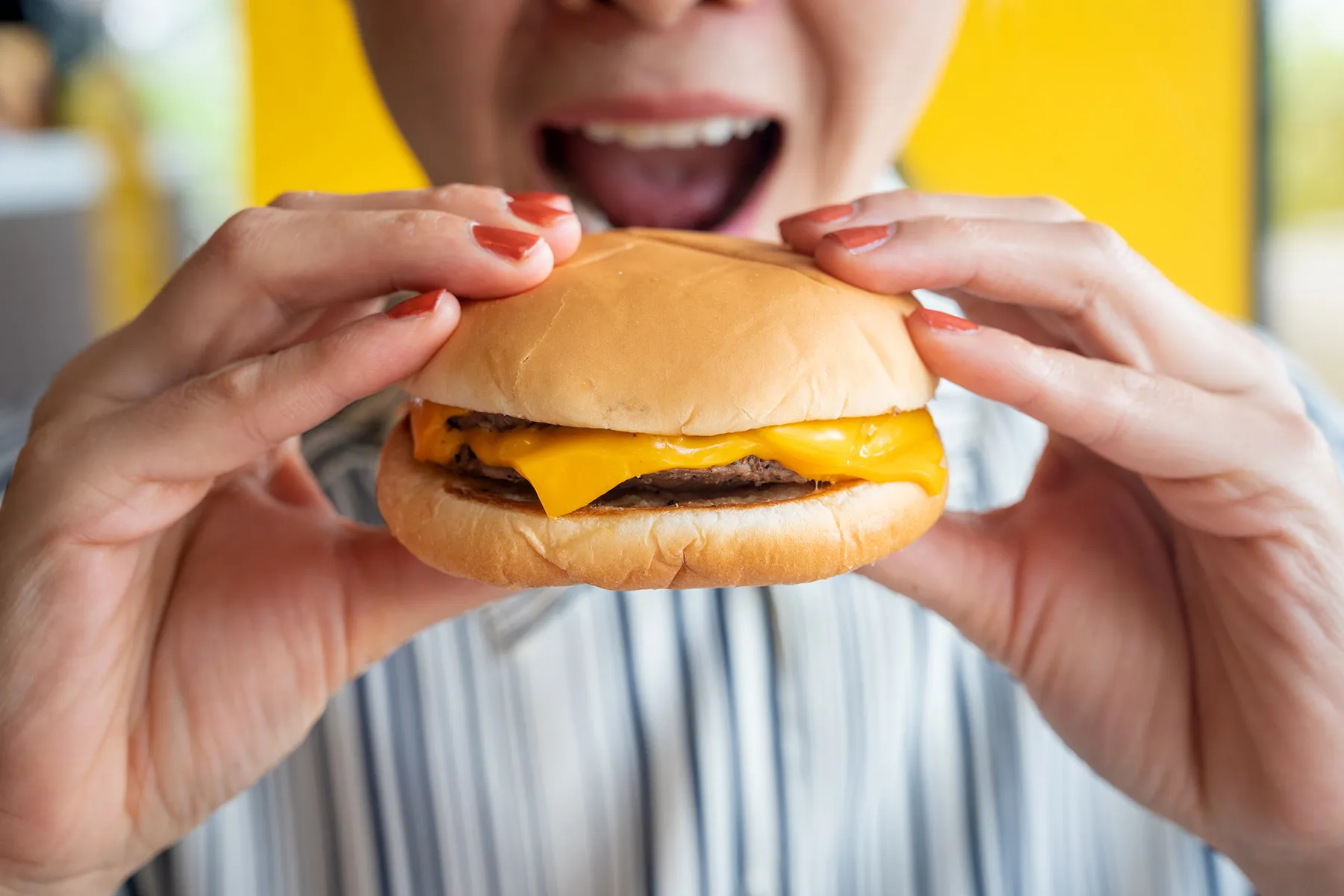

Fast food is the culinary equivalent of a tiny magician: it appears quickly, smells amazing, and somehow makes your fries disappear before you even leave the parking lot. It is convenient, affordable, predictable, and often exactly what your tired brain wants after a long day. But while the occasional burger, taco, fried chicken sandwich, or drive-thru breakfast will not ruin your life, eating fast food too often can quietly affect nearly every major system in your body.
The issue is not that fast food is “evil.” Food does not wear a villain cape. The real problem is that many fast food meals are built around a powerful trio: high sodium, refined carbohydrates, and added fats or sugars. Add oversized portions, sugary drinks, creamy sauces, fried sides, and low fiber into the mix, and your body has to work harder than a cashier during lunch rush.
Below are 13 things fast food can do to your body, explained in plain English, with practical examples and zero scare tactics. Think of this as a friendly health check, not a lecture from someone chewing kale at you.
1. It Can Spike Your Blood Sugar
Many fast food meals are rich in refined carbohydrates: white buns, fries, breaded chicken, pizza crust, tortillas, biscuits, hash browns, and sugary drinks. These foods digest quickly and can send glucose into your bloodstream faster than your phone battery drops on 1%.
When blood sugar rises, your pancreas releases insulin to help move that sugar into your cells. Once in a while, your body can handle this. But when high-sugar, low-fiber meals become routine, your blood sugar may swing up and down more often, leaving you tired, hungry again soon, or craving more quick energy.
Example
A cheeseburger with fries and a large soda may combine refined starch, added sugar, and very little fiber. Swapping the soda for water and choosing a smaller fry can reduce the sugar load without requiring you to eat a salad while crying.
2. It May Increase Insulin Resistance Over Time
Frequent blood sugar spikes may contribute to insulin resistance, a condition where the body does not respond to insulin as efficiently. When this happens, the pancreas has to produce more insulin to keep blood sugar in a normal range. Over time, insulin resistance can raise the risk of prediabetes and type 2 diabetes.
Fast food does not cause diabetes overnight. However, a long-term pattern of high-calorie meals, sugary drinks, weight gain, and low physical activity can create the perfect storm. Your body is smart, but even smart systems get tired when every meal is a high-speed emergency.
3. It Can Raise Blood Pressure
Sodium is one of fast food’s favorite party tricks. It makes food taste bold, craveable, and “just one more bite” good. But too much sodium can cause the body to hold onto extra fluid, which may raise blood pressure. Higher blood pressure puts added stress on the heart, arteries, kidneys, and brain.
Fast food sodium can sneak in from places you might not expect: buns, cheese, sauces, bacon, pickles, fried chicken coating, deli-style meats, soups, breakfast sandwiches, and even “lighter” items. A meal does not need to taste aggressively salty to contain a large amount of sodium.
Smart move
Ask for sauces and dressings on the side, skip extra cheese or bacon, and avoid making fries plus a salty sandwich plus a soda your default combo. Your blood vessels will not send you a thank-you card, but they would if they could.
4. It Can Increase Bloating and Water Retention
Ever eat fast food and feel like your jeans suddenly entered a committed relationship with your waist? That puffy, tight, swollen feeling often comes from sodium, refined carbs, and carbonated drinks. Sodium encourages water retention, while large portions and fizzy beverages can add gas and pressure in the digestive tract.
Bloating is usually temporary, but it can be uncomfortable. If you are sensitive to salt, fried foods, or dairy-heavy meals, the after-meal bloat can feel dramatic enough to make you question every life choice since breakfast.
5. It Can Push Calories Higher Than You Realize
Fast food is designed to be easy to eat quickly. That can make calories add up before your fullness signals have even finished loading. A burger alone may be moderate. But add large fries, a creamy dip, a milkshake, and a dessert, and suddenly one meal can approach or exceed a large share of your daily energy needs.
Calories are not bad; your body needs them. The issue is calorie density. Fried foods, cheese, mayonnaise-based sauces, sugary drinks, and desserts pack a lot of energy into small, easy-to-eat portions. You may feel full for a while, but not always nourished.
6. It Can Contribute to Weight Gain
Weight gain usually happens when calorie intake regularly exceeds calorie use. Because fast food is often calorie-dense and low in fiber, it can make that surplus easier to reach. Large portions, “value meals,” refills, and combo upgrades may look like a bargain for your wallet, but your metabolism still reads the receipt.
Ultra-processed foods may also encourage overeating because they are soft, salty, sweet, fatty, and engineered for maximum convenience. They are easy to chew, easy to swallow, and easy to keep eating even after your stomach has politely suggested, “We’re good.”
7. It Can Affect Your Cholesterol Levels
Many fast food items contain saturated fat from cheese, butter, cream-based sauces, processed meats, beef, and fried foods. Eating too much saturated fat over time can raise LDL cholesterol, often called “bad” cholesterol. Higher LDL cholesterol can contribute to plaque buildup in arteries, increasing cardiovascular risk.
This does not mean you can never eat a burger. It means your overall pattern matters. If fast food is a frequent habit, choose grilled items more often, go easy on cheese and creamy sauces, and balance the rest of the day with foods rich in fiber, such as beans, oats, vegetables, fruit, and whole grains.
8. It May Increase Inflammation
A diet high in ultra-processed foods, added sugars, refined grains, and unhealthy fats may promote chronic low-grade inflammation. Inflammation is part of the body’s natural defense system, but when it stays switched on too often, it can contribute to long-term health problems.
Fast food meals that are low in antioxidants and high in fried ingredients may leave your body with fewer protective nutrients. In simple terms, your cells prefer a steady supply of colorful plant foods, healthy fats, lean proteins, and fiber. They are less thrilled when dinner is beige, fried, and served in a paper bag three nights in a row.
9. It Can Disrupt Digestive Health
Fiber is the unsung hero of digestion. It helps support regular bowel movements, feeds beneficial gut bacteria, and slows the absorption of sugar. Many fast food meals are low in fiber because they rely heavily on refined grains, meat, cheese, fried potatoes, and sugary drinks.
Low-fiber eating can contribute to constipation and may reduce the diversity of your gut microbiome. Your gut bacteria enjoy variety. Give them vegetables, beans, fruit, whole grains, nuts, and seeds, and they behave like a well-managed community garden. Give them only fries and soda, and the garden starts looking suspicious.
10. It Can Leave You Feeling Tired
Fast food can provide quick energy, but it may not provide lasting energy. A meal high in refined carbs and low in fiber can cause a rise in blood sugar followed by a dip. Add a large portion of fried food, and digestion may feel heavy and slow.
This is why a fast food lunch can sometimes lead to the famous afternoon slump: heavy eyelids, foggy focus, and the desire to become furniture. Choosing protein, water, and a smaller portion of fried sides may help reduce that crash.
11. It Can Affect Your Teeth
Sugary drinks, milkshakes, sweet teas, desserts, and sticky sauces can feed bacteria in the mouth. Those bacteria produce acids that weaken tooth enamel and increase the risk of cavities. Refined starches, such as buns and fries, can also break down into sugars and stick around the teeth.
The biggest troublemaker is frequency. Sipping soda for hours gives mouth bacteria repeated sugar parties. Drinking water, limiting sugary beverages, and brushing regularly can help protect your teeth from becoming the most expensive part of your fast food habit.
12. It May Crowd Out Important Nutrients
Fast food often delivers plenty of calories but fewer vitamins, minerals, antioxidants, and fiber than a meal built from whole foods. When it becomes a regular replacement for fruits, vegetables, legumes, whole grains, seafood, nuts, and lean proteins, nutrient gaps can appear.
Your body needs potassium, magnesium, calcium, iron, vitamin D, folate, and many other nutrients to function well. A meal of fried chicken, fries, and soda may be tasty, but it is not exactly a multivitamin with a side of fries. Over time, the foods you do not eat matter just as much as the foods you do.
13. It Can Train Your Cravings
Fast food is built to be rewarding. Salt, fat, sugar, crunch, softness, aroma, and convenience all work together to make you want it again. That does not mean you are weak. It means food companies understand flavor science very well.
The more often you eat highly rewarding foods, the more ordinary meals may seem boring by comparison. A simple baked potato may not compete with seasoned fries at first. But taste buds adapt. When you eat more whole foods consistently, natural flavors become more satisfying again. Your tongue can, in fact, be retrained. It is dramatic, but not impossible.
How to Make Fast Food Less Rough on Your Body
You do not have to quit fast food forever to improve your health. The goal is to make better choices more often. Small changes can reduce sodium, added sugar, saturated fat, and excess calories while still letting you enjoy convenience when life gets chaotic.
Choose smaller portions
Order a regular burger instead of a double or triple. Choose small fries instead of large. Skip the automatic combo if you only wanted the sandwich in the first place.
Swap sugary drinks
Water, unsweetened iced tea, sparkling water, or diet drinks can reduce added sugar. If you love soda, choose a smaller size and drink it with the meal instead of sipping it all afternoon.
Go grilled when possible
Grilled chicken, roasted options, bean bowls, and salads with lean protein can be lighter than fried sandwiches. Watch the dressing, crispy toppings, and creamy sauces, because salads can go from “healthy” to “nachos wearing lettuce” very quickly.
Add produce
Look for meals with lettuce, tomato, salsa, beans, fruit cups, side salads, or vegetable toppings. More produce means more fiber, potassium, and antioxidants.
Use sauces wisely
Ask for sauces on the side. Dipping gives you control, while drowning a sandwich in sauce gives the sodium and sugar committee full authority.
Real-Life Experiences: What Fast Food Feels Like in Everyday Life
Most people do not think about sodium, insulin, or fiber when they pull into a drive-thru. They think, “I’m hungry, I’m tired, and this line is shorter than cooking dinner.” That is normal. Fast food fits modern life because modern life often feels like a group project where everyone forgot their part.
One common experience is the “post-fast-food fog.” You eat a large burger, fries, and soda at lunch, and for the first 20 minutes, everything feels great. The salt hits. The crunch delivers. The soda is cold. You are basically the main character. Then, an hour later, your energy drops. Work feels slower. Your stomach feels heavy. You may want coffee, something sweet, or a nap under your desk. This is not moral failure; it is biology meeting a calorie-dense, low-fiber meal.
Another familiar experience is fast food becoming a routine rather than a choice. Maybe it starts with one late night. Then it becomes every Friday. Then it becomes “I deserve this” on stressful days, busy days, rainy days, and days when the fridge contains only mustard and emotional disappointment. Habits form because fast food solves immediate problems: hunger, time pressure, decision fatigue, and comfort. The challenge is that it may create slower problems later, such as weight gain, high blood pressure, digestive discomfort, or constant cravings.
People also notice that fast food can change appetite expectations. After eating highly seasoned, crispy, saucy meals often, homemade food may taste plain. A bowl of rice, chicken, and vegetables might seem boring next to spicy fried chicken with ranch and fries. But this can improve. When people gradually reduce fast food and add more home-cooked meals, their taste buds often adjust. Suddenly, roasted vegetables taste sweeter. Fruit tastes more satisfying. A simple sandwich does not feel like punishment.
There is also the social side. Fast food is part of road trips, after-school memories, late-night hangouts, quick work lunches, and family treats. That matters. A healthy relationship with food does not require pretending fries are not delicious. It means knowing when fast food is a treat, when it is a habit, and when it is replacing the foods your body needs most.
A realistic approach works better than perfection. If you eat fast food three or four times a week, start by reducing it to one or two. If you always order a large combo, try a smaller meal. If soda is automatic, switch to water half the time. If you crave fries, enjoy them, but pair them with grilled protein instead of adding every extra item on the menu. Small changes repeated consistently can do more for your body than one dramatic health makeover that lasts until Wednesday.
The best experience is not “never eat fast food again.” It is eating it intentionally. You choose what you actually enjoy, skip what you order out of habit, and balance the rest of your meals with fiber-rich, nutrient-dense foods. That way, fast food becomes one part of your life, not the manager of your blood sugar, blood pressure, digestion, and cravings.
Conclusion
Fast food is convenient, tasty, and sometimes exactly what the day demands. But when it becomes a regular pattern, it can affect your body in many ways: higher blood sugar, increased blood pressure, bloating, weight gain, cholesterol changes, digestive issues, tooth decay, cravings, and lower nutrient intake.
The good news is that you do not need to be perfect. You just need to be aware. Choose smaller portions, drink less sugar, watch sodium-heavy extras, add produce when possible, and make fast food an occasional convenience rather than your default fuel source. Your body is not asking for perfection. It is asking not to be treated like a trash can with Wi-Fi.