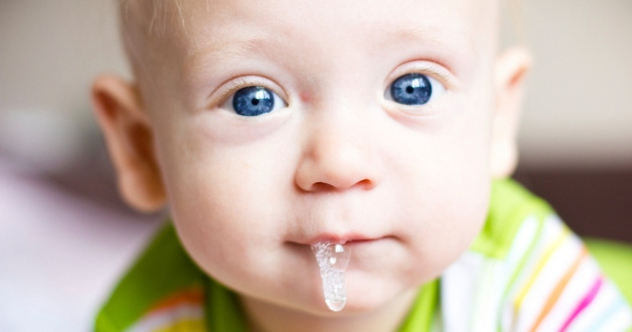

Saliva rarely gets invited into polite conversation. We call it spit, blame it for pillow stains, and notice it mainly when a dentist asks us to swallow. Yet this clear, slippery fluid operates a remarkably advanced laboratory inside your mouth. It launches digestion, helps you taste food, protects tooth enamel, controls microbes, lubricates speech, supports wound healing, and carries biological clues that can be used in medical and genetic testing.
Saliva is not simply flavored water with terrible public relations. Its chemistry changes with meals, stress, sleep, hydration, medication, and illness. These bizarre saliva facts reveal just how much work your mouth performs without making a fuss about it.
1. You Can Produce More Than a Liter of Saliva Every Day
Most healthy adults produce approximately 0.5 to 1.5 liters of saliva daily. That is roughly 2 to more than 6 cups of spit every 24 hours. Fortunately, you swallow most of it automatically, so your day does not feel like an endless saliva-management project.
Your mouth has an elaborate plumbing system
Three pairs of major salivary glands perform most of the work. The parotid glands sit near the ears, the submandibular glands are beneath the jaw, and the sublingual glands are under the tongue. Hundreds of smaller glands scattered through the lips, cheeks, palate, mouth, and throat provide additional moisture.
Production rises when you chew, smell food, eat something sour, or merely imagine a delicious meal. It falls significantly during sleep. Your salivary system is less like a dripping faucet and more like a smart sprinkler controlled by your nervous system.
2. Saliva Is 99% Water, but the Other 1% Is Extremely Busy
Although saliva is about 99% water, its remaining ingredients turn it into a biological multitool. That small fraction contains electrolytes, enzymes, proteins, minerals, antibodies, mucins, antimicrobial peptides, white blood cells, and shed cells from the lining of your mouth.
More than 1,000 proteins have been identified
Mucins create saliva’s slippery texture and protect oral tissues from friction. Bicarbonate and phosphate help control acidity. Calcium and phosphate support tooth enamel. Secretory immunoglobulin A, lysozyme, lactoferrin, peroxidase, and defensins help manage microorganisms.
The recipe is not fixed. Hydration, medication, gland health, stress, food, and time of day can change the amount and consistency of saliva. Stress may make it feel thicker, while relaxed “rest-and-digest” activity generally produces a more watery flow. Spit is surprisingly responsive for something nobody wants to discuss at dinner.
3. Digestion Starts Before Food Reaches Your Stomach
Your stomach receives most of the digestive publicity, but saliva begins processing food while you are still chewing. Salivary amylase starts breaking starch into smaller carbohydrates. At the same time, saliva moistens food and helps form it into a soft mass called a bolus, which is easier to swallow.
Try the plain-cracker experiment
Chew an unsweetened cracker slowly and hold it in your mouth. After several seconds, it may begin to taste slightly sweet. The cracker has not magically transformed into a cookie. Amylase is breaking some of its starch into smaller molecules.
Saliva does not complete digestion, but it makes the opening stage far more efficient. Without enough of it, bread, crackers, and other dry foods may become difficult to chew or swallow. Eating would feel less like a smooth process and more like trying to push sawdust through a mail slot.
4. You Need Saliva to Taste Food Properly
Taste buds cannot efficiently examine flavor molecules trapped inside dry food. Saliva dissolves those molecules and carries them to taste receptors on the tongue and in other parts of the mouth and throat.
Flavor is a group project
What people describe as taste also depends on smell, temperature, texture, and irritation from substances such as chili pepper. Saliva supports the whole experience by wetting food, spreading dissolved compounds, and helping create textures the brain recognizes as creamy, crisp, juicy, or chalky.
This is one reason persistent dry mouth can make food taste weak, bitter, metallic, or simply wrong. It can also interfere with speaking, chewing, swallowing, and nutritional enjoyment. A dry cookie becoming more flavorful after a few chews is not your imagination. Your saliva has finally delivered the evidence to your taste receptors.
5. Saliva Operates a Tiny Dental Repair Service
When oral bacteria process sugar, or when you drink something acidic, minerals can begin leaving the surface of tooth enamel. Saliva responds by diluting acids, clearing food particles, buffering oral pH, and supplying calcium and phosphate that support remineralization.
It performs maintenance, not miracles
Saliva can help reverse very early microscopic mineral loss, particularly when fluoride is present. It cannot fill an established cavity, rebuild a broken tooth, or replace professional dental treatment. Think of it as a maintenance crew fixing small cracks, not contractors rebuilding a collapsed bridge.
Chewing sugar-free gum can temporarily increase salivary flow. The extra saliva helps clear acids and brings more buffering compounds and minerals into the mouth. Gum is not a substitute for brushing, cleaning between teeth, fluoride, or dental visits, but it can recruit more of your natural defense system.
6. Saliva Helps Minor Mouth Wounds Heal Quickly
A bitten cheek can feel enormous to your tongue during lunch and become far less dramatic within a few days. Oral tissues often heal faster and with less visible scarring than skin, and saliva appears to be one reason.
Saliva contains wound-healing molecules
Growth factors and bioactive proteins in saliva help support tissue repair. Histatins, a family of salivary peptides, have attracted particular scientific interest because they can promote cell movement and wound closure in laboratory research.
However, this does not mean licking an external cut is good first aid. Human saliva also contains a large community of bacteria. Applying it to damaged skin may introduce microorganisms rather than provide safe treatment.
The bizarre fact is not that spit should replace a first-aid kit. It is that a fluid commonly considered disgusting contains molecules interesting enough to inspire research into regenerative medicine and future wound-healing therapies.
7. Your Spit Is an Immune-System Outpost
Your mouth contains a dense community of bacteria, fungi, viruses, and other microorganisms. Saliva does not sterilize this ecosystem. Instead, it helps keep the population balanced through constant rinsing, swallowing, lubrication, and immune activity.
Its defenses use several tactics
Some salivary compounds damage microbial membranes. Others bind nutrients that microbes require, interfere with their ability to attach to surfaces, or help the immune system identify unwanted visitors. Mucins trap particles and create a protective layer over oral tissues.
When salivary production falls, the balance may change. The risks of cavities, fungal infections, gum problems, bad breath, and oral discomfort can rise. That is why dry mouth caused by medication, autoimmune disease, dehydration, or cancer treatment can become a meaningful health problem rather than a minor inconvenience.
Your mouth is not sterile, but saliva helps prevent it from turning into a microbial music festival with no security staff.
8. Saliva Carries DNA and Other Medical Clues
A saliva sample contains more than liquid. It may include human epithelial cells, white blood cells, microbial material, hormones, antibodies, proteins, nucleic acids, and other biomarkers.
You can spit biological information into a tube
DNA recovered from saliva largely comes from cells present in the sample. Certain genetic and pharmacogenomic tests therefore use saliva, blood, or cheek-swab samples to identify genetic variants, including variants that may affect medication response.
Saliva is also used in selected infection tests, hormone measurements, drug tests, and medical research. Collection can be painless, inexpensive, repeatable, and easier than drawing blood.
There is an important limitation: salivary samples are highly variable. Food, collection technique, time of day, storage conditions, contamination, and flow rate can influence results. A molecule discovered in saliva is not automatically a clinically reliable test. Spit may offer a window into health, but it is not a crystal ball.
9. Saliva Follows a Daily Schedule
Salivary flow and parts of its chemical composition follow circadian patterns. Production generally drops considerably during sleep, when you are not eating, chewing, speaking, or dreaming about pizza.
Morning mouth is partly a nighttime maintenance issue
With less saliva circulating, bacteria, food residue, and odor-producing compounds are cleared less actively. Mouth breathing can make the dryness worse. The result may be sticky tissues, a coated tongue, unpleasant breath, and the realization that romance has operating hours.
Drooling on a pillow does not necessarily mean your glands produced an extraordinary amount of saliva. Sleeping position, nasal congestion, open-mouth breathing, or difficulty keeping and swallowing saliva may contribute.
Persistent severe drooling, choking, unexplained dry mouth, or sudden changes in swallowing should be evaluated, particularly when accompanied by neurological symptoms or unintended weight loss.
10. Your Mouth May Flood Before You Vomit
Increased salivation can be an early sign of nausea or motion sickness. Before vomiting, the autonomic nervous system may stimulate the salivary glands. The extra fluid helps dilute stomach acid and reduce its contact with teeth and oral tissues.
Your mouth deploys a chemical raincoat
The same automatic system responds to food cues. Imagine biting into a cold lemon wedge. Many people begin salivating before anything touches their tongue because memory, expectation, sight, and smell can activate salivary reflexes. Sour food then produces an even stronger response because additional saliva helps dilute acid.
Stress can create the opposite experience. Saliva may feel thick, and the mouth may become dry during anxiety or public speaking. Saliva therefore acts as a surprisingly visible signal of hidden body states, including hunger, nausea, fear, relaxation, dehydration, and sleepall without sending a notification.
Everyday Experiences That Reveal Saliva’s Hidden Work
You do not need laboratory equipment to observe saliva in action. Several familiar experiences offer safe, vivid examples of its functions. These observations are not diagnostic tests, but they make the science much easier to appreciate.
The “Think About a Lemon” Experience
Picture a fresh lemon sliced open, with juice shining across its surface. Imagine biting directly into it. For many people, saliva begins collecting almost immediately. No lemon has entered the mouth, yet the brain has predicted acid and started preparing for it.
The same response can occur when you smell bread, hear food sizzling, look at a favorite meal, or walk past a restaurant while hungry. The expression “mouthwatering” is not merely colorful language. It describes an automatic nervous-system response shaped by memory, expectation, and sensory cues.
The Slow-Cracker Surprise
Place a plain cracker in your mouth and chew slowly. At first, it may taste dry, salty, or nearly neutral. As chewing continues, it becomes softer and may develop a faint sweetness. Saliva is moistening the food while amylase begins processing the starch.
This simple snack also demonstrates lubrication. Without enough saliva, the cracker may cling to tissues and become difficult to swallow. People with persistent dry mouth often find dry bread, crackers, or meat more manageable when accompanied by sauces, soups, or small sips of water.
The Public-Speaking Desert
Many people have approached a microphone and discovered that their tongue suddenly feels covered in carpet. Stress can change salivary secretion, creating dryness or thicker-feeling saliva. Speech becomes more difficult because the lips, tongue, cheeks, and throat depend on lubrication.
A sip of water may offer temporary relief, but frequent dry mouth can also be associated with dehydration, medication effects, gland disorders, or illness. The experience demonstrates that saliva supports communication just as much as it supports eating.
The Morning-Breath Reality Check
After several hours of sleep, the mouth often feels less fresh than it did at bedtime. Salivary flow falls overnight, leaving less fluid available to wash away debris, neutralize acids, and clear odor-producing compounds. Mouth breathing and nasal congestion may increase the effect.
Brushing the teeth and tongue, cleaning between teeth, staying hydrated, and addressing chronic oral or nasal problems can help. Morning breath is not proof that someone has failed morally before breakfast. It is partly the predictable result of the mouth’s biological night shift.
The Cheek-Bite Recovery
Accidentally biting the inside of your cheek creates a sore spot that often feels far larger to the tongue than it actually is. In many cases, the injury improves surprisingly quickly. Saliva keeps the tissue moist and supplies proteins involved in repair, while the mouth’s rich blood supply and specialized tissues also support healing.
This does not mean every oral sore should be ignored. A wound that repeatedly returns, becomes infected, causes severe pain, or does not improve within roughly two weeks should be examined by a dentist or healthcare professional. Minor injuries can be ordinary; persistent ones deserve attention.
Conclusion: Spit Is Stranger Than It Looks
Saliva is easy to mock because it is messy, ordinary, and constantly present. Biologically, however, it is a remarkable fluid. A network of major and minor glands produces it. The nervous system adjusts it. Its enzymes begin digestion, its moisture enables taste, its minerals support enamel, and its proteins help protect oral tissues.
The strongest evidence of its importance often appears when there is too little or too much. Persistent dry mouth can affect speech, taste, sleep, eating, dental health, and infection risk. Chronic excess saliva may be connected to nausea, reflux, medication effects, swallowing difficulties, or other medical conditions.
So the next time you swallow without thinking, survive a dry cracker, recover from a bitten cheek, or salivate at the thought of a lemon, give your least glamorous body fluid some credit. It has been multitasking all day and, unlike most office group chats, has accomplished quite a lot.
Note: This article is intended for general educational purposes and is not a substitute for diagnosis, treatment, or personalized advice from a dentist or healthcare professional.