
There are few kitchen tools more humbling than a can opener. It lives in a drawer for months acting innocent, then suddenly comes out swinging when you just want beans for chili or tomatoes for pasta. The handles pinch, the lid bends, the metal squeaks like it is narrating your failure, and somehow you still end up wrestling a jagged little circle of doom over the sink.
Here is the twist: in many cases, you are not bad at using a can opener. You may simply be using the wrong technique for the kind of opener in your hand. Even worse, a lot of people use one style of can opener the way they learned as kids and never realize that modern “smooth edge” or “safety” models are designed to work differently. So yes, there is a decent chance you have been using your can opener wrong this whole time.
The good news is that this is one of the easiest kitchen upgrades you can make, and it costs exactly zero dollars if you already own the right opener. Once you understand the difference between a classic top-cut opener and a side-cut can opener, the whole experience gets cleaner, safer, and far less dramatic. Your soup can opens. Your fingers remain un-sliced. Everyone wins.
The Big Mistake Most People Make
Most of us grew up using a classic manual can opener. You clamp it onto the top of the can, puncture the lid just inside the rim, and crank your way around. It works, and for decades it was the standard. But when people switch to a smooth-edge can opener, many of them keep trying to use it the exact same way. That is where the trouble starts.
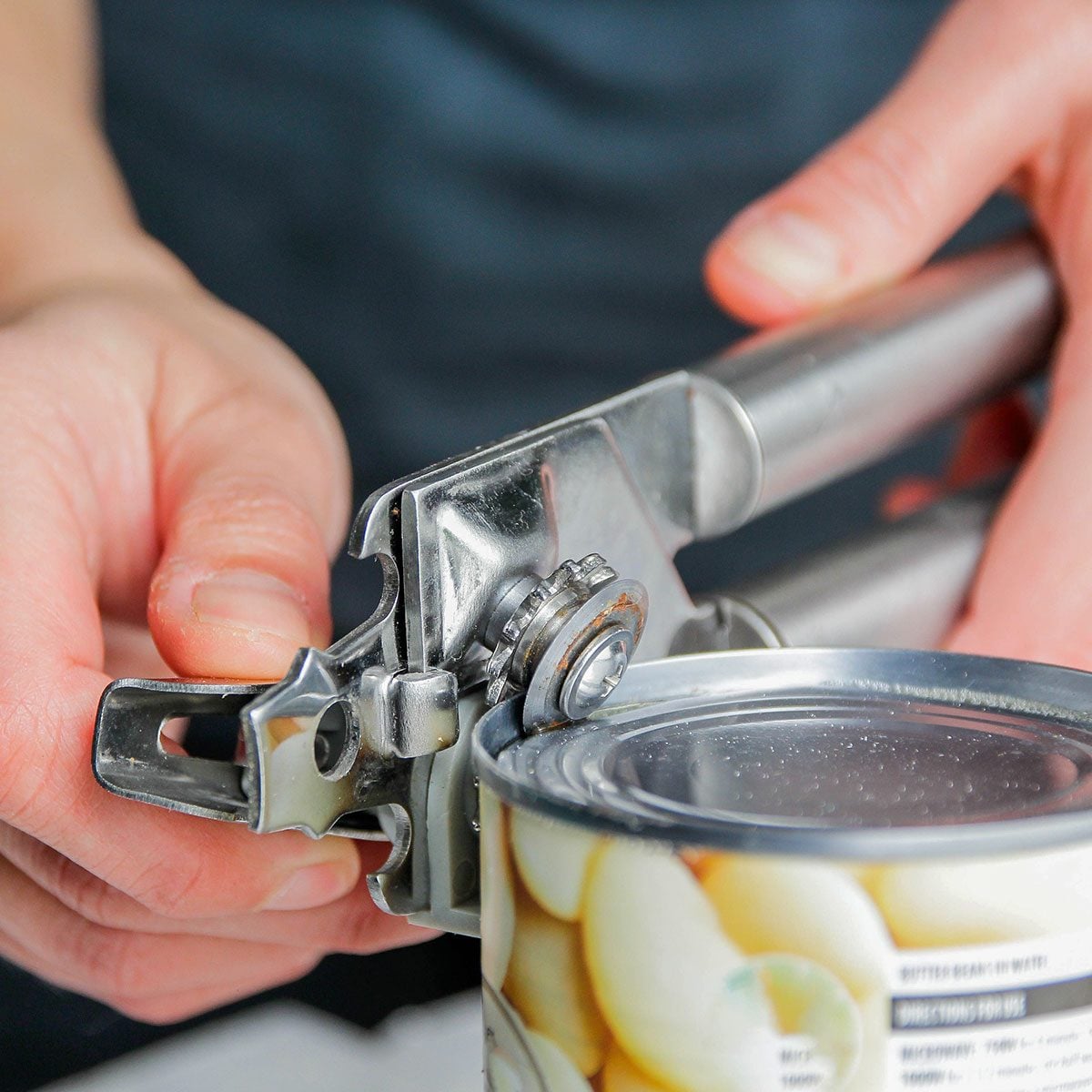
A smooth-edge opener is not meant to bite down into the flat metal lid from above. Instead, it is designed to grip the outer rim of the can and cut around the side seam. In other words, it often sits more horizontally than people expect. If you keep forcing it into the old top-cut position, the opener feels awkward, refuses to catch, and makes you question your entire kitchen identity.
That is the “aha” moment behind this whole topic. The tool may not be defective. The user may not be cursed. The opener may simply be waiting for you to stop treating it like its older cousin from 1987.
What Actually Changes When You Use It the Right Way?
When a side-cut can opener is used correctly, it cuts along the outside edge of the lid rather than punching through the top panel. That small difference changes a lot.
First, the lid edge is usually much smoother. That means fewer sharp-metal jump scares and less chance of nicking your finger while prying the lid loose like you are defusing a tiny pantry bomb. Second, many smooth-edge models do not drag the cutting wheel directly through the food, which can make the opener feel cleaner and less grimy after use. Third, some of these openers remove the top in a way that lets the lid sit back on the can loosely, which can be surprisingly handy when you want to cover leftovers for a short trip to the refrigerator.
That said, the old-school top-cut method is not completely useless. In fact, it still has one practical advantage: it can be easier for draining liquid from cans like tuna, corn, or diced tomatoes because the lid stays tucked just inside the rim. So no, the classic can opener did not suddenly become a villain. It is just not always the best tool for the safest and cleanest opening experience.
How to Use a Smooth-Edge Can Opener Correctly
If you suspect your can opener is the side-cut variety, here is the right way to use it without turning dinner prep into a trust exercise.
- Set the can on a flat, stable surface. Do not try to balance it in one hand like a game show contestant.
- Position the opener at the outer edge of the lid. The opener should grip the rim, not stab down through the top center area.
- Clamp the opener onto the can. Make sure it catches securely before you start turning.
- Turn the knob steadily. Do not rush it. If it slips immediately, stop and reposition instead of angrily cranking harder.
- Go all the way around until you feel the cut release. Many people stop too early and then blame the opener.
- Lift the lid using the built-in pliers, clamp, or your opener’s release feature. Avoid using your bare fingertips if you are not sure how smooth the edge really is.
The first time you do this, it may feel strange. That is normal. Side-cut openers often come with a brief learning curve, mostly because they do not look like they are doing anything useful until suddenly the lid pops free and you realize the can opener has been smarter than you all along.
Not All Can Openers Are Playing the Same Game
Classic Top-Cut Manual Can Openers
These are the familiar hand-crank models found in a million kitchen drawers. They puncture the lid from above, cut through the metal just inside the rim, and are often affordable, sturdy, and easy to replace. They also tend to leave sharper edges and require more careful cleaning because the cutting wheel comes into closer contact with the lid and, sometimes, residue from the can.
Smooth-Edge or Safety Can Openers
These are the models behind the “you’ve been doing it wrong” revelation. They cut around the outside seam, usually leaving a smoother rim and a lid that lifts more neatly. They are popular with people who want a cleaner-feeling tool and less risk from sharp edges. The only catch is that they can look confusing at first if you expect them to behave like a standard opener.
Electric Can Openers
Electric models are not just for retro countertops and sitcom kitchens. They can be genuinely helpful for anyone with arthritis, reduced grip strength, hand pain, or limited dexterity. Many electric openers are easy to align, require less force, and can handle multiple cans quickly when you are cooking for a crowd. If opening cans feels like a wrist workout you did not sign up for, an electric option may be less of a luxury and more of a sanity-saving device.
Five Signs Your Can Opener Is the Problem, Not You
- It slips off the rim repeatedly. That can mean the cutting parts are worn, dull, or simply not aligned well.
- It leaves shredded or jagged metal behind. That is a bad sign for both ease of use and safety.
- It squeaks, sticks, or needs superhero-level force. A can opener should not feel like gym equipment.
- It has visible rust or crusty buildup. That is not “seasoning.” That is neglect.
- It works on some cans but fails randomly on others. Inconsistent performance often means the mechanism is tired, dirty, or both.
Sometimes the answer is not better technique. Sometimes the answer is admitting your can opener retired years ago and has just been too polite to tell you.
The Kitchen Habits Almost Nobody Talks About
Wash the Top of the Can Before Opening It
This sounds fussy until you remember where cans have been. Factories. Trucks. Warehouses. Grocery shelves. Your pantry. Maybe the back of a cabinet beside a bag of flour from the previous decade. The top of a can is not exactly a sterile operating table. Giving it a quick rinse or wipe before opening is a simple food-safety habit that makes good sense, especially for anything you are pouring directly into a pot or bowl.
Clean the Can Opener After Use
People clean knives, cutting boards, and pans religiously, then toss a can opener back into the drawer as if it is spiritually self-sanitizing. It is not. Manual can openers should be washed with hot, soapy water and dried thoroughly. Electric models need the exterior wiped down, with careful attention to blades or magnets according to the manufacturer’s instructions. If your opener touches food residue, lid grime, or your hands after handling raw ingredients, it deserves actual cleaning, not just vibes.
Dry It Immediately
Metal tools and lingering moisture are not best friends. If you wash a can opener and let it stay damp, rust gets invited to dinner. Drying it right away helps preserve the cutting parts and keeps the whole tool working smoothly longer.
Do Not Ignore Dullness
A dull can opener is more than annoying. It can create messy cuts, slip unexpectedly, and make the whole process harder than it needs to be. In foodservice settings, sharp opener parts matter because they help reduce the chance of contamination from poorly functioning equipment. In a home kitchen, the same logic still applies: tools that work cleanly are usually safer and easier to manage.
Can Safety Still Matters After the Opener Comes Out
Even a perfect can opener cannot rescue a bad can. If the can is bulging, leaking, badly rusted, or deeply dented at the seam, it is not worth the risk. A can with a major dent on the rim or side seam can have a compromised seal, and that is not a situation where optimism should lead the meal plan.
In practical terms, check the can before you open it. If the lid is swollen, if liquid is leaking, or if there is a deep dent that affects the seam, toss it. The pantry is not the place for heroic decision-making.
Common Myths About Can Openers
“Any can opener can be used sideways.”
Nope. A classic top-cut opener and a smooth-edge opener are different tools. Trying to force one to behave like the other is how you end up muttering in front of a can of chickpeas.
“If the edge looks smooth, I never have to be careful.”
Safer does not mean magical. Smooth-edge lids are generally less sharp, but “less sharp” is still not the same as “please juggle this with confidence.”
“If it still opens cans, it is fine.”
That is like saying a windshield wiper is fine because technically some water moved. Performance matters. Clean cuts, stable grip, and proper hygiene matter too.
“Cleaning a can opener is overkill.”
Not when the tool touches the top of food containers and lives in a drawer with everything else. A dirty can opener is one of those tiny kitchen oversights that sounds harmless until you think about it for five seconds.
Real-World Examples Where the Right Technique Helps
Opening canned tomatoes for pasta sauce: A smooth-edge opener can make the lid easier to remove cleanly, which is nice when you are already dodging tomato splatter like it is a contact sport.
Opening tuna or corn: A classic top-cut opener may still be the better choice if you like pressing the lid down to drain liquid quickly without grabbing a strainer.
Opening coconut milk or pumpkin puree: A sturdy, well-aligned opener matters here because thicker contents and slightly tougher cans can expose a weak tool fast.
Cooking with hand pain or wrist strain: This is where electric can openers shine. They reduce repetitive force and can turn a frustrating task into a button press instead of a mini wrestling match.
What This Looks Like in Real Life: Everyday Experiences With the “Wrong” Can Opener Method
In real kitchens, the can opener problem usually does not announce itself dramatically. It sneaks in through little annoyances. You open a can of soup and the lid falls halfway in. You make chili and spend more time fighting with kidney beans than browning the meat. You crack open tuna and somehow end up with fish water on your sleeve, on the counter, and possibly in a different time zone. These are the tiny everyday moments that convince people can openers are just awkward by nature.
Then someone shows them the sideways method on a smooth-edge opener, and the reaction is usually the same: first confusion, then suspicion, then a deeply offended silence as they realize this kitchen tool has had a second setting the whole time. Many people say the biggest surprise is not that the can opens differently. It is that the process feels calmer. There is less crunching, less bending, less “should it be making that noise?” and a lot less finger choreography around a sharp lid.
Another common experience is the cleanup difference. With a traditional top-cut opener, people often notice residue building up where the blade contacts the can. Over time, the opener starts to look tired, even when the rest of the kitchen is clean. By contrast, many users of smooth-edge openers say the tool simply feels less grubby after repeated use. That does not mean it never needs cleaning, but it does mean the opener can feel less gross between washes, which is a surprisingly big quality-of-life improvement for something that spends most of its life in a drawer.
There is also the confidence factor. Plenty of home cooks are not afraid of knives, box graters, or cast-iron pans, yet still feel irrationally cautious around can lids. And honestly, that caution is not irrational. A badly cut lid is thin, sharp, and eager to remind you that dinner came with consequences. People who switch to a safer can opener often talk about how much they like not having to pry, wiggle, or pinch the lid free with surgical concentration.
For older adults, people with arthritis, or anyone dealing with hand fatigue, the experience can be even more dramatic. What used to feel like a stubborn, painful task becomes manageable once the opener requires less grip strength or fewer awkward wrist movements. That can make a real difference in how independent and comfortable cooking feels day to day. A kitchen tool may be small, but the frustration it removes is not.
And then there is the emotional experience, which is honestly half the story. The can opener is one of those household tools people think they should already know how to use. So when it fights back, they blame themselves. They assume they are weak, clumsy, distracted, or somehow incompatible with canned beans. Learning that the issue was the technique all along is oddly satisfying. It is not just a kitchen tip. It is a tiny restoration of dignity. You were not failing. You were just using a side-cut opener like a top-cut opener and getting roasted by pantry physics.
Final Thoughts
So, have you been using your can opener wrong this whole time? Maybe. But the better answer is this: you were probably using one type of can opener with instructions borrowed from another. Once you know the difference, the whole task gets easier.
If you have a classic top-cut opener, use it well, clean it often, and respect the lid. If you have a smooth-edge can opener, stop trying to stab the top like it owes you money. Let it grip the side, turn steadily, and do the job it was built to do. And if opening cans feels like a full-body event, there is no shame in upgrading to an electric model.
The humble can opener may never become the star of your kitchen. But it can absolutely stop being the villain.