
Periods are one of those body topics that somehow manage to be completely normal, incredibly common, and still surrounded by mystery, awkward whispers, and suspiciously vague school diagrams. So let’s answer the big question clearly: why do women have periods? A period happens because the body prepares for a possible pregnancy during the menstrual cycle. When pregnancy does not occur, the uterus sheds the lining it built, and that lining leaves the body as menstrual blood and tissue.
That is the short answer. The longer answer is more interesting. Periods are not “random bleeding,” a monthly punishment, or proof that the body is malfunctioning. They are part of a coordinated reproductive cycle involving the brain, ovaries, hormones, uterus, cervix, and vagina. Think of it as a monthly renovation project. The uterus lays down fresh wallpaper, fluffs the guest room, waits to see whether a pregnancy has checked in, and if not, clears everything out and starts again. The uterus is efficient, if a little dramatic.
This article explains what periods are, why they happen, what hormones have to do with them, what is considered normal, when a period may signal a health issue, and why understanding menstruation helps remove shame from a basic human biology topic.
What Is a Period?
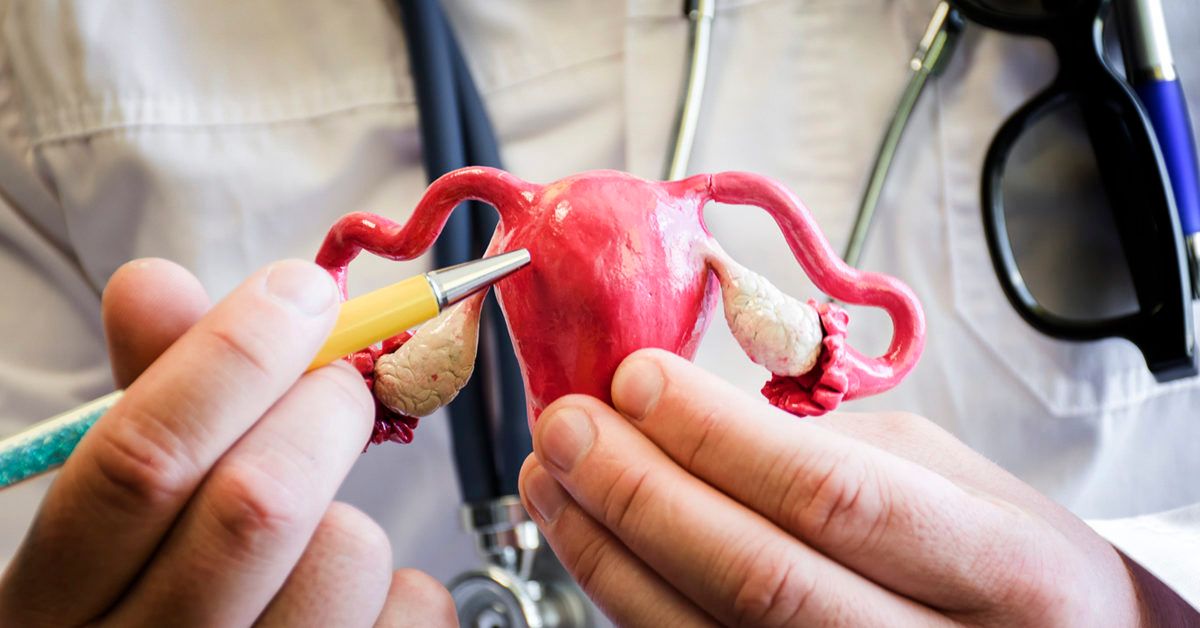
A period, also called menstruation, is the shedding of blood and tissue from the lining of the uterus. The uterus is a muscular organ in the pelvis where a pregnancy can grow. Each menstrual cycle, the lining of the uterus, called the endometrium, thickens in response to hormone changes. If an egg is fertilized and pregnancy begins, that lining helps support early development. If pregnancy does not happen, hormone levels drop, the lining breaks down, and the body releases it through the cervix and vagina.
Menstrual blood is not just blood. It also contains endometrial tissue, mucus, and fluids. Its color can range from bright red to dark brown, depending on flow speed and how long the blood has been exposed to oxygen. The amount, timing, and symptoms can vary from person to person, which is why comparing periods can feel like comparing weather forecasts from different planets.
Why Do Women Have Periods?
Women have periods because the menstrual cycle prepares the body for possible pregnancy. During each cycle, hormones signal the ovaries to mature an egg and the uterus to build a nutrient-rich lining. If the egg is not fertilized, the body no longer needs that lining. Menstruation is the process of releasing it.
In simple terms, the period is the body’s monthly reset button. The uterus prepares for a possible embryo. If no embryo arrives, it clears the space and begins a new cycle. This process usually begins during puberty and continues until menopause, except during pregnancy, some stages of breastfeeding, certain medical conditions, or when hormonal medications suppress bleeding.
Not every woman has periods, and not everyone who has periods identifies as a woman. Some women do not menstruate because of pregnancy, menopause, health conditions, surgery, or hormonal birth control. Some transgender men and nonbinary people do menstruate. Still, because the question is commonly phrased as “why do women have periods,” this article uses clear, familiar language while recognizing that real bodies and identities are diverse.
The Menstrual Cycle: The Monthly Plan Behind the Period
The menstrual cycle is counted from the first day of one period to the first day of the next. Many people hear that a “normal” cycle is 28 days, but real life is not a textbook wearing a lab coat. Cycles can be shorter or longer and still be normal. For many adults, menstrual cycles often fall somewhere around 24 to 38 days, and bleeding may last up to about 8 days. Teen cycles can be more irregular during the first few years after the first period because the hormone system is still maturing.
The cycle has several phases. These phases are not separate boxes with locked doors; they overlap like a well-orchestrated playlist. The main players are the brain, pituitary gland, ovaries, hormones, and uterus.
1. Menstruation: The Period Begins
Day 1 of the menstrual cycle is the first day of bleeding. During menstruation, the uterus sheds the lining that built up during the previous cycle. This is the period itself. Some people bleed lightly, while others have a heavier flow. Cramping may happen because the uterus contracts to help push out the lining. The uterus is a muscle, and during a period it is basically doing tiny push-ups.
2. The Follicular Phase: An Egg Gets Ready
After bleeding begins, the body starts preparing again. The brain sends hormonal signals that encourage follicles in the ovaries to grow. Follicles are small fluid-filled sacs that contain immature eggs. Usually, one follicle becomes dominant and continues maturing. During this time, estrogen rises and helps rebuild the uterine lining.
Estrogen is one of the key hormones of the menstrual cycle. It helps thicken the endometrium so the uterus is ready in case pregnancy happens. If the uterus had a project manager, estrogen would be walking around with a clipboard saying, “More lining, please.”
3. Ovulation: The Egg Is Released
Ovulation happens when a mature egg is released from an ovary. In a 28-day cycle, ovulation is often described as happening around day 14, but many people do not ovulate exactly on day 14. Cycle length, stress, illness, sleep, nutrition, travel, and health conditions can all affect timing.
After release, the egg moves into a fallopian tube. If sperm are present and fertilization happens, the fertilized egg may travel to the uterus and implant in the lining. If fertilization does not happen, the egg breaks down or is absorbed by the body.
4. The Luteal Phase: The Uterus Waits
After ovulation, the empty follicle becomes a temporary hormone-producing structure called the corpus luteum. It produces progesterone, another major menstrual cycle hormone. Progesterone helps maintain and stabilize the uterine lining. This is the “let’s keep the guest room ready” phase.
If pregnancy begins, hormone signals keep the lining in place. If pregnancy does not occur, progesterone and estrogen levels fall. That hormone drop tells the uterus it is time to shed the lining. Then the next period begins, and the cycle starts over.
What Are Periods For?
Periods are part of the reproductive system’s preparation for pregnancy. The main purpose of the menstrual cycle is to release an egg and prepare the uterus to support a fertilized egg. Menstruation happens when that preparation is no longer needed.
This does not mean a person must want pregnancy for periods to matter. Periods can also provide clues about health. A sudden change in cycle length, flow, pain, or missed periods can sometimes signal stress, pregnancy, thyroid problems, polycystic ovary syndrome, eating disorders, excessive exercise, fibroids, endometriosis, infection, medication effects, or other medical concerns.
In other words, periods are not just a reproductive event. They can be a monthly health report. Unfortunately, the report is written in cramps, stains, and mood swings instead of a neat PDF, but the information can still be useful.
Why Do Periods Hurt?
Many people have cramps before or during their period. Cramps happen because the uterus contracts to shed its lining. Hormone-like substances called prostaglandins help trigger these contractions. Higher prostaglandin levels can be linked with stronger cramps, nausea, diarrhea, headaches, or fatigue.
Mild to moderate cramps are common, but severe pain is not something to ignore. Pain that keeps someone from school, work, sleep, or normal activities may be a sign of conditions such as endometriosis, adenomyosis, fibroids, pelvic inflammatory disease, or other gynecologic issues. The old advice to “just deal with it” deserves to be retired, preferably into a locked drawer with outdated health myths and mystery cafeteria meat.
What Is a Normal Period?
A normal period is not identical for everyone. Some people bleed for three days, others for seven. Some have predictable cycles, while others vary slightly from month to month. Flow may be heavier in the first few days and lighter near the end. Small clots can happen, especially on heavier days.
Common period symptoms may include:
- Cramping in the lower abdomen or back
- Bloating
- Breast tenderness
- Acne flare-ups
- Fatigue
- Food cravings
- Mood changes
- Headaches
- Changes in bowel habits
These symptoms are often influenced by normal hormonal shifts. However, “common” does not always mean “must be suffered in silence.” If symptoms are intense, worsening, or interfering with daily life, a healthcare provider can help identify causes and treatment options.
Why Do Periods Start During Puberty?
Periods begin during puberty because the body starts producing reproductive hormones in a new pattern. The brain signals the ovaries to make estrogen and progesterone. These hormones help mature eggs, develop reproductive organs, and create menstrual cycles.
The first period is called menarche. It often happens around ages 12 to 15, although it can start earlier or later. Before the first period, many girls notice breast development, growth spurts, body hair, and vaginal discharge. The first few years of periods are often irregular because ovulation may not happen every cycle at first. That can be completely normal, although very heavy bleeding, severe pain, or no first period by the mid-teen years should be discussed with a healthcare professional.
Why Do Periods Stop During Pregnancy?
Periods usually stop during pregnancy because the uterine lining is being used to support the developing pregnancy. Instead of shedding, the lining remains in place. Pregnancy hormones keep progesterone and estrogen levels high enough to maintain the uterine environment.
Some people experience light bleeding or spotting during pregnancy, but that is not the same as a regular period. Bleeding during pregnancy should be discussed with a healthcare provider, especially if it is heavy, painful, or accompanied by dizziness or severe cramping.
Why Do Periods Stop at Menopause?
Menopause happens when menstrual periods stop permanently because the ovaries no longer release eggs regularly and hormone production changes. In the United States, menopause often occurs in the late 40s or early 50s, with the average age around 51. A person is generally considered to have reached menopause after 12 months without a menstrual period, assuming there is no other medical cause.
Before menopause, many people go through perimenopause, a transition phase when cycles may become irregular. Periods may be heavier, lighter, closer together, or farther apart. Hot flashes, sleep changes, mood shifts, and vaginal dryness may also occur. Bleeding after menopause is not considered normal and should be checked by a healthcare provider.
Do Women Need to Have a Period Every Month?
Not always. Monthly periods are common, but they are not medically necessary for every person in every situation. Hormonal birth control methods such as certain pills, hormonal IUDs, implants, injections, rings, or patches can lighten periods, make them less frequent, or stop them. For many people, menstrual suppression is safe and helpful, especially for heavy bleeding, severe cramps, endometriosis, anemia, migraines, gender dysphoria, or simply quality of life.
A missed period can also happen because of pregnancy, stress, weight changes, intense exercise, illness, thyroid conditions, polycystic ovary syndrome, perimenopause, breastfeeding, or medication changes. The key is context. A predictable change after starting hormonal birth control may be expected. A sudden missed period with pregnancy possibility may call for a pregnancy test. Repeated missed periods without explanation deserve medical attention.
Common Myths About Periods
Myth 1: Period Blood Is Dirty
Period blood is not dirty. It is blood and tissue from the uterus. The idea that menstruation is unclean is a cultural myth, not a medical fact. Menstrual fluid can have an odor after contact with air, just like sweat or other body fluids, but that does not mean the person is unhygienic.
Myth 2: PMS Means Someone Is “Too Emotional”
Hormone changes can affect mood, sleep, appetite, and energy. Premenstrual symptoms are real. That said, menstruation should not be used to dismiss someone’s feelings, decisions, or authority. Blaming every opinion on hormones is not science; it is laziness wearing a cheap lab coat.
Myth 3: You Cannot Get Pregnant During a Period
Pregnancy during a period is less likely for many people, but it is possible, especially with shorter cycles, irregular ovulation, or bleeding that is mistaken for a period. Sperm can survive in the reproductive tract for several days, and ovulation timing can vary.
Myth 4: Severe Period Pain Is Normal
Some discomfort is common. Severe pain is not something to shrug off. If period pain regularly disrupts life, medical evaluation is worthwhile. Treatment can make a major difference.
When to Talk to a Doctor About Periods
Periods can vary, but certain signs deserve medical advice. Talk to a healthcare provider if:
- Bleeding is so heavy that pads or tampons are soaked every hour for several hours
- Periods last longer than about 8 days
- Severe cramps interfere with normal activities
- Periods suddenly become very irregular
- Bleeding happens between periods
- Bleeding occurs after sex
- A period stops for several months without pregnancy, menopause, or a known reason
- There is bleeding after menopause
- Symptoms include dizziness, fainting, fever, severe pelvic pain, or unusual discharge
Keeping a period tracker can help. A simple note of start date, end date, flow, pain level, mood, medications, and unusual symptoms can give a clinician useful information. No glittery app required, though if glitter helps you remember, the uterus will not object.
Why Understanding Periods Matters
Understanding periods matters because menstruation affects health, education, work, sports, relationships, and daily comfort. When people do not learn accurate information, shame fills the gap. That shame can make it harder to ask questions, seek care, or recognize abnormal symptoms.
Period education also helps families. Parents and caregivers who talk openly about menstruation can make a first period less frightening. Teens who know what to expect are more likely to feel prepared. Partners who understand periods are less likely to act like a tampon box is an alien artifact from a forbidden aisle.
Menstrual health is also connected to equity. Period products cost money. Some people miss school or work because they cannot afford supplies, lack private restrooms, or have untreated symptoms. A period may be biological, but the experience of having one is shaped by culture, healthcare access, income, and support.
Experiences Related to “Why Do Women Have Periods?”
For many people, the first real experience of asking “why do women have periods?” happens long before a biology class gives a neat explanation. It may happen in a school bathroom, when a brownish-red stain appears and panic instantly joins the group chat. It may happen at home, when a parent quietly hands over a pad and explains, with varying degrees of calm, that nothing is wrong. Or it may happen years later, when cramps arrive like an unpaid bill and someone wonders why the body insists on this monthly performance.
One common experience is confusion. Even people who received basic puberty education often remember the lesson as rushed, awkward, or strangely focused on diagrams without enough practical advice. A young person might learn that the uterus sheds its lining but not learn how heavy bleeding can feel, how to use period products comfortably, or what symptoms should be checked. That gap can make a normal body process feel like a private emergency.
Another experience is embarrassment. Many people remember hiding pads in sleeves, backpacks, pencil cases, or the mysterious secret pocket no one uses until menstruation enters the plot. The embarrassment usually does not come from the period itself. It comes from the silence around it. When periods are treated like a scandal, people learn to whisper about pain, stains, and supplies instead of asking for help. A little honest conversation can remove a huge amount of stress.
There is also the experience of learning one’s own pattern. At first, periods may seem unpredictable. Over time, many people begin to notice signs: a little acne, breast tenderness, mood changes, cravings, lower back aches, or a sudden desire to reorganize life while eating salty snacks. Tracking these patterns can turn menstruation from a surprise attack into a familiar visitor. Not always a welcome visitor, perhaps, but at least one with a calendar invite.
For some, periods are manageable: a few days of bleeding, mild cramps, and then life continues. For others, periods are exhausting, painful, expensive, or emotionally difficult. Heavy bleeding can cause worry about leaking through clothes. Severe cramps can lead to missed classes, workdays, sports, or social plans. People with endometriosis, fibroids, PCOS, bleeding disorders, or other conditions may spend years being told their symptoms are “normal” before finding care. This is why education must include both reassurance and warning signs.
Another important experience is relief. Understanding why periods happen can make them feel less mysterious. The body is not making a mess for no reason. It is responding to hormone signals, preparing for pregnancy, and resetting when pregnancy does not happen. That knowledge does not magically erase cramps or laundry disasters, but it can reduce fear. Knowing the “why” gives people language for their bodies, and language is powerful.
Periods can also become a shared experience. Friends lend products. Siblings give advice. Parents learn to answer questions without turning into nervous furniture. Partners learn that compassion, heating pads, and not making weird jokes at the wrong moment are excellent life skills. In the best cases, menstruation becomes less of a taboo and more of a normal health topic, like sleep, digestion, or why everyone suddenly needs a water bottle the size of a small aquarium.
The biggest lesson from real period experiences is this: menstruation is normal, but suffering in silence should not be. Asking why women have periods opens the door to better body literacy, better healthcare conversations, and less shame. A period is not a character flaw. It is a biological process with hormones, timing, variation, and meaning. The more clearly we talk about it, the easier it becomes for people to understand their bodies and get support when something feels off.
Conclusion
So, why do women have periods? Women have periods because the menstrual cycle prepares the uterus for possible pregnancy. Hormones help an egg mature, trigger ovulation, and build the uterine lining. If pregnancy does not happen, hormone levels fall, the lining breaks down, and the body sheds it as a period.
Periods are normal, but they are not always easy. They can bring cramps, mood changes, fatigue, heavy bleeding, or confusion, especially during puberty and perimenopause. Learning how the menstrual cycle works helps people recognize what is typical, what may need medical attention, and why periods deserve open conversation instead of embarrassment.
The bottom line: menstruation is not a mystery, a weakness, or a dirty secret. It is a natural body process with an important biological purpose. And while the uterus may not always send polite calendar reminders, understanding its rhythm can make periods a lot less intimidating.