
If you’ve just bought a shiny new laundry pair, congratulations. If you’re staring at the old washer and dryer in your garage like they’re two retired robots refusing to leave, also congratulationsyou’re now in the “how do I get rid of these giant metal boxes?” phase of adulthood.
The good news: you have more choices than “post it on the curb and hope it disappears.” In fact, there are smart, legal, and often affordable ways to dispose of an old washer and dryersome of which can even put a little money back in your pocket.
This guide breaks down 11 disposal options for an old washer and dryer, plus what to do before pickup, what mistakes to avoid, and how to choose the best option based on condition, budget, and timing.
Before You Dispose of an Old Washer and Dryer
Before you call a hauler or list your appliances online, spend 15–30 minutes on prep. This makes pickup safer, faster, and less likely to end with a delivery crew saying, “Sorry, we can’t take that today.”
Quick prep checklist
- Unplug both appliances and let them sit.
- Disconnect water lines from the washer and drain any remaining water.
- Turn off and disconnect the gas line (for gas dryers) if you are qualified and comfortable doing so. If not, hire a pro.
- Remove lint from the dryer trap and vent area.
- Empty everything (yes, including the sock that has been missing since 2022).
- Wipe down and photograph the units if you plan to sell or donate.
- Measure doorways and paths if movers or haulers will need access through tight spaces.
Many retailer haul-away services require appliances to be uninstalled, emptied, and unplugged before the team arrives, so prep is not optional if you want a smooth pickup day.
How to Choose the Best Disposal Option
Use this simple decision rule before diving into the full list:
- Still works well? Sell it, donate it, or give it away.
- Works but inefficient/old? Recycle via retailer, utility program, municipal pickup, or scrap recycler.
- Broken and heavy? Junk removal, municipal bulk service, or scrap metal drop-off are usually easiest.
- Need it gone today? Paid haul-away or junk removal is your fastest path.
11 Disposal Options for an Old Washer and Dryer
1) Use Retailer Haul-Away When Buying a New Set
This is often the easiest option. If you’re replacing your washer and dryer, many appliance retailers offer haul-away service at delivery. You schedule one appointment, get new appliances installed, and the old pair leaves with the truck.
Why this option works:
- Convenient (one visit instead of multiple calls)
- Usually handled by trained delivery teams
- Often includes recycling or disposal as part of the service flow
Watch-outs:
- May be an additional fee
- Usually one-for-one (one old unit per new unit)
- Appliances usually must be disconnected and ready to move
If convenience is your top priority, this is usually the winner.
2) Check Utility, State Energy, or Conservation Recycling Programs
Some areas offer washer recycling programs through local utilities, water agencies, or state energy offices. These programs may include:
- Free pickup
- Recycling incentives
- Cash rebates or “bounty” payments in some cases
This option is especially worth checking if you’re replacing an older, inefficient washer. Even when a program is not available year-round, seasonal promotions pop up.
Pro tip: Search your utility name plus “appliance recycling program” or “washer recycling rebate.” It can save you money and effort.
3) Ask Your City or County About Bulk Appliance Pickup
Many local waste departments offer bulky item pickup for large household items, including washers and dryers. In some places it’s free on a scheduled day; in others, it’s a paid appointment service.
Why people love this option:
- No need to transport a heavy machine yourself
- Often available through your existing sanitation service
- Can be cheaper than private junk removal
Important details vary by city:
- How many items you can set out
- What day to place items at the curb
- Whether appliances go with recycling or trash
- Whether an appointment is required
Translation: never assume your city handles appliances the same way your cousin’s city does.
4) Drop It Off at a Municipal Recycling or Reuse Center
If you have a truck, trailer, or strong friend who owes you a favor, a municipal drop-off center can be a great option. Many cities operate recycling and reuse centers that accept large household items, including washers and dryers.
Benefits:
- You control the timing
- Can be low-cost or free for residents
- Some centers sort items for reuse and recycling, not just disposal
Before loading up, check:
- Resident-only rules
- ID or utility bill requirements
- Appointments (some centers are appointment-only)
- Accepted items and limits per visit
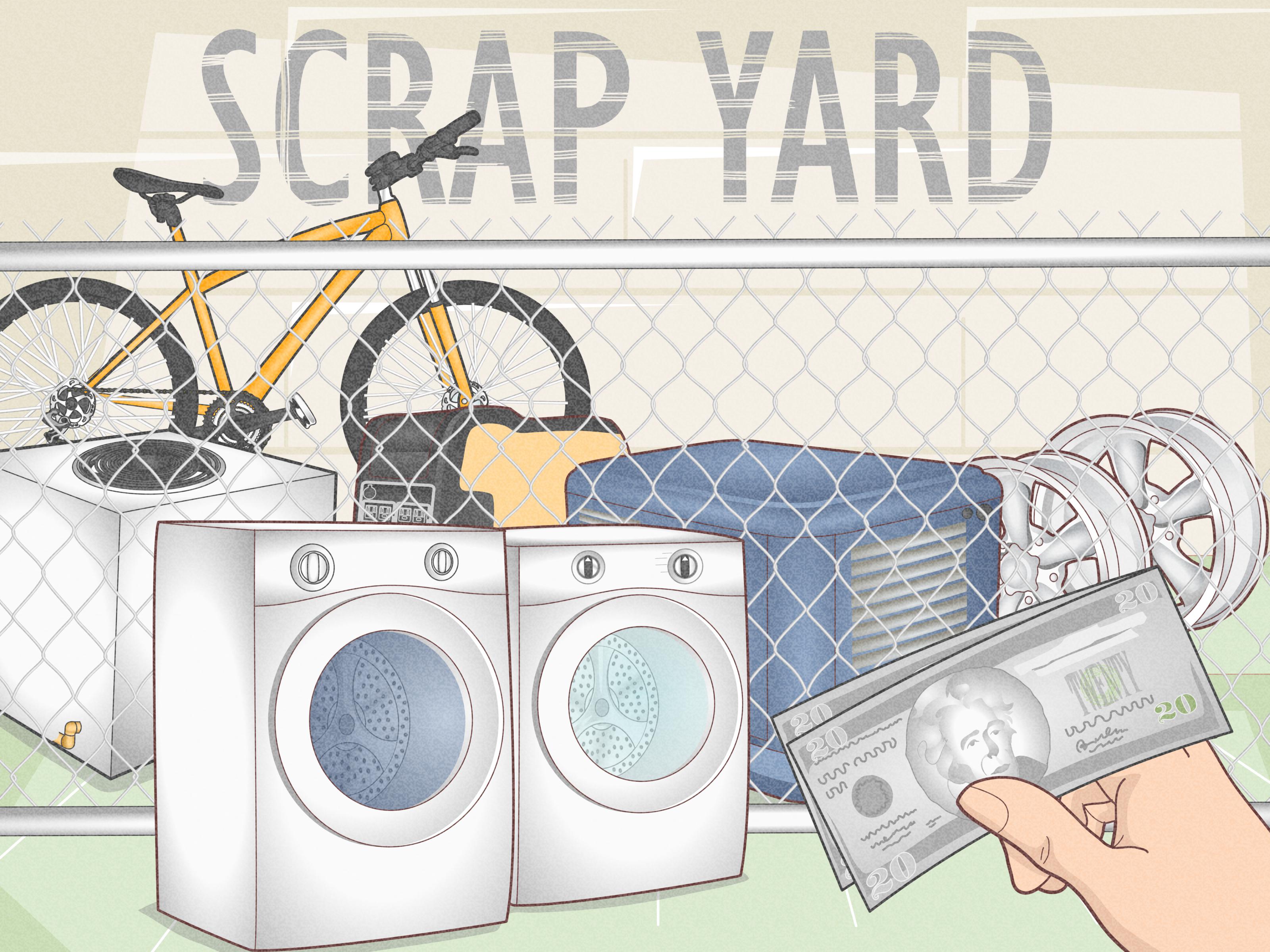
5) Take It to a Scrap Metal Recycler
Washers and dryers contain a lot of metal, which makes them strong candidates for scrap recycling. If the appliance is dead or too old to donate, this is one of the most environmentally responsible options.
Why it makes sense:
- Metal can be recovered and reused
- Some scrap yards may pay by weight (not always much, but hey, coffee money is coffee money)
- Good option for non-working units
Call ahead and ask:
- Do you accept washers and dryers?
- Do you need the units partially disassembled?
- Is there a drop-off fee or payout?
- Do you require proof of ID?
6) Use an Appliance Recycling Locator (Like a Local Directory Tool)
If you don’t know where to start, use a recycling locator tool to find nearby facilities that accept appliances. These databases can help you search by ZIP code and material type, which is helpful when local rules are confusing (and they often are).
This is a smart option when:
- You moved recently and don’t know local services
- Your city pickup doesn’t accept appliances
- You want a dedicated recycler rather than general trash disposal
Tip: Call the listed location before driving over. Online listings can lag behind real-life policy changes, fees, or hours.
7) Donate It to a Charity or ReStore (If It Still Works)
If your old washer and dryer still run well, donation is one of the best disposal options. A working appliance can help a family, support a nonprofit, and keep useful equipment out of the waste stream.
Good donation candidates include:
- Clean, working units
- No major rust, leaks, or broken parts
- Reasonably recent models (many organizations set age limits)
Important: donation policies vary a lot. Some organizations accept large appliances, some accept only small appliances, and some local branches don’t accept washers/dryers at all. Always call first and ask for current rules, condition requirements, and pickup availability.
Bonus tip: Keep your model number handy when callingit makes screening much faster.
8) Sell It Locally If It’s in Working Condition
If the machine works, you may be able to sell it on local marketplaces. This works best for:
- Budget-friendly starter appliances
- Rental property replacements
- Garage/laundry room secondary units
How to sell faster (and avoid weird messages):
- List the brand, model number, age, dimensions, and fuel type (gas/electric dryer)
- State whether it was recently used and if any repairs were done
- Add clear photos of the inside drum and control panel
- Mention “buyer must move” or “delivery available” clearly
If speed matters more than profit, price it to move. A fair price today beats a “maybe someday” listing sitting in your hallway.
9) Give It Away for Free (Buy Nothing / Curb Alert / Community Groups)
Sometimes the best disposal strategy is simple: free. If the appliances still workor can be repaired easilyposting them for free can make them disappear surprisingly fast.
This option is ideal when:
- You need same-day or next-day pickup
- You don’t want strangers haggling over $20
- You care more about reuse than resale
Safety and sanity tips:
- Use public-facing pickup instructions only if you’re comfortable
- Don’t lift with unprepared buyerslet them bring help
- Mark the post “taken” quickly to avoid 47 “is this available?” messages
10) Sell for Parts or to a Repair Tech
Even if your washer or dryer is not working, it may still have value as a parts unit. Repair technicians, refurbishers, and DIY appliance fixers sometimes buy non-working machines for:
- Motors
- Control boards
- Pumps
- Doors and switches
- Drums and belts
Be honest in the listing. “Dryer tumbles but doesn’t heat” or “Washer leaks from bottom” attracts the right buyers and saves everyone time.
This option usually won’t make you rich, but it can keep usable parts in circulation and reduce waste.
11) Hire a Junk Removal Company
If the appliances are heavy, broken, upstairs, or you just want them gone without logistics, a junk removal service is the fastest “done-for-you” option. Many companies accept washer and dryer machines and may sort items for recycling where possible.
When this is worth paying for:
- You cannot move the appliances safely
- You need labor plus hauling
- You have multiple bulky items to remove at once
- You’re on a tight timeline (move-out, renovation, sale prep)
Before booking, ask for:
- An estimate (onsite or volume-based)
- Whether stairs cost extra
- Whether they recycle appliances
- What prep is required (disconnecting, draining, moving access)
What Not to Do with an Old Washer and Dryer
- Do not dump them illegally. Besides the environmental impact, it can lead to fines and headaches.
- Do not leave them curbside without checking local rules. In some places, curb placement timing and sorting rules matter.
- Do not mislabel condition. “Works great” should not mean “works if you kick it twice and whisper encouragement.”
- Do not skip safety prep. Water, gas, and power connections need proper disconnection.
Which Disposal Option Is Best for You?
Here’s the practical version:
- Most convenient: Retailer haul-away with new delivery
- Most eco-friendly for broken units: Scrap recycler or appliance recycler
- Best for helping others: Donate a working set
- Best for making money: Sell locally (or sell for parts)
- Fastest no-lifting solution: Junk removal service
- Lowest-cost option in many cities: Municipal bulk pickup or drop-off
The smartest move is usually the one that matches the appliance condition, your timeline, and your ability to move it safely. No single option works for everyoneand that’s actually a good thing, because it means you have choices.
Final Thoughts
When you’re figuring out what to do with an old washer and dryer, the goal is simple: choose a disposal option that is safe, legal, and practical. Whether you recycle, donate, sell, or schedule a haul-away, a little planning prevents last-minute chaos and keeps bulky appliances out of the wrong place.
And if you’re currently standing in your laundry room measuring doorways while muttering, “How did they even get this in here?”you are not alone. Welcome to the club. Membership includes lint, tape, and a very strong friend.
Real-World Experiences and Lessons Learned (Added for Extra Practical Insight)
One of the most common experiences people have with old washers and dryers is assuming removal will be easyright up until moving day. A family replacing a laundry pair in a second-floor laundry closet might schedule a retailer delivery and think, “Perfect, they’ll just take the old ones.” Then the delivery team arrives and asks whether the appliances are disconnected and ready. The washer is still hooked up, the dryer vent is taped like a science project, and suddenly everyone is searching for pliers. The lesson? Prep is the difference between a smooth haul-away and a rescheduled appointment.
Another real-life scenario: someone lists a working dryer online for sale at a reasonable price and gets a flood of messagesbut no one actually shows up. This happens all the time. Buyers may underestimate how hard it is to move a dryer, especially down stairs or through narrow hallways. People who have better results usually include very clear details in the listing: exact dimensions, whether it is electric or gas, whether it is on a first floor, and whether a dolly is required. In other words, the less mystery, the better the chance the appliance actually leaves your house.
Donation experiences can also be eye-opening. Many people assume every thrift or charity location accepts large appliances, then discover local rules vary widely. A washer that is clean and functional may still be turned away because it is too old, has cosmetic rust, or the location simply lacks space. The people who succeed with donation usually call ahead, share the model number, and send photos before loading the appliance. It takes a few extra minutes, but it prevents the dreaded “drive there and drive back with the same machine” situation.
Municipal bulk pickup can be a hidden gem, especially for homeowners who already pay for sanitation service. People are often surprised to learn their city offers appliance pickup on specific days or with a simple online request. The catch is timing and placement rules. Set it out too early, and it may violate local rules. Set it out too late, and it gets skipped. The best results come from reading the city instructions carefully and placing the unit exactly where the sanitation department saysusually curbside, clear of mailboxes, hydrants, and sidewalks.
Junk removal services are often the “we should have done this first” option for households dealing with multiple bulky items during a renovation. Yes, it costs more than a free curb pickup. But when people are juggling an old washer, dryer, broken shelving, and leftover renovation debris, paying a crew to lift and haul everything in one visit can feel like buying back a weekend. The key lesson from these experiences is simple: the best disposal option is not always the cheapest oneit is the one that realistically fits your time, safety, and stress level.