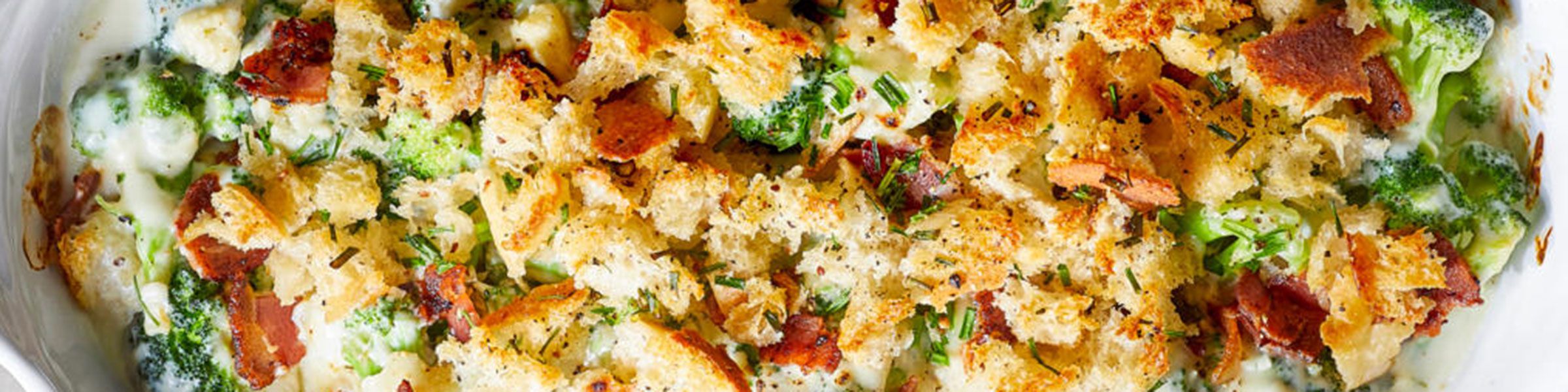

Vegetable casseroles are the cozy sweater of the dinner world: warm, forgiving, and suspiciously good at making “a bunch of produce” feel like comfort food. They’re also the best way to win the nightly battle of “Please eat something green” without delivering a lecture with your fork.
After reviewing common techniques across well-known U.S. recipe and test-kitchen sources, one truth keeps bubbling up (literally): the best vegetable casseroles aren’t about hiding vegetables. They’re about treating vegetables rightmanaging moisture, building flavor, and finishing with something crunchy so every bite isn’t just “soft on soft.”
Below you’ll find a reliable “casserole blueprint,” then a lineup of crowd-pleasing vegetable casserole recipes (from pantry-classic to weeknight-fancy), plus make-ahead and freezer tips that prevent the dreaded leftover slump. Finally, there’s a longer “real-life” section at the end with experience-based lessons and small moves that make a big difference.
The Vegetable Casserole Blueprint (So You Can Wing It and Still Win)
A casserole is basically a delicious math problem. Get the ratios right and you can swap ingredients based on what you have, what’s in season, or what’s currently trying to expire in your fridge drawer.
1) Choose your vegetables (6 to 8 cups total)
Mix textures for better bites: something sturdy (broccoli, cauliflower, green beans), something sweet (carrots, bell peppers, corn), and something “melty” (mushrooms, onions, zucchini). Frozen veggies work beautifullyjust thaw and drain if they’re watery.
- Quick weeknight mix: broccoli + cauliflower + carrots + onions
- Summer comfort: yellow squash + zucchini + sweet onion
- Holiday classic: green beans + mushrooms + crispy onions
- Hearty main dish: mushrooms + spinach + beans + a grain
2) Decide if it’s a side or a main
For a side dish, veggies can be the star with a creamy sauce and crunchy topping. For a main dish, add a “stayer”: cooked rice, pasta, potatoes, beans, lentils, or chickpeas. (Translation: something that makes people say, “Oh wow, I’m actually full.”)
3) Pick your binder/sauce (about 1 1/2 to 2 1/2 cups)
This is where casseroles get their comfort. You’ve got three classic lanes:
- Pantry-creamy: condensed soup + milk + seasonings (fast, nostalgic, reliably cozy)
- Homemade creamy: quick roux/béchamel (butter + flour + milk) with cheese or broth for depth
- “Light but still happy”: Greek yogurt or sour cream mixed with a little broth and cheese
Pro move: season the sauce like you’re seasoning the whole dishbecause you are. Salt, pepper, garlic, onion powder, a pinch of paprika, and something tangy (mustard, lemon, or a splash of vinegar) keep veggie casseroles from tasting like polite beige.
4) Add flavor boosters (small amounts, big impact)
- Umami: sautéed mushrooms, a dash of soy sauce, Worcestershire, or Parmesan
- Freshness: lemon zest, chopped parsley, dill, or basil at the end
- Heat: red pepper flakes, jalapeños, green chiles, or hot sauce
- Smoke: smoked paprika or a little chipotle in adobo
5) Finish with crunch (don’t skip this)
Crunch is the casserole’s personality. Crushed buttery crackers, breadcrumbs, crispy onions, toasted nuts, or even tortilla chips give contrast so the whole thing doesn’t eat like a warm vegetable pillow. (Vegetable pillows have their place. That place is not dinner.)
7 Vegetable Casserole Recipes That Actually Get Requested Again
Each recipe below is written as a practical, flexible guideso you can use what you’ve got, adjust for diet needs, and still end up with something you’d be proud to bring to a potluck.
1) “Million-Dollar” Mixed Vegetable Casserole (Dump, Stir, Bake)
This one gets its nickname from the rich, creamy vibecheese, a little mayo or sour cream, and buttery crackers on top. It’s the casserole equivalent of showing up in sweatpants that somehow look expensive.
Best for: busy weeknights, holidays, picky eaters who like “cheesy” as a food group
- Vegetables: 6–7 cups mixed vegetables (fresh or frozen: broccoli, cauliflower, carrots, peas)
- Creamy base: sour cream + mayonnaise (or Greek yogurt + a little mayo), plus shredded cheddar
- Flavor: garlic powder, onion powder, salt, pepper
- Topping: crushed buttery crackers mixed with melted butter
- Heat oven to 350°F. Lightly grease a baking dish.
- If using frozen vegetables, thaw and drain well (or microwave briefly and drain). Excess water is the villain here.
- Stir veggies with the creamy base and seasonings. Fold in most of the cheese, saving a handful for the top.
- Top with remaining cheese, then the buttery cracker crumble.
- Bake until bubbling and golden on top, about 25–35 minutes (longer if very cold from the fridge).
Make it yours: Add sautéed onions, chopped pimentos, or a pinch of cayenne. If it’s too thick, loosen with a splash of milk or broth.
2) Broccoli-Cheddar Casserole with Crunchy Ritz-Style Topping
A classic for a reason: tender broccoli, a creamy-cheesy center, and that irresistible buttery crunch. You can go pantry-style (condensed soup) or homemade sauceeither way, it’s comfort on autopilot.
Best for: potlucks, holiday sides, “I need something everyone will eat” nights
- Vegetables: broccoli florets (fresh or frozen)
- Creamy base options: condensed cream soup + a little milk or a quick cheese sauce
- Binder (optional): 1 egg for extra hold (especially if you like neat slices)
- Cheese: sharp cheddar (grating your own melts smoother)
- Topping: crushed buttery crackers + melted butter
- Heat oven to 350°F. Grease a casserole dish.
- Cook broccoli until bright green and just tender (steam, boil briefly, or microwave). Drain well.
- Mix broccoli with your creamy base, cheddar, and seasonings. Add an egg if you want a more set casserole.
- Top with cracker crumble. Bake until hot and bubbly, 25–35 minutes.
Flavor boost: a pinch of paprika on top, a spoon of Dijon in the sauce, or a little sautéed onion mixed in.
3) Cauliflower Gratin Casserole (Cheesy, Not Mushy)
Cauliflower gratin is what happens when cauliflower stops trying to be “healthy food” and leans into being excellent. The key is cooking the florets just until tender, then finishing in a creamy sauce so they don’t collapse into cauliflower fog.
Best for: steak nights, holiday spreads, low-carb comfort cravings
- Vegetables: cauliflower florets
- Sauce: a quick béchamel (butter + flour + milk) or a creamy cheese sauce
- Cheese: cheddar, Gruyère, or a blend
- Topping: breadcrumbs or panko + Parmesan (or just extra cheese)
- Heat oven to 375°F. Grease a baking dish.
- Cook cauliflower until just tender (blanching is fast; steaming works too). Drain very well.
- Make a quick sauce: melt butter, whisk in flour, add milk, then stir until thick. Add cheese, salt, pepper, and a pinch of nutmeg if you’re feeling fancy.
- Combine cauliflower and sauce, top with crumbs/Parmesan, bake until browned and bubbling (about 20–30 minutes).
Moisture tip: Cauliflower holds water like it’s training for a marathon. Drain it thoroughly, then let it sit a few minutes before mixing with sauce.
4) Classic Green Bean Casserole (Plus a Fresher Variation)
This is the iconic one: green beans + creamy mushroom goodness + crispy fried onions. It’s famous because it’s fast, it tastes like holidays, and it somehow makes a can of soup feel like a tradition.
Best for: Thanksgiving, potlucks, nostalgia therapy
Pantry-Classic Method
- Green beans (canned or frozen)
- Condensed cream of mushroom soup
- Milk
- Crispy fried onions
- Optional: dash of soy sauce, black pepper
- Heat oven to 350°F. Mix beans, soup, milk, and some onions in a casserole dish.
- Bake until hot and bubbling, then top with more onions and bake a few minutes more to crisp them up.
Fresher “From-Scratch” Variation
Prefer a version that tastes more like mushrooms and less like “the inside of a pantry”? Sauté sliced mushrooms and onions, sprinkle with flour, whisk in milk or broth, simmer until creamy, then fold in green beans. Still top with crispy onionsbecause some traditions are simply correct.
Crunch rule: Add crispy onions near the end so they stay crisp, not soggy-confused.
5) Old-School Summer Squash Casserole (The Not-Watery Version)
Squash casserole is peak comfort, but it can go watery if you don’t handle squash’s “juicy personality.” The fix: cook off moisture firstsalt and drain, sauté longer, or roast.
Best for: summer dinners, cookouts, using up garden squash
- Vegetables: yellow squash (and/or zucchini), sweet onion
- Creamy base: sour cream (or Greek yogurt) + cheese
- Seasoning: salt, pepper, garlic; a pinch of cayenne is welcome
- Topping: crushed crackers or breadcrumbs + butter
- Slice squash and onions. Salt lightly and let sit 10 minutes, then blot or drain.
- Sauté or roast until much of the moisture cooks off and veggies soften.
- Mix with sour cream and cheese; spread into a dish.
- Top with buttery crumbs and bake at 350°F until bubbly and golden, about 25–35 minutes.
Shortcut: If you’re in a hurry, microwave the squash briefly, then drain aggressively. This is not the time to be emotionally attached to vegetable water.
6) Spinach, Mushroom & Wild Rice Vegetable Casserole (Hearty Main Dish)
This is the “I’m having a real dinner” casserole: earthy mushrooms, tender spinach, chewy wild rice, and a creamy element that doesn’t have to be heavy. It’s a great way to make vegetables feel meal-worthy.
Best for: meatless Mondays, meal prep, bringing dinner to someone
- Base: cooked wild rice (or a wild rice blend)
- Vegetables: mushrooms, spinach, onion
- Binder: a creamy sauce (light béchamel, yogurt-based, or broth thickened with a little flour)
- Flavor: thyme, garlic, black pepper; a little lemon at the end
- Top: Parmesan + breadcrumbs (optional, but highly recommended)
- Sauté mushrooms and onions until deeply browned (that’s where flavor hides).
- Wilt in spinach and season.
- Stir in cooked wild rice and your sauce, then spread in a baking dish.
- Top with crumbs/Parmesan. Bake at 375°F until hot and lightly browned, about 20–30 minutes.
Make it richer: Add a handful of cheese. Make it brighter: Finish with lemon zest and chopped parsley.
7) Southwest Vegetable Enchilada Casserole (Big Flavor, No Rolling)
Enchiladas are delicious but can feel like a craft project. This casserole gives you the same vibesaucy, cheesy, spicywithout making you roll tortillas like you’re in a culinary endurance sport.
Best for: family dinners, leftovers that reheat well, feeding hungry people fast
- Vegetables: bell peppers, zucchini, onions, corn (fresh or frozen)
- Protein option: black beans or pinto beans
- Sauce: enchilada sauce (store-bought or homemade)
- Layers: corn tortillas (or flour tortillas)
- Cheese: Monterey Jack, cheddar, or a Mexican blend
- Sauté veggies until just tender and season (cumin, chili powder, garlic).
- In a baking dish, layer sauce, tortillas, veggies/beans, and cheese. Repeat.
- Bake at 375°F until bubbling, 25–35 minutes.
- Top with cilantro, scallions, avocado, or a squeeze of lime.
Crunch factor: Add crushed tortilla chips on top in the last 10 minutes if you want a crispy finish.
Make-Ahead, Freezer, and Reheat Tips (Because Life Is Busy)
Make-ahead (1–2 days)
- Assemble the casserole, cover tightly, refrigerate, and bake when needed.
- Keep crunchy toppings (crackers, fried onions, chips) separate until the end so they don’t turn into casserole confetti.
- If baking straight from the fridge, expect to add extra time.
Freezing (best results)
- Freeze casseroles that are mostly vegetables + sauce + sturdy add-ins (rice, beans) for the smoothest texture.
- Wrap well and label. Freeze toppings separately when possible.
- If you don’t want your favorite dish stuck in the freezer, line the pan with foil, freeze, then lift out and store the “casserole brick.” (Yes, it’s a brick. A delicious brick.)
Food safety (quick, practical)
Cool and refrigerate leftovers promptlywithin about two hours at room temperature. When reheating, make sure the center gets hot (food-safety guidance commonly recommends 165°F for leftovers). Cover with foil for most of the bake so the top doesn’t overbrown before the middle warms through, then uncover near the end to re-crisp the surface.
Reheat without drying out
- Oven: cover with foil, reheat gently, then uncover to brown the top.
- Microwave: use for single portions; add a small splash of milk/broth if it seems dry.
- Crunchy toppings: add fresh after reheating, or toast separately and sprinkle on.
Common Casserole Problems (And Fixes You Can Do in 30 Seconds)
“It’s watery.”
- Drain cooked vegetables thoroughly.
- Cook off moisture first (especially squash, mushrooms, frozen veggie blends).
- Thicken the sauce slightly before baking; add a little cheese or a spoon of flour slurry if needed.
“It tastes bland.”
- Salt the sauce, not just the vegetables.
- Add umami: sautéed mushrooms, Parmesan, soy/Worcestershire, or a pinch of smoked paprika.
- Finish with acid: lemon juice, vinegar, or pickled jalapeños.
“The top burned but the middle is cold.”
- Cover with foil for most of the bake, then uncover near the end.
- Use a slightly smaller, deeper dish if your oven runs hot on top.
“The topping got soggy.”
- Add toppings at the end, or toast separately and sprinkle on just before serving.
- Use bigger crumbs (cracker chunks, panko) instead of fine crumbs that absorb moisture fast.
Real-Life Casserole Experiences: What Home Cooks Learn the Fun Way (500+ Words)
If vegetable casseroles had a personality, they’d be the friend who says, “No worries, I’m low-maintenance,” and then shows up looking amazing. But the “low-maintenance” part comes with a few unspoken truths that home cooks discover over timeusually right after pulling a pan from the oven and thinking, “Why is it… wet?”
The first big lesson is that vegetables aren’t all operating on the same moisture settings. Broccoli and green beans behave like responsible adults. Zucchini and yellow squash behave like toddlers with juice boxes. Mushrooms? Mushrooms are undercover agents who look dry, then release an entire weather system once heated. Once you’ve made a watery casserole exactly once, you start doing the tiny steps that feel unnecessary until they suddenly feel sacred: draining, blotting, roasting, and letting veggies cool for a few minutes before mixing them with sauce.
The second lesson is that casseroles are basically a texture negotiation. Creamy is great. Soft vegetables are great. But if everything is soft and creamy all at once, your mouth starts asking uncomfortable questions. That’s why the crunchy topping isn’t just decorationit’s a strategy. And experienced casserole people have a rule: don’t add the crunch too early. Crackers, fried onions, tortilla chipsthese are delicate, crunchy creatures. Put them on too soon and they absorb steam like a sponge at a pool party. Add them near the end, and suddenly your casserole has contrast, drama, and a reason to be remembered.
Another real-life discovery: the best vegetable casseroles often start on the stovetop. Even “dump-and-bake” dishes benefit from five extra minutes of sautéing onions or browning mushrooms. That little bit of caramelized flavor does heavy lifting. It turns “vegetables in cream sauce” into “wow, what is that flavor?” (And if someone asks, you can wink and say, “Oh, you know… onions.”)
Casseroles also teach you how people eat in the real world. Kids (and plenty of adults) don’t always dislike vegetablesthey dislike surprises. A familiar format helps. Put broccoli in a bowl? Maybe it gets side-eyed. Put broccoli in a cheesy casserole with a crunchy top? Suddenly it’s not “vegetables,” it’s “that good bake.” This doesn’t mean you’re tricking anyone. You’re just presenting vegetables with better PR.
Then there’s the leftover effect, which is wildly underrated. Many vegetable casseroles taste even better the next day because the flavors settle in and start acting like a team. The trick is reheating like you care: cover so it warms evenly, then uncover so the top wakes back up. If you’ve ever microwaved a casserole into sad steam and then blamed the recipe, welcome to the clubwe’ve all done it. The fix is simple: treat leftovers with the same respect you gave the first bake, and they’ll repay you with lunch that doesn’t feel like a compromise.
Finally, vegetable casseroles teach a sneaky life skill: flexibility. They’re the perfect “use what you have” dish. Half a bag of frozen cauliflower, a lonely bell pepper, spinach that’s one day away from getting weird, and a little cheese? That’s not kitchen clutterthat’s casserole potential. And the more you make them, the more you trust yourself to adjust: a splash of broth here, a pinch of seasoning there, a handful of herbs at the end. Suddenly, you’re not just following recipesyou’re cooking. Which is kind of the whole point.
Conclusion
Vegetable casseroles aren’t one recipethey’re a format. Once you understand moisture control, a flavorful sauce, and the power of a crunchy topping, you can build a casserole from almost any vegetable combo and make it taste intentional. Keep a few “classics” in your back pocket, add a main-dish version for weeknights, and you’ll always have a reliable, crowd-friendly way to get more vegetables on the table (without a speech).