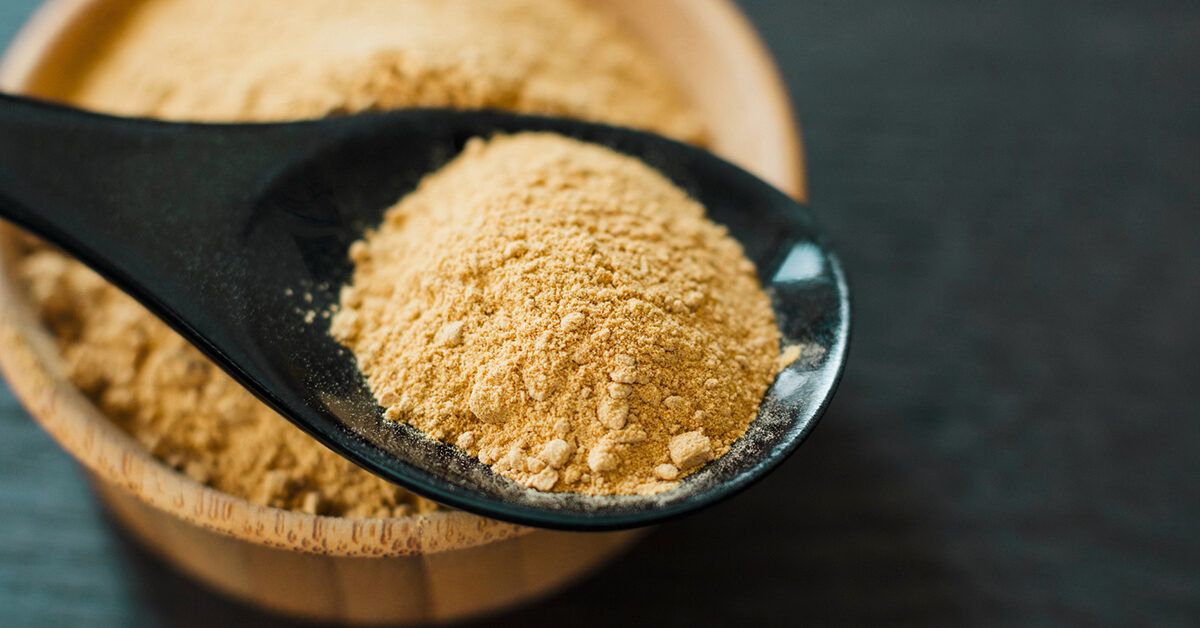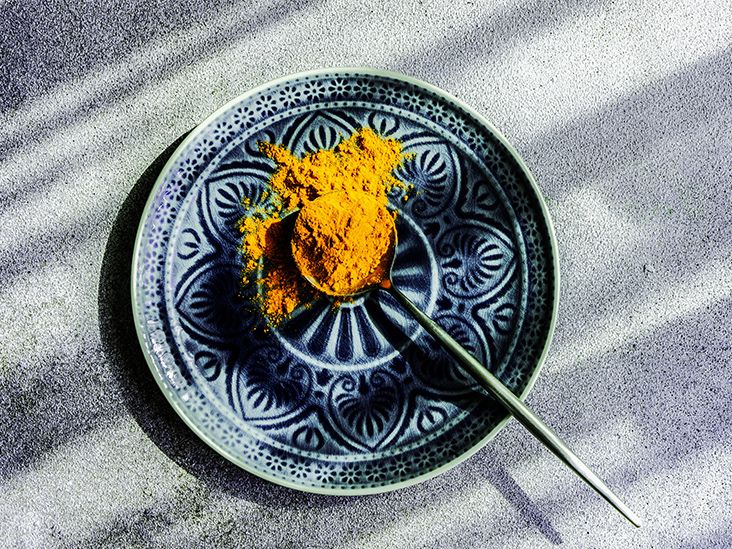

Turmeric is the sunny yellow spice that makes curry look like it’s wearing a gold necklace. It comes from the root of
Curcuma longa, a plant related to ginger, and it’s been used for centuries in cooking and traditional wellness
practices. In modern times, turmeric has graduated from “spice rack celebrity” to “supplement aisle influencer,” mostly
because it contains a group of compounds called curcuminoidsespecially curcumin.
Here’s the catch: turmeric is promising, but it’s not magic. The research is real, the benefits can be real, and the side
effects can also be realespecially when you go from “a dash in soup” to “mega-dose capsules with absorption boosters.”
This guide breaks down what turmeric is, what the evidence suggests, how people typically use it, and how to avoid turning
your wellness routine into an unexpected trip to the “Why Is My Stomach Mad?” department.
What turmeric is (and what it isn’t)
Turmeric is a spice made from a dried, ground root. Its star ingredient, curcumin, is studied for its
anti-inflammatory and antioxidant activity. But turmeric powder in food contains only
a small percentage of curcumin. Supplements often use concentrated extracts labeled “standardized” (for example, to
95% curcuminoids), which can deliver far more curcumin than a typical diet.
That difference matters. Many of the headlines you’ve seen are based on studies using extracts or specialized formulations,
not just sprinkling turmeric on scrambled eggs (delicious, but not exactly a clinical trial).
How turmeric might work in the body
Curcumin is studied for its ability to interact with multiple pathways involved in inflammation and oxidative stress.
In plain English: it may help “turn down the volume” on some inflammatory signals and help the body handle free-radical
stress. Researchers have looked at curcumin’s effects on inflammatory markers, immune activity, and cellular processes
linked to chronic conditions.
But turmeric has a built-in plot twist: curcumin is hard to absorb. On its own, it doesn’t enter the
bloodstream easily. That’s why you’ll see advice to take turmeric with fat (curcumin is fat-soluble) or with black pepper
extract (piperine), or to use enhanced formulations (like phospholipid complexes or other delivery systems). Better
absorption may mean stronger effectsbut it can also increase the chance of side effects and drug interactions.
Potential benefits of turmeric (what the evidence suggests)
Turmeric is heavily marketed for everything from joint pain to brain health. Some areas have more supportive evidence than
others. The most honest way to think about turmeric is as a possible helper for specific goalsnot a
replacement for proven medical care.
1) Joint comfort and osteoarthritis symptoms
One of the strongest areas of interest is joint painespecially osteoarthritis. Several randomized controlled trials and
reviews suggest curcumin may help reduce pain and improve function for some people, sometimes comparable to common
nonprescription approaches, though results vary. Many studies use standardized curcumin extracts rather than culinary
turmeric.
Practical example: someone with knee osteoarthritis who already does the “boring but effective” basics (strength training,
walking, weight management, and clinician-recommended medications) may add curcumin and notice a modest improvement in daily
stiffness after several weeks. It’s usually not an overnight “I can dunk a basketball now” transformationmore like “stairs
feel less dramatic.”
2) General inflammation support
Curcumin’s anti-inflammatory reputation isn’t random; it’s based on real biochemical research and clinical interest. Still,
the degree of real-world impact depends on the condition, the dose, the formulation, and the person. For many people,
turmeric works best as part of a broader anti-inflammatory lifestyle: adequate sleep, consistent movement, fiber-rich foods,
stress management, and medically appropriate care.
3) Heart and metabolic markers (cholesterol, blood sugar, and “numbers on a lab report”)
Some research suggests curcumin may have modest favorable effects on certain cardiometabolic markers (like cholesterol or
blood sugar), but the evidence is mixed and not a substitute for proven treatments such as statins, diabetes medications,
or blood pressure therapy when those are needed.
Practical example: if you’re working on improving your A1C, turmeric might be a “supporting actor” alongside a
clinician-approved plandiet pattern changes, exercise, and medication as appropriate. It should not be used to self-adjust
prescriptions or skip follow-ups because “a spice is handling it.”
4) Digestive comfort (with a big asterisk)
Turmeric is sometimes used for digestion, but people’s experiences vary widely. Some feel it’s soothing; others find it
worsens reflux or causes stomach upsetespecially in supplement form. If you’re prone to heartburn, turmeric capsules may
not be your digestive system’s favorite surprise.
5) Brain, mood, and cognitive health (promising, but early)
There’s interest in curcumin for brain health and mood because inflammation and oxidative stress are studied in connection
with cognitive decline and depression. Some small studies and reviews suggest potential benefits, but this is not settled
science. If you’re dealing with depression, anxiety, or cognitive symptoms, turmeric should be a side dishnot the main
coursecompared to evidence-based care.
6) Skin and topical use
Turmeric appears in skincare and topical preparations. Some people use it for its antioxidant properties, but skin can be
sensitive: topical curcumin may cause itching, hives, or irritation in some individuals. Also, yes, it can stain. Turmeric
does not care about your white towel.
Food vs. supplements: the safety gap most people miss
Using turmeric in food is generally considered safe for most people. Supplements are different. They can deliver higher
doses, sometimes combined with absorption enhancers, and that increases both the chance of benefit and the chance of side
effects.
If you’re turmeric-curious, a food-first approach is often the easiest and safest starting point:
- Golden milk: warm milk (dairy or unsweetened non-dairy) + turmeric + cinnamon + ginger + a little honey (optional)
- Roasted veggies: olive oil + turmeric + black pepper + garlic + salt
- Soups and stews: add turmeric early to bloom flavor in oil, then build your dish
- Eggs or tofu scramble: turmeric for color and mild earthiness
For absorption, pairing turmeric with fat (like olive oil, yogurt, nuts, or coconut milk) can help.
Black pepper (piperine) can also increase absorption, but it may also raise the risk of interactions with certain
medicationsespecially when taken as a concentrated extract in supplements.
Side effects: what can go wrong (and how common is it?)
Most side effects are digestive and dose-related. The higher and more concentrated the dose, the more likely you’ll notice
something you don’t love.
Common side effects (especially with supplements)
- Nausea
- Stomach upset or cramping
- Acid reflux or heartburn
- Diarrhea or, less commonly, constipation
- Headache or dizziness (reported by some people)
Less common but important risks
Bleeding risk: In high doses, turmeric/curcumin may have blood-thinning effects. If you take anticoagulants
(like warfarin) or antiplatelet drugs, or you have a bleeding disorder, turmeric supplements can be risky without medical
guidance.
Lower blood sugar: Curcumin may lower blood sugar in some situations. If you’re on diabetes medications,
adding turmeric supplements could raise the risk of hypoglycemia. Food use is usually less of a concern than high-dose
supplements.
Gallbladder problems: People with gallstones or bile duct issues may be advised to avoid turmeric
supplements, because they can affect bile flow and potentially worsen symptoms.
Kidney stones (oxalate concern): Turmeric contains oxalates, and high-dose turmeric supplements may increase
urinary oxalate load in susceptible people. If you have a history of calcium oxalate kidney stones, this is a major “talk to
your clinician first” category.
Liver injury (rare, but documented): There are published reports of turmeric supplement–associated liver
injury, including cases identified through expert monitoring networks. The risk appears higher with concentrated extracts,
long-term use, and some high-bioavailability products (often paired with absorption enhancers). This is not meant to cause
panicmany people use turmeric without liver issuesbut it is a reason to avoid megadoses and to stop immediately and seek
care if symptoms appear.
Warning signs to take seriously include yellowing of skin/eyes, dark urine, unusual fatigue, persistent
nausea, right upper abdominal pain, and itching.
Drug interactions: when turmeric stops being “just a spice”
Culinary turmeric in normal food amounts is unlikely to cause major interactions for most people. Concentrated supplements
are a different story. High-dose curcumin can interact with medications by affecting absorption, metabolism, and bleeding
risk.
Extra caution is warranted if you use:
- Blood thinners/anticoagulants or antiplatelet medications
- Diabetes medications (risk of low blood sugar)
- Chemotherapy drugs (potential interactions; oncology teams often advise against unsupervised supplements)
- NSAIDs or pain relievers (interaction potential varies; check with a clinician)
If you’re scheduled for surgery or dental procedures, it’s smart to tell your clinician about turmeric supplements well in
advance, since bleeding risk management may matter.
How much turmeric should you take?
There is no single perfect dose, because products vary (turmeric powder vs. standardized extract vs. enhanced formulations),
and research uses a wide range. A practical approach:
- Food use: Regular cooking amounts are generally safe for most people and a good first step.
- Supplements: Many studies use the equivalent of hundreds to a couple thousand milligrams of curcumin daily, often split into doses. Real-world advice frequently starts lower to assess tolerance.
- Timeframe: If it’s going to help, many people notice changes after several weeks of consistent usenot after one latte.
Importantly, safety depends on the formulation and duration. Short-term use is generally better studied than long-term,
high-dose supplementation. If you’re considering daily supplements for months, treat it like a real intervention: discuss it
with a healthcare professional, especially if you have medical conditions or take medications.
Quality matters: contamination and label accuracy
Turmeric is a botanical product, and quality can vary. There have been concerns raised in scientific literature about
lead contamination in turmeric, as well as general supplement quality issues like inaccurate label claims and
variability between brands.
If you buy turmeric supplements, look for signs of stronger quality control:
- Third-party testing (such as USP or NSF programs, when available)
- Clear standardization (e.g., curcuminoid percentage listed)
- Transparent dosing (actual curcumin amount, not just “turmeric blend”)
- Reasonable doses (avoid “more is always better” marketing)
For culinary turmeric, purchasing from reputable brands with good quality practices is a simple step. If you’re using a lot
of turmeric daily (especially powders), quality assurance becomes even more important.
Who should be especially cautious (or avoid supplements)
- People on blood thinners or with bleeding disorders
- People with gallstones or bile duct obstruction
- People with a history of kidney stones (especially calcium oxalate stones)
- People with liver disease or prior supplement-related liver issues
- Those who are pregnant or breastfeeding (food use is usually fine; supplement doses should be discussed with a clinician)
- Anyone undergoing chemotherapy or complex medical treatment
A smart, low-drama way to try turmeric
If you want the benefits without inviting trouble, try this stepwise plan:
- Start with food. Use turmeric in meals a few times a week. Notice how you feel.
- Pair it wisely. Add a little fat for absorption; use black pepper in normal culinary amounts.
- If you choose a supplement, start low. Use a reputable brand and avoid stacking multiple “bioavailability boosters” at high doses.
- Track changes. Joint stiffness, GI symptoms, sleep, energywrite it down for 2–6 weeks.
- Stop if red flags appear. Especially symptoms suggestive of allergy or liver trouble.
Turmeric is best thought of as a “small consistent habit” rather than a “big dramatic cleanse.” Your body tends to prefer
the first option, and so do most clinicians.
Real-world experiences (about ): What people notice with turmeric
Talk to ten turmeric users and you’ll get twelve opinionsbecause humans are wonderfully inconsistent. Still, some patterns
show up often enough to be worth mentioning. Consider these as common experiences people report, not guaranteed outcomes.
In the kitchen: the “I just wanted my food to taste better” crowd
Many people start with turmeric the simplest way: cooking. They add it to soup, rice, roasted vegetables, scrambled eggs,
or a weeknight curry that makes them feel like a chef even if they’re wearing pajama pants. A common “bonus” experience is
realizing turmeric isn’t just a wellness ingredientit’s a flavor. It’s earthy, warm, slightly bitter, and it plays nicely
with garlic, ginger, cumin, and black pepper.
Some notice mild digestive benefits when turmeric is used in food, especially when meals are already balanced and
fiber-rich. Others notice the opposite: heartburn or a “spicy regret” feeling, particularly if they already deal with acid
reflux. That’s one reason the food-first approach is helpfulculinary doses are smaller and easier to adjust.
Golden milk and smoothies: the “I want cozy health” crowd
Golden milk (turmeric stirred into warm milk with spices) is popular because it feels like a bedtime ritual. People often
describe it as comforting, and sometimes it nudges them toward better sleep routinesnot because turmeric is a sedative,
but because the ritual replaces late-night scrolling and sugary snacks. Smoothie users tend to focus on convenience, though
turmeric can be intense if you overdo it; the most common lesson is “start with less than you think.”
Supplements for joints: the “stairs are my nemesis” crowd
People who try curcumin supplements for joint comfort often report one of three outcomes. First: a modest improvement in
stiffness after a few weeks, especially when paired with exercise and physical therapy habits. Second: no noticeable
differencean honest outcome that happens often and doesn’t mean anyone failed. Third: GI side effects like nausea or
diarrhea, which leads them to stop quickly or switch brands/forms. A frequent “wish I knew earlier” moment is that higher
doses don’t always help more; sometimes they just help your stomach write an angry letter.
Lessons people share after trial and error
One common theme is that turmeric works best when it’s part of a bigger plan. People who get the most out of it often
describe it as a supportive tool alongside strength training, walking, weight management, and clinician-guided care. Another
theme is quality: users who switch from bargain-bin supplements to products with clearer dosing and third-party testing
often report more consistent results (and fewer surprises). Finally, experienced users are usually the loudest about safety:
if you take medications, especially blood thinners or diabetes drugs, they recommend checking in with a healthcare
professional before treating curcumin like a daily essential.
In short: turmeric experiences range from “pleasantly helpful” to “meh” to “my stomach hates this.” The smartest approach is
measured, consistent, and cautiousbecause the goal is better health, not becoming a cautionary tale told in a supplement
aisle.
Bottom line
Turmeric is a flavorful spice with real scientific interest, largely due to curcumin’s anti-inflammatory and antioxidant
properties. The best-supported benefits are in areas like joint comfort, while other claims (heart health, digestion, mood,
brain health) remain mixed or early. Food use is generally safe for most people. Supplements can be useful for some, but
they’re also where side effects, interactions, contamination concerns, and rare liver injury reports become most relevant.
If you’re curious, start with food. If you’re considering supplements, choose quality, avoid megadoses, and talk with a
healthcare professional if you take medications or have underlying conditions. Turmeric can be a smart “plus one”as long as
it doesn’t try to run the whole show.