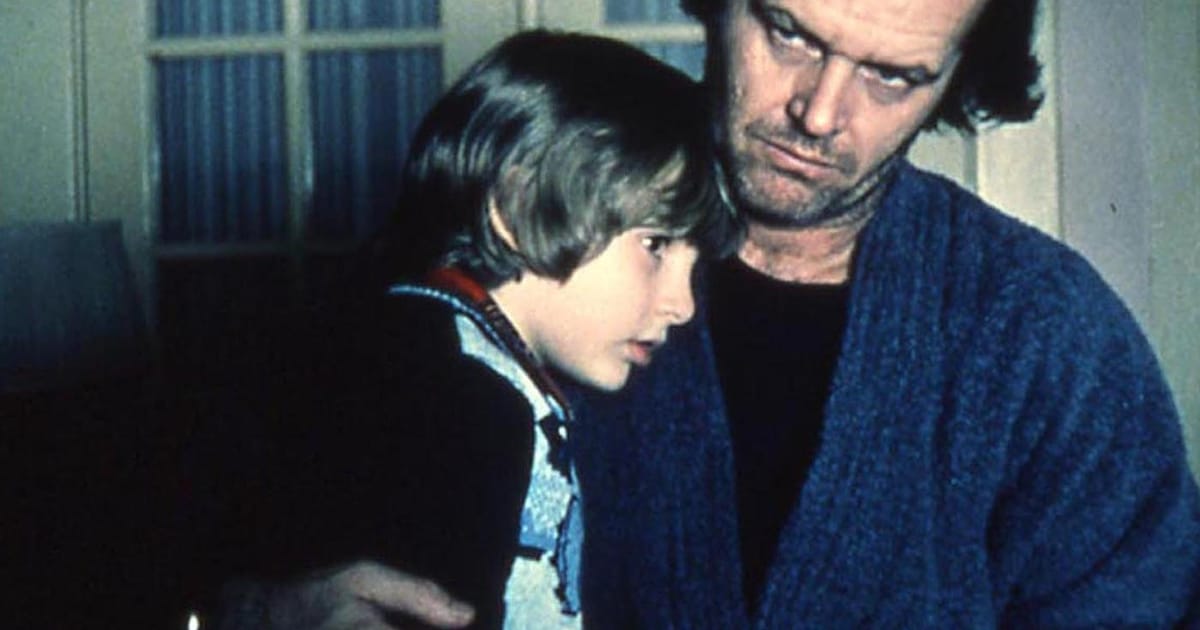

Few horror movies have moved from “pretty weird” to “near-religious text” as fast as
The Shining. What started in 1980 as a chilly, divisive Stanley Kubrick film based
(loosely!) on Stephen King’s novel has slowly climbed into “one of the greatest horror
movies ever made” territory. Today, critics rank it near the top of almost every
“best horror” list, film students dissect it shot by shot, and regular viewers still
argue online about whether it’s brilliant, overrated, or simply cursed to haunt their
dreams forever.
In this guide, we’ll walk through how The Shining ranks in horror history, why
critics and fans can’t stop debating it, how King’s original story changes the way you
see Kubrick’s movie, and which scenes truly deserve “all-time classic” status. Then
we’ll finish with a more personal, experience-based look at what it actually feels like
to live with this film in your head long after the credits roll.
Where Does The Shining Rank Among Horror Classics?
If you only glanced at the film’s early reviews, you’d never guess how revered
The Shining would become. Initial reactions were mixed; some critics thought it
was slow, cold, or too interested in style over scares. Over the decades, though, the
movie has been almost completely reappraised.
Today, its rankings read like a horror fan’s fantasy résumé:
-
Frequently cited among the top five horror films of all time by major
outlets and critics’ polls. -
Named one of the scariest movies ever by multiple publications and TV
specials, with scenes like the twins in the hallway and the maze chase appearing high
on “scariest moments” lists. -
Included on “greatest movies of all time” lists, not just horror-specific rankings,
reflecting its broader cinematic influence. -
Statistically analyzed in at least one study as a near-“perfect” scary movie because of
its balance of suspense, shock, pacing, and atmosphere.
Add in strong aggregated scores and the fact that it’s been endlessly rediscovered by new
generations, and it’s fair to say: The Shining doesn’t just sit comfortably near
the top of horror rankings; it leans back, sips a drink in the Gold Room, and owns the
place.
Why Critics Keep Pushing The Shining Up the Lists
The Overlook Hotel: A Character All Its Own
One reason critics adore The Shining is that it doesn’t just tell a ghost story;
it builds a world. The Overlook Hotel isn’t just a settingit’s a full-blown
character with mood swings.
Kubrick’s use of long tracking shots, symmetrical framing, and eerily empty corridors
turns the hotel into a kind of psychic maze. The infamous carpet patterns, the blood
elevator, the endless hallways, the Gold Room, and the hedge maze all create an
environment where you always feel watched, even when nothing is happening on screen.
Modern rankings often highlight these stylistic choices when they praise the film. The
hotel’s look, combined with the chilling sound design and score, gives
The Shining a distinctive visual and auditory fingerprint that makes it instantly
recognizable in still images or short clips.
Deeper Themes: Addiction, Isolation, and the Family Meltdown
Another reason the film keeps climbing critic lists is that it ages remarkably well.
Underneath the haunted-hotel surface, The Shining is about:
- Addiction and relapse – Jack Torrance is a recovering alcoholic whose past violence still shadows the family.
- Isolation and mental health – The off-season caretaker job turns cabin fever into a full psychological breakdown.
- Family trauma – Wendy and Danny aren’t just props; they’re survivors navigating the fallout of Jack’s unraveling.
These themes feel even more relevant in an era where discussions of mental health,
addiction, and domestic violence are far more open than they were in 1980. The movie’s
ambiguityhow much is supernatural, how much is Jack’s mindkeeps critics and fans
reinterpreting it every decade.
Performances You Can’t Forget (Even If You Want To)
Let’s be honest: part of why The Shining ranks so highly is because Jack
Nicholson swung for the fences and never put the bat down. His Jack Torrance is
charismatic, funny, terrifying, and utterly unhingedsometimes all in the same shot.
Shelley Duvall’s Wendy, long misunderstood and even mocked, has also undergone a reevaluation.
Modern critics point out that her performanceshaking, exhausted, and emotionally rawmay be
one of the most realistic depictions of a person trapped in an escalating domestic nightmare.
Add Danny Lloyd’s eerie calm and Scatman Crothers’ soulful Hallorann, and you get a cast
that keeps viewers emotionally hooked even when the story drifts into surreal territory.
Book Fans vs. Movie Fans: Two Very Different Shines
No conversation about The Shining rankings is complete without acknowledging the
elephant in the ballroom: Stephen King really does not like this adaptation.
King’s issues with the film highlight how differently the novel and movie operate:
-
Character focus: In the book, Danny is the emotional core and primary
lens; in the film, Jack takes center stage. -
Jack’s arc: King wrote Jack as a basically decent man destroyed by
addiction and the hotel’s evil. Kubrick’s Jack feels unstable from the start, which
makes the descent into madness feel more inevitable than tragic. -
Wendy’s strength: Novel-Wendy is stronger, more independent, and more
assertive. Film-Wendy is far more anxious and fragile, which King has heavily criticized. -
Supernatural vs. psychological: King leans into the hotel as a truly
haunted, external evil. Kubrick often suggests the horror may be largely internalJack’s
own demons amplified by the setting. -
Ending differences: The book famously ends with the hotel burning.
The film ends with the maze, the freeze, and that unsettling old photographcold in every
sense of the word.
Many readers rank the novel higher than the film because it offers a richer,
warmer, and more emotionally detailed exploration of family, addiction, and redemption.
Meanwhile, many cinephiles rank the film higher than the book because it’s a
visually daring, meticulously crafted piece of cinema that rewards endless analysis.
The result? Two camps, two rankings, and one story that keeps generating arguments at
horror conventions and Thanksgiving dinners alike.
Ranking the Most Unforgettable Moments in The Shining
You could watch The Shining once and still rattle off half a dozen scenes that
got permanently burned into your brain. Here’s a ranked look at some of the most iconic
moments, based on fan discussions, critic lists, and decades of cultural references.
1. “Here’s Johnny!” at the Bathroom Door
Jack smashing through the bathroom door while Wendy screams and the camera traps us in
that tiny space is arguably the film’s defining image. Nicholson’s improvised line, wild
eyes, and the sheer physicality of the scene are why this moment routinely tops “scariest
scenes” lists and gets quoted in completely inappropriate contexts at parties.
2. The Twins in the Hallway
Danny’s tricycle tour of the carpeted hallways leads to one of horror’s most famous jump-cut
montages: the Grady twins standing silently, the flash of their murdered bodies, and their
polite, monotone “Come play with us, Danny.” It’s simple, restrained, and absolutely devastating.
3. The Elevator of Blood
Technically more symbolic than literal within the story, the elevator doors bursting open in a
tsunami of blood has become shorthand for “things are not okay at the Overlook.” It’s one of
those shots that doesn’t make rational sense but visually nails the idea of the hotel’s buried
violence rising to the surface.
4. Room 237
Jack’s visit to Room 237 is a master class in escalating dread. The beautiful woman in the
bathtub, the slow approach, the kiss that curdles into horror as she transformsthis sequence
is regularly cited by viewers as the moment where they thought, “Nope, I’m never staying in a
historic hotel again.”
5. “All Work and No Play…”
Wendy discovering that Jack’s “novel” is actually thousands of pages of the same sentence
arranged in eerie patterns is one of the film’s most psychologically disturbing reveals. It
tells you everything about Jack’s mental state without needing a single supernatural effect.
6. The Hedge Maze Finale
The snowy maze chase is a perfect climax: Jack roaring with rage, Danny outsmarting him with
careful footprints, and the final frozen image of Jack’s face. It’s tense, clever, and
visually unforgettable, and it seals the movie’s preference for icy imagery over fiery
destruction.
7. The Final Photograph
Ending with a slow push-in on a 1920s ballroom photo where Jack appears front and center is
the ultimate “wait, what?” moment. Is he reincarnated? Absorbed by the hotel? Has he always
been there? No matter how you interpret it, this final image is a big reason
The Shining lingers in viewers’ minds long after they shut off the TV.
Is The Shining Overrated, Underrated, or Just Right?
Opinions on The Shining fall into a few predictable categories:
-
The True Believers: For this group, The Shining is not just the
best horror film ever made; it’s a top-tier film, period. They love the pacing, the
ambiguity, and the fact that every rewatch reveals new details. -
The “It’s Too Slow” Crowd: Some viewers, especially those raised on
modern, jump-scare-heavy horror, find the movie cold, confusing, or frustratingly slow.
They often rank other King adaptationslike Misery or The Misthigher
for emotional impact. -
The Book Loyalists: Fans devoted to King’s novel frequently rank the book
above the film. They appreciate the deeper characterization, clearer supernatural rules,
and more emotionally satisfying arc for Jack.
Interestingly, even some critics who were initially lukewarm on the film later changed their
minds after revisiting it years later. That pattern“I didn’t get it at first, but I can’t
stop thinking about it”is exactly why the movie keeps climbing lists. It may not deliver the
instant adrenaline hit of some horror movies, but its slow, uncanny power keeps it lodged in
people’s personal rankings.
How The Shining Still Shapes Horror and Pop Culture
Part of the film’s high standing comes from how deeply it has seeped into pop culture. Even
if someone hasn’t seen The Shining, they’ve probably:
- Heard “Here’s Johnny!” shouted by someone wielding a door, a pillow, or a cardboard box.
- Recognized that orange-and-brown carpet pattern on memes, T-shirts, and Halloween costumes.
- Seen parodies in shows like The Simpsons, where the Overlook becomes a cartoon fever dream.
- Noticed references in other horror films, video games, and even music videos.
On the literary side, the ongoing comparison between King’s novel and Kubrick’s film has
created a kind of permanent discussion forum about adaptation, authorship, and who “owns” a
story once it moves from page to screen. That meta conversation keeps both versions alive in
rankings and academic debates.
Tips for Watching (or Rewatching) The Shining Today
If you’re planning to watch or revisit The Shining, here are a few ways to get the
most out of it:
-
Don’t expect a jump-scare rollercoaster. Think of it more as a slow,
creeping anxiety attack with surreal spikes of terror. -
Pay attention to the background. Mirrors, patterns, and small continuity
oddities fuel many theories and contribute to the film’s unsettling feel. -
Consider the family dynamics. The movie hits harder if you focus on
Wendy and Danny as real people trapped with someone they love and fear. -
Try pairing it with the book. Reading King’s novel and then rewatching the
film (or vice versa) gives you two very different but complementary experiences of the same
basic story.
When you look at rankings and opinions through that lens, The Shining earns its
lofty position not just by being scary, but by being rewatchable, discussable, and strangely
beautiful in its brutality.
Experiences and Reflections: Living With The Shining
Rankings and critic scores are one thing; what really determines a horror classic is how it
lives in people’s heads afterward. The Shining is one of those movies that doesn’t
politely leave when the credits rollit moves into your mental Overlook and rearranges the
furniture.
Viewers often talk about their first time seeing the film as an experience in slow realization.
The opening helicopter shots over the mountains feel almost peaceful. The hotel looks a little
strange but cozy. Jack cracks jokes, Wendy tries her best, and Danny quietly rides his tricycle
around. Then, without a clear turning point, the mood shifts. The air feels heavier. The
hallways seem longer. The silence becomes louder.
For many people, the scariest part isn’t any single jump scareit’s the moment they realize
they no longer feel safe inside the movie. Maybe it happens in the hallway with the twins,
when the film suddenly cuts to something unspeakable. Maybe it’s during the “All work and no
play” reveal, when the slow burn of Jack’s breakdown becomes unmistakable. Or maybe it’s the
simple, chilling image of Jack staring out the window, completely still, while Wendy happily
talks about the snowstorm behind him, unaware of the storm building in front of her.
Horror fans who revisit The Shining over the years often describe their relationship
with the film as evolving. Younger viewers might initially latch onto the big, loud elements:
the ax, the blood, the ghosts. Later rewatches shift focus toward quieter horrors: addiction
repeating its cycles, emotional neglect, and the way Wendy and Danny tiptoe around Jack,
constantly checking the emotional temperature of the room like it might explode at any second.
Some people make a tradition out of watching it every wintera kind of creepy seasonal ritual.
The snowed-in Overlook feels particularly relatable when you’re stuck inside during cold,
dark months. Others seek out real-world locations associated with the story, like the hotels
that inspired or stood in for the Overlook, just to feel a little closer to the legend (and,
let’s be honest, to take a photo in a hallway that looks dangerously familiar).
Even casual viewers sometimes find the film spilling into their everyday lives. A long,
empty hotel corridor suddenly feels wrong. A repetitive task at work starts to look a little
too much like “all work and no play.” A creaky old building makes you wonder what memories
it would show you if its walls could bleed.
That’s the real power behind all the rankings and opinions: The Shining doesn’t just
perform well on lists; it leaves a mark. Whether you consider it the greatest horror film of
all time, an icy art-house nightmare, or something in between, it’s hard to watch it and then
go back to feeling completely normal about hotels, family vacations, or vintage typewriters.
And maybe that’s the fairest ranking of all: a horror movie that keeps quietly echoing in your
thoughts for days, months, or even years after you’ve seen it has already done something most
films never achieve. Lists change, tastes evolve, but the Overlook Hotel seems determined to
stay open in our collective imaginationwhether we like it or not.