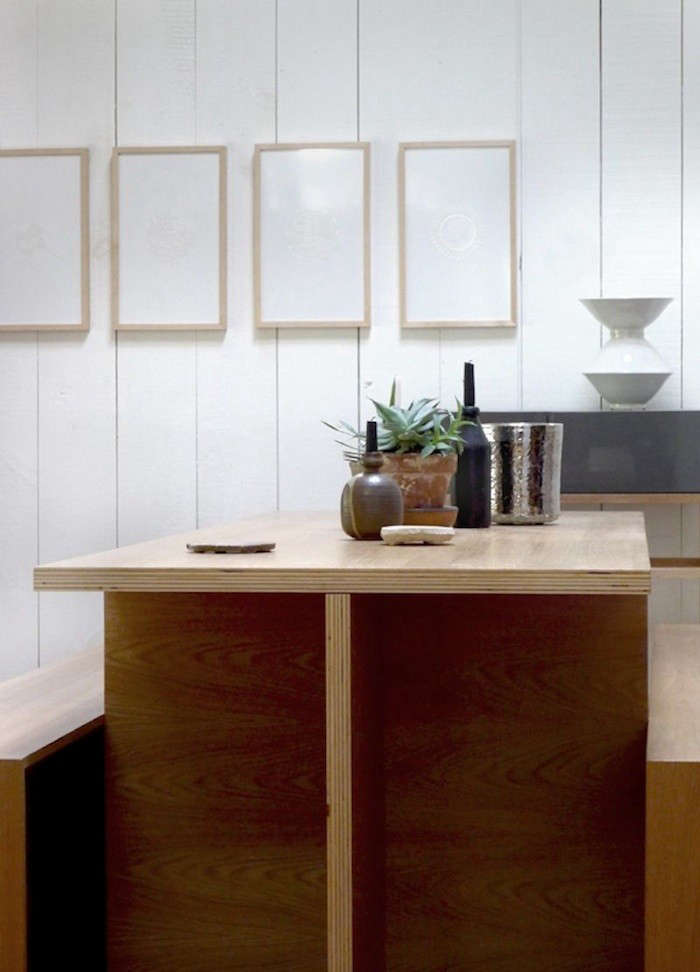

Some homes shout. They flash polished marble, oversized chandeliers, and sofas that look like they came with their own security guards. Then there are homes that speak in a lower register. They invite you to breathe, sit down, notice the grain of a table, the softness of linen, the way afternoon light lands on bare wood floors. That is the world behind “The Quiet Man: At Home with a NY Designer”a study in restraint, warmth, and the kind of New York design intelligence that does not need to raise its voice to be unforgettable.
The phrase points naturally to the work and domestic philosophy of British-born, New York-based designer Richard Ostell, whose interiors and furniture designs have long been admired for their calm confidence. His approach is not minimalist in the cold, museum-like sense. It is quieter, warmer, and more human. Think natural materials, edited rooms, honest textures, antiques with a past, handmade pieces, soft neutrals, and spaces that feel lived in rather than staged for a perfectly symmetrical sneeze.
At its best, this kind of interior design is not about owning expensive things. It is about knowing what matters, removing what does not, and letting a home become a refuge. In a city like New York, where noise is practically a weather condition, that idea feels less like a style trend and more like a survival skill.
Who Is the “Quiet Man” in New York Design?
Richard Ostell’s design language is often described through words like restrained, natural, understated, and low-key luxury. Those words can sound simple until you try to pull them off. Anyone can buy beige paint and a linen sofa. The art is making a room feel calm without becoming bland, elegant without becoming stiff, and personal without becoming cluttered.
Ostell’s career moves across fashion, interiors, product design, and creative direction. That range matters because his rooms often feel as carefully edited as a well-cut garment. Nothing seems accidental. A white oak table, a copper side table, a linen-covered sofa, a bare window, or a dark-stained coffee table is chosen not only for appearance but for proportion, texture, and feeling.
His interiors show that quiet design is not empty design. It is full of decisionsjust not loud ones. The best rooms are like a thoughtful dinner guest: interesting, relaxed, and not trying to dominate the conversation before the soup arrives.
The Design Philosophy: Restraint Without Boredom
The heart of this New York designer home style is restraint. But restraint should never be confused with deprivation. A restrained room can still have depth, comfort, humor, and soul. The difference is that every object earns its place.
Natural Materials Do the Talking
One of the clearest signatures of this look is the use of natural materials: wood, stone, brick, linen, cotton, leather, plaster, and metal finishes that age gracefully. These materials bring texture and quiet variation. A white room with synthetic surfaces can feel flat. A white room with oak, linen, old brick, honed stone, and cotton can feel alive.
In Ostell’s world, wood is not just wood. Rift-cut white oak has a calm, linear grain. Reclaimed flooring brings memory. A dark-stained oak table adds weight. Linen wrinkles a little, because linen has a personality and refuses to behave like plastic wrap. Stone adds coolness and permanence. Copper and brass introduce warmth without shouting “look at me” from across the room.
Color Is Muted, Not Missing
The quiet luxury home often uses whites, taupes, grays, creams, browns, and soft earth tones. These colors create continuity, especially in open spaces or multi-level homes where rooms need to relate to one another. But muted color does not mean one sad shade of oatmeal spread across everything like breakfast wallpaper.
The best quiet interiors layer tones carefully. Warm white against natural linen. Pale gray beside weathered wood. Taupe walls near antique brass. Off-white cabinetry paired with pale green tile. A darker office that makes art feel more intense. These choices create a kind of visual rhythm. The room does not shout in color; it hums.
Furniture Has Shape, Purpose, and Breathing Room
In a quiet New York interior, furniture is rarely there just to fill space. Sofas are generous but simple. Tables are sculptural but useful. Benches invite gatherings without demanding attention. Side tables may be handmade, modest in scale, and beautifully proportioned.
Ostell’s furniture designs often reflect this balance: clean lines, strong materiality, and a handmade quality. They are modern, but not trendy. They work because they are reduced to what they need to be. No unnecessary ornament. No furniture wearing jewelry to brunch.
Inside the Look: A Converted Barn and a West Village Townhouse
The most compelling examples of this quiet design philosophy come from homes that balance architecture, practicality, and emotion. Two especially useful case studies are a converted barn in Westchester and a West Village townhouse designed for an art collector and his young son.
The Westchester Barn: Space, Air, and a Deep Exhale
The converted barn captures the peaceful side of Ostell’s design vocabulary. With soaring ceilings, open space, and a close relationship to the outdoors, the home is built around relaxation. The palette is largely white, but the room avoids sterility through natural materials such as brick, stone, wood, linen, and cotton.
The furniture mix is especially important. Instead of relying only on showroom pieces, the home combines antiques, junk-store finds, and Ostell’s own designs. That blend keeps the space from feeling too perfect. A home should have a pulse. A room with only brand-new pieces can look as if it is waiting for permission to become interesting.
Bare floors, uncovered windows, and simple bedroom roller blinds all support the same idea: let the architecture and materials breathe. The result is a home that feels restful without being sleepy, edited without being severe, and elegant without becoming precious.
The West Village Townhouse: Quiet Enough for Art, Strong Enough for Real Life
The West Village townhouse shows another side of the quiet man aesthetic. This was not a whitewashed country refuge but a city home for an art collector and a young child. It needed to be calm, refined, and durable. In other words, the home had to handle both serious artwork and the possibility of a six-year-old moving through the house with the energy of a small weather event.
Instead of white walls, the townhouse used shades of taupe and gray. That decision gave the home warmth and helped create harmony across five open floors. The colors also allowed the art collection to sit comfortably within the architecture. This is a key lesson: quiet design does not erase personality. It creates the right background for personality to show up.
The furniture mix included linen-covered sofas, antiques, custom pieces, midcentury finds, and Ostell’s own minimalist designs. Reclaimed wood floors, walnut architectural details, honed stone, and carefully controlled lighting helped create a house that felt layered and grounded. The kitchen, with its communal feeling and dimmable lighting, proves that understated design can still be sociable. Quiet does not mean antisocial. It just means the room is not wearing tap shoes.
Why Quiet Luxury Still Feels Relevant
Quiet luxury has become a major interior design phrase in recent years, but the idea behind it is older than the hashtag. It is the belief that quality, proportion, materials, and craftsmanship matter more than obvious branding or decorative noise.
This is one reason Ostell’s approach still feels current. Today’s homeowners are increasingly interested in spaces that feel restorative. They want rooms that support daily life, not just rooms that photograph well. Natural materials, fewer but better furnishings, soft colors, flexible lighting, and a sense of calm all speak to that need.
The quiet luxury interior is not about pretending nobody lives there. It is about designing so life looks better when it happens. A linen sofa can handle a wrinkle. A wood table can gain character. A vintage chair can bring history. A handmade object can remind you that a person, not just a supply chain, had something to do with your home.
How to Bring the Quiet NY Designer Look Into Your Own Home
You do not need a West Village townhouse, a converted barn, or a designer’s budget to borrow from this philosophy. The principles are surprisingly practical. The challenge is not spending more; it is choosing better.
1. Edit Before You Add
Before buying anything, remove what is not working. Quiet interiors depend on breathing room. Clear surfaces, reduce visual clutter, and keep the objects that carry meaning or function. This does not mean living like a monk with a Wi-Fi router. It means letting your best pieces have space to be seen.
2. Choose Natural Texture Over Decorative Noise
If a room feels flat, add texture before adding pattern. Try linen curtains, a wool rug, a wooden stool, a stone tray, a ceramic lamp, or a cotton throw. Texture creates richness without chaos. It is the design equivalent of speaking softly and still being heard.
3. Use a Connected Color Palette
Pick a family of tones and stay close to it. Warm whites, creams, taupes, soft grays, muted browns, and gentle greens can work beautifully together. For a small apartment, this creates flow. For a larger home, it creates continuity. The trick is variation: combine light, medium, and dark tones so the room has depth.
4. Mix Old and New
A room filled with only new furniture can feel oddly anonymous. Add at least one piece with age: an antique mirror, a vintage chair, a flea-market table, an old ceramic bowl, or a framed drawing. These pieces make a home feel collected rather than installed.
5. Let Lighting Create Mood
Quiet interiors depend heavily on lighting. Use lamps, sconces, dimmers, and warm bulbs to create atmosphere. Overhead lighting alone can make even a beautiful room feel like a dentist’s waiting area. Nobody wants their living room to ask, “Have you been flossing?”
6. Buy Fewer, Better Pieces
The quiet man approach favors longevity. A solid wood table, a well-made sofa, or a handmade lamp may outlast several rounds of trendier purchases. This does not mean everything must be expensive. It means the object should have integritygood material, useful shape, and a reason to stay.
Specific Room Ideas Inspired by the Quiet Man Aesthetic
Living Room
Start with a comfortable linen or cotton-covered sofa in a neutral tone. Add a wood coffee table, one sculptural lamp, and a textured rug. Keep art personal and avoid overfilling the walls. If you have exposed brick, old beams, or original floors, let them be part of the design instead of covering them up.
Dining Area
A simple wood dining table with benches or classic chairs can create the same communal feeling seen in Ostell’s interiors. Add ceramic dishes, linen napkins, and low lighting. The goal is not a formal dining room that intimidates guests into whispering. The goal is a table where people linger.
Bedroom
Use natural bedding, simple window treatments, and soft wall colors. Avoid too many decorative pillows unless you enjoy performing a nightly pillow-removal ceremony. A quiet bedroom should make sleep feel inevitable.
Kitchen
Choose honest materials: wood shelves, stone counters, ceramic tile, brass or dark metal hardware, and lighting that can be adjusted. A quiet kitchen still works hard; it simply does so without looking like a showroom appliance parade.
The Emotional Power of Quiet Design
What makes this style memorable is not only how it looks but how it feels. A quiet home gives the mind somewhere to land. It reduces visual friction. It allows daily ritualscoffee, reading, cooking, talking, restingto become more noticeable.
There is also a democratic lesson here. Quiet design is not about having less personality. It is about expressing personality with more care. A stack of books you truly read, a chair found on a weekend trip, a table made by hand, a painting that means something, or a lamp that casts beautiful light can matter more than a room full of status purchases.
In that sense, the quiet man is not only a designer. He is a reminder that home does not need to perform for strangers. It needs to support the people who live there.
Experience Notes: Living With the Quiet Man Mindset
Spending time with the ideas behind “The Quiet Man: At Home with a NY Designer” changes the way you look at a room. At first, you may notice what is missing: no loud patterns fighting for attention, no cluttered surfaces, no furniture trying to become the main character. But after a while, the missing noise becomes the point. The room begins to feel calmer because it is not demanding constant interpretation.
One of the most useful experiences related to this topic is the simple act of editing a living room. Remove half the small objects from a coffee table, leave one good book, one ceramic bowl, and perhaps a small vase with branches. Suddenly the table looks intentional. The room may not be “finished” in the magazine sense, but it feels more awake. The eye can rest. The objects that remain seem more important because they are no longer trapped in a decorative traffic jam.
Another experience comes from working with natural materials. A wood table changes the mood of a room in a way a glossy synthetic surface rarely can. Linen curtains soften light differently than plastic blinds. A wool rug makes footsteps quieter. Ceramic, stone, brass, and cotton each add their own subtle voice. None of these materials needs to be fancy. Even a thrifted wooden stool can bring warmth if the shape is good and the patina feels honest.
Quiet design also teaches patience. Many people decorate too quickly because an empty corner feels like a problem. But in a calm interior, emptiness can be useful. It gives the room structure. It lets architecture show. It leaves space for future discoveries. The best homes often look collected over time because they actually were collected over time. That slow process is healthier than panic-buying a console table at midnight because the internet said your entryway lacks “a moment.” The entryway will survive.
In a New York context, this approach feels especially powerful. City life is full of compression: small apartments, crowded streets, busy schedules, loud restaurants, bright screens, and neighbors who apparently practice furniture moving as a midnight hobby. A quiet home becomes a counterweight. It does not solve every problem, but it gives the nervous system a softer place to land.
The most important takeaway is that quiet luxury is not a costume. It is not achieved by buying a beige sofa and declaring yourself spiritually complete. It comes from attention: to light, proportion, texture, memory, comfort, and usefulness. A home inspired by Richard Ostell’s quiet design philosophy should still feel like your home. It should hold your books, your art, your morning coffee, your imperfect habits, and maybe one drawer that remains chaotic because humanity must be preserved somewhere.
That is why this topic resonates beyond interior design. It is really about choosing a slower, more thoughtful relationship with the objects around us. A quiet room asks better questions: Do you need this? Do you love this? Will it last? Does it help you live better? Answer those honestly, and your home may become quieternot empty, not cold, but deeply, wonderfully calm.
Conclusion
“The Quiet Man: At Home with a NY Designer” is more than a title. It is a design lesson in restraint, natural materials, personal history, and understated elegance. Richard Ostell’s approach shows that a beautiful home does not need to be loud to be luxurious. It needs to be thoughtful.
From a converted Westchester barn filled with white, wood, linen, and air to a layered West Village townhouse built around art, family, and urban refuge, the quiet man aesthetic proves that calm interiors can still be rich, practical, and deeply personal. The secret is not perfection. It is intention. Choose fewer things. Choose better materials. Let rooms breathe. Let objects carry meaning. And when in doubt, remember: the quietest room often has the most to say.
Editorial note: This article is an original, publication-ready synthesis based on verified design reporting, real designer information, and current American interior design principles. Source links are intentionally not inserted per publishing requirements.