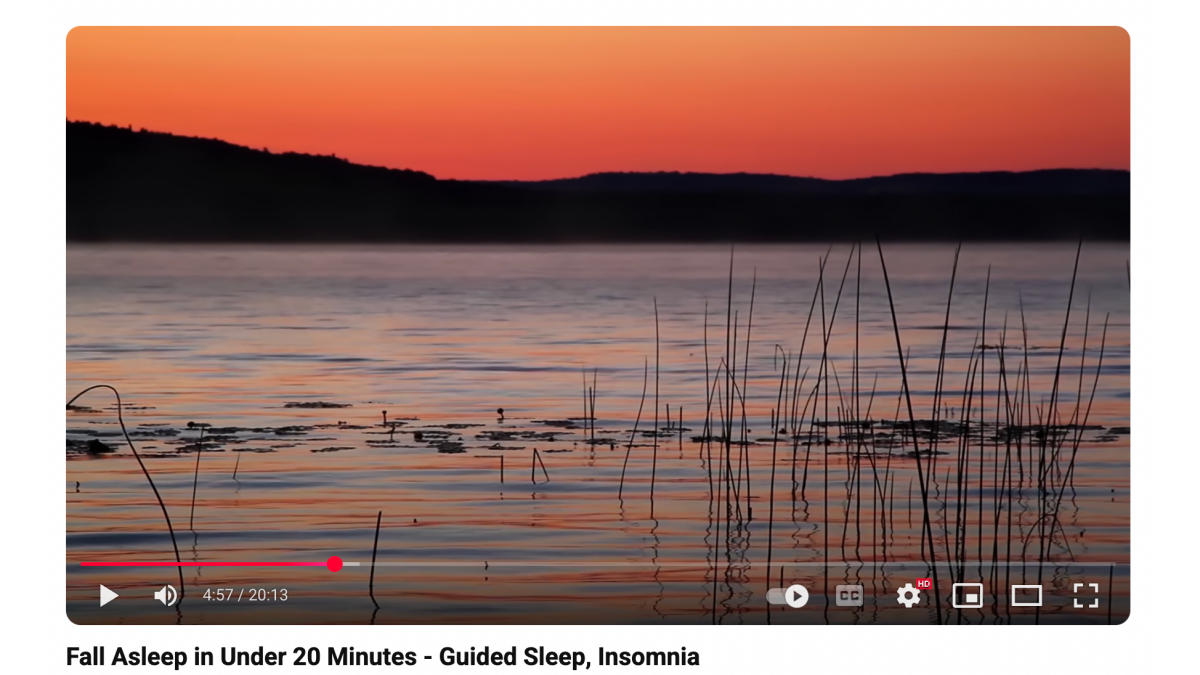

Some people fall asleep the moment their head hits the pillow. Other people lie there replaying conversations from 2019, mentally reorganizing the kitchen, and suddenly wondering whether penguins have knees. If you belong to the second group, YouTube can be surprisingly useful at bedtimeprovided you use it as a sleep tool, not as a launchpad for “just one more video” that turns into a documentary about Roman concrete at 2:07 a.m.
The best sleep YouTube channels do one thing really well: they give your brain something gentle, predictable, and low-stakes to follow. That might be a guided sleep meditation, steady white noise, soft ASMR triggers, or long-form music designed to help your thoughts stop doing laps around the track. The wrong channel can be too bright, too chatty, too ad-heavy, or too weird in a way that keeps you alert. The right channel feels like someone quietly turning down the volume on your entire nervous system.
After reviewing real sleep guidance and the official content styles of top sleep-focused creators, four channels stand out for different kinds of restless nights. These are not random picks. Each one serves a distinct sleep personality: the overthinker, the light sleeper, the noise-hater, and the person whose brain apparently thinks bedtime is open mic night.
Why YouTube Can Help You SleepAnd Why It Can Also Betray You
Let’s start with the obvious contradiction: screens before bed are not exactly the gold standard of sleep hygiene. A calming bedtime routine, lower stimulation, and less screen use close to lights-out are all better for sleep than endlessly scrolling. That part is not controversial. But audio-based content can still be useful when it replaces more stimulating habits and becomes part of a consistent wind-down routine rather than a digital carnival.
In plain English: if you swap doomscrolling, frantic texting, and dramatic true-crime recaps for a dim screen, a sleep timer, and a soft 8-hour rain track, that is a net improvement. The trick is to make YouTube boring in the most beautiful way possible. Sleep loves repetition. Sleep loves predictability. Sleep loves content that asks absolutely nothing of you.
That is why the best YouTube channels for sleep usually lean into one of four styles: guided meditation, white noise, binaural-style sleep music, or ASMR. Not every format works for every person. Some people find whispers soothing; others hear one mouth sound and immediately become spiritually hostile. Some people love rain audio; others need narration because silence-plus-thoughts equals chaos. The goal is not to pick the most popular channel. The goal is to pick the one your nervous system will stop arguing with.
How We Picked the Four Best Sleep YouTube Channels
To narrow the list, I looked for channels that meet the real-life standards of bedtime usefulness:
- Long-form content that does not end just as you are drifting off
- Simple, sleep-friendly production instead of flashy editing
- Clear specialization, so you know what you are getting
- Consistent themes such as white noise, meditation, or ASMR
- Content that fits common sleep needs, not just niche tastes
In other words, this is not a list of “channels that technically have relaxing videos.” It is a list of channels that can realistically become part of a nightly routine.
1. Jason Stephenson – Guided Sleep Meditation
Best for: People whose minds refuse to shut up at night
If your main sleep problem is mental overactivity, Jason Stephenson is one of the strongest places to start. His channel focuses on guided meditations designed to help listeners release tension, slow down anxious thoughts, and ease into sleep. He is not trying to wake you up with a big personality. He is trying to escort your brain out of the group chat.
The appeal here is structure. A lot of people do better with a voice than with pure sound. When your mind is racing, ambient music can leave too much empty space for intrusive thinking. Guided sleep meditation gives your attention a gentle job: follow the breathing, notice the body, let the narration carry you forward. That is useful for bedtime because it shifts you out of problem-solving mode and into passive listening mode.
Jason Stephenson’s tone is calm without sounding robotic, and his channel offers a wide range of sleep meditations, body scans, anxiety-release sessions, and sleep-focused audio that feels purposeful rather than generic. This makes the channel especially good for people who do not merely want “background noise.” They want help getting out of their own heads.
Why it works: narration creates a mental handrail. When thoughts scatter in twelve directions, a steady voice gives them one place to land.
Try this channel if: you often feel tired but mentally “on,” or if silence at bedtime turns into a TED Talk hosted by your anxiety.
2. Relaxing White Noise
Best for: Light sleepers and anyone who hates random environmental sounds
Some people do not need meditation. They need the neighbor’s motorcycle, hallway chatter, barking dog, and mysteriously aggressive plumbing to disappear. That is where Relaxing White Noise shines. The channel specializes in long-form sleep sounds, including white noise, fans, rain, ocean textures, black-screen videos, and other steady sound environments built for sleeping, relaxing, or staying asleep.
This is the channel for people who think, “Please do not make me feel enlightened. Just cover the noise from outside.” And honestly, that is a completely valid sleep strategy.
Steady background sound can help mask disruptive noise, which matters because broken sleep is often less about dramatic insomnia and more about tiny interruptions: a car door, a creaky floor, the sound of someone apparently rearranging furniture three apartments away. White noise and similar sound textures can create a more consistent sleep environment, which many people find easier to relax into.
What makes this channel especially bedtime-friendly is its practicality. The videos are long, straightforward, and often visually minimal. There is no need to overthink it. Pick a fan sound, press play, lower the brightness, and let your room become acoustically boring. Boring is excellent at 11:30 p.m.
Why it works: it reduces sound contrast. Your brain notices sudden changes. Constant sound gives it less to react to.
Try this channel if: you wake easily, sleep in a noisy home, or secretly believe a good box fan deserves a humanitarian award.
3. SleepTube – Hypnotic Relaxation
Best for: People who want immersive sleep music without spoken guidance
SleepTube sits in the sweet spot between pure ambient audio and more intentionally engineered sleep soundscapes. The channel is known for long sleep music tracks, calming visuals, and music built around deep relaxation themes, including binaural-style content and slow, immersive sound design for insomnia relief and nighttime unwinding.
If Jason Stephenson is a bedtime coach and Relaxing White Noise is a sonic blanket, SleepTube is more like a dark, cinematic tunnel to nowherein a good way. It is ideal for listeners who want to feel held by the audio but do not want someone talking to them while they are trying to disappear into the mattress.
The benefit of this kind of channel is mood without narrative. Music can help create a transition between day mode and sleep mode, especially when it is slow, repetitive, and emotionally neutral. SleepTube’s catalog is broad enough to let people experiment with different stylesdeeper tones, softer tracks, black-screen formats, longer sessionswithout wandering into the chaotic wilderness of unrelated YouTube recommendations.
This channel is also a strong choice for people who dislike ASMR and do not connect with meditation language. No whispering. No “visualize your safe place” monologue. Just sustained sleep-focused sound that asks you to do less and less until you hopefully stop existing for eight hours in the healthiest possible way.
Why it works: immersive music helps create a mental transition. You stop listening to something and start sinking into it.
Try this channel if: you want sleep music that feels richer than plain white noise but less interactive than guided meditation.
4. Gentle Whispering ASMR
Best for: People who relax with soft voices, personal attention, and classic ASMR triggers
ASMR is not for everyone, but for the people it works on, it really works. Gentle Whispering ASMR is one of the most recognizable names in the genre, and for good reason. The channel is built around whispering, soft-spoken roleplays, gentle hand movements, personal attention, and classic trigger styles that many viewers use to relax and fall asleep.
The magic of ASMR is hard to explain to someone who has never felt it. To fans, it can create a sense of calm, safety, and physical softnessthe mental equivalent of having someone tuck a blanket around your shoulders and say, “You are done for today.” To non-fans, it may sound like a person alphabetizing cotton balls near a microphone. Both reactions are real.
Gentle Whispering works because the tone is unhurried and reassuring. The channel does not rely on chaos or gimmicks. It leans into classic ASMR pacing: slow speech, gentle sounds, minimal urgency, and the kind of low-pressure attention that can quiet a buzzing mind. That makes it a strong pick for people who relax with human presence more than with abstract sound.
Why it works: ASMR can create a deeply calming, low-threat sensory experience that some people associate with comfort and sleepiness.
Try this channel if: whispers, soft-spoken videos, or personal-attention roleplays make you feel calmer rather than mildly alarmed.
Which Channel Is Best for You?
Choose Jason Stephenson if…
You need help turning off intrusive thoughts, anxiety spirals, or bedtime rumination.
Choose Relaxing White Noise if…
Your environment is noisy, you wake easily, or you sleep best with steady sound in the background.
Choose SleepTube if…
You want long, immersive sleep audio without talking, whispering, or too much personality.
Choose Gentle Whispering ASMR if…
You find soft voices, slow movements, and close, calming audio deeply relaxing.
How to Use Sleep YouTube Without Accidentally Staying Awake Longer
This part matters. Even the best sleep channel can backfire if you use it badly. YouTube is a sleep aid only when you bully it into behaving like one.
- Use a sleep timer if your device allows it.
- Lower screen brightness before pressing play.
- Pick long videos so silence does not arrive like a jump scare.
- Choose black-screen or visually minimal videos when possible.
- Do not browse in bed for 20 minutes “looking for the perfect track.” That is not sleep hygiene. That is shopping.
- Save a short bedtime playlist ahead of time so your tired brain does not make decisions at midnight.
Also, be honest with yourself. If YouTube reliably turns into comments, recommendations, shorts, and random internet rabbit holes, use the audio and then put the phone face down. Your goal is not to become “productive about sleep.” Your goal is to become unconscious.
The Real Experience of Using YouTube to Fall Asleep
Here is the thing nobody tells you when they recommend sleep YouTube: the “best” channel often changes from night to night. Some evenings you want a soothing voice. Some evenings even a soothing voice feels like one more person asking something of you. Some nights rain sounds feel heavenly. On other nights they make you feel like you are trapped in a very damp basement. Sleep is personal, moody, and a little dramatic.
That is why these four channels work so well as a group. They cover different versions of tired. There is tired-and-anxious. Tired-but-overstimulated. Tired-and-irritated-by-noise. Tired-but-needing comfort. Once you know which version of tired you are dealing with, picking the right channel gets much easier.
What It Actually Feels Like to Use These Channels Night After Night
The first time you use a sleep YouTube channel, it can feel a little silly. You dim the room, put on headphones or set the phone on the nightstand, and press play on a stranger whispering, a fan humming, or a meditation voice telling you to release the day. Part of your brain may roll its eyes. That is normal. Your brain is used to stimulation, not surrender.
But after a few nights, something interesting happens. The routine itself starts doing part of the work. You hear the opening music from Jason Stephenson and your shoulders drop a little because your body begins to recognize the signal: we are done now. You put on Relaxing White Noise and the house feels farther away, as if the walls suddenly got thicker. You start a SleepTube track and the room takes on that strange floating quality where you are no longer listening actively, just drifting beside the sound. Or you play Gentle Whispering ASMR and the softness of the voice creates the odd but lovely sensation that nothing urgent is allowed to happen anymore.
That is the real experience people chase. Not magic. Not instant knockout sleep. Just fewer edges. Fewer mental sparks. Less resistance. Bedtime stops feeling like a negotiation and starts feeling like a familiar downhill slope.
There are practical quirks, of course. Some nights the ads are badly timed. Some nights your favorite track suddenly feels wrong for no clear reason. Some nights you spend ten annoying minutes deciding between rain, brown noise, and a whispered spa roleplay and realize you have turned rest into a personality quiz. But once you simplify the process, sleep YouTube can become genuinely helpful. The best users are not the ones with the fanciest routine. They are the ones who remove friction. Same channel, same volume, same timing, same low-light setup. Boring wins again.
And there is a psychological comfort in knowing you have options. If meditation does not work tonight, switch to white noise. If white noise feels sterile, try a warmer soundscape. If music feels too abstract, let a human voice take over. The existence of a backup plan can be calming by itself, because panic about not sleeping is often worse than the sleeplessness. A good channel is helpful. A good menu of channels is even better.
Over time, many people stop thinking of these videos as entertainment and start thinking of them the way they think about a favorite pillow or a bedside lamp. They become part of the environment. Familiar. Undramatic. Quietly effective. And honestly, that may be the highest compliment a sleep tool can earn. You do not want bedtime content that dazzles you. You want content so reliably soothing that you barely make it past the first ten minutes.
If that happensif you routinely wake up with one earbud missing and no memory of what came after the introyou have not failed. You have succeeded magnificently.
Final Thoughts
The best YouTube channels to help you fall asleep are not necessarily the flashiest or trendiest ones. They are the channels that reduce stimulation, support a calming bedtime routine, and match your personal sleep style. For racing thoughts, start with Jason Stephenson. For masking environmental noise, go with Relaxing White Noise. For immersive sleep music, try SleepTube. For sensory comfort and classic ASMR, Gentle Whispering remains one of the strongest picks around.
The smartest move is not to keep searching forever. Pick one channel tonight, test it for several nights, and pay attention to how your body responds. Sleep is less like finding a perfect hack and more like building a repeatable cue. Once you find the sound your brain trusts, bedtime gets a whole lot less theatrical.