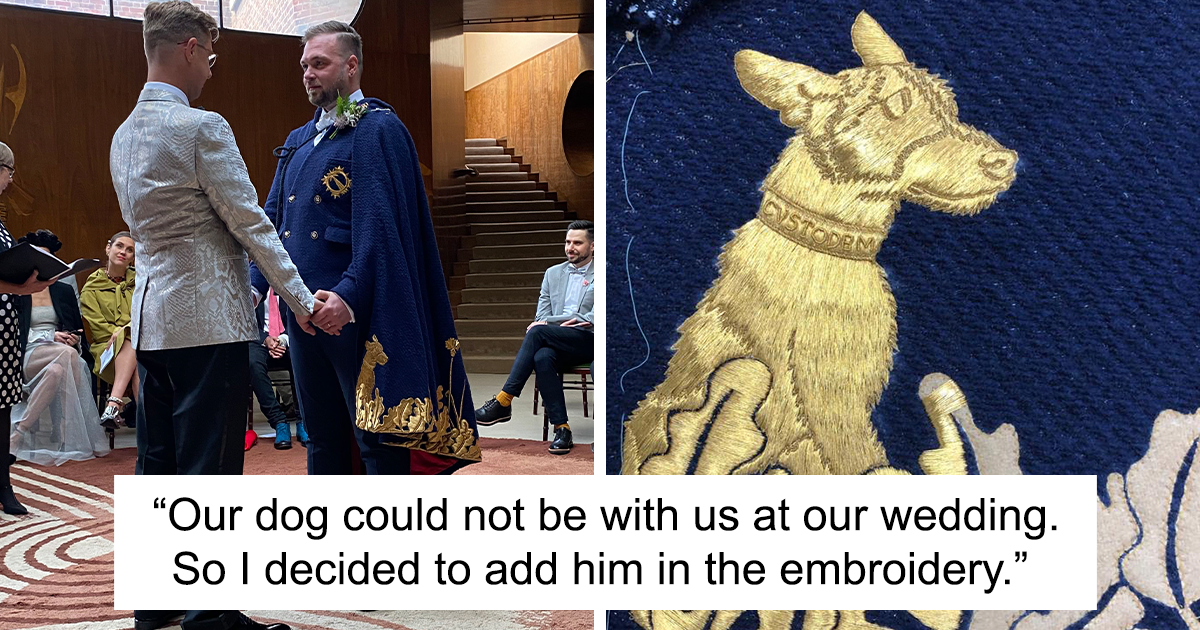

There are two kinds of people in a crisis: the ones who buy extra pasta, and the ones who somehow end up learning couture-adjacent sewing at 1:14 a.m. while whispering, “I think this sleeve is legally a sleeve.” During the Covid-19 lockdown, I became the second kind.
Like countless couples, I started wedding planning with the usual modern fantasy package: saved inspiration boards, polished venue photos, dreamy fabrics, and the firm belief that I was a calm, rational adult. Then the pandemic arrived, and suddenly the big wedding universe of appointments, fittings, guest counts, shipping timelines, and confidently scheduled celebrations folded in on itself. The world got smaller. So did the wedding. Oddly enough, my creativity got bigger.
What began as a practical response to lockdown turned into one of the most meaningful parts of the entire wedding experience. Instead of searching for the perfect outfit in boutiques that were closed, delayed, or impossible to visit safely, I decided to make my own wedding outfit. Not because I was a master sewist. Not because I had a secret fashion degree hidden in a drawer. Mostly because I had time, nerves, stubbornness, and a growing suspicion that if life was going to get weird, I might as well look excellent.
This is the story of how Covid-19 pushed me toward a DIY wedding outfit, what I learned in the process, and why the final result meant more than anything I could have bought off a rack. It is part wedding story, part sewing adventure, and part proof that sometimes the most personal style comes from the least glamorous circumstances.
When Lockdown Changed the Shape of Weddings
The pandemic didn’t just disrupt wedding logistics. It changed the emotional tone of weddings altogether. Pre-lockdown, many couples imagined a celebration built around movement: store visits, fittings, family shopping trips, travel, venue tours, and a room full of people packed close enough to clap, cry, dance, and accidentally step on someone’s hem. Lockdown introduced the opposite mood. Suddenly, every decision involved distance, caution, timing, and flexibility.
That shift made wedding style feel different, too. The “right” outfit was no longer just about drama, tradition, or trendiness. It had to work in a backyard, a courthouse, a micro wedding, a living room livestream, or a ceremony with ten guests standing six feet apart pretending that sanitizer was a floral note. Comfort mattered more. Practicality mattered more. Personal meaning mattered more. If couples were going to scale things down, many wanted the details that remained to feel intensely theirs.
That is exactly where my mindset changed. I stopped asking, “What should a wedding outfit look like?” and started asking, “What do I want to wear when I promise my life to someone during one of the strangest seasons in modern history?” That question was much better. Also much more dangerous, because it led directly to fabric shopping and a heroic level of optimism.
Why I Decided to Make My Own Wedding Outfit
The decision was partly emotional and partly practical. On the practical side, lockdown turned normal shopping into a scavenger hunt. Store access was limited. Delivery dates were fuzzy. Alterations felt uncertain. Even when I found dresses online, I couldn’t shake the feeling that I was buying a very expensive surprise from the internet and hoping for the best. That works for novelty mugs. It feels less ideal for your wedding outfit.
Emotionally, I wanted something that matched the moment. The pandemic stripped away a lot of polished expectations and left people staring at what actually mattered. For me, that meant making room for process, intention, and imperfection. A handmade outfit felt honest. It felt intimate. It felt like the opposite of panic-buying a dress just because the calendar was getting louder than my instincts.
I also realized something important: if the whole wedding was becoming smaller and more personal, then my outfit could do the same. It didn’t need to impress a ballroom. It needed to feel like me. Not “bridal” in the generic, one-size-fits-everyone sense. Me. A little romantic, a little modern, a little practical, and fully committed to the radical concept of breathing normally while dressed up.
Designing the Outfit: Less Fairy Tale, More Real Life
Once I committed to the DIY route, I had to decide what I was actually making. This was the stage where fantasy met reality and reality politely said, “You are not hand-beading 4,000 pearls onto a cathedral-length train in your apartment.” Fair enough.
Choosing the silhouette
I started with shape, not decoration. I wanted clean lines, movement, and the kind of fit that would photograph well but still allow me to sit, stand, hug people, and possibly inhale dinner. I leaned toward a simple silhouette with subtle structure: something that felt elegant without requiring an engineering team.
Picking the fabric
Fabric changed everything. The wrong material would turn the whole project into an argument. The right one would make even my beginner-level victories look intentional. I chose a fabric with soft drape and enough body to hold shape without feeling stiff. In other words, I searched for the textile equivalent of a supportive best friend: forgiving, beautiful, and not likely to collapse under pressure.
Keeping the details personal
Because I was making the outfit myself, I could add details that mattered to me. Maybe it was a sleeve length I could never find in stores, a neckline that actually suited my frame, or a finishing touch that nodded to family tradition without shouting it through a megaphone. Handmade clothing shines in the small choices. You are not just choosing from available options; you are building meaning into the seams.
Learning to Sew for the Biggest Outfit of My Life
Here is the glamorous truth about making your own wedding outfit: a large part of it involves squinting at pattern pieces like they contain ancient prophecies. Sewing tutorials became my side hustle. I learned how to read a pattern without taking it personally. I learned why pressing matters. I learned that seam allowances are not suggestions. Most of all, I learned that confidence in sewing arrives about fifteen minutes after the moment you most needed it.
I began with test versions, because making your wedding outfit directly in your final fabric is the kind of plot twist no one needs. Mock-ups taught me where the fit pulled, where the hem misbehaved, and where my imagination had clearly overestimated my skill level. Better to discover that on practice fabric than on the material you’ve been dramatically calling “the good one.”
Lockdown helped in a strange way. Life had slowed down enough for me to stay with the process. I could rip out a seam, re-stitch it, walk away, come back, and try again. There was no racing from fitting appointment to dinner reservation to weekend event. There was just time. Time to make mistakes. Time to fix them. Time to realize that making something by hand is less about instant talent and more about showing up repeatedly until the thing starts resembling your vision.
The Biggest Challenges I Didn’t See Coming
Fit is humbling
You know how clothes on a hanger look calm and confident? Clothes in progress do not. Fit is a patient, sometimes annoying conversation between body, fabric, pattern, and gravity. I adjusted proportions, changed seam placement, reworked the bodice, and spent a surprising amount of time thinking about straps. At one point, I was essentially negotiating with a dress like it was a difficult client.
Perfection is a trap
A store-bought outfit invites comparison. A handmade outfit invites obsession. Because I had made every choice, I could see every flaw, including ones no normal human would ever notice. I had to learn the difference between craftsmanship and spiraling. A slightly imperfect inside finish did not matter. A hem that moved beautifully did. A garment can be handmade and still look polished. It does not need to be machine-perfect to be wedding-worthy.
Momentum is fragile
Creative projects always sound romantic until you hit the boring middle. Lockdown fatigue was real, and so was the temptation to abandon the whole thing and order something safe. The only reason I finished was that I broke the project into small wins: cut today, baste tomorrow, fit on Thursday, cry briefly on Friday, continue on Saturday. Progress loves a schedule, even when inspiration has left the chat.
How the Outfit Came Together
Eventually, all the little separate tasks began to look like a real wedding outfit instead of a beautifully organized identity crisis. The silhouette felt balanced. The fit started making sense. The fabric moved the way I had hoped. I added finishing details slowly and deliberately, choosing restraint over chaos. That turned out to be one of the smartest decisions I made.
The final look wasn’t the loudest outfit I had ever imagined for a wedding, but it was the truest. It had softness without fussiness, structure without stiffness, and personality without costume energy. It looked like something created for a real person living through a real historical moment, not for a fantasy version of bridal perfection untouched by global disruption.
And that, honestly, is why it worked.
The Result: More Than Just a Wedding Look
When I finally put the full outfit on, I expected relief. What I got instead was emotion. The outfit represented far more than style. It held weeks of problem-solving, adaptation, and care. It reflected the strange intimacy of pandemic life, when homes became offices, gyms, classrooms, therapy rooms, restaurants, and in my case, a very ambitious dress studio.
It also changed the way I thought about beauty. Before lockdown, I might have believed that the “best” wedding outfit was the most impressive one money could buy. After making my own, I understood that the best outfit is the one that tells the truth. Mine said: this wedding survived uncertainty. This love adapted. This person made something with her own hands when the world became unstable.
That message felt far more powerful than a brand label.
What Making My Own Wedding Outfit Taught Me
Personal style gets clearer when the noise disappears
Lockdown stripped away a lot of social performance. Without endless shopping trips, outside opinions, and industry pressure, I got quieter and more honest about what I liked. The result was an outfit that felt less trend-driven and more timeless.
Meaning beats spectacle
Big weddings can be wonderful, but smaller pandemic-era weddings reminded many couples that intimacy is not a downgrade. It is a different kind of luxury. The same was true of my outfit. It was not valuable because it was extravagant. It was valuable because it was deeply specific.
Making something creates a memory you can wear
Most wedding outfits become keepsakes after the day. Mine was a keepsake before the ceremony even began. I will always remember pinning, pressing, reworking, and finishing it. The making is part of the memory now, stitched permanently into the story.
A 500-Word Reflection on the Experience
If I had to describe the experience of making my own wedding outfit during Covid-19 lockdown in one sentence, I’d say this: it felt like building joy by hand in a season that kept canceling things. Every day seemed to bring another reason to postpone excitement. Plans shifted. News alerts piled up. The future felt temporary. In the middle of all that uncertainty, sewing gave me one clear, steady thing to do. Cut. Pin. Stitch. Press. Repeat. It was practical, yes, but it was also emotional. The project gave shape to days that otherwise felt blurry.
There was something deeply comforting about working with fabric while the outside world felt so unstable. Fabric responds. Maybe not always politely, but it responds. If something puckers, you unpick it. If something doesn’t fit, you adjust. If the line is off, you redraw it. In a time when so much was beyond personal control, that rhythm was incredibly grounding. I could not fix the pandemic. I could not guarantee what the wedding would look like in three months. But I could improve a seam. I could finish a sleeve. I could make one tangible thing better by the end of the day.
I also remember the humor of it all. There I was, supposedly creating my wedding outfit, while wearing old sweatpants and listening to increasingly dramatic playlists as if I were competing on a reality show called Project Bridal Panic. I held tiny scraps of fabric like they were priceless artifacts. I talked to my sewing machine as though encouragement improved motor performance. I celebrated normal milestones with ridiculous enthusiasm. “The zipper is in!” felt less like a sentence and more like a national holiday.
But beneath the comedy, there was real growth. I became more patient with myself. I stopped expecting elegance on the first try. I learned that competence often looks awkward before it looks confident. I learned that beauty is not always immediate; sometimes it arrives after revision, after persistence, after you have changed your mind three times and finally trusted your instincts. That lesson mattered beyond the outfit. It changed how I thought about marriage, too. Love is not about performing perfection. It is about returning, adjusting, continuing, and making something strong enough to hold real life.
On the wedding day, wearing the finished outfit felt surreal in the best way. I didn’t just wear a look; I wore hours, decisions, setbacks, tiny wins, and hope. I wore evidence that creativity can survive chaos. I wore proof that special moments do not disappear just because they arrive in an unusual form. The lockdown did push me to make my own wedding outfit. But in hindsight, it pushed me toward something even more valuable: a version of celebration that was personal, resilient, and unmistakably mine.
Conclusion
The Covid-19 lockdown changed wedding culture in ways no one expected. It made celebrations smaller, choices sharper, and priorities clearer. For me, it turned a wedding outfit from a retail decision into a creative journey. Making my own look was not the easy route, but it was the right one. The final result was elegant, personal, and unforgettable not because it was flawless, but because it carried the story of the moment that created it.
If there is one lasting lesson in this experience, it is that personal style becomes most powerful when it is tied to meaning. My wedding outfit was stitched together during lockdown, but it never felt limited by that fact. It felt defined by it. And years from now, I probably won’t remember every stressful detail of the pandemic planning process. I will remember the quiet hum of the sewing machine, the satisfaction of finishing the final seam, and the feeling of wearing something that truly belonged to my story.