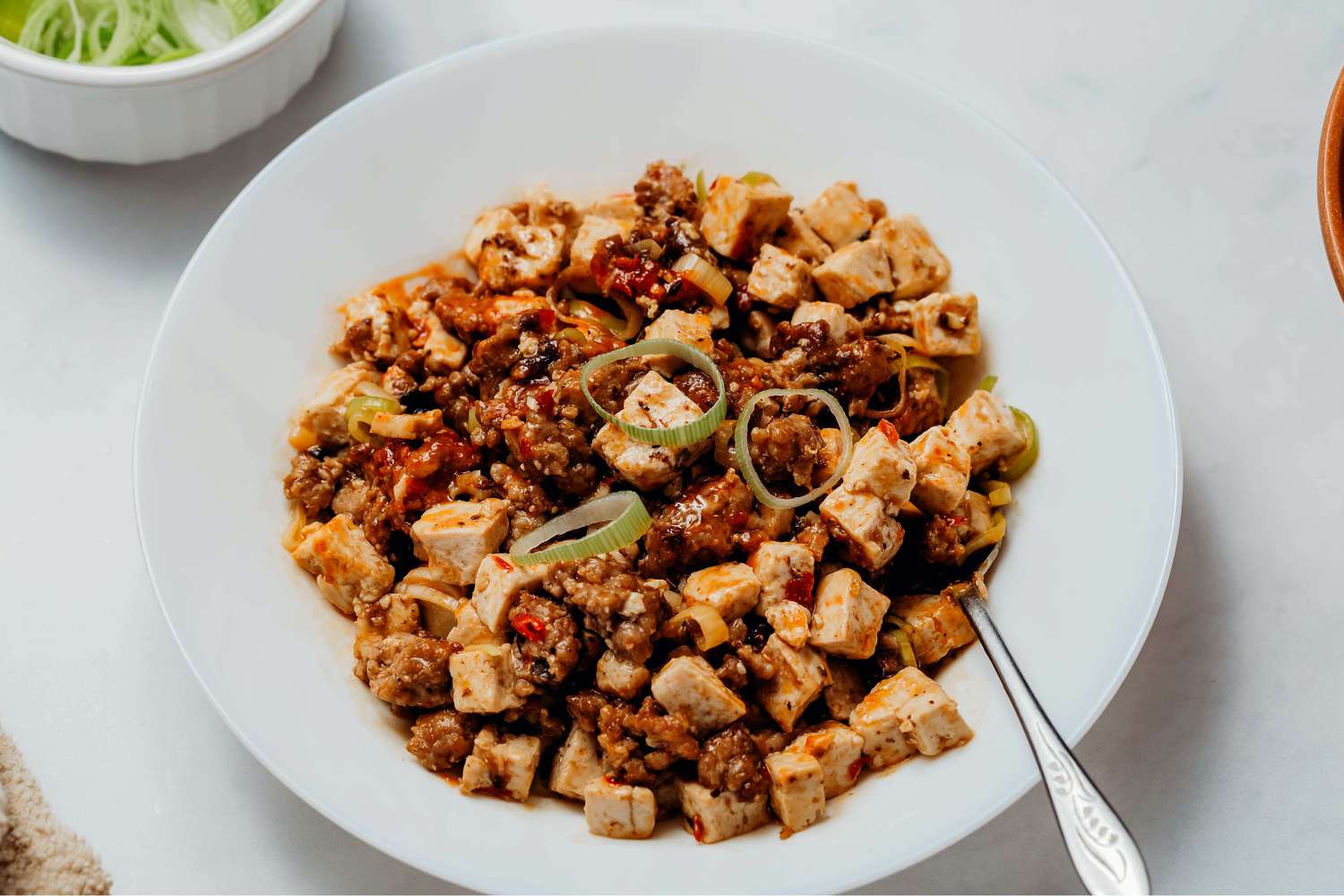

Chinese pork recipes have a special talent: they can make a weeknight dinner feel like a tiny parade. One minute you are staring at a plain pork shoulder, wondering whether it has any personality. A few splashes of soy sauce, a little ginger, some garlic, a spoonful of hoisin, and suddenly that pork is wearing a glossy jacket and acting like it owns the dining table.
Pork appears across many Chinese cooking traditions because it is flavorful, adaptable, and friendly to bold seasonings. It can be roasted until sticky and caramelized, braised until spoon-tender, minced into dumplings, sliced into quick stir-fries, folded into steamed buns, or crisped into egg rolls. The beauty of delicious Chinese pork recipes is that they do not rely on one single technique. They are a delicious toolbox: roast, steam, braise, fry, simmer, stir, repeat happily.
This guide walks through the most satisfying Chinese pork dishes home cooks can make, from Cantonese char siu to Shanghai-style red-braised pork belly, juicy dumplings, moo shu pork, pork buns, spicy ground pork noodles, and clever leftover ideas. You will also find practical cooking tips, flavor-building tricks, and real-life experience notes to help your pork taste like it came from a serious kitchen, not from a Wednesday-night panic session.
Why Pork Works So Well in Chinese Cooking
Pork has enough natural fat to stay juicy, enough mildness to absorb sauces, and enough structure to handle high heat, long braising, or gentle steaming. That is why it shows up in so many Chinese pork recipes, from holiday dishes to street snacks to humble family meals.
The key is balance. Chinese cooking often layers salty, sweet, savory, aromatic, and sometimes spicy flavors. Pork loves that treatment. Soy sauce brings salt and depth. Shaoxing wine adds fragrance. Ginger cuts richness. Garlic wakes everything up. Sugar helps sauces glaze and caramelize. Five-spice powder gives warmth from star anise, cinnamon, cloves, Sichuan peppercorns, and fennel. Sesame oil adds a nutty finish, while scallions make the dish taste fresh instead of heavy.
Essential Ingredients for Chinese Pork Recipes
You do not need a restaurant pantry the size of a small airport. A smart starter kit will take you far.
Soy Sauce and Dark Soy Sauce
Light soy sauce seasons food and adds savory flavor. Dark soy sauce is thicker, slightly sweeter, and mainly used for color. If your red-braised pork looks pale and shy, dark soy sauce is often the missing guest.
Shaoxing Wine
Shaoxing wine gives Chinese pork dishes a warm, fermented aroma. It is especially useful in marinades, dumpling fillings, braises, and stir-fries. Dry sherry can work in a pinch, but Shaoxing has a character that says, “Yes, this kitchen knows what it is doing.”
Hoisin Sauce and Oyster Sauce
Hoisin is sweet, salty, and thick, perfect for char siu, moo shu pork, and dipping sauces. Oyster sauce adds rich umami without making the dish taste fishy. Use both wisely; they are powerful little flavor engines.
Ginger, Garlic, and Scallions
This trio is the backbone of many Chinese pork recipes. Ginger brightens fatty pork. Garlic adds punch. Scallions bring freshness and sweetness. Chop them finely for marinades, slice them for stir-fries, or bruise them for braising liquids.
Chinese Five-Spice Powder
Five-spice powder is intense, so do not treat it like confetti. A little can make roasted pork taste warm and complex. Too much can make dinner taste like a candle shop got ambitious.
Best Cuts of Pork for Chinese Recipes
Different cuts bring different magic. Pork shoulder is ideal for char siu because it has marbling that stays juicy during roasting. Pork belly is excellent for braising because the fat melts into the sauce and turns silky. Ground pork works beautifully in dumplings, buns, mapo tofu, egg rolls, and noodle toppings. Pork loin and tenderloin are leaner, so they are best sliced thin, marinated briefly, and cooked quickly.
For safety, whole cuts such as pork chops, tenderloin, and roasts should reach 145°F followed by a 3-minute rest. Ground pork should reach 160°F. A digital thermometer is not fancy; it is the tiny referee that keeps dinner safe and juicy.
Classic Chinese Pork Recipes to Try
1. Char Siu: Chinese BBQ Pork
Char siu is one of the most beloved Chinese pork recipes, and for good reason. It is glossy, sweet-savory, aromatic, and slightly smoky if cooked with high heat or finished under a broiler. Traditional versions are often made with pork shoulder or pork butt, although tenderloin and pork belly versions also exist.
A simple home marinade usually includes soy sauce, hoisin sauce, honey or sugar, five-spice powder, garlic, ginger, and Shaoxing wine. The pork should marinate for several hours, preferably overnight. The longer rest lets the meat absorb flavor and helps the surface become sticky when roasted.
To make char siu at home, cut pork shoulder into long strips, marinate it overnight, roast it on a rack, and brush it with honey or maltose near the end. The glaze should bubble and darken without burning. Serve it sliced over steamed rice with bok choy, tuck it into bao buns, chop it into fried rice, or eat it standing at the counter while pretending you are “just checking the seasoning.”
2. Hong Shao Rou: Red-Braised Pork Belly
Hong shao rou, or red-braised pork belly, is comfort food with a glossy personality. The dish is famous for its deep reddish-brown sauce, tender cubes of pork belly, and rich balance of soy sauce, sugar, wine, and aromatics.
The technique begins by blanching pork belly to remove impurities, then simmering it slowly with soy sauce, Shaoxing wine, sugar, ginger, and water. Some versions caramelize sugar first to build color; others rely on dark soy sauce. Either way, the goal is pork that becomes tender but not mushy, with fat that turns soft and luxurious.
Serve red-braised pork belly with plain rice and a crisp vegetable. The rice is not optional. It is the sauce delivery system, and it deserves respect.
3. Pork and Cabbage Dumplings
Pork dumplings are the kind of food that turns a quiet kitchen into a family production line. Ground pork provides richness, while cabbage or napa cabbage brings moisture and sweetness. Scallions, ginger, soy sauce, sesame oil, white pepper, and Shaoxing wine round out the filling.
The secret to juicy dumplings is not dumping random wet vegetables into the bowl and hoping for the best. Salt chopped cabbage first, let it release water, then squeeze it dry. This keeps the filling flavorful instead of soggy. Stir the pork mixture in one direction until it becomes sticky and bouncy. That texture helps the filling hold together after cooking.
Dumplings can be boiled, steamed, or pan-fried as potstickers. For potstickers, brown the bottoms in oil, add water, cover the pan, steam until cooked, then uncover and let the bottoms crisp again. The result is soft on top, crunchy underneath, and dangerously easy to eat by the dozen.
4. Char Siu Bao: Steamed BBQ Pork Buns
Char siu bao combines fluffy steamed dough with sweet-savory chopped barbecue pork filling. The filling is usually made by dicing char siu and folding it into a thick sauce made with hoisin, oyster sauce, soy sauce, sugar, and sometimes a little cornstarch slurry for body.
The dough should be soft, slightly sweet, and tender. A good bun opens with a gentle pull and releases a cloud of pork-scented steam. Yes, that sentence sounds dramatic. No, it is not an exaggeration.
These buns are perfect for brunch, dim sum-style meals, or freezer-friendly snacks. Steam them fresh, then reheat leftovers gently so the bread stays soft.
5. Moo Shu Pork
Moo shu pork is a quick stir-fry traditionally associated with northern Chinese cooking and widely adapted in Chinese American restaurants. It often includes thin strips of pork, scrambled egg, wood ear mushrooms, cabbage or cucumber, scallions, ginger, and a savory sauce. In many American versions, it is served with Mandarin pancakes and hoisin sauce.
The best moo shu pork depends on preparation. Slice the pork thinly against the grain, marinate it with soy sauce, wine, and cornstarch, and cook it fast. The cornstarch helps create a velvety texture. Cook the eggs separately, then return them at the end so they stay fluffy instead of turning into yellow confetti.
Serve moo shu pork wrapped in warm pancakes with a swipe of hoisin. It is basically a Chinese pork taco, and nobody at the table will complain about that comparison once they are eating.
6. Pork Siu Mai
Siu mai are open-topped dim sum dumplings often made with ground pork, shrimp, mushrooms, sesame oil, soy sauce, and white pepper. Unlike sealed dumplings, siu mai are shaped into small cylinders with the filling visible on top. They steam quickly and look impressive without requiring a dumpling-folding PhD.
For a tender filling, use pork with some fat. Very lean pork can become firm and dry. Many recipes include chopped shrimp for sweetness and bounce. A small garnish of carrot, pea, or scallion on top adds color.
Serve siu mai with soy sauce, chili oil, or a simple mixture of soy sauce and rice vinegar. They are excellent for parties because people recognize them instantly and grab them even faster.
7. Twice-Cooked Pork
Twice-cooked pork is a Sichuan-style favorite that usually starts with simmered pork belly. The pork is cooled, sliced thin, and stir-fried with aromatics, leeks or peppers, fermented bean paste, and sometimes sweet bean sauce. The result is spicy, savory, and deeply fragrant.
The “twice-cooked” method gives you tender meat with crisped edges. It is an excellent recipe for cooks who like bold flavor. Use moderate heat when frying the bean paste so it blooms in the oil without scorching. Once the pork slices curl slightly and the vegetables soften, dinner is ready.
8. Chinese Pork Egg Rolls
Pork egg rolls are crunchy, savory, and ideal for using small amounts of cooked pork. Ground pork or chopped char siu works well with cabbage, carrots, mushrooms, garlic, ginger, and soy sauce. The filling should be cooked and cooled before wrapping so the wrappers do not become wet and tear.
Fry egg rolls until golden and crisp, then drain them well. For a lighter option, brush them with oil and air-fry or bake them, though deep frying gives the classic blistered crunch. Serve with duck sauce, hot mustard, sweet chili sauce, or a soy-vinegar dip.
9. Spicy Ground Pork Noodles
Ground pork is a weeknight hero because it cooks quickly and absorbs flavor like a sponge with better career prospects. For Chinese-style spicy pork noodles, brown ground pork with ginger and garlic, then season it with soy sauce, chili oil, sesame paste, black vinegar, and a touch of sugar.
Spoon the pork over wheat noodles, rice noodles, or even pantry spaghetti if that is what you have. Add cucumbers, scallions, crushed peanuts, or blanched greens. This dish is fast, flexible, and excellent for anyone who wants dinner in less time than it takes to debate takeout.
Tips for Better Chinese Pork at Home
Marinate with Purpose
Marinades should season and support the pork, not drown it. Thin slices need only 15 to 30 minutes. Larger pieces for char siu benefit from overnight marinating. Too much sugar can burn, so save part of the sweet glaze for the end of roasting.
Use Cornstarch for Velvet Texture
Many stir-fried pork recipes use a small amount of cornstarch in the marinade. This helps protect the meat from high heat and creates a tender, silky coating. It is a small step with a big payoff.
Control Heat
Stir-fries need high heat and quick movement. Braises need gentle heat and patience. Dumplings need steady steam or a controlled pan-fry. Match the heat to the method, and the pork will behave beautifully.
Do Not Skip Aromatics
Ginger, garlic, scallions, and sometimes dried chiles are not decorative. They are the opening act, the supporting cast, and occasionally the entire reason the kitchen smells amazing.
What to Serve with Chinese Pork Recipes
Chinese pork dishes pair well with simple sides that balance richness. Steamed jasmine rice is the classic choice for char siu, braised pork, and stir-fries. Noodles work well with ground pork sauces. For vegetables, choose bok choy, gai lan, napa cabbage, cucumbers, snow peas, green beans, or broccoli.
Acidic sides also help. A quick cucumber salad with rice vinegar, garlic, sesame oil, and a pinch of sugar can cut through fatty pork belly. Pickled vegetables brighten dumplings and buns. Chili oil adds heat, while plain rice keeps the whole meal grounded.
How to Store and Reuse Leftover Chinese Pork
Leftover char siu can become fried rice, noodle soup topping, bao filling, egg roll filling, or a quick omelet add-in. Red-braised pork belly reheats well over low heat and tastes even deeper the next day. Ground pork sauces can be spooned over rice bowls, tucked into lettuce cups, or mixed with noodles.
Store cooked pork in airtight containers in the refrigerator and reheat thoroughly. If the pork has a glaze, reheat it gently so the sugars do not burn. For crispy leftovers, use a skillet or air fryer instead of the microwave. The microwave is useful, but it has never improved crispiness in the history of leftovers.
Common Mistakes to Avoid
The first mistake is using meat that is too lean for long cooking. Pork tenderloin is great for quick stir-fries, but it will not become luscious in a long braise. Pork belly and shoulder are better for slow methods.
The second mistake is overcrowding the pan. When too much pork enters a skillet at once, it steams instead of browns. Cook in batches if needed. Browning equals flavor, and flavor is the entire point of this delicious exercise.
The third mistake is adding sauces too early over very high heat. Sugary sauces can burn quickly. For char siu, glaze toward the end. For stir-fries, add sauce after the meat has browned and the vegetables are nearly done.
The fourth mistake is forgetting texture. Chinese pork recipes are exciting because they combine soft, crisp, chewy, juicy, and tender elements. Add crunchy vegetables, fresh scallions, toasted sesame seeds, peanuts, or crisp dumpling bottoms to keep each bite interesting.
Experience Notes: What Cooking Chinese Pork Recipes Teaches You
Cooking delicious Chinese pork recipes at home teaches patience, but not the boring kind. It is the patience of waiting for char siu glaze to bubble at the edges. It is the patience of letting pork belly simmer until the sauce thickens and the kitchen smells like someone’s grandmother is about to give you a compliment. It is the patience of folding dumplings one by one, badly at first, then slightly less badly, until you realize that even the crooked ones disappear from the plate just as quickly.
One of the best experiences is learning how much flavor can come from small details. A spoonful of Shaoxing wine can make ground pork taste rounder. A pinch of white pepper can make dumpling filling taste more restaurant-like. A few slices of ginger can keep a rich braise from becoming heavy. These details do not shout. They quietly improve everything, like good lighting in a photo.
Char siu is often the gateway recipe. The first time you roast marinated pork and brush it with honey near the end, you understand why this dish is so popular. The edges darken, the surface shines, and the smell makes people wander into the kitchen pretending they need water. The challenge is not cooking it. The challenge is letting it rest before slicing. Cut too soon and the juices run. Wait a few minutes and the slices stay moist, glossy, and dramatic enough for a dinner-table entrance.
Dumplings offer a different lesson: cooking can be social. Making pork and cabbage dumplings alone is peaceful, but making them with friends or family is better. Someone always folds beautiful pleats. Someone else creates mysterious little packages that look like edible laundry. Both types taste wonderful. The filling is forgiving, the wrappers are inexpensive, and the final pan-fried dumplings make everyone feel successful. There is also something deeply satisfying about hearing the bottoms sizzle after the steaming water evaporates.
Red-braised pork belly teaches respect for low heat. At first, the pot may not look impressive. It is just pork, soy sauce, sugar, wine, and water having a quiet meeting. Then, slowly, the sauce darkens. The pork softens. The fat becomes silky instead of greasy. By the end, the dish has transformed into something rich and elegant. It is a reminder that not all great cooking needs dramatic knife skills or chef-style shouting. Sometimes the best move is to lower the heat and leave the pot alone.
Moo shu pork and quick stir-fries teach speed. Once the wok is hot, there is no time to search for the soy sauce, answer a text, or reconsider your life choices. Everything should be sliced, measured, and ready before cooking begins. This habit, called preparing your ingredients ahead of time, makes home cooking smoother. It also prevents garlic from burning while you are still trying to open the mushroom package with wet hands.
Perhaps the most useful experience is learning how flexible Chinese pork recipes can be. Leftover char siu becomes fried rice. Extra dumpling filling becomes meatballs for soup. Braised pork sauce can season noodles. Ground pork can turn into lettuce wraps, noodle topping, or a fast rice bowl. Once you understand the flavor patterns, you stop treating recipes like strict rules and start treating them like maps. You still need direction, but you can take a few scenic turns.
Cooking Chinese pork at home also gives you control. You can make dishes less sweet, more spicy, lighter, richer, saucier, or more vegetable-packed. You can use pork shoulder for juicy char siu, lean pork loin for a fast stir-fry, or ground pork for budget-friendly meals. You can steam, roast, braise, pan-fry, or stir-fry depending on your mood and schedule. That flexibility is why these recipes keep earning a place in home kitchens.
Most of all, these dishes remind you that comfort food does not have to be complicated. A bowl of rice with glossy pork and greens can feel complete. A plate of dumplings can turn an ordinary night into a small celebration. A steamed bun can make lunch feel like a gift. Delicious Chinese pork recipes are not just about pork; they are about aroma, texture, sharing, and the tiny joy of making something that tastes far bigger than the effort it required.
Conclusion
Delicious Chinese pork recipes bring together everything home cooks love: bold flavor, practical ingredients, flexible techniques, and meals that make leftovers exciting. From sticky char siu and silky red-braised pork belly to juicy dumplings, fluffy pork buns, moo shu pork, siu mai, egg rolls, and spicy ground pork noodles, there is a recipe for every schedule and skill level.
The secret is balance. Choose the right cut, season it with aromatics, respect the cooking method, and let sauces build flavor without overwhelming the pork. Whether you are preparing a cozy rice bowl, a dim sum-inspired weekend project, or a quick stir-fry after work, Chinese pork dishes offer comfort with personality. And honestly, any cuisine that can turn humble ground pork into dumplings deserves a standing ovation.