
Sunken cheeks can make a face look tired, older, or simply different than it used to. Sometimes the change happens so gradually that you only notice it in photos. Other times, it seems to show up overnight, usually after weight loss, illness, stress, or one too many moments staring at yourself under terrible bathroom lighting. The good news is that hollow-looking cheeks are not automatically a sign that something is wrong, and they are definitely not a moral failure committed by your face.
That said, sunken cheeks can sometimes reflect changes in facial fat, skin elasticity, hydration, muscle tone, or overall health. In some people, the cause is natural aging. In others, it may be linked to rapid weight loss, low body fat, certain medications, genetics, or medical conditions that affect nutrition, fat distribution, or muscle mass.
This guide breaks down the common causes of sunken cheeks, how they are treated, what can help prevent them, and when it is smart to stop Googling and talk to a healthcare professional instead.
What Are Sunken Cheeks?
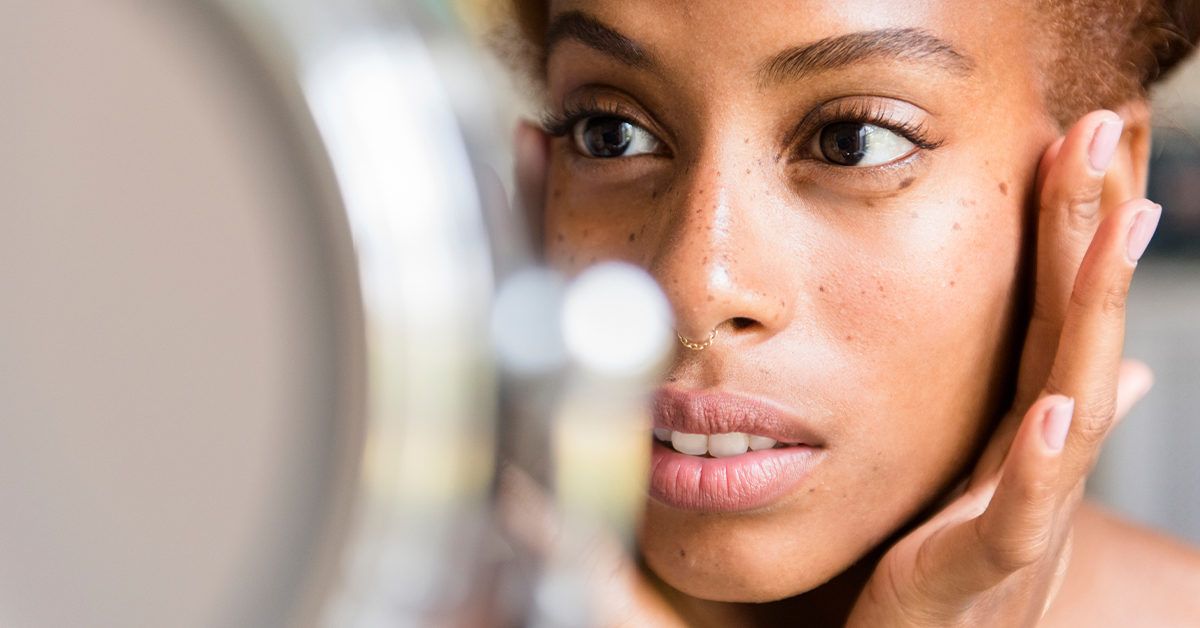
Sunken cheeks describe a hollow or less full appearance in the mid-face. The area beneath the cheekbones may look more indented, and the face can seem sharper, leaner, or more angular than before. Some people also notice more visible nasolabial folds, deeper shadows around the mouth, or a general loss of facial softness.
This look often happens when the face loses volume. That volume can come from subcutaneous fat, muscle, skin support, and the way the tissues sit on the underlying bone structure. Once one or more of those factors change, the cheeks may appear flatter or more hollow.
Common Causes of Sunken Cheeks
1. Natural Aging
Aging is one of the most common reasons cheeks lose fullness. Over time, skin produces less collagen and elastin, the proteins that help keep it firm and springy. Facial fat pads can also shrink and shift downward, which changes the contours of the cheeks, temples, jawline, and under-eye area.
In plain English: the face loses some of the built-in cushioning it once had. That can make cheekbones look more prominent and cheeks look more hollow, even if your body weight has not changed much at all.
2. Rapid Weight Loss
When you lose weight quickly, your face may lose fat right along with the rest of your body. Because the face has relatively limited fat stores compared with places like the abdomen or thighs, even moderate weight loss can become very noticeable in the cheeks. This is one reason people talk about “looking gaunt” after a strict diet, illness, or intense calorie deficit.
Rapid weight loss related to GLP-1 medications, crash dieting, or illness can make the change appear faster. In reality, the medication is not targeting your cheeks like a tiny architect with a grudge. The issue is usually the speed and amount of weight loss, combined with the natural aging process.
3. Low Body Fat or Under-Nutrition
Some people naturally have lower body fat and a leaner facial structure. Others may develop hollow cheeks because they are not getting enough calories, protein, or key nutrients. Poor nutrition can reduce soft tissue volume and affect skin quality, making the cheeks look more sunken over time.
Dental problems, swallowing issues, digestive disorders, or chronic loss of appetite can all contribute to inadequate intake. This is especially important if the face looks thinner because the entire body is getting thinner too.
4. Illnesses That Cause Unexplained Weight Loss
Sometimes sunken cheeks are not really a cheek problem at all. They are a clue that the body is losing weight or muscle unexpectedly. Conditions involving the thyroid, digestion, metabolism, chronic infection, depression, cancer, autoimmune disease, or malabsorption can lead to unintended weight loss and facial hollowing.
If your cheeks become noticeably more hollow and you did not mean to lose weight, that is not a “drink more water and manifest confidence” situation. It deserves a real medical evaluation.
5. Facial Lipoatrophy
Facial lipoatrophy is a medical term for loss of the fat tissue under the skin of the face. It can happen as part of aging, but it may also occur with certain diseases, rare genetic conditions, autoimmune disorders, or medication-related fat redistribution. In some cases, it causes marked flattening or hollowing of the cheeks and temples.
When lipoatrophy develops quickly, affects one side more than the other, or comes with other symptoms, doctors look more carefully for an underlying cause.
6. Genetics and Natural Face Shape
Some people are simply built with more angular faces, prominent cheekbones, a narrow mid-face, or less facial fat. A receding chin, asymmetrical facial development, or naturally slim bone structure can also make the cheeks appear more hollow. In these cases, the face may have looked this way for years and may not reflect a health issue at all.
7. Cosmetic Procedures or Overcorrection
Buccal fat removal can create a slimmer lower cheek, but over time it may contribute to a more hollow appearance, especially as natural aging continues. Some people also notice a more drawn look after aggressive fat reduction, repeated procedures, or chasing an ultra-sculpted trend that looked great on social media and less great in normal daylight.
Symptoms That May Show Up With Sunken Cheeks
Sunken cheeks may appear on their own, or they may come with other signs such as:
- Noticeable facial volume loss
- Loose or sagging skin
- More visible cheekbones or jawline
- Wrinkles or folds that seem deeper than before
- General body weight loss
- Fatigue or weakness
- Difficulty chewing or swallowing
- Facial asymmetry
If the change is sudden, one-sided, or accompanied by pain, weakness, trouble eating, or unintentional weight loss, get it checked.
How Sunken Cheeks Are Diagnosed
Diagnosis starts with the obvious but important question: What changed, and when? A clinician may ask about recent weight loss, appetite, medications, dieting, illness, smoking, stress, dental issues, facial surgery, and family history. They may also look at whether the hollowing is symmetrical and whether other parts of the face show fat loss.
In some cases, no testing is needed. In others, evaluation may include blood work, nutrition assessment, or screening for conditions linked to weight loss or fat loss. The goal is to figure out whether the issue is cosmetic, structural, age-related, or part of a broader health problem.
Treatment Options for Sunken Cheeks
1. Treat the Underlying Cause First
If sunken cheeks are related to illness, under-nutrition, malabsorption, depression, dental problems, or unintended weight loss, treating the root issue matters most. Facial appearance often improves when the body is getting enough energy, protein, and overall medical support.
This may involve nutrition counseling, treatment for a digestive or endocrine disorder, adjusting medications, mental health support, or working with a primary care doctor to investigate weight changes.
2. Weight Stabilization and Nutrition Support
For people whose hollow cheeks followed rapid dieting or medication-related weight loss, slowing down the rate of weight loss or stabilizing body weight may help. A balanced diet with enough protein, healthy fats, and micronutrients supports skin, muscle, and soft tissue health. This is not a promise that your cheeks will bounce back like a trampoline, but it gives your body a better chance to maintain facial volume and skin quality.
3. Skincare and Lifestyle Measures
Skincare alone cannot replace lost fat, but it can improve how the skin over the cheeks looks and behaves. Sunscreen, avoiding smoking, moisturizing regularly, and protecting the skin barrier can help reduce premature aging. When the skin is healthier, the face often looks less drawn and less tired.
4. Dermal Fillers
Dermal fillers are one of the most common cosmetic treatments for hollow cheeks. Hyaluronic acid fillers can restore lost fullness and soften shadows in the mid-face. Results are temporary, but they can be effective when performed by a qualified, experienced medical professional.
This is the part where caution matters. Fillers are medical procedures, not casual errands squeezed in between coffee and groceries. They carry risks, including bruising, swelling, lumps, and rare but serious complications if filler enters a blood vessel.
5. Fat Grafting
Fat grafting, also called fat transfer, uses your own fat from another part of the body to restore facial volume. It may be considered for more significant volume loss or for people who want a longer-lasting option than fillers. It is more involved than an injectable filler treatment, but it can offer a more natural-feeling volume restoration in selected patients.
6. Other Cosmetic Treatments
Microneedling and certain resurfacing treatments may improve skin texture and mild laxity, which can make the overall face look fresher. However, these do not directly replace lost facial fat. Platelet-rich plasma gets a lot of attention online, but evidence is still limited. In other words, not every trendy treatment is the fountain of youth wearing expensive packaging.
How to Prevent Sunken Cheeks
Maintain a Steady, Healthy Weight
One of the best ways to reduce the risk of sudden facial hollowing is to avoid crash diets and extreme calorie restriction. Gradual, sustainable weight loss tends to be easier on the face than rapid changes.
Protect Your Skin From Premature Aging
Daily sun protection matters more than most people want to hear and less than sunscreen marketers want to dramatize. Still, it works. Use broad-spectrum sunscreen, avoid tanning beds, and limit unnecessary sun exposure. Smoking cessation is also important because smoking speeds wrinkle formation and skin aging.
Support Overall Nutrition
Eat enough protein, include healthy fats, and do not treat nutrition like an optional software update. Facial appearance is often affected by what is happening everywhere else in the body.
Be Thoughtful About Cosmetic Trends
Procedures designed to slim the face can look different over time. Before buccal fat removal or repeated contouring treatments, consider how the face changes naturally with age. A result that looks sharp at 25 may look hollow at 45.
Get Sudden Changes Evaluated
Prevention also means not ignoring red flags. If your cheeks suddenly look sunken and you also have weakness, fatigue, appetite loss, digestive symptoms, trouble swallowing, or unintentional weight loss, seek medical advice rather than self-diagnosing via social media comment sections.
When to See a Doctor
Make an appointment if:
- Your cheeks became noticeably hollow without a clear reason
- You lost weight without trying
- You have low appetite, fatigue, weakness, or trouble eating
- The change is mostly on one side of the face
- You recently became ill and your face has not recovered
- You are concerned about a medication-related change in appearance
And if you are considering fillers or fat grafting, speak with a board-certified dermatologist, facial plastic surgeon, or plastic surgeon with specific experience in facial volume restoration.
Final Thoughts
Sunken cheeks can happen for many reasons, from normal aging and genetics to rapid weight loss, low body fat, illness, or facial lipoatrophy. The right treatment depends on the cause. Sometimes the answer is simple skin protection and better nutrition. Sometimes it is weight stabilization. Sometimes it is a cosmetic procedure. And sometimes it is a medical workup that should not be delayed.
The most important thing to remember is this: hollow cheeks are not automatically dangerous, and they are not automatically “bad.” But a sudden or unexplained change in your face deserves attention, especially if your overall health has changed too. Think of your cheeks as messengers. Sometimes they are just delivering a note about aging. Sometimes they are waving a brighter flag.
Experiences Related to Sunken Cheeks: What People Commonly Notice
The examples below are illustrative composites based on common real-world patterns people report when dealing with facial hollowing. They are not individual medical records.
A very common experience starts with weight loss that seemed like a good idea at first. Someone cleans up their diet, increases exercise, and drops pounds quickly. Friends compliment the body changes, but the person starts noticing that their face looks tired in photos. Makeup sits differently. Smile lines appear deeper. They may feel conflicted because the number on the scale is going down, yet the mirror feels less kind. In many of these cases, the issue is not that weight loss was “wrong,” but that it happened quickly enough for facial fat loss to become obvious before the person had time to adjust.
Another experience is tied to stress or illness. A person goes through a rough stretch, maybe a digestive issue, a depressive episode, caregiving stress, or recovery from a major illness. They are eating less without realizing it. Over a few weeks or months, their face starts to look thinner than normal. What bothers them most is not vanity so much as the way other people react. They hear comments like “You look exhausted” or “Are you okay?” even on days when they were feeling decent. That outside feedback can become emotionally draining and may push someone to seek help sooner.
Older adults often describe the change differently. They may not report “sunken cheeks” at all. Instead, they say their face has “fallen,” “flattened,” or “lost its softness.” They may notice that the cheeks and temples seem less full, the skin feels thinner, and the face looks more angular than it did ten years ago. For many, this is simply part of normal aging. What helps most is understanding that facial volume loss is a structural change, not a skincare failure. That knowledge can make treatment decisions feel much more realistic.
There are also people who become worried because the change is uneven. One cheek looks flatter than the other, or the face suddenly seems less symmetrical. That experience tends to create more anxiety, and fairly so. While asymmetry can be natural, a newer one-sided change often feels different from routine aging. These are the people who benefit most from medical evaluation, because a quick assessment can help rule out dental issues, prior injury, muscle changes, or other underlying problems.
Finally, some people pursue cosmetic treatment and feel relieved simply because they look more like themselves again. Not younger. Not filtered. Not transformed into a suspiciously smooth internet avatar. Just more familiar. That is often the most grounded expectation: restoring balance rather than chasing perfection.