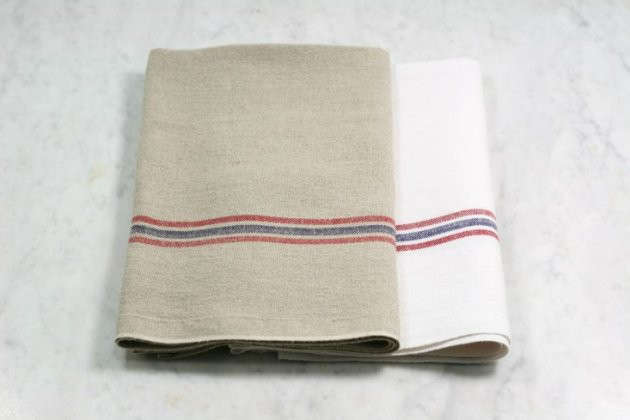

A striped dish towel is the jeans-and-a-nice-top of the kitchen: classic, reliable, and somehow appropriate whether you’re wiping up a spill or pretending your sink is a photoshoot. Stripes look simple, but the best striped dish towel is secretly doing a lot of workdrying dishes fast, staying lint-free on glassware, surviving hot-water washes, and not turning into a sad, damp noodle by lunchtime.
This guide breaks down what makes a striped dish towel genuinely good (not just “cute in a catalog”), how different fabrics and weaves perform, and how to care for them so they stay absorbent and fresh. We’ll also get into the sneaky superpower of stripes: they can help you organize your kitchen towel “system” without labeling anything like a laboratory.
Why Stripes Keep Winning in Kitchens
Stripes are popular for three practical reasonsand one purely emotional one (nostalgia counts). First, they hide minor stains and water marks better than solid light colors. Second, they read “clean” even when your kitchen is doing its best impression of a cooking show finale. Third, stripes make it easy to color-code towel jobs: one stripe pattern for hands, another for dishes, another for countertops.
Stripes as a “No-Label” Organization System
If you’ve ever grabbed a towel to dry your hands and realized it just wiped up raw chicken juice five minutes ago… stripes can help prevent that plot twist. Many people keep:
- Thin, flat striped towels for glassware and polishing (less lint, less bulk).
- Terry or waffle striped towels for drying lots of dishes and hands (more absorbency).
- Dedicated “mess stripes” for counters, spills, and the “oops” moments (separate from food-contact tasks).
Meet the Main Types of Dish Towels (And Where Stripes Fit)
“Dish towel” is an umbrella term. Under it live several towel species, each with different strengths. Stripes show up across all of them, but the towel’s weave and fiber matter more than the pattern.
1) Flat-Weave or “Tea Towel” Style
These are the smoother, thinner towels often used for drying dishes, covering bread dough, or lining a basket. Flat weaves tend to be more lint-free than plush terry, which makes them a favorite for glassware and shiny surfaces.
Best for: drying glasses, polishing stainless steel, light everyday drying, covering produce, quick kitchen tasks.
Watch for: overly thin towels that feel decorative but don’t absorb much.
2) Flour Sack Towels
Flour sack towels are typically larger, softening with repeated washes, and known for being lint-free and versatile. They can handle drying, straining, and even acting like a lightweight kitchen “blanket” for resting dough. Stripes on flour sack towels are often subtle, like a classic ticking stripe.
Best for: lint-free drying, covering dough, lining pans for air-drying produce, general kitchen utility.
Watch for: sets that look cheerful but feel too thin to absorb wellsome are more style than substance.
3) Terry Cloth Dish Towels
Terry towels have loops (like bath towels), which means they can drink up water fast. Striped terry towels are common because stripes look crisp even on thicker texturesand they’re easy to coordinate with a kitchen.
Best for: heavy drying, wiping hands frequently, big dish loads, lots of water.
Watch for: lint on glassware, especially when brand new.
4) Waffle-Weave Towels
Waffle weaves have a textured grid that can boost absorbency and help towels dry faster between uses. Many people like striped waffle towels because the pattern stays visually neat while the texture does the hard work.
Best for: quick-drying performance, wiping counters, daily dish duty, lower “musty towel” risk.
Watch for: towels that snag easily if the weave is too loose.
5) Bar Mop Towels
Bar mops are the work boots of kitchen towelssmall, sturdy, and ready for messes. They’re often terry-based, sometimes with stripes, and they’re great for cleaning jobs you don’t want to assign to your “pretty towels.”
Fabric Matters: Cotton vs Linen vs Microfiber (And What to Choose)
Cotton Dish Towels
Cotton is the default for a reason: it’s absorbent, washable, affordable, and widely available. Turkish cotton versions are often plush and thirsty; flat-weave cotton can be more lint-free. If you want one towel type to cover most tasks, cotton is usually the safest bet.
Linen Kitchen Towels
Linen tends to be strong, quick-drying, and naturally resistant to that “damp forever” feeling. It can be less plush than cotton but can be excellent for glassware and for kitchens that run humid. Linen often starts crisp and becomes more flexible with use.
Microfiber (Use With Intention)
Microfiber can be incredibly effective for polishing and streak-free wiping, but it’s not everyone’s favorite for food-contact tasks. If you go microfiber, consider it a “cleaning towel” rather than your do-everything dish toweland keep it separate from towels used on dishes and hands.
What to Look for When Buying a Striped Dish Towel
Absorbency (The Whole Point)
Absorbency depends on fiber + weave + finishing. A thick towel is not automatically more absorbent if it’s coated with fabric softener residue or manufacturing finishes. Many towels get better after a few washes as finishes rinse out and fibers “open up.”
Lint Level
If you hate lint on wine glasses, prioritize flat-weave cotton, flour sack towels, or linen. Terry towels can shed more, especially early on. A quick fix is a few wash cycles before you assign a towel to glass duty.
Size and Shape
Standard dish towels often land around the mid-teens by mid-twenties in inches, while flour sack towels can run larger. Bigger is useful for lining racks, wrapping bread, and handling big drying jobsunless you prefer smaller towels that fold neatly and don’t drag into the sink.
Construction Details That Signal Quality
- Hemmed edges that look tight and even (less fraying, longer life).
- Hanging loop if you actually want to hang it (and not drape it like laundry art).
- Colorfast dye so stripes don’t bleedespecially important with bold red or navy stripes.
- Comfortable hand-feel without being overly slick (slick can mean finishing agents that reduce absorbency at first).
Aesthetics Without the “Too Precious to Use” Problem
There’s a special kind of kitchen towel that’s basically a wall poster with corners. A good striped dish towel should look nice and be willing to get wet, wrung out, washed hot, and tossed right back into service. If you’re afraid to use it, it’s décor.
How to Use Striped Dish Towels Like a Pro (Without Being One)
Drying Dishes Efficiently
For stacks of plates and bowls, terry or waffle weaves shine. For glassware and cutlery, switch to a flat weave or linen towel to avoid lint and streaks. If you want a simple workflow: use one towel for “bulk drying,” and finish with a lint-free towel for shine.
Polishing Glass and Stainless Steel
The best striped dish towel for polishing is usually a smooth, tightly woven cotton or linen. Use it dry (or barely damp) and go with consistent strokes. If the towel is leaving fuzz, it’s either too terry-heavy or not washed enough yet.
Covering Dough, Herbs, and Produce
Flat-weave and flour sack towels are excellent for covering rising dough, wrapping fresh herbs in the fridge, or lining a tray so washed produce can air-dry. This is where “bigger is better” often applies.
Handling Heat: A Quick Safety Note
Some people grab hot pot handles with a folded towel in a pinch, but towels aren’t a true substitute for oven mittsespecially if the towel is damp (steam burns are no joke). If you do use a towel for brief handling, keep it bone dry and folded thick, and don’t make it a habit.
Care and Cleaning: Keep Your Striped Dish Towels Fresh and Absorbent
Dish towels live in a high-moisture, high-food-contact zone. That means care isn’t just about fluffinessit’s about hygiene, odor control, and keeping towels absorbent.
1) Wash Before First Use
Many new towels have finishing agents that make them feel crisp or extra smooth in the store. A first wash (or two) helps remove that layer so the towel starts absorbing like it means it.
2) Skip Fabric Softener (Seriously)
Fabric softeners and dryer sheets can coat fibers and reduce absorbency over time. If your towels start “pushing water around” instead of soaking it up, residue is often the culprit.
3) Use the Warmest Appropriate Water and Dry Completely
For everyday loads, follow the towel’s care label and use a solid detergent. For towels used around messy food prep, a hotter wash can help. No matter what temperature you choose, dry towels completelyhalf-damp towels are basically an invitation for odors.
4) How Often Should You Swap Dish Towels?
It depends on how you use them. If a towel is constantly in the mixdrying hands, wiping counters, cleaning up splasheschanging it every few days is a smart baseline. If it only dries clean dishes and stays dry between uses, it may stretch closer to a week. If it touches raw meat juices or messy spills, treat it like a one-day (or even one-task) towel and wash it.
5) Stripe-Smart Storage
Give towels airflow. Hanging beats heaping. A towel left wadded on the counter is going to smell like regret. Hooks, bars, or even the oven handle (when the oven is off) can help towels dry fully between uses.
Eco-Friendly Angle: Striped Dish Towels as a Paper Towel “Off-Ramp”
If you want to use fewer paper towels, striped dish towels can do a lot of the jobespecially for drying hands, drying dishes, and wiping water spills. For greasy messes or raw-meat cleanup, you may still prefer disposable options or dedicated cleaning cloths you wash hot. The trick is building a towel rotation so you always have a clean one ready.
A Simple Rotation That Works
- 2–3 towels in active daily use (hands + dishes + “mess”).
- 4–6 towels clean and folded, ready to swap.
- 1 towel dedicated to polishing glassware (kept extra clean and lint-free).
Giftability and Style: Why Striped Dish Towels Make Great “Small Nice Things”
Striped dish towels are one of the rare home items that feel thoughtful without being complicated. They fit almost any kitchen stylemodern, farmhouse, coastal, minimalist, you name it. Plus, they’re practical, so the gift doesn’t become clutter. A small set of high-quality striped kitchen towels tied with twine is basically a hostess gift that says, “I support your cooking era.”
Conclusion
A striped dish towel might seem like a tiny detail, but it’s one of those everyday tools that can make your kitchen feel calmer and work better. Choose the right weave for the job (flat weave or linen for lint-free shine, terry or waffle for heavy-duty drying), keep a simple stripe-based system for hygiene, and wash in a way that protects absorbency. Do that, and you’ll have towels that aren’t just “pretty”they’re genuinely useful, which is the best kind of kitchen aesthetic.
Real-Life Experiences With Striped Dish Towels (Extra 500+ Words)
People often think a dish towel is a dish towel… until they live with a good striped set for a couple of weeks. The first “experience” many home cooks report is the surprise of speed. When a towel is truly absorbent, drying stops being a second chore and becomes a quick finish. You rinse, you shake off excess water, and the towel actually pulls moisture away instead of smearing it into a glossy film. That momentwhen a towel performs like it’s been practicingtends to turn “I bought these because the stripes were cute” into “Why did I wait so long?”
Another common striped dish towel experience is discovering that stripes can quietly run your kitchen like a friendly traffic system. Without writing “HANDS” or “DISHES” in permanent marker, you can assign roles by pattern. For example, thin navy-and-white ticking stripes become the glass towel because they’re flat and lint-free. Wider, colorful cabana stripes become the hand towel because they’re easy to spot across the room. A darker striped terry towel becomes the “mess towel” because it’s thick enough for spills and doesn’t show every little stain. After a while, the household stops asking which towel is whicheveryone just reaches for the right stripes automatically.
Hosting brings out the towel personality differences fast. During a busy cooking daysay, a big breakfast or a family-style dinnerstriped towels tend to get drafted into multiple roles: drying hands every five seconds, wiping a splash off the counter, holding a warm bread basket, and drying the same mixing bowl you swear you already dried twice. In those moments, a towel’s weave matters. Terry and waffle towels often feel like the reliable friend who shows up early and stays late. Flat-weave striped towels are more like the detail-oriented friend who does one job perfectly: polishing glassware, covering dough, keeping herbs tucked safely in the fridge. Having both types available feels less like “extra towels” and more like “finally, the right tools.”
Then there’s the “new towel learning curve.” Brand-new striped dish towels can be a little stubborn at firstsometimes they repel water like they’re wearing a raincoat. That’s usually finishing residue from manufacturing, and it’s why the experience improves after a few washes. Once those first washes happen, many towels soften, become more absorbent, and drape better. This is also when people notice whether the stripes are truly colorfast. If you’ve ever washed a bold red stripe towel with lighter items and ended up with “accidental pink accents,” you learn quickly to do a first wash separatelyespecially with deep navy, red, or saturated black stripes.
Finally, there’s the satisfaction factor: striped towels make a kitchen feel pulled together with almost no effort. A stack of folded striped dish towels on the counter, or one hanging neatly from a hook, signals “someone here has it together,” even if dinner is frozen dumplings. They photograph well, surebut the more important experience is how they make the kitchen feel functional and intentional. Clean stripes, good absorbency, low lint, and a simple rotation schedule can turn the humble kitchen towel into a small daily upgradeone that pays you back in less mess, less stress, and fewer moments of staring at a wet dish wondering why it’s still wet.