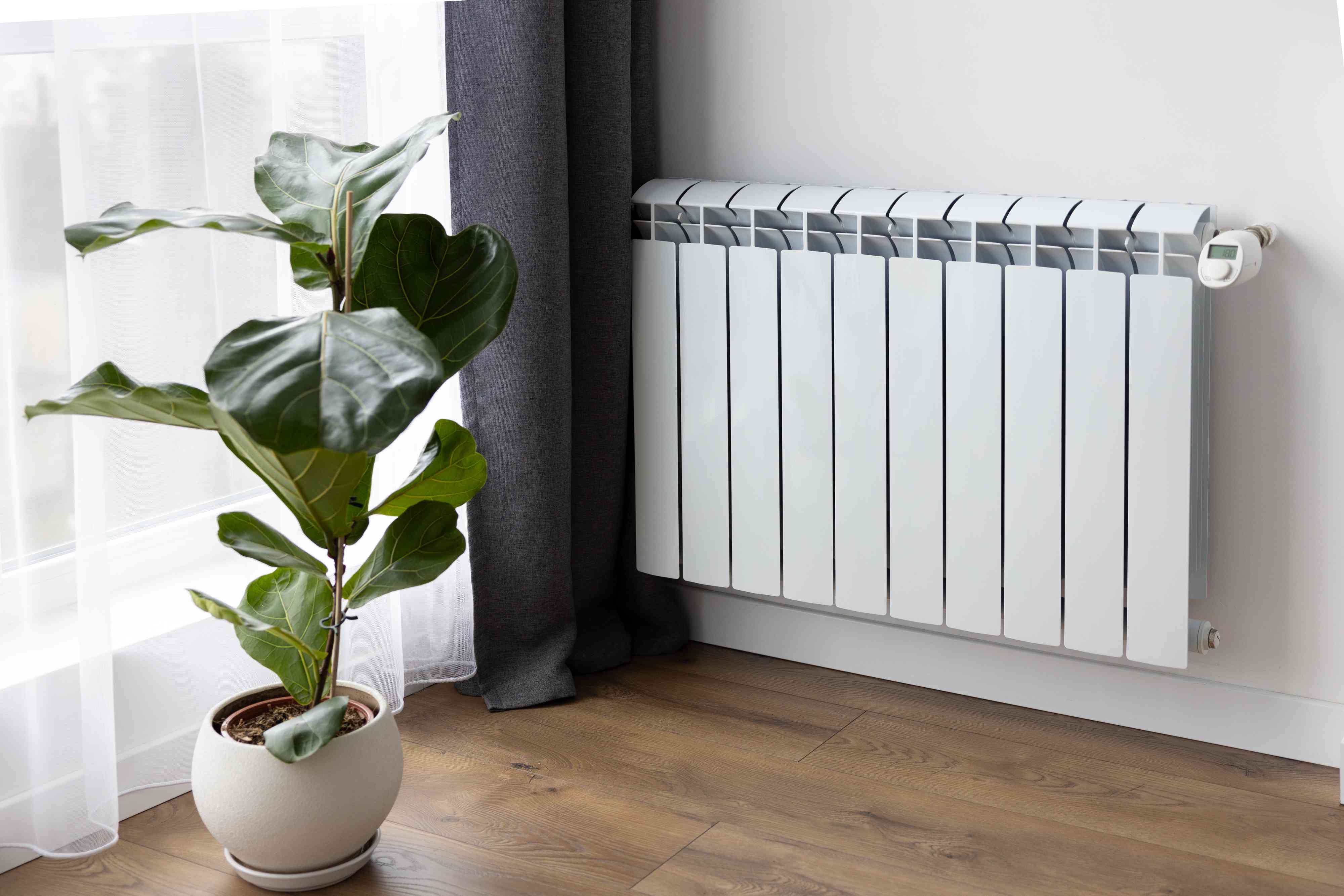

Few household questions spark more cold-weather debate than this one: should you leave your heater on all night? One person says yes because waking up in an icebox is miserable. Another says absolutely not because the utility bill will arrive like a villain in a winter movie. And then there is the cousin who insists cracking a window while blasting the heat “balances things out,” which is a bold strategy if your goal is funding your power company’s holiday party.
Here is the real answer: it depends on what kind of heater you mean. If you are talking about a central heating system, furnace, boiler, or heat pump controlled by a thermostat, yes, it is generally normal and safe to let the system heat your home overnight. In fact, that is exactly what those systems are designed to do. But if you mean a portable space heater, the advice from safety experts is much more blunt: do not leave it running while you sleep.
That distinction matters more than most homeowners realize. “Leaving the heater on” can mean very different things depending on the equipment, your thermostat settings, your home’s insulation, and whether your system burns fuel or simply moves warm air. So let’s sort out the myths, the safety rules, the comfort factor, and the money question without turning this into a lecture from your thermostat.
So, should you leave your heater on all night?
Yes, for central heating systems. If your home uses a properly maintained furnace, boiler, or heat pump, it is typically fine to let the system operate overnight through its thermostat. These systems are built to cycle on and off as needed to maintain the temperature you set. They are not “working too hard” just because it is nighttime. They are doing their job.
No, for portable space heaters. Electric and fuel-burning portable heaters are a different story. U.S. fire-safety and consumer-safety organizations repeatedly warn against leaving them on while sleeping. The reason is simple: if something goes wrong while you are asleep, you may not notice a dangerous situation until it is too late. Portable heaters also need plenty of clearance from bedding, curtains, clothes, and furniture, which bedrooms tend to have in abundance.
If you only remember one sentence from this article, make it this: central heat overnight is usually fine; unattended space heaters overnight are not.
Why central heating systems are usually safe to run overnight
Your furnace or heat pump is not a dramatic diva. It does not see 2 a.m. and decide to start making reckless choices. Modern central heating systems are designed to operate in cycles based on indoor temperature, outdoor conditions, and thermostat demand. That means the unit is supposed to turn on, warm the house, turn off, and repeat as needed.
In fact, trying to shut off central heat entirely overnight can backfire. A house can lose a surprising amount of heat while everyone sleeps, especially if insulation is mediocre or outdoor temperatures plunge. By morning, your system may need to run longer to bring the house back to a comfortable level. That does not automatically mean higher energy use than maintaining a modest nighttime setpoint, but it does mean comfort may suffer, and in very cold climates it can put extra strain on plumbing and indoor humidity balance.
HVAC guidance also supports the idea of a nighttime setback rather than an all-or-nothing approach. Instead of turning the heat off, many experts recommend lowering the thermostat a few degrees while you sleep. That lets the home stay warm enough for comfort and safety while reducing wasted energy.
Why portable space heaters are a different beast
Space heaters have one job: deliver heat in a small area quickly. That convenience is exactly why people love them. It is also why they cause so many problems. Portable heaters can tip over, overheat nearby materials, overload outlets, or create fire and carbon monoxide hazards depending on the type of heater.
Bedrooms, in particular, are terrible places for risky heating habits. Think about what is in a typical bedroom: blankets, sheets, mattresses, upholstered furniture, clothing piles that somehow became “a system,” curtains, maybe a rug, maybe a charging cable tangle that looks like modern art. All of that can make an overnight heater setup more dangerous.
If you use a space heater before bed, the safest approach is to warm the room while you are awake, then turn it off before falling asleep. If you rely on one frequently, it may be a sign that your home has insulation issues, air leaks, or an underperforming HVAC system that deserves a proper fix.
Does leaving the heat on all night waste money?
This is where the conversation gets spicy, because homeowners often think there are only two thermostat philosophies: “keep it tropical” or “wear three hoodies and build character.” In reality, there is a practical middle ground.
Energy guidance in the U.S. consistently points to thermostat setbacks as a smart move. Lowering the temperature when people are asleep can reduce heating costs, especially over an eight-hour stretch. The exact savings depend on your climate, insulation, system efficiency, and how dramatic your temperature changes are. A leaky old house and a well-sealed newer home will not behave the same way.
For many households, the sweet spot is setting the thermostat around 68 degrees Fahrenheit when awake and dropping it several degrees at night. Some people sleep better in cooler rooms anyway, so this is one of those rare household decisions where comfort and efficiency can actually shake hands.
That said, going too low is not always wise. If the house gets uncomfortably cold, family members may sleep poorly, wake up shivering, or start using unsafe backup heat. If you own a heat pump, huge temperature jumps can sometimes trigger auxiliary heat, which may use more energy than a modest steady schedule. In other words, smart setbacks are helpful; thermostat whiplash is less charming.
What temperature should you set at night?
There is no magic number that works for every person and every home, but a few guidelines are useful. Sleep experts often recommend a cooler bedroom than people expect, generally somewhere in the low-to-mid 60s. Many adults sleep well with a bedroom temperature around 60 to 67 degrees Fahrenheit, though comfort varies.
HVAC companies and energy experts often suggest 68 degrees Fahrenheit as a practical daytime winter setting, then adjusting slightly lower at night for savings. In many homes, a nighttime setting around 62 to 66 degrees Fahrenheit feels reasonable, especially with proper bedding. If you have infants, older adults, or people with health conditions in the home, you may prefer a slightly warmer setting.
The best answer is not “as low as possible.” It is “low enough to save energy, high enough to stay comfortable and safe.” Your thermostat should not feel like it is in a toxic relationship with your sleep quality.
When leaving the heat on all night makes even more sense
1. During freezing weather
If overnight temperatures drop far below freezing, maintaining indoor heat matters for more than comfort. It can help protect pipes and reduce the chance of moisture-related issues. Turning the heat off entirely in severe cold is asking your home to audition for a disaster-prevention commercial.
2. In homes with children, seniors, or medically vulnerable people
Some household members are more sensitive to cold. For them, a modest overnight temperature is often the safer choice. If someone already struggles with sleep, circulation, or temperature regulation, an aggressively cold bedroom may do more harm than good.
3. In well-designed smart thermostat setups
Smart thermostats make this whole question easier. You can create a schedule that gently lowers the temperature overnight and starts warming the house before anyone gets out of bed. That is the grown-up version of winning at winter.
When you should be cautious
1. If your furnace is acting strangely
If your system runs constantly, blows cold air, short cycles, makes loud noises, or struggles to maintain temperature, do not assume that is normal just because it is cold outside. Some run time increases in cold weather are expected, but repeated short cycling can signal airflow, thermostat, or equipment problems.
2. If you smell gas or suspect combustion issues
A fuel-burning system should never be ignored if it smells wrong, sounds wrong, or seems to vent poorly. Carbon monoxide is no joke. Install working carbon monoxide alarms, especially near sleeping areas, and have combustion appliances professionally maintained.
3. If you are using unvented or fuel-burning portable heaters indoors
These can create serious indoor air and fire hazards. Fuel-burning appliances can produce carbon monoxide and other pollutants. If you are depending on them overnight, it is time to rethink the setup fast.
Best practices if you want warmth without worry
- Use your central heating system overnight, not a portable heater, whenever possible.
- Set a modest nighttime thermostat setback instead of shutting the heat off completely.
- Keep bedrooms cool but comfortable, usually in the 60 to 67 degree range depending on preference.
- Install and test smoke alarms and carbon monoxide alarms.
- Change HVAC filters regularly and schedule maintenance for furnaces, boilers, and heat pumps.
- Never plug a space heater into an extension cord or power strip, and never leave it on while sleeping.
- Seal drafts and improve insulation so you are not paying to heat the great outdoors.
What HVAC pros would tell you in plain English
If an HVAC technician could boil this topic down into one practical rant, it would probably sound something like this: your whole-house heating system exists to heat the whole house. Let it do that. Use the thermostat wisely. Keep the equipment maintained. Do not try to solve a comfort issue with a risky bedroom heater parked three inches from a duvet that has the flammability profile of dry optimism.
Professionals also tend to point out that comfort problems often have deeper causes. If one room is always freezing at night, the answer may not be “buy a bigger space heater.” It could be duct leaks, poor insulation, air imbalance, old windows, thermostat placement, or a system that needs service. Temporary heat can feel like a fix, but it often just hides the real issue.
Real-life experiences homeowners often have with overnight heating
Ask enough homeowners whether they leave their heater on all night, and you will hear a wonderfully chaotic mix of habits, opinions, and mildly judgmental thermostat confessions. Some people grew up in homes where the furnace clicked on quietly through the night and nobody thought twice about it. For them, a central heater running overnight feels completely normal, like setting an alarm clock or forgetting where the good scissors went.
Others had the opposite experience. They were raised in homes where the heat was turned way down after dark, and everyone survived with flannel pajamas, thick socks, and the family’s unofficial winter motto: “Just add another blanket.” As adults, many of those people still instinctively lower the thermostat at bedtime, partly to save money and partly because sleeping in a cool room simply feels better.
Then there are the folks who discover the overnight heating question only after moving into an older house. During the day, everything feels manageable. At night, one bedroom becomes a meat locker, another feels weirdly tropical, and the hallway somehow lands in between. That is usually when homeowners start experimenting. They bump the thermostat up. They bump it down. They close vents in one room, open them in another, add weatherstripping, and begin a passionate but one-sided argument with the windows.
A very common experience is realizing that the issue is not actually the heater being “off” or “on” all night. It is that the house loses heat unevenly. One family might find that setting the thermostat to 65 degrees overnight keeps everyone comfortable once they switch to warmer bedding. Another household might learn that even 68 degrees feels chilly because cold air is sneaking in through attic gaps, recessed lights, or an ancient back door that seals with all the confidence of a paper napkin.
Many homeowners also report the classic space-heater phase. It usually starts with good intentions: “We’ll just warm the bedroom for an hour before bed.” Then somebody gets attached to the instant coziness and starts wondering whether the heater can stay on all night. That is often the moment when safer advice matters most. What feels like a harmless comfort hack can become a risky routine, especially in a crowded bedroom with blankets, curtains, pets, or kids nearby.
Smart thermostats have changed the experience for a lot of people. Instead of choosing between freezing and overspending, homeowners can set a schedule that lowers the temperature after bedtime and raises it before morning. People love this because it feels almost magical. Nobody wants to wake up at 6 a.m. and negotiate with winter. Walking into a slightly warmer kitchen without touching the thermostat can feel like a tiny domestic miracle.
There is also the surprisingly emotional side of heat at night. Warmth affects sleep, mood, and the general vibe of a household. Couples often disagree about the ideal setting. One person sleeps hot and dreams of a crisp, cave-like bedroom. The other wants the room warm enough to suggest a subtropical resort. Their thermostat becomes the silent third party in the relationship. The compromise, more often than not, is a cooler room, better blankets, and less fiddling with the temperature every 20 minutes.
In homes with babies, older adults, or people who are sensitive to cold, overnight heating decisions can feel more important. Homeowners in those situations often prefer consistency over aggressive energy savings. They may accept a slightly higher heating bill in exchange for steadier comfort and fewer worries. That is a reasonable tradeoff. Comfort is not laziness, and safety is not negotiable.
The best homeowner experiences usually come from fixing the root problem instead of chasing symptoms. Once drafts are sealed, filters are changed, duct issues are addressed, and the thermostat is programmed sensibly, overnight heating stops being a mystery. The house stays comfortable, the system runs as intended, and the family can focus on sleeping instead of conducting a midnight weather experiment indoors.
Final verdict
Should you leave your heater on all night? If you are talking about a properly functioning central heating system, yes, usually. That is what it is designed to do, especially when managed by a thermostat with a reasonable nighttime setting. If you are talking about a portable space heater, the safer answer is no. Turn it off before you go to sleep.
The smartest move is not choosing between “heater on” and “heater off.” It is choosing the right heating method, the right temperature, and the right safety habits. A cooler sleeping environment often improves rest. A modest thermostat setback can save money. And a well-maintained HVAC system can keep you warm without turning your bedroom into either a sauna or a survival challenge.
In short: let your furnace do the boring, reliable work it was born to do. Save the drama for group chats and weather apps.