
Editor’s note: This article synthesizes real reporting and official information from major U.S. publications and primary sources. No source links are included so the copy is clean for web publishing.
For a while, trying to buy a PlayStation 5 felt less like shopping and more like entering a side mission in a crime sandbox. You were not simply clicking “add to cart.” You were stalking restock alerts, dodging scalper bots, praying your checkout page would not crash, and then wondering whether your package would actually survive the journey from warehouse to front porch. Somewhere between online-only launch chaos, global chip shortages, resale madness, and brazen thefts, the PS5 stopped being just a game console and started behaving like a tiny white box of economic hysteria.
That is why the phrase “PS5 thefts go Grand Theft Auto” hit such a nerve. It sounded dramatic, sure, but only because the reality already was. Reports described thieves targeting shipments, buyers worrying about porch pirates, and desperate shoppers navigating an ecosystem where scarcity made every console feel like a rare drop. The PS5 did not become valuable only because it was new. It became valuable because it was scarce, visible, instantly resellable, and wrapped in just enough hype to make otherwise ordinary retail crime look weirdly cinematic.
And that is the heart of this story. The PS5 theft problem was never only about one stolen console here or one hijacked shipment there. It was about how modern retail, pandemic-era supply chains, online launches, and resale culture combined to create the perfect conditions for theft. If there was ever a consumer electronics launch that showed how fast demand can mutate into opportunism, this was it.
Why the PS5 Became Catnip for Thieves
To understand the spike in PS5 thefts, you have to start with one simple fact: the console was hot. Not regular hot. “Your friend’s cousin somehow got three and now acts like a hedge fund manager” hot. Sony’s leadership said U.S. preorders in the first 12 hours matched what the PS4 did in its first 12 weeks. That is not a ripple of demand. That is a tidal wave wearing a headset.
Then came the pricing sweet spot. At launch, the disc version of the PS5 retailed for $499.99 and the Digital Edition for $399.99. On paper, that made it a premium item. In the resale market, though, it behaved more like a financial instrument with thumbsticks. At one point, resale prices effectively doubled the retail value. When a product is compact, expensive, easy to move, and profitable to flip in a matter of hours, criminals do not need a whiteboard and laser pointer to connect the dots.
That made the PlayStation 5 especially vulnerable in three places: warehouses, delivery routes, and doorsteps. A stolen television is large and awkward. A stolen PS5 is portable, recognizable, and instantly desirable. It is the kind of item that disappears quickly into resale channels, gift swaps, gray-market listings, or local meetups. In other words, the console had all the ingredients thieves love: value, velocity, and vanishing power.
From Front Porch Annoyance to Highway-Level Audacity
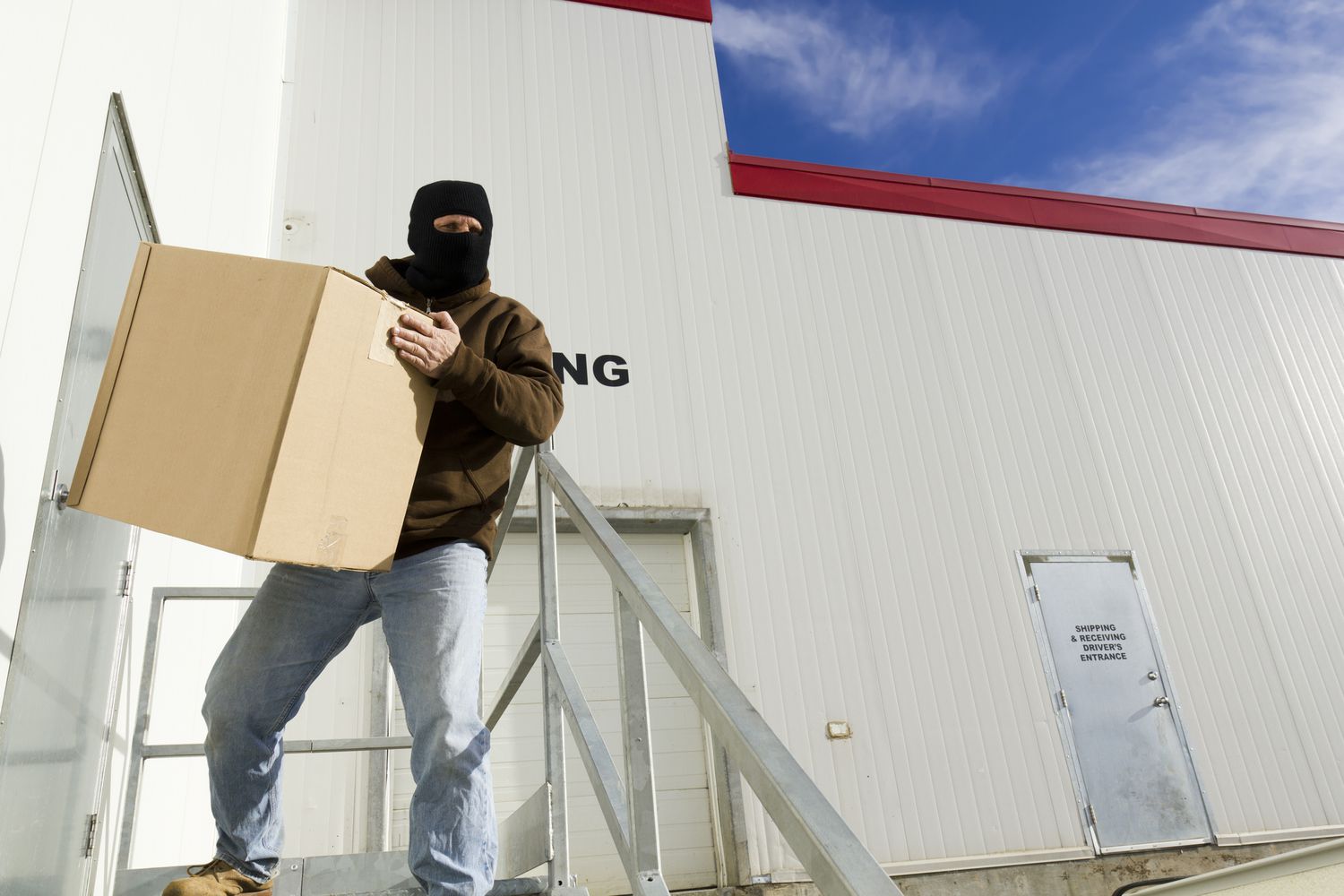
The phrase “Grand Theft Auto” was not just a cute headline pun. Reports during the PS5 frenzy described increasingly bold theft patterns, including criminals targeting moving trucks carrying the consoles. That was the headline-grabbing version of the problem: high-value shipments and organized theft. It sounded like a movie trailer because, frankly, it read like one.
But the more common version was less flashy and more familiar: the dreaded last-mile theft. The PS5 launched during a period when e-commerce was surging and home delivery had become the default for millions of shoppers. Sony even confirmed that launch-day PS5 sales would be online-only in the interest of safety during COVID-19. That decision made sense from a public-health standpoint. It also shifted more risk onto the delivery chain and, eventually, onto the customer’s front step.
That is where porch piracy entered the PS5 story. Package theft was already a major problem in the United States, and the PS5 arrived like it had personally volunteered as tribute. A box left outside for 20 minutes might contain socks. Or it might contain one of the most in-demand gaming consoles on the planet. The thief did not need clairvoyance. During the launch frenzy, any delivery from a major retailer in the middle of holiday season had “maybe expensive electronics” energy.
Meanwhile, the broader cargo theft picture made the problem feel less like random bad luck and more like part of a larger pattern. The FBI has long identified electronics as favored cargo-theft targets, and industry groups now describe cargo theft as an expanding, increasingly sophisticated crisis. In that context, the PS5 theft wave looks less like an isolated weirdness and more like an early warning sign. The console was a symptom of a bigger reality: high-value consumer tech is irresistible when supply chains are strained and resale channels are frictionless.
The Perfect Storm: Scarcity, Bots, and Pandemic Shopping
Now we get to the real villain of the story: scarcity. If the PS5 had been sitting in giant cheerful piles at every retailer, theft would still have happened, but the frenzy would have been smaller. Scarcity is what turned the console from “nice holiday gift” into “practical obsession.”
The shortage came from several directions at once. Pandemic-era gaming demand surged as more people stayed home. Semiconductor shortages pinched production across the electronics world. Logistics constraints made it harder to move product. Sony itself later acknowledged both supply and component pressures, and its filings show that semiconductors remained a serious issue well into the PS5 era before supply improved significantly.
Then bots arrived to make everything worse in the most internet way possible. Many regular buyers were not losing PS5s to fellow humans with quick reflexes and superior browser tabs. They were losing them to automated buying tools. Retailers would restock. Pages would crash. Carts would empty. Hope would briefly bloom and then get punched in the face by “out of stock.” The Verge and WIRED both documented how the launch devolved into a bizarre competition shaped by automation, poor retailer systems, and pure luck.
This matters for theft because scarcity changes behavior. It changes buyer behavior, seller behavior, and criminal behavior. Buyers become willing to pay more. Resellers become more aggressive. Criminals notice the spread between retail value and street value and suddenly a console is not just a toy; it is inventory. When that dynamic kicks in, theft is no longer just opportunistic. It becomes strategic.
That is also why the PS5 was caught in a strange triangle of modern commerce:
1. A new console everyone wanted
The PlayStation brand already had enormous momentum, and launch-week excitement made the PS5 feel like the must-have consumer tech item of the moment.
2. A supply chain that could not keep up
Even strong demand can be managed when supply is healthy. Here, supply was wheezing, stumbling, and occasionally face-planting.
3. A resale market that rewarded chaos
If stolen or flipped inventory can move fast for a hefty profit, the criminal incentive gets louder. Much louder.
Put all three together and the result is not just inconvenience. It is a theft ecosystem.
The Economics of a Stolen PS5
Let’s be blunt: a stolen PS5 was attractive because it could become cash fast. During the launch crunch, resale prices climbed well above retail. That spread is everything. Criminals do not need a four-semester course in market theory to understand a product that can be stolen once and resold by dinner.
The console also had a psychological premium. This was not a random household gadget. It was a status item. A gift item. A social media item. A “my kids will lose their minds on Christmas morning” item. Emotional demand can push buyers into irrational territory, and irrational territory is where bad actors tend to set up folding chairs and snacks.
Even for non-criminal resellers, the market became absurd. People paid huge markups because they believed stock might not normalize anytime soon. That belief was not crazy; shortages really did stretch on. But it blurred the line between ordinary resale and a gray market fueled by desperation. And once gray markets get lively, stolen goods have a much easier time slipping into the mix.
What the PS5 Launch Taught Retailers, Sony, and Shoppers
The PS5 scramble exposed some uncomfortable truths about modern product launches. First, online-only retail is not automatically cleaner or safer. It avoids physical lines and parking-lot stampedes, but it creates new pressure points: bots, delivery vulnerability, fraudulent listings, and customer-service nightmares when orders vanish or packages do.
Second, anti-bot systems matter. Queues, invitations, account verification, and retailer-specific purchase controls are not glamorous, but they are better than turning checkout into a digital demolition derby. The ugly reality of the PS5 hunt helped normalize invite systems and more controlled drops for later high-demand hardware.
Third, delivery security matters more than most shoppers assume. Signature requirements, pickup lockers, hold-for-collection options, package alerts, video doorbells, and boring old-fashioned timing suddenly became part of the gaming conversation. Nothing says “next-gen console launch” quite like discussing whether your neighbor can hide a box behind a fern.
Finally, the whole episode showed that theft prevention cannot begin at the doorstep. It has to exist across the chain: manufacturing, freight movement, warehouse handling, retailer systems, delivery practices, and consumer handoff. The PS5 was never just a customer problem. It was a supply-chain problem wearing a DualSense controller.
So, Did PS5 Thefts Really Go “Grand Theft Auto”?
In a word: yes, at least metaphorically. No five-star wanted level. No rocket launcher cheat code. But the spirit of the comparison fits. The PS5 launch era featured scarce goods, frantic demand, hijacked shipments, stolen packages, resale chaos, and enough online deception to make even seasoned shoppers feel like they needed body armor and a spreadsheet.
More importantly, the phrase captures how theft changed in the age of modern retail. Crime no longer has to happen only in a store aisle or a dark alley. It can happen through a tracking number, a porch camera blind spot, a fake listing, a cargo route, or a bot-assisted restock collapse. The PS5 did not invent that reality. It just spotlighted it with 4K clarity and ray tracing.
In the end, the PlayStation 5 was not merely a console launch. It was a case study in what happens when hype meets shortage, when logistics meet opportunism, and when a white plastic box becomes so coveted that the entire retail chain starts to look like a side quest gone off the rails.
Experiences from the PS5 Theft Era: What It Actually Felt Like for Buyers
The section below is a composite of real launch-era patterns and buyer frustrations reported across coverage of the PS5 shortage. It is written to capture the lived experience surrounding the topic, not to present a single person’s diary.
The first experience was pure adrenaline. You were not “shopping”; you were hunting. A restock tweet would appear, your heart rate would jump into cardio territory, and suddenly you were juggling retailer tabs like an air-traffic controller with trust issues. Best Buy here, Walmart there, Target in another tab, maybe a queue screen pretending to be helpful while actually aging you in real time. The PS5 was the only product that could make fully grown adults whisper, “Come on, come on, come on,” to a spinning checkout wheel like it was a hostage negotiation.
Then came the emotional whiplash of false victory. You got it into your cart. Incredible. You entered your payment info. Amazing. You clicked confirm. Heroic. Then the site coughed, the page refreshed, and the console evaporated into the digital heavens. It was not just disappointment; it was insult. The system let you feel chosen for eight glorious seconds before reminding you that a bot somewhere had faster fingers than your entire family tree.
The second experience was delivery paranoia. If you actually secured a PS5, the celebration lasted until the tracking page loaded. Suddenly every update felt dramatic. “Label created” meant hope. “Out for delivery” meant you were now starring in a low-budget suspense film. People rearranged work calls, watched doorbell feeds, texted neighbors, and timed lunch breaks around the arrival of one oddly shaped cardboard box. A console should not make you feel like you are guarding the crown jewels, yet there you were peeking through blinds like a suburban detective.
The third experience was the fear of the missing package. Maybe the delivery photo was blurry. Maybe the box was left in plain sight. Maybe the tracking said “delivered” and your porch said “absolutely not.” In that moment, every wholesome gamer fantasy was replaced by customer-service purgatory. You contacted the retailer. You contacted the carrier. You refreshed your email every six minutes. You learned that nothing kills next-gen excitement faster than hearing the phrase “We are investigating the matter.” That phrase has all the emotional warmth of a microwave manual.
Then there was the resale-market experience, which somehow managed to be both desperate and sketchy. Local listings multiplied. Some sellers were legitimate. Some were clearly not. Meeting a stranger in a parking lot to buy a $900 console because retail stock had vanished was not exactly the cozy holiday memory Sony probably envisioned. Buyers had to think about counterfeit listings, bait-and-switch scams, stolen units, and whether “brand new, unopened, cash only” was confidence-inspiring or the beginning of a true-crime podcast episode.
And maybe the strangest experience of all was how normal the madness started to feel. People traded restock tips like survival tactics. They joined Discord servers, followed alert accounts, compared queue strategies, and spoke in acronyms usually reserved for military operations or fantasy football. The PS5 launch turned ordinary consumers into part-time logistics analysts. It also taught a weird lesson: when a product is scarce enough, buying it becomes a story. Keeping it becomes another story. And if theft enters the picture, suddenly a game console is no longer just entertainment hardware. It is stress, status, risk, and relief all packed into one very expensive rectangle.
That is why the PS5 theft moment stuck in people’s heads. It was not only the crime headlines. It was the feeling that the entire process had become absurdly high stakes. You were not just trying to play Spider-Man. You were trying to survive a retail obstacle course built from shortages, scams, porch pirates, and enough collective anxiety to power a small city. If that is not “Grand Theft Auto” energy, it is at least the cutscene right before the mission starts.