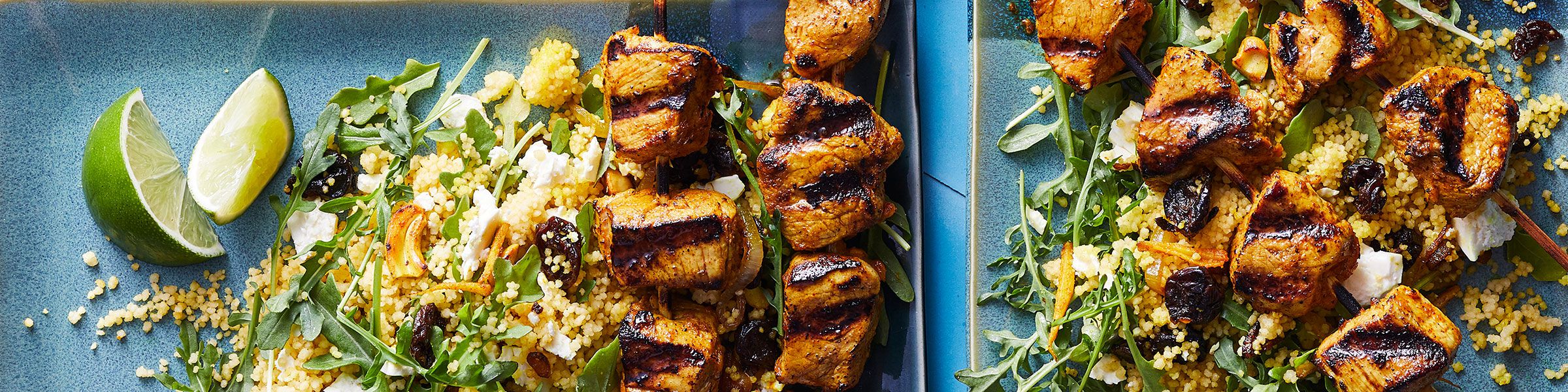

Pork is the ultimate “choose-your-own-adventure” protein: it can be crisp, juicy, smoky, saucy, shredded, sliced, or
tucked into a taco like it owns the place. It’s also one of the easiest meats to accidentally overcook if you treat every
cut the same (spoiler: pork shoulder and pork tenderloin do not want the same life).
This guide is a recipe-packed roadmap to the best pork dinnersweeknight-fast, weekend-slow, and everything in between.
You’ll learn which cuts to buy, how to keep pork juicy, what temperatures matter, and a bunch of adaptable pork recipes
you can remix with whatever’s in your fridge. Yes, even that lonely jar of mustard. It’s finally your time.
Start Here: Know Your Pork Cuts (Because Pork Isn’t One Thing)
Quick-cooking cuts (fast, lean, weeknight-friendly)
- Pork chops (bone-in for flavor, thick-cut for forgiveness)
- Pork tenderloin (super lean, cooks quickly, loves marinades)
- Pork loin (bigger than tenderloin; great roasted, then sliced)
- Pork cutlets (thin slices; perfect for schnitzel-style dinners)
Low-and-slow cuts (tougher, richer, made for braising and shredding)
- Pork shoulder / Boston butt (pulled pork superstar)
- Pork ribs (slow heat = tender bites)
- Fresh ham (large roast; feeds a crowd)
Ground pork and “already flavorful” options
- Ground pork (meatballs, dumplings, stir-fries, patties)
- Fully cooked ham (easy add-in for soups, casseroles, breakfast)
The secret: match your method to the cut. Lean cuts want short cooking times and gentle handling.
Collagen-heavy cuts want time and patience so they can transform into something you’d brag about.
The Pork Golden Rules (Juicy, Flavorful, and Safe)
1) Use a thermometer like you’re a professional (because you are now)
For whole cuts (chops, roasts, tenderloin), pork is safe at 145°F with a 3-minute rest.
Ground pork should reach 160°F. If you’re reheating leftovers, aim for 165°F for safety.
A thermometer turns pork from “hope-based cooking” into “nailed it.”
2) Rest isn’t optionalit’s the difference between juicy and “why is it squeaking?”
Resting lets juices redistribute and finishes the cooking gently. If you slice pork immediately, it can lose moisture fast.
Give chops and tenderloin at least a few minutes; larger roasts get a longer rest.
3) Salt smart: dry-brine for flavor without fuss
Dry-brining is simply salting the pork ahead of time and letting it sit (uncovered if possible) in the fridge. It seasons
deeper, helps the surface dry for better browning, and can noticeably improve juicinessespecially with chops and loin.
4) Don’t fear a little pink
Color isn’t a reliable doneness test. Pork can look slightly pink and still be safely cooked if the internal temperature
is right. Let the thermometer be the referee.
5) The flavor formula for pork always works
If you’re improvising, remember: salt + acid + aromatics + a little sweetness.
Think soy sauce (salt), citrus or vinegar (acid), garlic/ginger/onion (aromatics), and honey or brown sugar (sweetness).
Weeknight Pork Recipes (Fast, Flexible, and Not Boring)
Recipe 1: Perfect Pan-Seared Pork Chops with Garlic-Lemon Pan Sauce
Best for: thick bone-in chops (1 to 1.5 inches)
Why it works: high heat for browning + a quick sauce for “restaurant energy”
Ingredients
- 2 thick-cut pork chops
- Salt and black pepper
- 1 tablespoon neutral oil
- 2 tablespoons butter
- 2 cloves garlic, smashed or minced
- 1/2 cup broth (chicken or vegetable)
- 1 to 2 teaspoons lemon juice
- Optional: thyme, parsley, or a pinch of chili flakes
Method
- Pat chops dry. Season generously with salt and pepper (dry-brine 30 minutes to overnight if you can).
- Heat a skillet over medium-high. Add oil. Sear chops until deeply browned, flipping once.
- Lower heat. Add butter and garlic; baste the chops for 30–60 seconds.
- Check temp. Pull at 145°F, then rest 3 minutes.
- Pour broth into the pan, scrape up browned bits, simmer 1–2 minutes. Finish with lemon juice and herbs.
- Spoon sauce over chops and serve with roasted veggies, salad, or mashed potatoes.
Quick variation ideas: swap lemon for apple cider vinegar; add mustard; stir in a spoonful of jam for a sweet-tangy glaze.
Recipe 2: Sheet-Pan Pork Tenderloin with Roasted Vegetables
Best for: busy nights when you want one pan and zero drama
Ingredients
- 1 pork tenderloin (about 1 to 1.25 pounds)
- 2 tablespoons olive oil
- 1 teaspoon salt, 1/2 teaspoon pepper
- 1 teaspoon smoked paprika or chili powder
- 1 teaspoon garlic powder (or 2 fresh cloves)
- Vegetables: broccoli, carrots, onions, bell peppers, sweet potatoesuse what you have
- Optional glaze: 1 tablespoon mustard + 1 tablespoon honey + 1 teaspoon vinegar
Method
- Heat oven to 425°F. Toss veggies with oil, salt, and pepper on a sheet pan.
- Rub tenderloin with oil and spices. Nestle it among the veggies.
- Roast 18–25 minutes (time depends on thickness), until tenderloin hits 145°F, then rest 3–5 minutes.
- Slice and serve. Add the optional glaze on top if you want extra “wow” with minimal effort.
Pro tip: tenderloin is leandon’t overcook it. If you’re nervous, pull it at 140–143°F and let carryover heat finish the job.
Recipe 3: Ginger-Soy Pork Stir-Fry (15-Minute Dinner)
Best for: ground pork or thin-sliced loin
Ingredients
- 1 pound ground pork (or thin-sliced pork)
- 1 tablespoon oil
- 1 tablespoon grated ginger
- 2 cloves garlic, minced
- 3 tablespoons soy sauce
- 1 tablespoon vinegar or citrus juice
- 1 to 2 teaspoons honey or brown sugar
- Vegetables: cabbage, snap peas, carrots, mushrooms, spinach
- Optional: sesame seeds, green onions
Method
- Brown pork in a hot skillet. Break it up and let it get a little crispy in spots.
- Add ginger and garlic; cook 30 seconds.
- Toss in veggies. Stir-fry until crisp-tender.
- Add soy sauce, vinegar/citrus, and honey. Simmer 1 minute and serve over rice or noodles.
Weekend Pork Recipes (Low-and-Slow Payoff)
Recipe 4: Oven Pulled Pork Shoulder with Tangy BBQ-Style Sauce
Best for: meal prep, parties, sandwiches, tacos, and feeling like a hero
Pork shoulder becomes shreddable when cooked long enough for collagen to break down. Many cooks aim for an internal
temperature around 195–205°F for that “pull apart with a spoon” tenderness.
Ingredients
- 4–6 pounds pork shoulder (bone-in or boneless)
- Dry rub: 2 teaspoons salt, 2 teaspoons paprika, 1 teaspoon garlic powder, 1 teaspoon onion powder, 1 teaspoon pepper
- Optional: 1/2 teaspoon cumin, chili powder, or brown sugar
- 1 cup broth or water for the pan
- Sauce: 1/2 cup ketchup, 2 tablespoons vinegar, 1 tablespoon mustard, 1–2 tablespoons honey, pinch of salt
Method
- Heat oven to 300°F. Pat the pork dry and coat with the rub.
- Place in a roasting pan. Add broth to the bottom (not over the pork).
- Cover tightly with foil and roast 4–6 hours, until very tender and internal temp is in the shreddable range.
- Rest 20 minutes. Shred with forks. Mix with sauce and serve.
Serving ideas: pulled pork sandwiches, rice bowls, tacos, baked sweet potatoes, or over a salad with crunchy slaw.
Recipe 5: “Almost-No-Work” Pork Carnitas-Style Tacos
Best for: citrusy, tender pork with crispy edgeswithout needing a deep fryer
Ingredients
- 3–4 pounds pork shoulder, cut into large chunks
- Salt, pepper, cumin, garlic powder
- 1 onion, sliced
- 3–4 cloves garlic
- 1 orange (juice + peel), 1 lime (juice)
- 1/2 cup broth or water
Method
- Heat oven to 300°F. Season pork. Place in a Dutch oven with onion, garlic, citrus juice, and broth.
- Cover and cook until very tender (3.5–5 hours).
- Shred, then spread on a sheet pan and broil 3–7 minutes to crisp edges. Watch closely.
- Serve with tortillas, salsa, cabbage, and a squeeze of lime.
Comfort Classics (Cozy Pork Dinners That Don’t Miss)
Recipe 6: Juicy Pork Meatballs (Oven-Baked) with Tomato Sauce
Best for: weeknight pasta, meatball subs, or freezing for future-you
Ingredients
- 1 pound ground pork
- 1/3 cup breadcrumbs
- 1 egg
- 2 tablespoons grated Parmesan (optional)
- 1 teaspoon salt, 1/2 teaspoon pepper
- 1 teaspoon garlic powder or minced garlic
- 2 tablespoons chopped parsley (optional)
Method
- Heat oven to 425°F. Mix ingredients gentlyovermixing makes tough meatballs.
- Roll into golf-ball-sized meatballs. Bake 12–15 minutes, until cooked through (160°F).
- Simmer in tomato sauce for 5–10 minutes to absorb flavor.
Shortcut: serve over rice with a drizzle of sauce and roasted veggies for a quick bowl situation.
Easy Pork Fried Rice (Leftover Power Move)
Use leftover pulled pork, cooked chops, or ground pork. Stir-fry with cold rice, frozen peas/carrots, scrambled egg,
and soy sauce. Finish with green onions. This is how leftovers become a brag.
International-Inspired Pork Recipes (Big Flavor, Pantry-Friendly)
Schnitzel-Style Crispy Pork Cutlets
Pound thin cutlets, season, dredge in flour, dip in egg, coat in breadcrumbs, then pan-fry until crisp and golden.
Serve with lemon wedges and a crunchy salad. It’s crispy comfort with a fancy accent.
Sweet-Savory “Caramelized” Pork Skillet (No Candy Thermometer Needed)
Brown sliced pork with onions and garlic, add a spoon of brown sugar, a splash of vinegar, and a little soy sauce.
Simmer until glossy. Serve with rice and cucumbers for contrast. The vibe is sticky-salty-satisfying.
Pork Noodle Bowl Shortcut
Crisp ground pork with ginger and garlic, toss with noodles, shredded cabbage, and a sauce of soy + citrus + honey.
Sprinkle sesame seeds. Done. It tastes like you planned your life.
Sauces, Rubs, and Flavor Boosters That Make Pork Taste “Chef-y”
All-Purpose Pork Rub
- 2 teaspoons kosher salt
- 2 teaspoons paprika
- 1 teaspoon garlic powder
- 1 teaspoon onion powder
- 1/2 teaspoon black pepper
- Optional: cumin, chili powder, or a pinch of brown sugar
Great on chops, tenderloin, shoulder, and roasted veggies. This is your “I cook” signature scent.
Maple-Mustard Glaze (Sweet + Tangy)
Whisk 1 tablespoon mustard + 1 tablespoon honey + 1 teaspoon vinegar + pinch of salt. Brush on pork in the last few
minutes of cooking. It’s sticky, sharp, and makes people ask, “What’s in this?”
Quick Pan Sauce Blueprint
After searing pork, pour off excess fat, add broth, scrape browned bits, simmer, finish with butter + acid (lemon or
vinegar). Add herbs if you’re feeling fancy. This turns “plain pork” into “weeknight masterpiece.”
Meal Prep, Storage, and Leftovers (How Pork Stays Delicious)
Pork is a meal-prep champion if you store it well. Keep cooked pork refrigerated and use within 3–4 days.
Freeze leftovers for longer storage (quality is best if used within a few months). Cool food quickly: portion into shallow
containers, refrigerate promptly, and don’t leave cooked food sitting out for long.
Leftover ideas that don’t feel like leftovers
- Taco remix: chop leftover pork, crisp in a skillet, add salsa and cabbage.
- Rice bowl: pork + rice + pickled onions + crunchy veggies + sauce.
- Breakfast upgrade: pork + eggs + potatoes = weekend joy on a Tuesday.
- Soup shortcut: add diced ham or shredded pork to bean soup, ramen, or vegetable soup.
Troubleshooting: Fix the Most Common Pork Problems
“My pork chops are dry.”
- Choose thicker chops and use a thermometer.
- Dry-brine (salt ahead) and don’t overcook past 145°F.
- Finish with sauce or compound butter to add moisture and flavor.
“My pulled pork is tough.”
- It probably needs more time. Tough shoulder isn’t overcookedit’s under-transformed.
- Keep cooking until it’s shreddable and the connective tissue breaks down.
“It’s too salty.”
- Balance with acid (vinegar/citrus) and a little sweetness.
- Mix salty pork into unsalted sides (rice, potatoes) to dilute.
Real-Life Pork Recipe Experiences (Lessons That Make You Better Fast)
If you ask a group of home cooks about pork, you’ll hear a familiar story arc: early confidence, one tragedy involving a
dry pork chop, and a redemption season fueled by a meat thermometer. The good news is you can skip the tragedy and go
straight to the redemptionby learning the patterns people discover only after they’ve cooked pork a dozen different ways.
First, most “pork problems” come down to treating every cut the same. A tenderloin is lean and fast; it thrives with quick
heat and a short rest. Shoulder is tough and slow; it thrives with patience, gentle heat, and the understanding that it will
look unimpressed for hours before it suddenly becomes magic. Many cooks describe the shoulder moment like this: it’s
stubborn… stubborn… still stubborn… then it collapses into shreddable tenderness like it got your text and decided to show up.
That’s collagen doing its thing.
Second, seasoning pork is about timing as much as ingredients. People who swear they “don’t love pork” often haven’t had
pork that was salted properly. Dry-brining (salting ahead) is one of those upgrades that feels unfair because it’s so simple.
The first time someone salts thick chops in the morning and cooks them at night, they usually become the kind of person who
tells strangers, “You should really salt your pork earlier.” That’s not a personality change. That’s just juicy meat confidence.
Third, browning is flavorespecially for quick cuts. Home cooks consistently notice that pork chops taste “flat” when they
aren’t deeply seared. Patting the meat dry, heating the pan properly, and not moving the chops too soon are small behaviors
that produce big results. The most common mistake is flipping every 20 seconds out of nervousness. If you feel tempted to
poke the pork constantly, give your hands a job: prep the salad, warm the plates, or practice your victory speech.
Fourth, sauces are the shortcut to variety. Once cooks learn a basic pan sauce, pork becomes less of a single recipe and more
of a platform: mustard-honey one night, lemon-garlic the next, soy-ginger the next. This is why pork is so good for busy weeks.
You can keep the cooking method the same and change the flavor “theme,” which means dinner feels new without creating a sink
full of experimental regret.
Fifth, leftovers are where pork becomes a lifestyle. Shredded pork turns into tacos, bowls, and sandwiches. Chopped pork chop
becomes fried rice. Ground pork becomes dumpling filling or lettuce wraps. The experience most cooks share is that pork
rewards you twice: once on the night you cook it, and again when you’re hungry later and realize you can make something
completely different with what’s already done. That’s not just convenientit’s the difference between ordering takeout and
saying, “Actually, I’ve got this,” while you crisp leftover pork in a skillet like a weeknight wizard.
Finally, the biggest “experienced cook” move is letting a thermometer, not fear, call the shots. People often overcook pork
because they’re trying to be safe, but safety and juiciness can absolutely coexist. When cooks start pulling chops at the right
temperature and resting them, they usually have the same reaction: surprise, relief, and the immediate urge to cook pork again
just to prove it wasn’t a fluke. (It wasn’t.)
Conclusion
Pork recipes don’t have to be complicated to be outstanding. Once you match the right cut to the right methodquick heat for
chops and tenderloin, slow time for shoulder and ribsyou’ll get consistently juicy results. Add a thermometer, a simple rub,
and one dependable sauce template, and you can create endless pork dinners that feel different every time without starting
from scratch. Pork isn’t “one recipe.” It’s a whole category of wins waiting to happen.