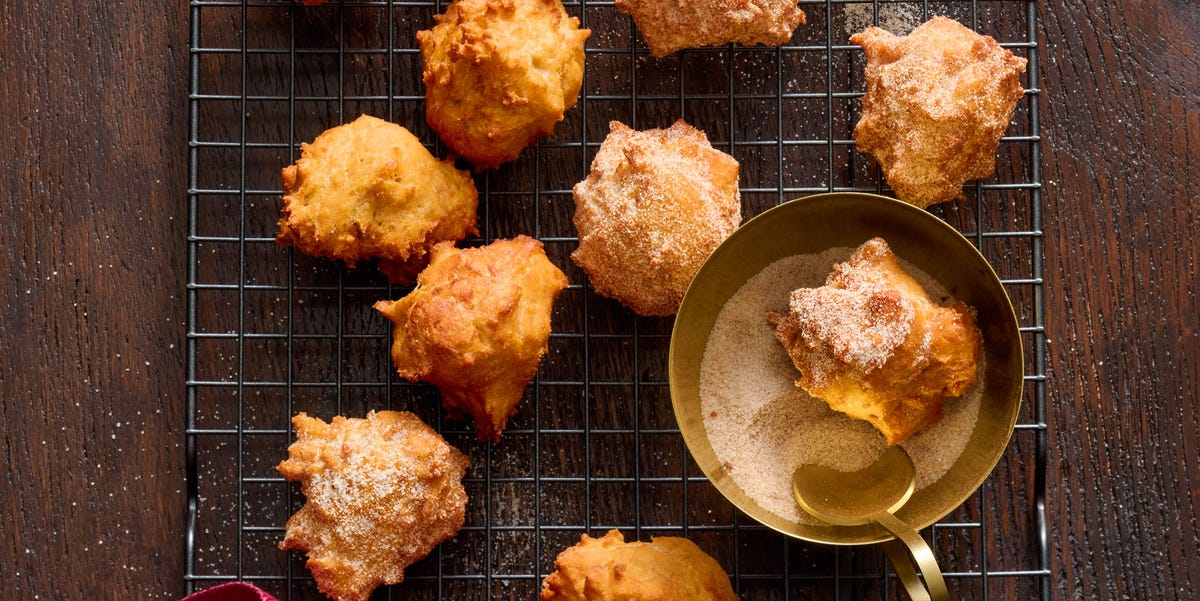

Orange-cinnamon fritters are the kind of dessert that makes the kitchen smell like a bakery, a citrus grove, and a cozy holiday candle all decided to start a group chat. They are crisp on the outside, tender in the middle, gently sweet, warmly spiced, and brightened with real orange zest and juice. In other words, they are tiny golden pillows with excellent social skills.
This orange-cinnamon fritters recipe is designed for home cooks who want bakery-style flavor without needing a culinary degree, a doughnut robot, or emotional support from a pastry chef. The batter is simple: flour, baking powder, eggs, milk, orange juice, orange zest, cinnamon, vanilla, and a little melted butter. The technique is straightforward, too: mix gently, rest briefly, fry in small batches, then finish while warm with cinnamon sugar or a glossy orange glaze.
The result is a homemade fritter that works for brunch, dessert, coffee breaks, holiday trays, weekend cooking projects, and those mysterious moments when everyone in the house suddenly “just wants a little something.” These fritters answer that call with a cheerful citrus wink.
What Are Orange-Cinnamon Fritters?
Fritters are small portions of batter or dough that are fried until golden. They can be sweet or savory, fluffy or crisp, filled with fruit or kept simple. Orange-cinnamon fritters belong to the sweet side of the family, close cousins of doughnut holes, apple fritters, churro bites, and zeppole.
What makes this version special is the balance of flavor. Cinnamon brings warmth and depth, while orange adds brightness and aroma. The zest is especially important because it contains fragrant citrus oils. Orange juice adds flavor and a little acidity, helping the fritters taste fresh instead of heavy. The cinnamon sugar coating gives them a classic fairground-style crunch, while the optional orange glaze adds a bakery finish.
Why This Recipe Works
Orange zest delivers big flavor
Orange juice is lovely, but orange zest is the real superstar. The colorful outer peel holds concentrated citrus oils, which perfume the batter without adding too much liquid. For the best result, zest the orange before juicing it. Trying to zest a squeezed orange half is a comedy sketch nobody needs to perform twice.
Baking powder keeps the fritters light
These fritters use baking powder instead of yeast, which means there is no long rise time. The batter puffs quickly in hot oil, creating a tender center and a slightly crisp shell. This makes the recipe fast enough for a weekend morning but special enough for a holiday dessert table.
Small batches protect the texture
The secret to crispy homemade fritters is not just the batter. It is the oil temperature. If too much batter goes into the pot at once, the oil temperature drops, and the fritters can turn greasy. Frying a few at a time keeps the oil hot enough to set the outside quickly while the inside cooks through.
Orange-Cinnamon Fritters Recipe
Recipe Overview
- Prep time: 15 minutes
- Rest time: 10 minutes
- Cook time: 15 minutes
- Total time: About 40 minutes
- Yield: 22 to 26 small fritters
- Best served: Warm, fresh, and shared before anyone starts hiding them behind the coffee maker
Ingredients
For the Fritters
- 1 1/2 cups all-purpose flour
- 1/4 cup granulated sugar
- 2 teaspoons baking powder
- 1 teaspoon ground cinnamon
- 1/4 teaspoon fine salt
- 1 tablespoon finely grated orange zest, from 1 to 2 oranges
- 2 large eggs, at room temperature
- 1/2 cup whole milk
- 1/4 cup fresh orange juice
- 2 tablespoons unsalted butter, melted and slightly cooled
- 1 teaspoon vanilla extract
- Vegetable oil, canola oil, or peanut oil, for frying
For the Cinnamon-Sugar Coating
- 1/2 cup granulated sugar
- 1 1/2 teaspoons ground cinnamon
- Pinch of salt
- 1/2 teaspoon orange zest, optional
Optional Orange Glaze
- 1 cup powdered sugar
- 2 to 3 tablespoons fresh orange juice
- 1/4 teaspoon vanilla extract
- Pinch of cinnamon
- Pinch of salt
Step-by-Step Instructions
1. Prepare the coating or glaze
Before frying, decide how you want to finish the fritters. For cinnamon sugar, stir together the granulated sugar, cinnamon, salt, and optional orange zest in a shallow bowl. For glaze, whisk powdered sugar with orange juice, vanilla, cinnamon, and salt until smooth. Start with 2 tablespoons of orange juice and add more only if needed. The glaze should be thick enough to cling but loose enough to drizzle.
2. Mix the dry ingredients
In a large bowl, whisk together the flour, sugar, baking powder, cinnamon, salt, and orange zest. Use your fingertips to rub the zest into the sugar and flour mixture for a few seconds. This releases the citrus oils and helps the orange flavor spread through the batter.
3. Mix the wet ingredients
In a separate bowl, whisk the eggs, milk, orange juice, melted butter, and vanilla extract until smooth. Make sure the butter is not hot when you add it, or it may scramble the eggs. Fritters are wonderful; orange-cinnamon scrambled egg nuggets are not the assignment.
4. Combine gently
Pour the wet ingredients into the dry ingredients. Stir just until no large dry pockets remain. The batter should look thick, soft, and slightly lumpy, similar to a heavy pancake batter. Do not overmix. Overworking the batter can make the fritters dense instead of tender.
5. Rest the batter
Let the batter rest for 10 minutes while you heat the oil. This short rest gives the flour time to hydrate and allows the baking powder to start working. It also makes the batter easier to scoop.
6. Heat the oil safely
Pour 2 inches of oil into a heavy pot or Dutch oven. Heat over medium to medium-high heat until the oil reaches 350°F to 365°F. Use a deep-fry thermometer for best results. If you are a younger cook, make these with adult supervision. Keep water away from hot oil, leave space at the top of the pot, and never walk away while frying.
7. Fry in small batches
Use a small cookie scoop or two spoons to drop tablespoon-sized portions of batter into the oil. Fry 4 to 6 fritters at a time, depending on the size of your pot. Cook for about 2 to 3 minutes total, turning once or twice, until the fritters are puffed, deep golden, and cooked through.
8. Drain on a rack
Use a slotted spoon or spider strainer to lift the fritters from the oil. Transfer them to a wire rack set over a baking sheet. A rack helps air circulate, keeping the bottoms from steaming and softening. Paper towels are useful for catching oil, but a rack is better for crispness.
9. Coat while warm
For cinnamon-sugar fritters, roll them in the coating while they are still warm. The sugar will cling to the surface and create a delicate sparkle. For glazed fritters, let them cool for 5 minutes, then dip or drizzle with orange glaze. Let the glaze set briefly before serving, unless patience has left the building.
How to Tell When Fritters Are Done
Perfect orange-cinnamon fritters should be golden brown outside and fluffy inside. If the outside browns too quickly while the center stays doughy, the oil is too hot. Lower the heat and give the oil a minute to settle. If the fritters take too long to brown and come out heavy or greasy, the oil is too cool. Increase the heat slightly and wait until the temperature returns to the proper range.
A test fritter is always a smart move. Fry one small scoop first, let it cool for a minute, then break it open. The center should be cooked, tender, and cake-like, not wet. Taste it, too. This is not “snacking.” This is quality control. Very serious business.
Best Tips for Crispy, Fluffy Fritters
Use fresh baking powder
Baking powder loses strength over time. If yours has been sitting in the pantry since a previous presidential administration, replace it. Fresh baking powder gives fritters their lift.
Do not overmix the batter
A few lumps are fine. Overmixing develops gluten, which can make the fritters chewy. Stir gently and stop as soon as the ingredients come together.
Keep the oil temperature steady
The best frying range for these fritters is 350°F to 365°F. A thermometer makes this much easier. Adjust the burner as needed between batches.
Fry small scoops
Large fritters may brown before the center cooks. Tablespoon-sized portions cook quickly and evenly, with a better ratio of crisp outside to fluffy inside.
Serve them fresh
Fritters are at their best soon after frying. They can be reheated, but fresh fritters have the magic: crisp edges, warm centers, and the kind of aroma that makes people wander into the kitchen pretending they “just came to check something.”
Flavor Variations
Orange-cardamom fritters
Replace half the cinnamon with ground cardamom for a floral, slightly Scandinavian-style twist. This version is excellent with coffee.
Chocolate orange fritters
Fold 1/3 cup mini chocolate chips into the batter. Keep them small so they distribute evenly and do not weigh down the fritters.
Cranberry orange fritters
Add 1/2 cup finely chopped dried cranberries. The tart fruit makes the fritters taste festive and colorful, especially for Thanksgiving, Christmas, or winter brunch.
Orange-vanilla glaze
Skip the cinnamon in the glaze and add an extra 1/2 teaspoon vanilla extract. This creates a creamsicle-style finish that children and adults both love.
Spiced holiday fritters
Add a pinch of nutmeg, clove, or allspice to the dry ingredients. Use restraint here; warm spices are powerful, and nobody wants a fritter that tastes like it got tackled by a gingerbread house.
What to Serve With Orange-Cinnamon Fritters
These fritters are delicious on their own, but they also pair well with simple sides and drinks. Serve them with hot coffee, black tea, chai, apple cider, or cold milk. For brunch, place them next to scrambled eggs, fresh berries, yogurt, or bacon. For dessert, serve with whipped cream, vanilla ice cream, or a little bowl of warm chocolate sauce.
If you are making a holiday platter, arrange the fritters with orange slices, cinnamon sticks, and a dusting of powdered sugar. They look fancy with almost no effort, which is the best kind of fancy.
Storage and Reheating
Orange-cinnamon fritters are best eaten the day they are made. If you have leftovers, let them cool completely, then store them in an airtight container at room temperature for up to 1 day or in the refrigerator for up to 3 days. Avoid sealing them while warm, because trapped steam will soften the crust.
To reheat, place fritters on a wire rack set over a baking sheet and warm them in a 350°F oven for 6 to 8 minutes. An air fryer also works well at 325°F for 3 to 5 minutes. Microwaving is quick, but it softens the outside, so use it only if crispness is not your top priority.
Common Mistakes to Avoid
Using bottled orange juice only
Bottled juice can work in a pinch, but fresh orange juice and zest give the best flavor. The zest is what makes the fritters taste truly orange, not vaguely “breakfast beverage adjacent.”
Skipping the thermometer
Guessing oil temperature is difficult. A thermometer helps prevent greasy, pale fritters or burnt outsides with raw centers.
Crowding the pot
Too many fritters at once lower the oil temperature. They also bump into each other, stick together, and create one large fritter continent. Fry in small batches for the best shape and texture.
Coating too late
Cinnamon sugar sticks best when the fritters are warm. If they cool completely, the coating will not cling as well. Glaze, however, works better after the fritters cool for a few minutes.
Frequently Asked Questions
Can I make the batter ahead of time?
This batter is best fried shortly after mixing because baking powder begins reacting once wet ingredients are added. You can mix the dry ingredients ahead of time and whisk the wet ingredients separately, then combine them just before frying.
Can I bake orange-cinnamon fritters?
You can bake spoonfuls of batter in a mini muffin pan at 375°F until puffed and cooked through, but the result will be more like mini muffins than fritters. Still tasty, just less crispy.
Can I use an air fryer?
Yes, but the texture will be different. Spoon small portions onto parchment designed for air fryers, lightly spray with oil, and cook at 350°F until golden and set. Toss in cinnamon sugar while warm. They will be lighter and less rich than deep-fried fritters.
Can I add fruit pieces?
Yes. Finely diced apple or pear works well. Keep the pieces small and pat them dry if juicy. Too much moisture can make the batter loose and the fritters heavy.
Kitchen Experience: What Making Orange-Cinnamon Fritters Teaches You
Making orange-cinnamon fritters is one of those kitchen experiences that looks simple on paper but teaches a surprising number of useful cooking lessons. The first lesson is patience. Not huge, heroic patience. Just the tiny kind required to let the batter rest for 10 minutes and let the oil return to temperature between batches. It is the culinary version of taking a breath before replying to a dramatic group text.
The second lesson is that aroma matters. When orange zest hits sugar and flour, the kitchen changes immediately. It smells brighter, warmer, and more alive. Cinnamon does something similar, but in a cozy direction. Together, they create a scent that makes people ask, “What are you making?” from rooms where they were previously pretending not to care.
The third lesson is control. Frying can feel intimidating, especially if you are used to baking, where the oven does much of the work behind a closed door. With fritters, you are right there. You watch the bubbles, adjust the heat, turn each piece, and learn how color tells a story. Pale means wait. Deep golden means ready. Dark brown means your oil may be too enthusiastic.
There is also a small joy in imperfection. Homemade fritters are not supposed to look identical. Some will be round, some will have little crispy tails, and one or two may resemble tiny abstract sculptures. That is part of their charm. A perfectly uniform fritter can look commercial, but a homemade fritter looks like someone cared enough to make dessert from scratch.
Another experience worth mentioning is the “first test fritter moment.” This is when you fry one small spoonful, crack it open, and taste it. Maybe it needs a pinch more cinnamon. Maybe the orange flavor is already singing. Maybe you realize the oil needs to be slightly cooler. That one little fritter gives you feedback before the whole batch is committed. It is a practical habit that improves not only fritters but pancakes, meatballs, hush puppies, and many other recipes.
Serving these fritters also has its own rhythm. They are best shared warm, when the cinnamon sugar is still clinging and the glaze is just starting to set. Put a plate on the table and watch how quickly conversation becomes more cheerful. People may begin with “I’ll just have one,” which is a charming phrase often followed by two more fritters and a suspicious trail of cinnamon sugar.
Over time, this recipe becomes flexible. You learn whether your family likes more zest, extra glaze, smaller fritters, or a heavier cinnamon coating. You might make them for a lazy Sunday breakfast, a holiday brunch, or a rainy afternoon snack. Each batch builds confidence. Eventually, you stop thinking of fritters as a restaurant or bakery treat and start seeing them as something you can make whenever the mood calls for something crisp, warm, citrusy, and a little bit celebratory.
Conclusion
Orange-cinnamon fritters are easy enough for a weekend treat and special enough for a festive table. With fresh orange zest, warm cinnamon, a tender baking-powder batter, and a crisp golden shell, they deliver big flavor from simple pantry ingredients. The key is to mix gently, keep the oil temperature steady, fry in small batches, and finish the fritters while they are warm.
Whether you choose cinnamon sugar, orange glaze, or both, this recipe gives you a bright, cozy dessert that tastes homemade in the best possible way. It is cheerful, fragrant, and just messy enough to feel fun. In short: if sunshine wore a cinnamon sweater and jumped into a fryer, this would be the result.