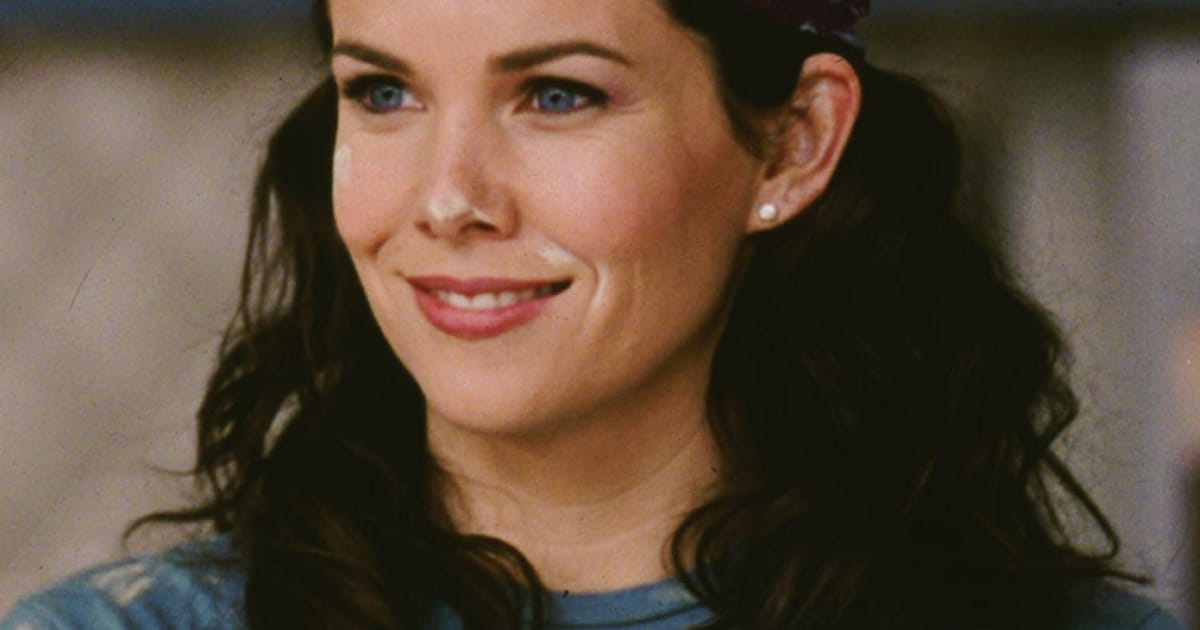

Few TV characters inspire as many strongly worded think pieces, Reddit battles, and
cozy fall rewatches as Lorelai Gilmore. To some, she’s the gold standard of
fast-talking TV moms: independent, hilarious, and fiercely loving. To others, she’s
a whirlwind of emotional immaturity, junk food, and unresolved trauma in cute boots.
Either way, Lorelai is never boring and that’s exactly why she’s still getting
ranked, dissected, and debated decades after Gilmore Girls first aired.
In this deep dive, we’ll look at how fans and critics rank Lorelai Gilmore: her best
traits, her worst decisions, her most iconic relationships, and where she lands in
the pantheon of TV moms and heroines. We’ll mix fan opinions, pop culture analysis,
and a bit of gentle roasting because Lorelai would absolutely roast us right back.
Who Is Lorelai Gilmore, Really?
Lorelai Victoria Gilmore is the single mom at the heart of Gilmore Girls:
pregnant at sixteen, she ran away from her wealthy parents’ Hartford world to raise
her daughter, Rory, in the quirky small town of Stars Hollow. That rebellious
backstory shapes everything her stubborn independence, her distrust of authority,
and her “I’ll figure it out myself” attitude. She’s known for her mile-a-minute
dialogue, pop culture references, and a coffee intake that would kill a normal
human. Critics and fans alike often describe her as fast-talking, quick-witted, and
full of heart, even when she’s being a complete mess.
Lorelai is also the emotional bridge (and wrecking ball) between three generations
of Gilmore women: herself, her daughter Rory, and her mother Emily. Their
Friday-night dinners, arguments, reconciliations, and mutual guilt trips are the
backbone of the series. Commentators frequently call that grandmother–mother–
daughter triangle one of TV’s most compelling explorations of family dynamics.
Why Lorelai Still Ranks So High With Fans
Even with all the criticism, Lorelai consistently ranks near the top on “favorite
Gilmore Girls characters” lists and “best TV moms” roundups. Why?
1. She’s emotionally big, not emotionally subtle
Lorelai doesn’t do “quiet feelings.” She loves loudly, fights loudly, jokes loudly,
and apologizes (eventually) just as loudly. That emotional openness even when it’s
messy makes her feel real. Fans still cite scenes like her heartfelt talks with
Rory about college, heartbreak, or growing up as some of the most genuine parent–
teen moments on TV.
2. She made single motherhood look complicated and powerful
Lorelai isn’t a neat “single mom” trope where everything magically works out. She
’s exhausted, underpaid, and sometimes makes terrible choices but she’s also the
one who got herself out of the pool house, built a career in hospitality, and
eventually co-ran her own inn. Many viewers see her as a symbol of starting over on
your own terms, even when your choices don’t make sense to anyone else.
3. She’s genuinely funny
A lot of characters are written as “funny”; Lorelai is funny. Her offbeat
analogies, self-deprecating jokes, and rapid-fire references are still quoted
across memes, listicles, and fan threads. For many fans, she’s less a fictional
character and more a chaotic friend who just happens to live inside their TV.
Ranked: Lorelai Gilmore’s Best Qualities
If we had to rank Lorelai’s strongest traits based on fan discussions, critical
essays, and years of rewatch culture, here’s where she lands.
#1 – Her independence
Lorelai’s decision to leave her parents’ home and raise Rory on her own defines her
entire arc. Analyses often highlight how determined she is to do things her way
from working her way up from maid to inn manager to launching the Dragonfly Inn with
Sookie. She wants full ownership of her life, even when that
means making it harder.
#2 – Her loyalty to the people she loves
For all her flaws, Lorelai is deeply loyal. She stands by Sookie through disasters,
supports Michel’s quirks without judgment, and fiercely defends Rory even when she
doesn’t agree with her choices. She may snark behind your back, but if you’re one
of “her people,” she will show up.
#3 – Her work ethic (yes, underneath the coffee jokes)
It’s easy to get distracted by the junk food and movie marathons, but Lorelai is a
worker. She handles demanding inn guests, complicated town events, and the chaos of
small business ownership, often while juggling family drama. Critics frequently note
how her career storyline grounds the show in real-world stakes.
#4 – Her sense of humor and resilience
Lorelai turns discomfort into comedy with her parents, at Chilton, in awkward
social settings. Humor is both her shield and her superpower, and it’s one of the
main reasons viewers still find her comforting to watch, especially during their
own tough seasons.
#5 – Her willingness (eventually) to grow
Lorelai doesn’t learn lessons quickly. But she does learn them. Over time, she
softens with Emily, gets more honest in therapy, and starts recognizing when she’s
repeating old patterns. The revival even hints at a Lorelai who’s more capable of
sitting with uncomfortable feelings instead of sprinting away from them.
Ranked: Lorelai’s Messiest and Most Controversial Moments
Of course, for every heartwarming Lorelai moment, there’s another one that makes
fans pause the show and sigh loudly at their screen. Pop culture sites and fan
forums are full of “Lorelai’s worst moments” lists, and a few incidents show up
again and again.
#1 – Running away from her wedding to Max
Top of nearly every “worst Lorelai decisions” list: saying yes to Max, planning the
wedding, then bolting at the last minute. Critics often point out how impulsive this
is she treats engagement like a vibe check rather than a commitment. Fans are
divided: some see it as an honest correction of a bad fit, others as classic
Lorelai self-sabotage.
#2 – The way she handles Rory’s first time (with a married man)
When Lorelai finds Rory in bed with Dean, who is still married, she explodes. Many
viewers agree that her anger is understandable, but the harshness of the scene has
been heavily debated. Some see it as Lorelai’s fear and disappointment boiling over;
others think she turns a complex moment into moral shaming that sticks with Rory for
years.
#3 – Shutting Emily and Richard out of Rory’s life
One ongoing criticism is that Lorelai sometimes lets her own childhood wounds limit
Rory’s relationship with her grandparents. Commenters and parenting writers alike
point out that she projects her hurt onto Rory, treating closeness with Emily and
Richard like a threat instead of an extra support system.
#4 – Crossing boundaries as a parent–best-friend hybrid
Lorelai always said she wanted to be Rory’s friend, not the kind of mother Emily
was. Modern parenting articles and fan debates have taken that apart: is she too
much of a friend and not enough of a parent? Critics note her lack of boundaries,
especially when she vents about adult issues to Rory or leans on her emotionally in
ways that flip the parent–child dynamic.
#5 – The junk food, coffee, and “cool mom” lifestyle
It’s played as comedy coffee for breakfast, Pop-Tarts for dinner, Chinese takeout
as a food group but some modern viewers wince at how normalized that becomes,
especially for a child. Articles that rank Lorelai’s “messiest moments” often list
her over-the-top junk food parenting as one of her more questionable habits.
Lorelai as a Mom: Is She Overrated or Underrated?
Ask ten fans if Lorelai is a good mom, and you’ll get twelve answers and probably a
PowerPoint. The consensus is complicated:
- Emotionally present? Absolutely. Lorelai listens to Rory, knows her
favorite books, and never dismisses her ambitions. - Structurally solid? Not so much. Boundaries are fuzzy, rules are
negotiable, and “No” is not a word she uses often. - Long-term outcomes? Rory grows up driven and brilliant but also
entitled and sometimes ethically shaky, which many fans trace back to being
pedestalized at home.
Parenting experts quoted in modern pieces on Lorelai’s style point out that wanting
to be your kid’s best friend is understandable, but ideally, that dynamic happens
after the “raising” part is done, not while the brain is still under construction.
Lorelai’s parenting ranks high on warmth and connection, but
middling on boundaries and consequences meaning she lands somewhere between
“iconic” and “yikes” depending on what you personally value.
Ranking Lorelai’s Key Relationships
Part of what makes Lorelai so endlessly discussable is how differently she behaves
with each person in her life. Let’s loosely rank her central relationships based on
fan affection and critical admiration.
#1 – Lorelai and Emily: the show’s real love story
Many critics argue that the emotional core of Gilmore Girls isn’t Rory’s
love life but Lorelai’s relationship with Emily. Their decades-long fight over
class, choice, and motherhood is layered, funny, and often devastating. Emily can be
controlling and cutting, but she also deeply loves her daughter; Lorelai is
rebellious and resentful, but she is still shaped by Emily’s standards and
expectations. Their incremental, fragile progress especially in the revival, after
Richard’s death often ranks among the most powerful arcs on the show.
#2 – Lorelai and Rory: best friends, for better and worse
This is the relationship that made the show a comfort watch for so many. For the
first few seasons, Lorelai and Rory feel like the dream team: they share jokes,
movies, and inside references, and they genuinely like each other. But fan rankings
start to get rougher in later seasons and in the revival, where cracks appear in the
“perfect” duo miscommunications, moral disagreements, and the realization that
Rory has picked up some of Lorelai’s worst avoidance tendencies.
#3 – Lorelai and Luke: slow-burn relationship goals (mostly)
Luke and Lorelai frequently top “best TV couples” rankings, thanks to their slow
build from grumpy diner owner and infuriating coffee addict to fiancés. Fans love
the way their relationship is rooted in years of knowing each other’s routines and
flaws. At the same time, viewers often rank Lorelai’s communication failures with
Luke especially hiding big things and issuing emotional ultimatums among her
more frustrating traits.
#4 – Lorelai and Christopher: nostalgia, bad timing, and patterns
Christopher represents Lorelai’s past: the teenage boyfriend, the shared history,
the “what if we’d done it the traditional way?” fantasy. Fan and critic rankings
usually place their relationship far below Luke’s, citing immaturity, inconsistency,
and a pattern of them blowing up each other’s progress whenever they get back
together.
Lorelai’s Style and Cultural Impact
Lorelai’s influence goes beyond character rankings; she’s also a style reference.
Recent design pieces have started pointing out that Lorelai basically pioneered the
cozy, nostalgic “cottagecore” aesthetic years before TikTok knew what that was.
Country-style patterns, layered textiles, mismatched vintage furniture, plate walls,
quilts, and a lived-in Victorian house? That’s all very Lorelai.
Her wardrobe floral dresses, denim jackets, quirky tees, and outerwear that says
“I own many scarves and zero umbrellas” also feels surprisingly relevant again.
Between the fashion throwbacks and Stars Hollow’s small-town fantasy, Lorelai keeps
popping up in mood boards, style roundups, and “fall reset” Pinterest boards.
Meanwhile, the real-life bond between Lauren Graham and Kelly Bishop (Lorelai and
Emily) continues to fuel fandom nostalgia, especially when they reunite at public
events or tease the possibility of more Gilmore Girls.
That ongoing cultural presence helps keep Lorelai ranked high among TV icons she’s
not just a character from a completed show, she’s a living part of pop culture’s
cozy canon.
So Where Does Lorelai Gilmore Really Rank?
When you average the rankings, the essays, and the passionate Tumblr posts, Lorelai
Gilmore usually lands in a very specific place:
- As a TV character: top-tier. Complex, funny, flawed, and endlessly
watchable. - As a TV mom: divisive but unforgettable. High on warmth, low on
boundaries, and more realistic than she gets credit for. - As a person you’d want in your real life: amazing friend, chaotic
co-worker, and a mother who would absolutely love you but also maybe overshare
about her love life.
Lorelai isn’t designed to be a role model; she’s designed to be a human being. She
runs away, messes up, apologizes badly, backslides, and grows in uneven, believable
ways. That’s why her rankings are all over the place and also why people still
care enough to rank her at all.
of Lived-In Lorelai: Experiences and Takeaways
Rewatching Gilmore Girls in 2025 is a very different experience from
discovering it in real time in the early 2000s. Back then, Lorelai felt almost
revolutionary: a single mom who wasn’t tragic, who had a sense of humor and a
personal life, who didn’t exist just to give Very Serious Talks at the kitchen
table. She was the cool mom at a time when TV moms were often written as
background characters.
Now, viewers have more language for what she’s doing and where she falls short.
People talk about emotional labor, attachment styles, boundaries, and generational
trauma in ways that weren’t mainstream when the show first aired. That vocabulary
changes how Lorelai’s choices land. Her decision to freeze out her parents doesn’t
just look “rebellious”; it reads as a coping strategy that never fully matured. Her
reluctance to set firm rules doesn’t just look fun; it looks like conflict avoidance
in a cute sweater.
At the same time, a lot of viewers see themselves in her more than ever. Many
millennials and Gen Z adults watch Lorelai and think, “Yep, that’s what it looks
like when you’re trying to undo your childhood while still paying rent and
pretending you’re fine.” Her habit of turning every uncomfortable conversation into
a joke is painfully familiar. So is her tendency to run from big commitments, then
feel shocked when life doesn’t magically organize itself.
For some fans, Lorelai is a kind of comforting warning sign. You watch her ignore
issues with Luke until they blow up, and you recognize your own habit of not talking
about problems until they’re impossible to fix. You see her shield Rory from
consequences, and it nudges you to re-examine your own instinct to “fix” things for
the people you love. She becomes a mirror: charming, yes, but also unsettling when
you realize how familiar her flaws feel.
And then there’s the town of Stars Hollow the way Lorelai is woven into the
fabric of that place. She organizes town events, teases Taylor, banters with Luke,
and treats Kirk’s chaos as just another Tuesday. For a lot of viewers, the
experience of watching Lorelai is tied to a fantasy of community: of being known so
well that the guy who makes your coffee knows your entire family history. In that
sense, ranking Lorelai highly isn’t just about her as a person. It’s about ranking
the idea of a life where you’re deeply rooted and still allowed to be strange.
There’s also something specifically reassuring about Lorelai as you age. When you
first watch the show as a teenager, Rory is the entry point the overachiever with
big dreams. On rewatches in your 20s, 30s, or 40s, Lorelai quietly becomes the
protagonist your eyes keep tracking. You notice the bills, the work stress, the
complicated relationship with aging parents, the pressure of being “the strong one”
in every room. Lorelai’s jokes don’t land as just clever writing; they start to
sound like someone trying to stay afloat.
That’s probably why, no matter how people rank her #1 TV mom, emotionally chaotic
disaster, or “it’s complicated” they rarely feel neutral about her. Lorelai
Gilmore lives in that emotionally charged space where admiration and frustration
coexist. She represents the version of adulthood a lot of people actually
experience: half-figured-out, deeply loving, occasionally selfish, and always a
little bit in over her head.
In the end, your personal “Lorelai ranking” might say as much about you as
it does about her. If you prize independence, humor, and warmth above all, she’ll
always be top-tier. If you value structure, accountability, and emotional
consistency, she’ll land much lower. Either way, she’s done something most TV
characters never achieve: she’s still being debated like a real person, years after
the last cup of coffee was poured in Stars Hollow.