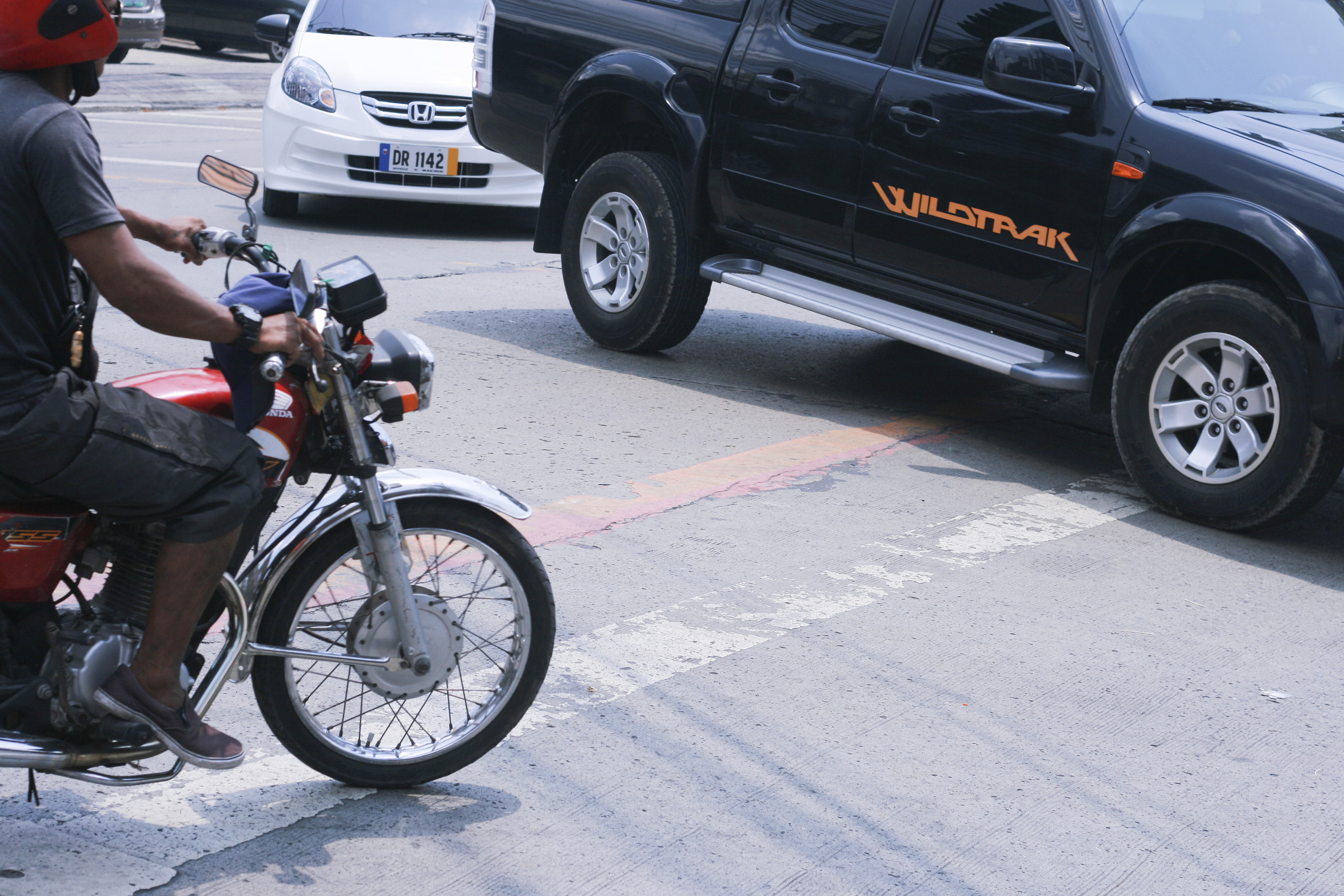

Turning a motorcycle looks cool in movies, but real life is less cinematic and much more interested in gravity, traction, visibility, and your ability to avoid doing something dramatic in front of a ditch. In other words, safe turning is not about swagger. It is about judgment.
That is why this article takes a practical, expert-informed approach. Instead of treating a turn like a magic trick, it treats it like what it really is: a moment when speed, road surface, sight lines, other drivers, and rider decisions all show up to the same party. Sometimes politely. Sometimes not.
If you are learning about motorcycle safety for yourself, for a family member, or for web readers who want better habits and fewer white-knuckle stories, the smartest way to think about turning is not as one flashy move. It is a chain of choices. The better those choices are, the calmer the turn usually becomes.
This article breaks that chain into nine safety-centered steps. They are written for general education and should never replace a certified rider course, hands-on coaching, or local licensing requirements. Think of this as the voice of the sensible friend who says, “Maybe let’s not improvise with 500 pounds of metal on two wheels.”
Why Turning Deserves Respect
Turns and curves demand more from a rider than a straight road does. On a straight stretch, small mistakes often feel survivable. In a turn, the margin shrinks fast. Your vision matters more. Your road position matters more. Surface hazards matter more. Your speed choice matters a lot more. Even something as ordinary as gravel, wet paint, a pothole, or a driver who “didn’t see you” can turn a routine corner into a very bad memory.
That is also why experienced safety educators tend to sound boring in the best possible way. They talk about smooth inputs, patience, visibility, and limits. Not because they lack personality, but because motorcycles are excellent at exposing overconfidence. The road does not care that you watched a few clips online and now feel spiritually related to a racetrack.
So let’s talk about the nine habits that make turning safer, smarter, and far less likely to turn into a cautionary tale at someone else’s barbecue.
Step 1: Treat Training as Part of the Turn
The safest turn usually starts long before the bike leans. It starts with training. A certified rider course gives people something internet bravado cannot: structured feedback. That matters because many turning mistakes do not feel wrong until they become dangerous. A new rider may not notice late braking, poor visual scanning, or bad lane placement. An instructor will.
Good training also helps riders understand that turning is not one isolated skill. It depends on scanning, balance, speed judgment, braking discipline, and hazard awareness. If one of those pieces is weak, the turn suffers.
So the first step is humble, not glamorous: build skill in a controlled environment before expecting yourself to handle busy streets, tight curves, night riding, bad weather, or heavy traffic. The parking lot is less exciting than the open highway, but it is also far less likely to punish your learning curve.
Step 2: Gear Up Like the Pavement Has Opinions
Turning safely is not only about avoiding a crash. It is also about reducing harm if something goes sideways. That means proper gear matters. A DOT-compliant helmet, eye protection, gloves, sturdy footwear, and abrasion-resistant clothing are not fashion accessories. They are the grown-up acknowledgment that the road is not padded.
Visibility matters, too. Bright gear, reflective details, and a motorcycle that is easy to notice can help other drivers spot you sooner, especially near intersections and turning conflict points. No gear can guarantee you will be seen, of course. But disappearing into traffic like a stealth ninja is not the safety flex some people think it is.
One of the most underrated turning advantages of proper gear is confidence without panic. When a rider feels protected and comfortable, attention is easier to keep on scanning and decision-making instead of on wind blast, cold hands, or whether sneakers were truly a bold but unfortunate choice.
Step 3: Set Up Early Instead of Fixing Late
A surprising number of problems in turns begin before the turn itself. Riders get rushed, distracted, or optimistic. They approach too quickly, notice too late, and then try to correct everything at once. That is a stressful way to manage a motorcycle and an excellent way to discover how fast “I’ve got this” can become “this has become educational.”
A safer habit is to prepare early. Read the road ahead. Notice curve warnings, cross streets, driveways, lane changes, traffic buildup, and anything that could affect traction or visibility. Reduce mental clutter before the turn arrives. If you are guessing your way into the situation, you are already behind it.
Early setup also means choosing patience over pride. There is nothing embarrassing about entering a turn conservatively. There is, however, quite a bit embarrassing about entering one too hot and then writing a long text later that begins with, “So something kind of dumb happened.”
Step 4: Keep Your Eyes Up and Your Brain Ahead
Where riders look matters. Looking too close to the front wheel, staring at the road edge, or locking onto a hazard can invite exactly the trouble you were trying to avoid. Safer turning starts with active visual attention: looking ahead, reading the path, and noticing what is developing rather than what has already become a problem.
This is where hazard awareness becomes a big deal. A turn is not just pavement bending left or right. It may include a pickup truck edging out of a side road, leaves piled near the edge, an oil patch in the lane, a pothole hidden in shade, or a driver preparing a left turn across your path. Seeing those things sooner gives you more options. More options generally equal less panic.
Expert riders often seem smooth not because they are fearless, but because they are mentally early. They are thinking ahead of the motorcycle, not reacting a beat behind it. That is a habit worth copying.
Step 5: Respect Speed More Than Ego
One of the oldest safety truths in motorcycling is also one of the least glamorous: speed choice makes or breaks a turn. Too much speed reduces time, shrinks space, and increases stress. It also makes surface hazards and judgment errors much harder to manage.
This does not mean every turn should be treated like a museum exhibit. It means speed should match conditions, visibility, traffic, road quality, weather, and your own skill level. A familiar road can still surprise you. A curve that felt easy yesterday can become sketchy today if it is wet, dirty, crowded, or partially blocked.
Smart riders understand something many reckless riders learn too late: entering conservatively is usually fixable. Entering carelessly is often expensive. The goal is not to prove bravery. The goal is to leave the turn with the same number of worries you had before it.
Step 6: Make Space Your Best Friend
Space is one of the most valuable safety tools any rider has. Space gives you time. Space gives you visibility. Space gives you an escape option when another road user behaves like traffic laws are a rumor.
Before and during a turn, riders should think about space in several directions at once. Is there enough following distance behind? Is there a vehicle beside you? Is the lane position helping you see farther ahead? Is there an obvious hazard on the road edge? Is an intersection creating a conflict area? Even a well-planned turn becomes riskier when the rider is boxed in by cars, curbs, or blind spots.
Many safety problems happen because people focus only on the turn itself and forget the environment around it. But motorcycles do not travel through abstract geometry. They travel through real traffic. Space management is what keeps a turn from becoming a squeeze play.
Step 7: Be Extra Defensive at Intersections
If curves demand precision, intersections demand skepticism. Other drivers may misjudge your speed, fail to notice you, or turn across your path with spectacular confidence and absolutely no invitation. That is why safe turning around intersections requires a defensive mindset.
Assume that visibility is imperfect. Assume that another driver may hesitate, then go. Assume that a signal light does not automatically grant wisdom to everyone present. These assumptions may sound cynical, but on a motorcycle they are often just practical.
Intersections are also where lane position, conspicuity, and timing matter a great deal. A rider who can be seen sooner, who leaves more room, and who expects unpredictable behavior has a much better chance of avoiding conflict. The rider who assumes, “They definitely see me,” is placing a lot of faith in strangers with coffee, GPS directions, and mixed commitment to shoulder checks.
Step 8: Respect the Road Surface Like It Is Part of the Conversation
Not all pavement is created equal, and turns are where that truth becomes personal. Gravel, sand, loose debris, wet leaves, slick paint, steel plates, patched asphalt, standing water, and potholes can all reduce stability or surprise a rider at the worst moment. The road surface is not background scenery. It is part of the turn.
That means surface reading should be a constant habit. Shady areas may stay damp longer. Construction zones may hide grit. Rural roads may collect mud or loose stones. Urban streets may offer painted markings, utility covers, and polished patches that behave very differently than clean asphalt.
Riders who stay alert to surface changes are not being timid. They are being realistic. The road can be honest, but it is not always generous. A turn that looks ordinary can hide a texture change that makes ordinary feel suddenly ambitious.
Step 9: Ride Within Your Limits Every Single Time
The final step is the one that quietly supports all the others: know your limits and respect them. Fatigue, stress, cold weather, unfamiliar roads, passengers, nighttime glare, and pressure to “keep up” can all narrow a rider’s safety margin. A turn that feels manageable under ideal conditions may feel very different when the rider is tired, tense, or showing off.
One of the healthiest habits in motorcycle safety is the ability to back off without apology. Ride slower. Take a break. Skip the group pressure. Avoid the road you are not ready for. Refuse the mood that says every ride must prove something. Good judgment is not less exciting than poor judgment. It is simply less likely to end with a tow truck.
And yes, smooth riding tends to look cooler anyway. Calm, measured, and deliberate beats frantic every time.
Common Turning Mistakes That Deserve Retirement
Trying to Outride Visibility
If you cannot clearly see the path, the traffic situation, or the road condition ahead, treating the turn like a certainty is risky. Visibility should shape choices, not decorate them.
Letting Panic Make the Plan
Sudden corrections, last-second decisions, and emotional reactions rarely improve a turn. The safest riders tend to make fewer dramatic moves because they prepared earlier.
Ignoring Conditions Because the Road Is Familiar
Familiarity can create laziness. The same route can feel different with rain, dusk, road work, fallen leaves, or heavier traffic. A known road is not a guaranteed road.
Assuming Other Drivers Understand Motorcycles
Many do not. Some misjudge distance. Some miss you entirely. Some see you and still make baffling choices. Ride with that reality in mind.
Experience From the Real World: What Riders Often Learn the Hard Way
Ask riders about turning, and you will notice a pattern: the memorable stories are rarely about perfect corners on perfect days. They are about moments that seemed ordinary until one detail changed. A little gravel near the edge. A tighter bend than expected. A sedan inching forward at an intersection. A damp patch hiding in shade. Safe turning conversations are full of these stories because that is how respect for the road is built.
One common experience involves the “I know this road” trap. A rider has taken the same bend dozens of times, so the brain stops paying full attention. Then one afternoon there is yard debris after a storm, or construction dust, or a delivery van parked where sight lines used to be clear. Nothing about the road looks dramatic, yet suddenly the rider realizes that habit has replaced observation. That moment tends to teach a lasting lesson: familiarity is helpful, but it is never a substitute for active scanning.
Another very common lesson comes from intersections. Riders often describe a driver who looked directly at them and still moved into conflict. It is one of the most frustrating experiences in motorcycling because it feels so unfair. You are visible. You are present. You are following the road. And yet another person makes a decision as if you are invisible or much farther away than you really are. Those experiences are exactly why experienced riders become cautious around crossing traffic and left-turn situations. It is not paranoia. It is pattern recognition.
Then there is the humbling experience of weather. A road that feels predictable on a dry afternoon can feel entirely different when temperatures drop or the surface gets damp. Riders often say they learned this not from a dramatic crash, but from a small, deeply unsettling moment: a tire feeling less planted than expected, a patch of paint becoming slick, or a turn requiring more attention than it did the day before. Those little warnings matter. They remind riders that the motorcycle is always speaking through feedback, and wise riders listen before the message gets louder.
Passengers create another shift in perspective. Many riders discover that carrying someone else changes how they think about corners almost immediately. Everything becomes smoother, calmer, and more deliberate. Movements that might feel manageable alone suddenly feel less smart with another person aboard. That is actually a useful lesson, because it exposes how much safer riding becomes when ego steps aside and patience takes over.
Perhaps the most valuable experience riders talk about is the moment they decided not to push. Not to chase another rider’s pace. Not to match a faster group. Not to treat a blind curve like a challenge. Not to ride while tired, rushed, upset, or distracted. Those are not exciting stories for social media, but they are often the decisions that keep people riding for years. Sometimes the best turning story is the one that ends with, “Nothing happened, because I gave myself margin.” That may sound boring to the thrill-seeker, but on a motorcycle, boring is underrated. Boring gets you home.
Conclusion
Turning safely on a motorcycle is less about mastering a flashy move and more about stacking smart choices: training, gear, visibility, patience, space, surface awareness, and honesty about your limits. The best riders are not the ones who make every turn look dramatic. They are the ones who make good decisions early enough that the turn never becomes dramatic in the first place.
That is the real secret. Smooth beats rushed. Prepared beats surprised. Humble beats overconfident. And when in doubt, take the safer line in your decision-making, even if your inner show-off complains. Your inner show-off does not pay repair bills.