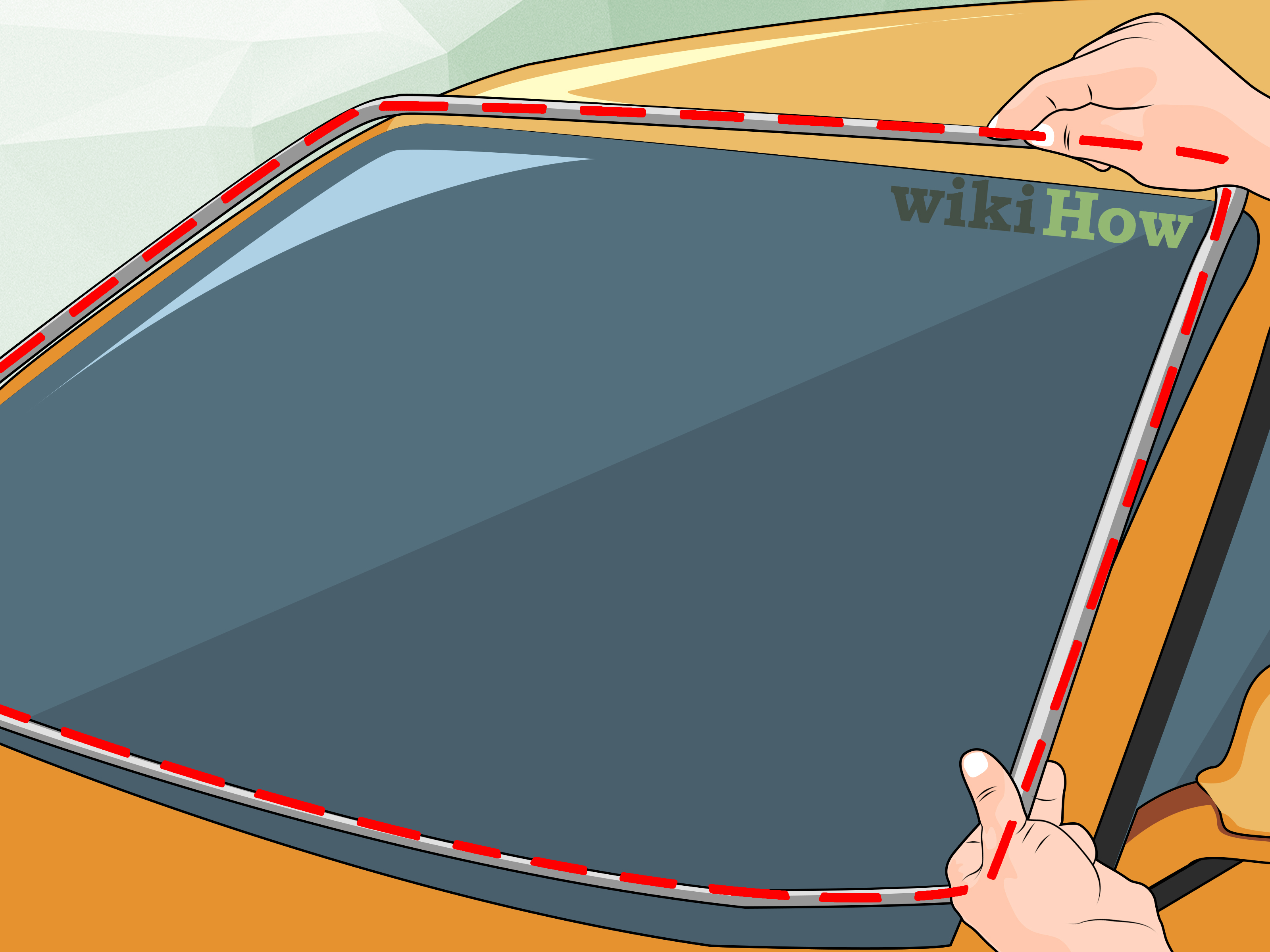

Your windshield is not just a big piece of glass that keeps bugs out of your teeth. It is a major safety component, part visibility shield, part structural support, and part high-tech mounting platform for cameras and sensors on many newer vehicles. That is exactly why windshield replacement has changed so much over the years. What used to feel like a quick glass swap can now involve safety-system recalibration, insurance questions, cure times, and some surprisingly expensive decisions.
If you are searching for how to replace your automobile windshield, the smartest answer for most drivers is this: treat it as a safety repair, not a casual weekend project. A modern windshield affects visibility, airbag performance, cabin integrity, and the way driver-assistance features behave. The good news is that the process does not have to be confusing. Once you know when replacement is necessary, what a quality shop should offer, and what questions to ask, the whole thing becomes far less mysterious.
When Your Windshield Needs Replacement Instead of Repair
Not every chip means you need a brand-new windshield. In many cases, a small chip can be repaired quickly and cheaply. But there is a line between “small annoyance” and “replace this now.” The trick is knowing where that line is.
Common signs replacement is the better option
- A crack is long, spreading, or branching into multiple cracks.
- The damage reaches the edge of the glass.
- The chip or crack sits in the driver’s line of sight.
- The damage is near a forward-facing camera or sensor area.
- You have several chips instead of one tiny, isolated blemish.
- The inner layer of the laminated glass appears compromised.
That last point matters more than people think. A windshield is made from laminated safety glass, not ordinary window glass. It is designed to crack differently and stay together better than the side windows. Once the damage moves beyond a simple chip or starts interfering with structural integrity, replacement usually makes more sense than trying to patch it and hoping for the best.
Also, do not wait around to “see what happens.” What happens is usually that the crack gets bigger, the weather changes, the body flexes over potholes, and your small problem becomes a much more expensive one. Windshields are like that one houseplant you forgot to water: they rarely improve with neglect.
Why Windshield Replacement Is a Safety Job, Not Just a Glass Job
Modern windshield replacement is about much more than visibility. A properly installed windshield helps support the vehicle’s structure and can play a role in how the passenger-side airbag performs. In many newer vehicles, the windshield is also the home base for advanced driver-assistance systems, including lane departure warning, forward collision warning, automatic emergency braking, adaptive cruise control, and rain-sensing wipers.
That means a poorly installed windshield can create real safety issues. Bad bonding can lead to leaks, wind noise, loose trim, and in worst-case scenarios, reduced retention during a crash. On vehicles with ADAS, a replacement that skips calibration can leave cameras and safety systems working inaccurately. That is not the kind of surprise anyone wants while merging at highway speed.
So yes, replacing a windshield is technically about glass. But it is also about adhesives, alignment, calibration, and making sure your car still behaves like your car once the work is done.
How to Replace Your Automobile Windshield Safely
If you want the safest, most reliable path, think of windshield replacement as a consumer process you manage wisely, rather than a risky DIY mission. Here is how to handle it the smart way.
1. Confirm whether you need repair or full replacement
Start with an inspection from a reputable auto glass professional. A quality shop should tell you plainly whether the glass can be repaired or whether replacement is the safer choice. If the damage is large, spreading, near the edge, or affecting visibility or camera zones, replacement is usually the call.
2. Check your insurance before you schedule
Comprehensive coverage often helps with windshield damage, though deductibles vary. Some policies cover repairs with little or no out-of-pocket cost, while replacements may involve a deductible unless your state or policy offers special glass coverage. A quick call or online claim check can save you from unnecessary sticker shock.
3. Choose a shop that treats the job like a safety repair
Do not choose based on the lowest quote alone. Ask whether the shop handles ADAS recalibration, what type of glass it uses, whether mobile service is appropriate for your vehicle, and whether it follows recognized industry safety practices. A shop that explains the process clearly is already a better sign than one that just says, “Yeah, yeah, we do windshields.”
4. Ask the right questions before work begins
- Will this vehicle need camera or sensor recalibration?
- Is the quoted price for glass only, or does it include molding, clips, labor, and calibration?
- Will you use OEM glass, OEM-equivalent glass, or another approved option?
- How long will the service take?
- What is the safe drive-away time after installation?
- What warranty do you offer on workmanship and leaks?
Those questions can save you from a classic windshield-replacement surprise: getting quoted one number, then discovering the final bill includes extra trim, recalibration, or special hardware. Modern windshields are sneaky that way.
5. Let the professionals handle the replacement
For most vehicles, especially newer ones, professional installation is the safest route. The technician will remove the damaged windshield, prepare the opening, install the new glass with the correct adhesive system, and verify fit, sealing, and alignment. If your vehicle uses windshield-mounted safety tech, the recalibration step should happen afterward according to manufacturer requirements.
6. Follow post-install instructions exactly
Once the windshield is in, the job is not finished the instant the technician steps back. You still need to respect the recommended drive-away time. Many national providers say the vehicle should not be driven for at least about an hour after service, though the exact timing can depend on the adhesive, temperature, humidity, and vehicle design. This is not the moment to say, “I’m sure it’s fine” and head straight onto the interstate.
What a Quality Windshield Replacement Should Include
A good replacement should feel boring in the best possible way. No drama, no warning lights, no whistling noise at 50 mph, and no mysterious wet carpet after the first rainstorm.
Here is what quality looks like
- Properly fitted glass with even alignment
- Correct bonding and sealing
- Clean trim and molding installation
- No new leaks or excessive wind noise
- Recalibrated ADAS when required
- Clear instructions for safe drive-away and aftercare
- A written warranty or workmanship guarantee
If your vehicle has lane-keeping assist, automatic braking, or a head-up display, replacement quality matters even more. On these vehicles, the glass is not just glass. It is part of a wider system, and getting that system back to factory-correct behavior is the whole point.
How Much Windshield Replacement Costs
This is where people often do a double take. On older vehicles with minimal tech, windshield replacement can still be fairly manageable. On newer vehicles, especially those with cameras, sensors, acoustic glass, special coatings, or rain-sensing systems, the price can climb fast.
Several factors push the bill up:
- Vehicle make, model, and year
- Size and shape of the windshield
- ADAS calibration requirements
- OEM versus aftermarket or OEM-equivalent glass
- Special features like rain sensors, acoustic layers, or heating elements
- Labor rates in your area
- Whether mobile service is suitable
That is why one driver gets out for a few hundred dollars while another gets a quote that feels suspiciously close to a mini-vacation budget. On many newer cars, the real cost is not just the glass itself. It is the technology attached to it.
OEM vs. Aftermarket Windshield Glass
This question comes up a lot, and for good reason. OEM glass is made to the vehicle manufacturer’s exact specifications. Aftermarket or OEM-equivalent glass may cost less and can work well, but the fit, optical clarity, acoustic performance, tint match, or compatibility with certain features may differ depending on the product and the vehicle.
For older daily drivers, many owners are comfortable with quality aftermarket options. For newer vehicles with ADAS, head-up displays, or premium features, asking about OEM or a high-quality equivalent is smart. A cheap windshield that causes distortion, sensor issues, or repeat visits is not actually cheap. It is just annoying in installments.
Common Mistakes to Avoid
Waiting too long
A tiny chip can grow into a crack that forces full replacement. Fast action often saves money.
Shopping only by lowest price
The cheapest quote may not include calibration, trim parts, or high-quality glass.
Ignoring ADAS recalibration
If your vehicle needs recalibration, skipping it is not a harmless shortcut. It can affect how safety systems read the road.
Driving away too soon
Adhesive cure time matters. Follow the shop’s instructions, even if you are impatient and your coffee is getting cold.
Assuming all damage is repairable
Some cracks simply are not good candidates for repair, especially near edges, in camera zones, or across the driver’s viewing area.
Aftercare Tips Once the New Windshield Is Installed
After replacement, give the installation a little respect. Avoid slamming doors immediately after service if the shop advises against it. Keep the glass clean, watch for any warning lights related to driver-assistance systems, and pay attention to leaks or new wind noise after the first rain or highway drive.
If something seems off, contact the installer right away. A good shop would rather fix a problem early than argue with a customer later while everyone stands in a damp parking lot pointing at a headliner stain.
Conclusion
Replacing your automobile windshield is one of those repairs that looks simple from a distance and turns out to be anything but. On modern vehicles, it is tied to safety, structural integrity, and the proper performance of cameras and sensors. That is why the best windshield replacement strategy is not “Do I know someone with tools?” It is “Am I making smart choices about the inspection, the shop, the glass, and the calibration?”
The right replacement restores your visibility, protects the cabin, keeps safety systems functioning properly, and spares you from future leaks, warning lights, and expensive do-overs. In other words, a good windshield replacement should disappear into the background of your life. You should notice the road ahead, not the repair.
Real-World Experiences With Windshield Replacement
One of the most common driver experiences starts with denial. A pebble hits the glass, makes a tiny star-shaped chip, and the owner decides it is “basically nothing.” Three days later, the weather swings, the car bounces over a few rough roads, and that tiny chip stretches into a long crack like it suddenly got ambitious. By the time the driver calls a shop, what might have been a quick repair has become a full replacement. It is a frustrating lesson, but an extremely common one.
Another frequent experience involves sticker shock. Drivers with older cars often expect a straightforward price, only to learn their newer SUV or sedan has lane-keeping assist, rain sensors, acoustic glass, and a camera mounted behind the windshield. Suddenly the quote includes glass, labor, trim pieces, and calibration. The owner is not being scammed just because the number looks painful. Modern vehicles really do turn windshield replacement into a more technical repair than it used to be.
Then there is the insurance surprise, which can go in either direction. Some drivers expect to pay the entire bill and later discover their comprehensive coverage helps a lot. Others assume insurance will make the whole thing free and then learn a deductible still applies. The experience here is less about damage and more about reading the policy before panic-shopping for quotes. The people who usually feel best about the process are the ones who check coverage first and ask detailed questions second.
Drivers also talk a lot about the difference between a smooth replacement and a sloppy one. A good job often feels effortless: the shop confirms the part, explains whether calibration is needed, shows up on time, installs the glass, gives clear post-install instructions, and the car comes back with no leaks, no whistles, and no dashboard warnings. A bad job, on the other hand, tends to introduce a whole new hobby called “finding out where that sound is coming from.”
People with ADAS-equipped vehicles often describe recalibration as the part they did not know existed until they needed it. They may think the windshield is done, then learn the car’s safety systems have to be reset or verified. Once they understand what the camera actually does, most are glad it is being handled. It is much better to spend extra time on calibration than to drive around wondering whether automatic emergency braking is now making educated guesses.
Mobile service is another experience many drivers appreciate. Having a technician come to the house or workplace can be incredibly convenient, especially for busy families or anyone trying to avoid losing half a day in a waiting room with lukewarm coffee and daytime television. Still, some vehicles or certain kinds of calibration may be better handled in-shop, so convenience should not automatically outrank correctness.
The biggest lesson from real driver experiences is simple: windshield replacement goes best when people treat it early, ask smart questions, and choose a shop that understands modern vehicle safety systems. When drivers do that, the repair is usually uneventful, which, for a windshield, is exactly what success looks like.