
If your bag has started smelling like a forgotten gym sock that took a gap year, you’re not alone.
Bags collect the greatest hits of daily life: sweat, food crumbs, spilled coffee, damp towels, and
“mystery moisture” from weather, water bottles, or that one leaky hand sanitizer cap. The good news?
Most bag odors can be removed (not just masked) with a few smart steps and common supplies.
This guide breaks down what actually works for removing odors from bagsbackpacks, gym bags, purses,
lunch totes, duffels, diaper bags, and even that thrifted find with “vintage aroma.” You’ll get
material-specific methods, safety notes, and prevention tips so your bag smells like… nothing, which
is the dream.
Why Bags Smell in the First Place (AKA the Science of Funk)
Odor isn’t usually the bag itselfit’s what’s living (or lingering) in it. Most smells come from a
combination of:
- Bacteria: Love sweat, skin oils, and warm, enclosed spaces (hello, gym bag).
- Mildew and mold: Thrive when a bag stays damp or is stored before fully drying.
- Food residue: Sugars, fats, and proteins feed odor-causing microbes.
- Smoke and environmental odors: Particles cling to fabric and lining like glitter at a craft party.
- “New bag” chemical smell: Off-gassing from dyes, coatings, adhesives, or synthetic materials.
The fix depends on the source. Absorbent odors (musty, smoky, sweaty) often respond to deodorizers.
“Something spilled” odors often need cleaning plus deodorizing. Mildew odors demand both: remove the
moisture problem and treat what grew because of it.
Before You Start: A 3-Minute Odor Reset Checklist
These steps make every deodorizing method work better and help you avoid accidental bag heartbreak.
- Empty the bag completely (pockets too). Crumbs hide like they’re paying rent.
- Shake it out and vacuum the interior seams if you can. Debris feeds odor.
- Check the care label (or brand instructions). Some packs should not go in a washing machine.
- Remove what you can: inserts, frames, straps, organizers, detachable liners.
- Patch test first if you’ll use any liquid cleanerespecially on leather, suede, or dyed linings.
- Safety note: Never mix cleaning chemicals “because the internet said so.” Mixing products (especially anything with bleach) can create dangerous fumesstick to one approach at a time.
Odor Triage: Identify the Smell, Pick the Right Fix
1) Sweat / “Gym Bag” Smell
Usually bacteria + trapped moisture. You’ll want: cleaning (wash/soap) + deodorizing (baking soda or charcoal),
plus a serious drying routine.
2) Musty / Mildew Smell
This is your sign the bag stayed damp too long. Focus on: deep drying, cleaning, and (if safe for the material)
an antimicrobial step like diluted hydrogen peroxide or an oxygen-based laundry booster for washable bags.
3) Food / Spill Smell
Treat it like a tiny crime scene: wipe, wash, rinse, dry, then deodorize. If it’s protein-heavy (milk, yogurt,
meat snacks), an enzyme cleaner can help break down stubborn residue.
4) Smoke Smell
Smoke particles cling. Airing out + washing (if possible) + absorbents (charcoal, baking soda) works best.
Expect to repeat.
5) “New Bag” Chemical Odor
Often off-gassing. Your best friend is time + airflow. Don’t rush into soaking a brand-new coated bagstart with
ventilation and gentle wipe-down.
Method 1: The “Air + Time” Fix (Underrated, Free, Effective)
Before you break out the baking soda arsenal, try the simplest move: air it out properly.
Turn the bag inside out (as much as it safely goes), open every pocket and zipper, and place it in a well-ventilated
area. A fan helps.
- Best for: light odors, new-bag smell, mild sweat smell
- Time: 6–24 hours (longer for stubborn odors)
- Pro tip: Indirect sunlight can help, but avoid leaving technical fabrics or leather baking in harsh sun for hoursUV and heat can damage materials.
Method 2: Baking Soda (The Odor Neutralizer That Earned Its Fame)
Baking soda is a classic because it doesn’t just perfume the airit helps neutralize many odor compounds and can
absorb smells over time. The key is patience: this is not a “sprinkle and sprint” solution.
Option A: Dry Baking Soda Soak (No Water Needed)
- Make sure the bag is dry.
- Sprinkle a light-to-moderate layer of baking soda into the interior (focus on the bottom and corners).
- Zip or close the bag and let it sit at least 24 hours (48–72 hours for stronger odors).
- Vacuum thoroughly or shake out outside. Wipe residue with a slightly damp cloth.
Best for: backpacks, gym bags, canvas totes, cloth purses, linings
Option B: Baking Soda Sachet (Cleaner, Great for Leather)
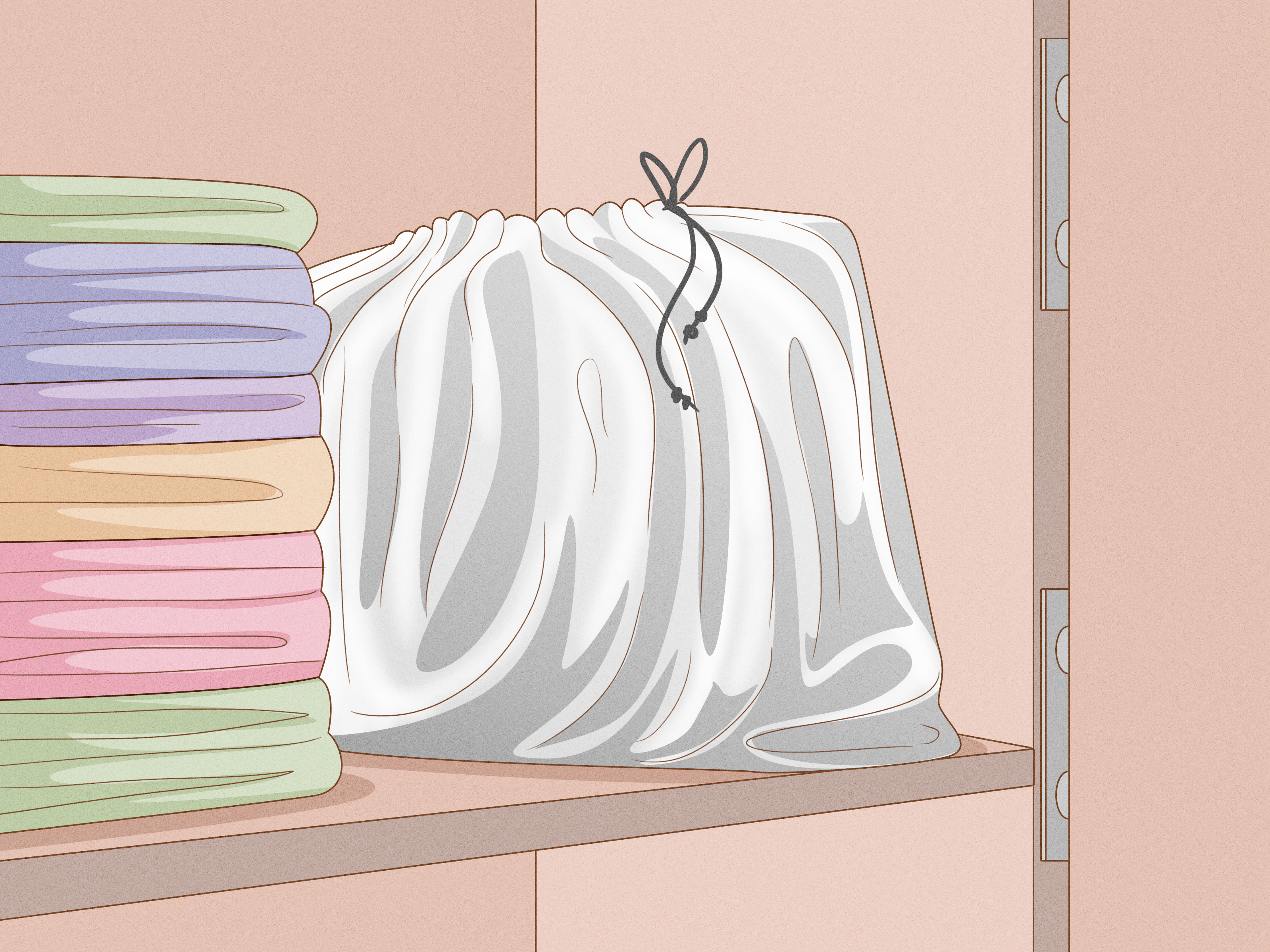
- Fill a breathable sock, muslin bag, or coffee filter with 2–4 tablespoons of baking soda.
- Tie it off and place it inside the bag.
- Close the bag and leave 24–72 hours.
Why sachets rock: They reduce mess and are safer for leather and delicate linings because the powder
isn’t rubbing directly on the surface.
Method 3: Activated Charcoal (Heavy-Duty Odor Absorber)
Activated charcoal doesn’t “cover up” smellsit adsorbs odor molecules onto its porous surface. Charcoal bags
are especially helpful for smoke odors, thrift-store mustiness, and that “stored in a closet since 2019” vibe.
- Place 1–2 activated charcoal sachets inside the bag.
- Close the bag and let it sit 48 hours (or up to a week for stubborn odors).
- Air out the bag afterward.
- Best for: leather bags, purses, luggage, camera bags, bags you can’t wash
- Bonus: Reusablemany charcoal bags can be “refreshed” by placing them in sunlight per package directions.
Method 4: Wash It (If the Bag Can Handle It)
Washing removes the grime that odor feeds on. But not every bag should be tossed into a machine like a hoodie.
Some backpacks and technical bags can lose coatings, warp padding, or break down if washed aggressively.
Always check the care label or manufacturer guidance.
Hand-Wash Method (Safest, Works for Most Washable Bags)
- Fill a tub or sink with lukewarm water and a small amount of gentle detergent.
- Use a soft brush or cloth to scrub the interior (especially seams and the bottom).
- Spot-clean stains with a bit more detergent on a cloth.
- Rinse with clean water (a shower head works great).
- Press out excess water with a toweldon’t wring straps aggressively.
- Air dry with pockets open in a shaded, ventilated area until completely dry.
Machine-Wash Method (Only If the Label Allows)
Some brands say certain fabric backpacks (like canvas, nylon, or polyester) can be washed on a gentle cycle in cold
waterbut many outdoor/technical brands advise against machine washing. If your bag’s label allows it:
- Remove detachable parts and shake/vacuum debris first.
- Place the bag in a pillowcase or laundry bag to reduce abrasion.
- Use cold water, gentle cycle, and a mild detergent.
- Avoid: bleach, fabric softener, and the dryer.
- Air dry fully (24–48 hours is common).
Method 5: Vinegar (Use Carefullyand Never as a Chemistry Experiment)
White vinegar can help neutralize odors, especially in washable fabrics, but it’s not a magic potion and it’s not
appropriate for every material (especially some leathers). Also: do not mix vinegar with bleach or bleach-containing
products. If bleach is involved anywhere in your cleaning routine, skip vinegar entirely.
Fabric Bag Refresh Spray (Light Odors)
- Mix a solution of 1 part white vinegar to 3 parts water in a spray bottle.
- Lightly mist the interior (don’t soak foam padding).
- Let it air dry completely with the bag open.
Best for: cloth totes, canvas bags, washable linings
Vinegar Rinse (For Washable Bags)
If you’re hand-washing a bag, a brief rinse step with diluted vinegar (followed by a clean-water rinse) can help with
lingering odors. Keep it mild, and don’t use it on materials that react poorly to acids.
Method 6: Enzyme Cleaner (For Sweat, Food, and “Organic Mystery” Smells)
Enzyme cleaners are designed to break down organic residues (proteins, fats). They’re useful when a smell keeps
returning because the “food source” is still in the fibers.
- Test on an inconspicuous spot first.
- Apply enzyme cleaner to the smelly area (often the bottom panel and seams).
- Let it sit per label directions.
- Wipe or rinse, then air dry completely.
Best for: gym bags, diaper bags, lunch bags, travel totes, spots where something spilled
and you can’t fully wash the whole bag.
Material-Specific Playbook
Backpacks & Gym Bags (Nylon/Polyester/Canvas)
- Best approach: Vacuum + hand wash + thorough air dry + baking soda or charcoal.
- Common mistake: Washing, then storing while still dampthis can make odors come back stronger.
- Example: A soccer backpack that smells “like defeat” usually needs seam scrubbing (salt + sweat) and a 48-hour dry time.
Leather Bags & Purses
Leather is porous and can absorb odors, but it also hates being soaked. Skip machine washing. Start with air,
then use absorbents, then gentle surface cleaning.
- Air it out in a dry, shaded place with good airflow.
- Wipe the interior lining (if fabric) with a lightly damp cloth and mild soap (avoid saturating).
- Place a baking soda sachet or activated charcoal bag inside for 48–72 hours.
- If needed, use a leather-safe cleaner on the exterior, then condition the leather afterward.
Avoid: heavy vinegar use, soaking, heat blasting, and leaving powder directly on delicate leather finishes.
Suede or Nubuck
Keep it dry. Use charcoal sachets and airflow. If the odor is deep and persistent, consider professional cleaning
suede can stain easily with home liquids.
Insulated Lunch Bags
These are odor magnets because insulation traps moisture and food residue. The winning combo is:
wipe → wash → dry → deodorize.
- Wipe interior with warm soapy water (mild dish soap).
- Rinse by wiping with clean water (don’t leave soap behind).
- Dry fully with the bag open (use a fan if needed).
- Deodorize overnight with a baking soda sachet or charcoal bag.
Stubborn Odors: A “Two-Round” Strategy That Usually Wins
If you cleaned once and the odor is still doing an encore, don’t panic. Many stubborn smells need two passes:
- Round 1: Clean (remove residue and bacteria food sources).
- Round 2: Deodorize (baking soda or charcoal, 48–72 hours).
For smoke or mildew odors, you may need a third pass plus longer airing-out time. The biggest “secret” is drying:
if a bag isn’t fully dry, odors can return fast.
Preventing Bag Odors: Keep the Funk from Moving Back In
- Never store a damp bag. Open it up and let it dry completely first.
- Use pouches. Put sweaty clothes or snacks inside washable zipper pouches.
- Rotate bags. Giving a bag recovery time helps reduce trapped moisture and bacteria.
- Do a weekly “crumb audit.” Five minutes of vacuuming beats a week of mystery smells.
- Keep an odor absorber inside. A small charcoal sachet can help prevent mustiness during storage.
When to Call It: Signs Your Bag Needs Pro Help (or Retirement)
Sometimes the smell isn’t just odorit’s damage. Consider professional cleaning or replacement if:
- The bag smells strongly musty and has visible mold growth.
- The interior padding stays damp or crumbles (moisture damage).
- You’ve cleaned and deodorized multiple times and the odor returns immediately.
- Leather or suede has absorbed odor so deeply that home methods don’t touch it.
Common Mistakes to Avoid (So You Don’t Make It Worse)
- Mixing cleaners: Not only is it risky, it often reduces effectiveness. Use one method at a time.
- Over-wetting foam padding: This can trap moisture inside and create long-term mustiness.
- Using the dryer: Heat can warp materials and damage coatings, plus it can “bake in” odors.
- Masking with perfume sprays: If the source is still there, the smell will come backjust wearing cologne.
- Skipping the drying step: This is the #1 reason “the smell came back.”
Real-World Experiences: 6 Bag Odor Stories (and What Actually Worked)
Odor removal sounds straightforward until you meet the bag that has Opinions. Here are common real-life scenarios
people run intoand the practical takeaways that help you win without turning your laundry room into a science fair.
1) The Gym Bag That Lived in a Hot Car
This is the classic “my bag smells like a locker room wrote a memoir.” Heat accelerates bacterial growth, and any
damp clothing becomes a buffet. In these cases, deodorizing alone (charcoal, sprays, dryer sheets) may help
temporarily, but it rarely fixes the problem because residue is still in the fabric.
What tends to work: Empty the bag, vacuum out debris, then hand wash (or machine wash if allowed),
focusing on seams and the bottom. After it’s fully dry, add a baking soda sachet or charcoal bag for 48 hours.
The “aha” moment for many people is realizing the bag needs both cleaning and deodorizinglike brushing
teeth and then using mouthwash, not one or the other.
2) The Backpack That Smells Fine… Until You Zip It
Some bags seem okay in open air, but the moment you close them, the odor concentrates. That’s a sign the smell is
still embedded in lining, padding, or hidden pockets. It’s also common after a bag is stored in a closet for months.
What tends to work: Turn the bag inside out as much as possible, open every pocket, and run a fan
for several hours. Then do a charcoal “closed-bag soak” (48–72 hours). Charcoal is a hero here because it works
well in enclosed spaces where odors build up.
3) The Lunch Bag That Smells Like “Yesterday’s Yogurt”
Food odors can cling because proteins and fats stick around even after a quick wipe. Insulated lunch bags are
especially tricky because they hold moisture and warmthtwo things odors love.
What tends to work: A real wash-down: warm soapy wipe, clean-water wipe to remove soap, then a
thorough dry with the bag propped open. After it’s dry, an overnight baking soda sachet often finishes the job.
The lesson: wiping is step one, drying is step two, deodorizing is step three.
4) The Thrifted Purse with “Vintage Perfume + Closet” Energy
Thrift-store smells are often a layered mix: perfume, smoke, mustiness, and time. With leather, the challenge is
removing odor without over-wetting or stripping the finish.
What tends to work: Airflow first (days, not hours if needed), then charcoal sachets inside the
bag for a week. For lined interiors, gentle wiping can help, but the big win usually comes from absorbents and
patience. If the leather feels dry afterward, conditioning helps restore suppleness.
5) The “I Washed It and Now It Smells Worse” Surprise
This happens when the bag didn’t dry fullyespecially thick straps, padded panels, and corners. Damp trapped in
foam can create musty odors that weren’t there before.
What tends to work: Re-open, re-dry, and give it time. Position the bag so air can reach the
thickest parts, use a fan, and keep it out until it’s bone-dry. Then do a 48-hour charcoal or baking soda sachet
treatment. The takeaway is simple: drying isn’t a “nice extra,” it’s the main event.
6) The “New Bag Smell” That Won’t Quit
Some new bags off-gas strongly, especially coated synthetics. People often try to overpower it with fragrance
which can create a weird cocktail of “new plastic + floral.”
What tends to work: Airing out in a ventilated space, optionally with charcoal sachets. A gentle
wipe-down of the interior (if safe) can help remove surface residues, but the most reliable fix is time and airflow.
The win here is resisting the urge to soak a brand-new bag aggressively.
The shared thread across these experiences is surprisingly boringand therefore extremely effective:
clean what you can, dry thoroughly, then deodorize in a closed environment. If you do those three
things in that order, most bag odors don’t stand a chance.
Conclusion
Removing odors from bags isn’t about finding the fanciest sprayit’s about removing what’s causing the smell and
then giving odor absorbers enough time to do their job. Start with airflow and a full empty-and-vacuum. Clean the
bag in a way that matches its material (hand washing is the safest universal option). Then use baking soda or
activated charcoal to absorb lingering odors. Finally, dry like you mean itbecause moisture is the villain behind
most repeat offenders.