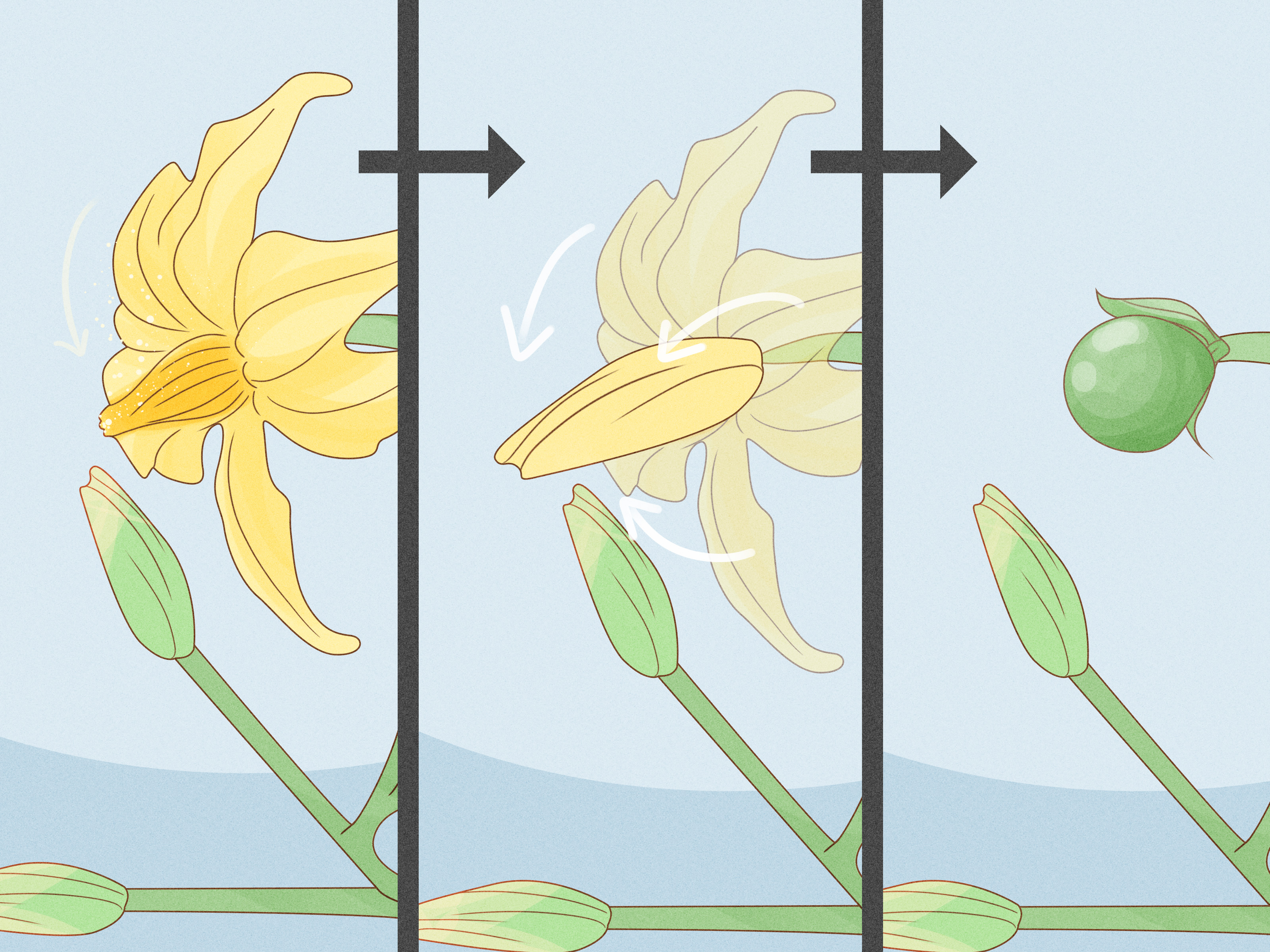

Tomatoes are famous for making gardeners feel brilliant one week and mildly betrayed the next. One day your plants are covered in cheerful yellow blossoms. A few days later, those blossoms are on the ground like tiny breakup letters. What happened? In many cases, the answer is not disease, doom, or a tomato conspiracy. It is pollination.
The good news is that tomatoes are usually pretty self-sufficient. The even better news is that when nature gets lazy, humid, windy, cold, or blazing hot, you can step in and help. Hand pollinating tomatoes is simple, fast, inexpensive, and oddly satisfying. It is basically the gardening equivalent of giving your plants a helpful nudge and saying, “You’ve got this.”
In this guide, you will learn how tomato flowers work, when hand pollination is actually worth your time, the best methods to use, the environmental conditions that matter most, and the common mistakes that can sabotage fruit set. At the end, you will also find practical experience-based advice that makes the whole process easier in real gardens, real greenhouses, and real “why is my tomato acting dramatic again?” situations.
Do Tomatoes Need Hand Pollination?
Usually, no. Sometimes, absolutely.
Tomatoes are self-pollinating plants. Each flower contains both male and female parts, so one flower can pollinate itself. That is why tomatoes are much easier than crops like squash or cucumbers, where pollen has to move from a separate male flower to a separate female flower.
However, “self-pollinating” does not mean “magic.” Tomato pollen still needs motion. In outdoor gardens, wind, insects, and normal plant movement often do the job. In greenhouses, high tunnels, enclosed patios, or still, sticky weather, pollen may not fall where it needs to go. When that happens, blossoms may drop instead of turning into fruit.
So the short version is this: hand pollinate tomatoes when flowers are opening but fruit is not setting well, especially in protected spaces or during weather extremes.
How Tomato Flowers Pollinate Themselves
Tomato flowers are built like efficient little factories. The pollen-producing anthers surround the female part of the flower. When the flower is shaken or vibrated, pollen is released onto the stigma. Once that pollen germinates, it grows down into the flower and fertilizes the ovules. Then the ovary begins swelling into a tomato.
That is why vibration matters so much. Tomatoes do not usually need a paintbrush romance scene. They need a buzz, a tap, or a shake. Bumble bees are famous for this because they “buzz pollinate” flowers by vibrating them. Gardeners can imitate that same effect with their fingers or a battery-powered tool.
Better pollination often means better fruit set and more evenly developed tomatoes. Weak pollination can lead to blossom drop, rough fruit, poor seed set, or tomatoes that form slowly and unevenly.
When to Hand Pollinate Tomatoes
1. When flowers are open but no fruit is forming
This is the most obvious sign. If your plant is blooming well but the flowers dry up and fall off without leaving behind a tiny green tomato, pollination may be failing.
2. When plants are growing in a greenhouse or high tunnel
Protected structures are wonderful for extending the season, but they also reduce natural wind movement. Less movement means less natural vibration, which means less pollen transfer. In enclosed spaces, hand pollination is often one of the easiest ways to improve fruit set.
3. During hot, still weather
Tomatoes can struggle when temperatures climb too high, especially when hot days are paired with warm nights. Even though the plants may look healthy, pollen performance can drop, blossoms can abort, and fruit set can stall. If the weather is hot and calm for several days, a gentle daily shake can help the flowers that are still viable.
4. During humid or cloudy stretches
Too much humidity can make pollen sticky. Cloudy, damp conditions can also reduce pollen release. In a greenhouse or tunnel, this is one reason fruit set often dips when the air feels like soup and the structure is closed up.
5. During cool weather
Tomatoes are not thrilled by chilly nights. If nighttime temperatures dip too low, flowers may abort before fruit develops. Hand pollination cannot fix bad weather, but it can help maximize the blossoms that remain viable.
6. When you are growing indoors or on a covered balcony
Indoor tomatoes, hydroponic tomatoes, and balcony plants under heavy cover often need your help because there is little natural air movement and fewer insect visitors. These are prime candidates for hand pollination.
The Best Time of Day to Hand Pollinate Tomatoes
The best time is when flowers are open and the air is dry enough for pollen to release well. In practical terms, that usually means late morning to early afternoon, especially in greenhouses or tunnels. That is often the sweet spot after dew has dried but before the day becomes a full-blown sauna.
Outdoors, you have a little more flexibility. A dry morning or late morning is usually ideal. Avoid hand pollinating when flowers are wet from rain, overhead watering, or heavy dew. Wet pollen behaves like flour in a steamy kitchen: clumpy, stubborn, and not interested in cooperation.
If you are growing in a greenhouse, pollinating between about 10 a.m. and 3 p.m. is often a smart routine because humidity tends to be lower then, and pollen release is better. If you are working outdoors, think dry, mild, and open flowers.
What Conditions Help Tomato Pollination Succeed?
Hand pollination works best when the environment is not fighting you.
Temperature
Tomato pollination is happiest in moderate conditions. Once temperatures get too high, pollen quality and flower fertility can drop. Once nights get too cool, flowers may abort. For gardeners, this means hand pollination works best when the plant is not under severe temperature stress.
As a rule of thumb, blossom set often suffers when days move into the upper 80s to 90s and when nights are too cold or remain too warm. In protected structures, ventilation matters. If your tunnel heats up quickly in the morning, open it early and avoid turning your tomato flowers into tiny stressed-out baked goods.
Humidity
Moderate humidity is best. If the air is too humid, pollen can become sticky and fail to shed. If the air is too dry, pollen may not stick where it needs to go. This is why tomatoes often set fruit beautifully during stable, mild weather and become fussy during weather swings.
Air movement
Even a small amount of airflow helps. Outdoors, wind usually handles this. Indoors or in a tunnel, a fan, open vents, or simple hand pollination can replace the missing motion.
Plant nutrition
Too much nitrogen can push the plant into lush leaf growth at the expense of flowers and fruit set. If your tomato looks like it is training for a bodybuilding competition but will not set fruit, your fertilizer program may be part of the problem.
How to Pollinate Tomatoes by Hand
You do not need a lab coat. You need a light touch.
Method 1: Gently shake the plant
This is the easiest method for home gardeners. Hold the main stem, cage, or support and gently shake it. The goal is to vibrate the flowers, not to reenact a tropical storm. A few light shakes are enough.
Method 2: Tap each flower cluster
If you want to be more precise, tap the flower truss lightly with your finger. This works especially well when only a few clusters are blooming. It is simple, fast, and hard to mess up.
Method 3: Use an electric toothbrush or pollination wand
This is the classic trick for greenhouse tomatoes. Turn on the toothbrush and touch it lightly to the stem behind the flower cluster for a second or two. You are copying the vibration of buzz pollination. It looks ridiculous. It works surprisingly well.
Method 4: Use airflow
Some growers use a handheld leaf blower on a gentle setting or rely on circulating fans in protected structures. The idea is the same: create movement without damaging flowers or young fruit.
How often should you do it?
In a greenhouse or enclosed space, every day or every other day during active bloom is a solid routine. Outdoors, only do it when fruit set appears weak or conditions are unusually still, wet, or extreme.
Step-by-Step Tomato Hand Pollination Routine
- Check that flowers are fully open.
- Choose a dry part of the day, ideally late morning or early afternoon.
- Make sure flowers are not wet from watering or rain.
- Use one of the vibration methods: shake, tap, toothbrush, or gentle airflow.
- Repeat every day or every other day while the cluster is in bloom.
- Watch for signs of success over the next several days.
How to Tell If Hand Pollination Worked
You usually will not get instant applause from the plant, but there are clues.
- The flower begins to fade naturally instead of dropping abruptly.
- The base of the flower starts swelling.
- A tiny green tomato forms behind the dried bloom.
- Blossom drop becomes less frequent on new flower clusters.
If flowers keep dropping, the problem may be less about pollen movement and more about temperature, humidity, watering stress, or nutrition.
Common Reasons Tomato Blossoms Drop Without Fruit
If hand pollination is not fixing the issue, one of these may be the real culprit:
Heat stress
When temperatures stay too high, pollen can become less viable and flowers may abort.
Cool nights
Tomatoes dislike chilly nights, and early planting can lead to lots of flowers with disappointing fruit set.
High humidity
Sticky pollen does not shed well.
Very low humidity
Pollen may dry out and fail to stick properly.
Overfertilizing with nitrogen
This can create beautiful foliage and underwhelming fruit production.
Water stress
Inconsistent watering can add another layer of stress right when the plant is trying to set fruit.
Poor ventilation
Especially in greenhouses and tunnels, trapped heat and humidity are frequent pollination killers.
Mistakes to Avoid When Hand Pollinating Tomatoes
- Being too rough: Tomato flowers and tiny fruit are easy to damage.
- Doing it when flowers are wet: Wet pollen is unhelpful pollen.
- Pollinating only once: A cluster may open over several days, so repeat the process.
- Ignoring temperature problems: No amount of toothbrush wizardry can fully overcome severe heat or cold stress.
- Assuming every dropped flower is a pollination problem: Sometimes the plant is reacting to fertilizer, watering, or weather.
Should You Hand Pollinate Outdoor Tomatoes?
Only sometimes. Most outdoor tomatoes do fine without help because wind and visiting insects create enough movement. But if the weather is unusually still, humid, rainy, or hot, hand pollination can be a useful backup plan.
It is especially helpful for patio tomatoes, plants tucked against walls, tomatoes under covers, and gardens with very low pollinator activity. Think of it as insurance, not always a requirement.
Practical Experience: What Gardeners Learn After a Few Rounds
Here is where theory meets reality. In real gardens, hand pollinating tomatoes is rarely a dramatic one-time rescue. It is more like a small habit that quietly improves results.
Many growers first try hand pollination after seeing a frustrating pattern: strong plants, lots of blooms, and very little fruit. The plants look healthy, the leaves are green, and the gardener starts blaming everything from seed quality to bad luck to suspicious moon activity. Then they begin tapping flower clusters for a few days and suddenly tiny tomatoes start appearing. That moment tends to convert skeptics quickly.
One common experience is that the method matters less than the consistency. Some gardeners use an electric toothbrush. Others flick the truss with a finger. Others gently shake cages as they walk past. The plants do not care whether your technique looks elegant. They care whether the flowers get enough vibration at the right time. The people who see the best results usually settle into a routine instead of waiting for a tomato emergency.
Another practical lesson is that hand pollination works best when paired with better ventilation. In high tunnels and greenhouses, gardeners often discover that vibration alone is not enough if the structure is overheating by midmorning. Once they start opening sides earlier, running a fan, or improving airflow, fruit set improves much more consistently. In other words, the toothbrush gets too much credit when the venting deserved half the applause.
Gardeners also learn to stop overhandling flowers. At first, some people poke, brush, and fuss over every blossom as if it were a fragile museum artifact. That usually leads to wasted time and sometimes damaged trusses. With experience, they become gentler and faster. A light buzz behind the flower cluster for a second or two is often enough. Tomatoes appreciate efficiency. They do not need a motivational speech.
Weather patterns become easier to read too. After a season or two, many gardeners can predict fruit-set trouble before it happens. A stretch of muggy, cloudy days? Expect some blossom drop. A sudden heat wave with warm nights? More blossoms may fail. A dry, pleasant week with good airflow? The plants often set fruit beautifully with very little help. That kind of pattern recognition is one of the biggest advantages of experience. You stop reacting randomly and start making small adjustments before problems pile up.
Perhaps the most useful experience-based lesson is this: not every lost blossom is a crisis. Tomato plants naturally shed some flowers. New gardeners often assume each dropped bloom means total failure. Experienced growers know to look at the overall trend instead. If new clusters are setting fruit and the plant is moving along, a few dropped blossoms are just part of normal tomato behavior. Tomatoes are productive plants, but they are not perfect machines.
Over time, hand pollination becomes less of a rescue technique and more of a smart management tool. It helps indoor growers get dependable harvests. It helps greenhouse gardeners bridge periods of poor airflow. It helps outdoor gardeners during weather weirdness. And best of all, it gives you something wonderfully simple to do when your tomatoes are blooming but hesitating. Sometimes good gardening is complicated. Sometimes it is just a gentle shake, a little timing, and the wisdom not to panic.
Final Thoughts
If your tomato flowers are open but fruit is slow to form, hand pollination is one of the easiest fixes to try. Because tomatoes are self-pollinating, you are not transferring pollen from one flower type to another. You are simply helping the flower do what it already wants to do.
The best strategy is straightforward: pollinate during a dry part of the day, use gentle vibration, repeat regularly while flowers are open, and control the growing conditions as much as possible. Pair that with moderate temperatures, decent airflow, steady watering, and sensible fertilizer use, and your fruit set should improve.
In other words, the secret is not a magic gadget. It is understanding the flower, respecting the weather, and giving the plant a polite little buzz when nature phones it in.