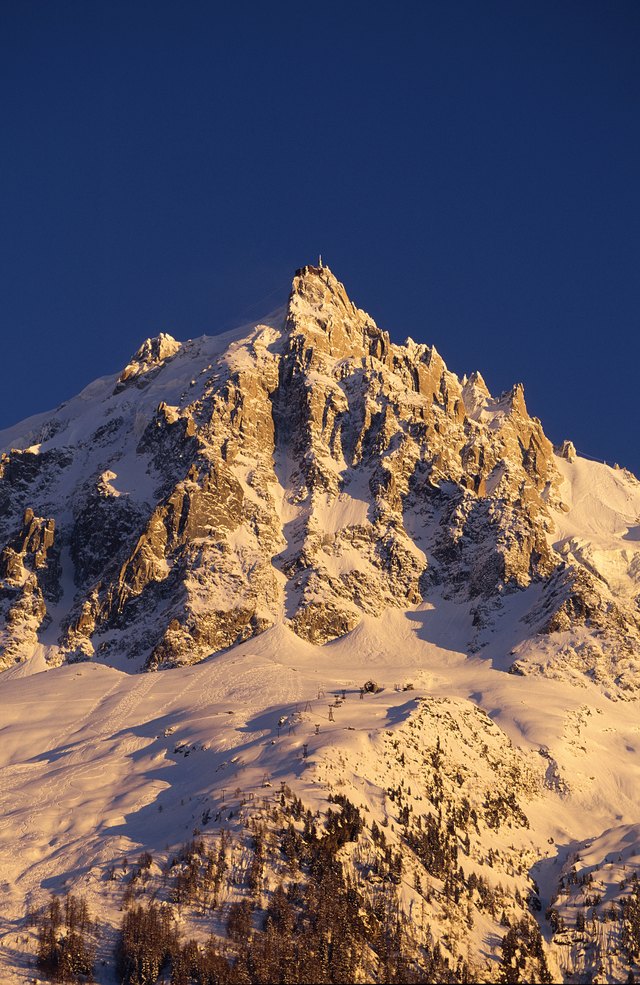

If you have ever looked at a plain cardboard base and thought, “This needs more drama,” congratulations: you are exactly the kind of person who should make a paper mache mountain range. Paper mache is cheap, flexible, lightweight, and wildly forgiving. It lets you turn newspaper, cardboard, glue, and a little patience into a rugged landscape that looks surprisingly impressive once paint enters the chat.
Whether you are building a school project, a model train backdrop, a geography display, a fantasy diorama, or a holiday village scene with suspiciously ambitious topography, a paper mache mountain range is one of the easiest ways to create convincing 3D terrain without needing power tools, advanced sculpting skills, or the temperament of a monk. You mostly need strips of paper, a workable armature, and the emotional strength to let things dry before poking them.
In this guide, you will learn how to make a mountain range from paper mache step by step, how to avoid the usual cracking and sagging problems, and how to paint your project so it looks more “majestic alpine ridge” and less “wet laundry pile.”
Why Paper Mache Works So Well for Mountains
A mountain range is basically a set of large forms, slopes, ridges, saddles, and texture changes. Paper mache handles all of that beautifully because it drapes over shapes, hardens into a shell, and accepts paint well. It is also easy to scale. You can make a tabletop mountain range for a science project or a large scenic backdrop for a classroom display. Better still, many of the materials are already lying around your home waiting to be promoted from “junk drawer resident” to “landscape engineering assistant.”
Another advantage is that paper mache lets you work in layers. That means you can build the general landform first, then refine the shape, then add texture, then paint. If the first version looks awkward, that is normal. Most mountain ranges look a little embarrassing until the final paint job. Much like a home haircut, it usually improves with distance and time.
What You Will Need
- A sturdy cardboard or foam board base
- Poster board, scrap cardboard, or crumpled newspaper for the mountain forms
- Masking tape
- Newspaper torn into strips
- Paper mache paste made from flour and water, or a white glue and water mixture
- A mixing bowl and whisk or spoon
- Optional: aluminum foil or wire mesh for extra shaping
- Primer or a base coat of paint
- Acrylic craft paints in gray, brown, black, white, and green
- Paintbrushes, paper towels, and a cup of water
- Optional finishing details such as moss, sand, pebbles, miniature trees, or sealant
Step 1: Plan the Shape of Your Mountain Range
Before you start mixing paste, decide what kind of mountain range you want. Do you want a dramatic central peak with smaller ridges around it? A long chain of rolling mountains? A rocky desert range? Snowy peaks? A geography model showing elevation zones? This matters because the silhouette is what makes the project believable.
A good mountain range usually has variety. Avoid making every peak the same height or shape. Nature rarely lines things up like matching cupcakes. Mix tall peaks with lower shoulders, shallow slopes with steeper faces, and broad foothills with tighter ridges. If your display will be viewed mostly from the front, make the tallest peak slightly off-center for a more natural look.
Step 2: Build a Lightweight Armature
The armature is the skeleton under your paper mache. This is where smart shortcuts save time and weight. One easy method is to roll poster board into cones of different sizes, tape them closed, trim the tops to soften the points, and tape them to your base. After that, add crumpled newspaper between the cones to create connecting ridges and lower slopes.
You can also use wad after wad of newspaper shaped with masking tape, especially if you want rounded mountains. Cardboard scraps can create cliffs and ledges. Aluminum foil works well for quick shaping. For larger projects, wire mesh can help form the terrain between major peaks. The goal is not to make the armature perfect. The goal is to create the bulk of the landform without using ten pounds of wet paper.
As you build, keep checking the outline from different angles. Mountains should rise and fall gradually in some places and sharply in others. Add valleys, passes, and uneven contours. Those little changes are what make the finished paper mache mountain range look intentional rather than accidental.
Step 3: Mix the Paper Mache Paste
You have two simple options. The classic version is flour and water. Mix it until it is thin and smooth, closer to pancake batter or runny white glue than biscuit dough. Lumps are not charming here. Whisk until the mixture is consistent.
The second option is diluted white school glue. This is especially helpful in humid climates or when you want a cleaner, slightly less starchy mixture. Some crafters also add a little salt to flour paste to help reduce mold risk in damp conditions. Whatever mixture you choose, the key is this: wet enough to coat the paper, but not so thick that the strips turn gummy and heavy.
If you are making a large display, work in small batches so the paste stays fresh and manageable. You are building a mountain range, not opening a carb-focused day spa.
Step 4: Tear the Paper Into Strips
Tear your newspaper into strips about 1 to 2 inches wide. Tearing works better than cutting because soft feathered edges blend more smoothly onto the form. Straight scissor-cut edges tend to stand out and lift at the corners.
Keep a stack of strips ready before you start. Once your hands are covered in paste, you will not want to pause and prepare more paper. That is the moment when every crafter discovers that clean newspaper and messy fingers are mortal enemies.
Step 5: Apply the First Layers
Dip a strip into the paste, then run it between your fingers to remove excess. This step matters. Over-soaked strips lead to sagging, slow drying, and the kind of texture best described as “bog creature chic.” Lay each strip over the armature and smooth it down with your fingers.
Overlap the strips and place them in different directions. For mountain projects, angled placement works especially well because it helps wrap the slopes and strengthens the shell. Once you complete one full layer, let it dry completely before adding the next. Three to four layers are usually enough for a sturdy mountain range, though larger projects may need more reinforcement in vulnerable spots.
If you want extra strength, alternate the strip direction between layers. This cross-layering method helps the shell hold together better and reduces weak seams. It also gives you better coverage over valleys, ridges, and transitions between peaks.
Step 6: Refine the Terrain
After the basic shell is in place, check the form again. Does it look like a mountain range, or does it look like a lumpy blanket over mystery furniture? This is the moment to adjust. Add small bunches of newspaper for ridges, foothills, or outcroppings, tape them in place, and cover them with more strips.
If you want sharper rock faces, build them up with folded cardboard or compressed paper before adding more mache. If you want smoother, rounded mountains, keep the transitions gradual and soften the forms with thinner strips. You can even use paper pulp or a thicker mache material for small details, but for most projects, layered strips will do the job just fine.
Try to keep the thickness fairly even where possible. Very thin areas dry fast but stay fragile; overly thick areas take forever to dry and are more likely to crack. Think durable shell, not edible lasagna.
Step 7: Let It Dry Properly
This step is not glamorous, but it is where good projects are saved and rushed projects go to war with gravity. Allow each layer to dry thoroughly. In many home conditions, that means about 24 hours per layer, sometimes longer if the project is large or the air is humid.
Dry in a stable indoor space rather than outside. Too much moisture, direct heat, or overly aggressive airflow can cause warping or cracking. If your structure still feels cool to the touch, it may not be fully dry yet. That is your cue to leave it alone. I know. This is deeply rude of the mountain.
Step 8: Prime and Paint the Mountain Range
Once your paper mache mountain range is fully dry, it is time for paint to work its magic. Start with a primer or an all-over base coat. White, gray, or tan all work, depending on the final look you want. Primer helps unify the patchwork of newsprint and gives your acrylic paint a more predictable surface.
For realistic results, begin with midtone colors such as gray-brown or earthy tan. Then deepen crevices and shadow areas with darker paint. Dry brush lighter shades over raised areas to emphasize texture. This is one of the easiest ways to make paper mache mountains look more like rock and less like recycled Sunday inserts.
If you want snowcaps, add white paint only to the upper ridges and peaks rather than coating the tops in one flat blob. For forested foothills, dab in muted greens and browns near the base. For desert or canyon styles, use warmer tones like rust, ocher, and sandy beige. Small details such as a winding trail, a river line, or scattered greenery can make the whole scene feel more complete.
Step 9: Add Finishing Details
This is the stage where your DIY mountain diorama stops being a craft project and starts flirting with being scenery. Glue sand or fine gravel onto paths. Add miniature trees, shrubs, or moss. Create exposed rock with darker dry brushing. Paint in water, roads, or tiny cabins if the scale allows. If this is for a school display, label major features such as peak, ridge, valley, slope, and foothill.
To protect the surface, you can finish with a clear acrylic sealer or varnish once the paint has dried completely. That gives the project a little more durability, especially if it will be handled, transported, or displayed for a while.
Common Mistakes to Avoid
- Using too much paste and making the strips soggy
- Adding new layers before the previous ones are fully dry
- Making every peak the same height and shape
- Skipping the armature and relying on paper alone for bulk
- Painting before the structure is fully dry
- Forgetting to reinforce edges, valleys, or tall peaks
- Rushing the finish and using flat paint with no shading or highlights
Creative Ways to Use a Paper Mache Mountain Range
A paper mache mountain range can do more than sit there looking scenic. It can become a geography model, a science fair volcano setting, a fantasy gaming backdrop, a train layout landscape, a holiday village base, or a classroom lesson on elevation and landforms. You can also scale the same technique up or down depending on space. The process stays almost identical; only the drama changes.
What the Experience Is Really Like: A 500-Word Reality Check From the Craft Table
Making a mountain range from paper mache sounds wonderfully wholesome in theory. In practice, it is equal parts art project, engineering experiment, and light emotional endurance sport. The first experience almost always begins with optimism. You gather cardboard, newspaper, tape, and a bowl, then confidently tell yourself this will be “a simple weekend craft.” That sentence is usually adorable in hindsight.
The first lesson most people learn is that the armature matters more than they expected. At the beginning, a few cones and paper wads can look underwhelming, even silly. It may resemble a failed school play set or a recycling bin that developed ambition. But once the forms connect and the slopes begin to read as terrain, the project suddenly makes sense. That shift is one of the best parts of the whole experience. You stop seeing trash and start seeing landscape.
The second lesson is that paper mache rewards patience and punishes overconfidence. The temptation is to drench every strip, slap it on fast, and assume future-you will deal with the consequences. Future-you, unfortunately, becomes the person staring at a soggy hillside that refuses to dry. Experienced makers quickly learn to remove excess paste, keep layers moderate, and let each coat dry fully. It is less dramatic, but it saves the project.
Painting is where the emotional payoff usually arrives. Before paint, the structure can look rough, wrinkled, and unconvincing. After paint, especially with darker shadows and lighter dry-brushed highlights, the surface suddenly reads as rock, soil, and elevation. This is the stage where people tend to say, “Oh wow, that actually looks like a mountain.” It is also the stage where makers get a little too confident and start planning glaciers, waterfalls, tiny cabins, and an unnecessarily elaborate goat trail.
Another real experience tied to this project is how surprisingly flexible it is. Kids can make simple, rounded mountain forms for class. Hobbyists can build more detailed scenery for trains, villages, or fantasy displays. Teachers can turn it into a lesson on landforms and topography. Crafters can keep it realistic or lean fully into storybook whimsy. The same basic process supports all of those outcomes, which is probably why paper mache mountains keep showing up in homes, classrooms, and hobby rooms year after year.
There is also something deeply satisfying about the mess itself. Yes, your fingers get sticky. Yes, the table may look like a newspaper blizzard collided with a bowl of glue. But there is a tactile, hands-on quality to shaping landforms that screens simply cannot compete with. You pinch a ridge, smooth a slope, adjust a valley, and build something dimensional from almost nothing. It feels old-school in the best way.
By the end of the project, most people come away with the same conclusion: the mountain range was easier than it looked, slower than expected, and much more fun once they stopped trying to make it perfect in the early stages. That is really the heart of the experience. Paper mache mountains do not emerge polished. They evolve. And honestly, that is part of their charm.
Conclusion
If you want a craft that is affordable, flexible, creative, and surprisingly useful, learning how to make a mountain range from paper mache is a great place to start. Build a light armature, use properly mixed paste, apply overlapping strips in controlled layers, let everything dry fully, and finish with thoughtful paint. That combination is what transforms a pile of paper and tape into believable model mountain scenery.
In other words, the secret is not fancy materials. It is structure, patience, and paint. Also newspaper. So much newspaper.