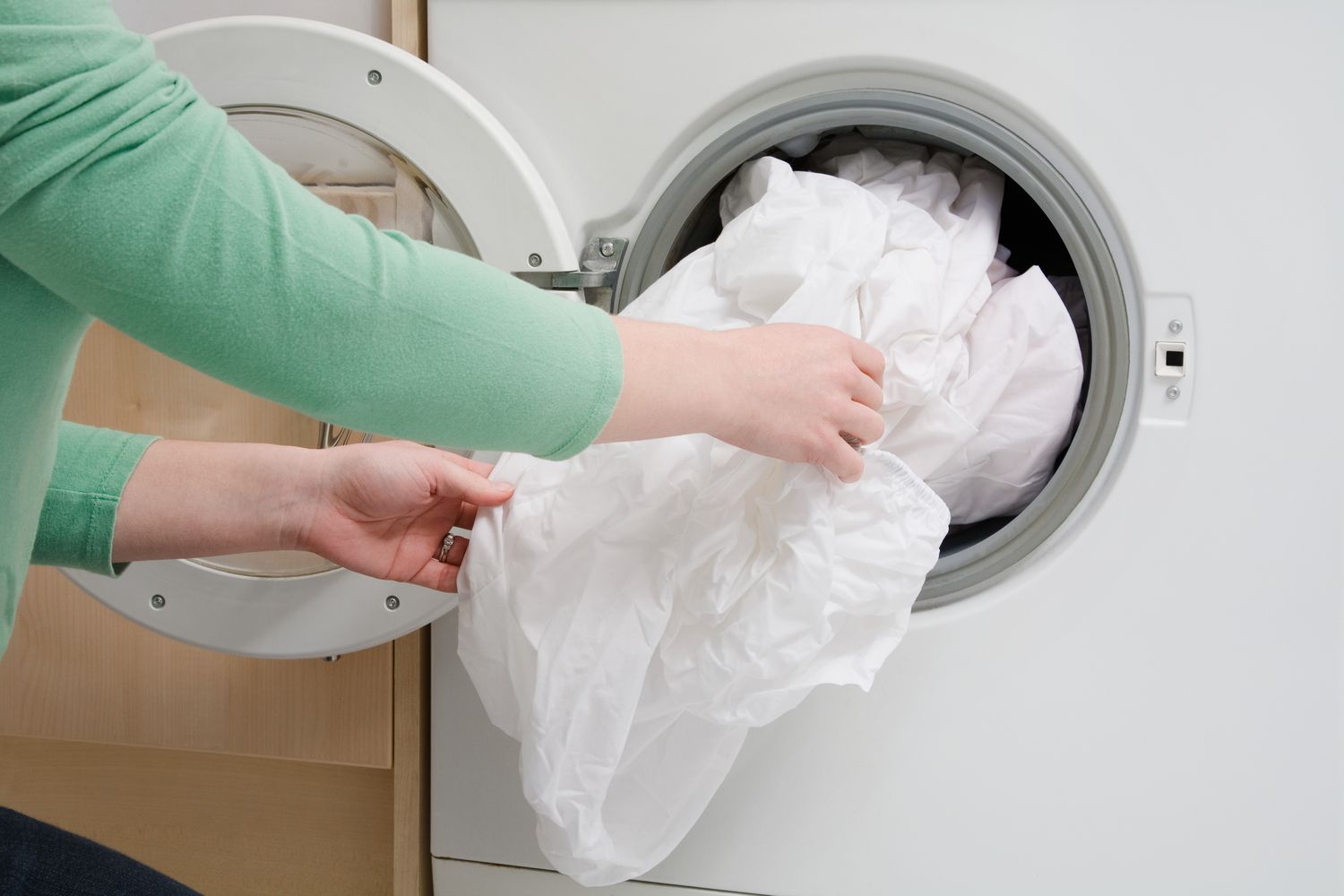

Few laundry problems feel more ridiculous than opening the dryer, expecting warm, fluffy bed sheets, and discovering a damp fabric burrito with one sock held hostage in the middle. Your fitted sheet has rolled itself into a defensive ball, the flat sheet is twisted like a pool noodle, and the pillowcases have vanished into a cotton cave. Congratulations: you have met the classic dryer sheet ball.
The good news? Sheets balling up in the dryer is not a sign that your laundry room is cursed. It usually happens because large, lightweight fabrics have too much room to wrap around themselves, not enough room for air to move through them, or too many other items tangling along for the ride. Fitted sheets are the main troublemakers because their elastic corners act like tiny laundry nets, scooping up pillowcases, socks, T-shirts, and sometimes your will to fold laundry.
Learning how to keep sheets from balling up in the dryer comes down to six simple habits: untangle them before drying, avoid overloading the drum, separate fitted sheets from smaller items, add dryer balls, pause and shake the load midway, and use the right heat setting. These tips are practical, inexpensive, and easy enough to do even when you are running laundry at 10 p.m. and negotiating with yourself about whether “slightly damp” counts as dry.
Why Do Sheets Ball Up in the Dryer?
Sheets are large, flexible pieces of fabric. When they tumble, they do not behave like jeans, towels, or small shirts. Instead, they spread out, fold over, twist, and trap air. Once a corner tucks under another layer, the sheet may begin rolling around itself. The outside gets hot and dry, while the inside stays cool and damp. That is why a sheet can feel perfectly dry on the surface but still have a wet center when you unfold it.
Fitted sheets make the problem worse. The elastic edges create pockets that catch other bedding. A pillowcase can disappear into one corner, a flat sheet can twist around the elastic, and the entire load can become one spinning bundle. When the dryer cannot move warm air through the fabric, drying takes longer, wrinkles become more dramatic, and you may need to run a second cycle. That wastes time, energy, and patience.
Overloading the dryer is another common cause. A dryer needs open space so bedding can lift, tumble, separate, and release moisture. If the drum is packed tightly, sheets cannot move freely. Instead of tumbling, they press together and form clumps. On the other hand, drying one giant item by itself can also lead to rolling because there is nothing in the drum to help break up the movement. The goal is balance: enough room to tumble, plus enough separation to keep air moving.
Tip 1: Shake Out Sheets Before They Go Into the Dryer
The easiest way to prevent sheets from tangling is to stop the tangle before it starts. When sheets come out of the washer, they are often already twisted together. If you toss that wet knot directly into the dryer, the dryer simply bakes the knot into a warmer, wrinklier knot. Not ideal, unless your goal is modern laundry sculpture.
Before loading the dryer, separate each piece of bedding. Shake out the fitted sheet, flat sheet, and pillowcases one at a time. Pull apart any twisted corners and loosen rolled edges. This takes less than a minute, but it gives every item a better chance to tumble independently.
How to do it quickly
Hold one end of the sheet with both hands, lift it away from the washer, and give it two or three firm shakes. You do not need to snap it like a hotel housekeeper in a luxury commercial. Just loosen the folds and make sure no pillowcases are trapped inside the fitted sheet corners. Then place each item loosely into the dryer instead of pushing it in as one heavy bundle.
This simple step also helps reduce wrinkles. When fabric enters the dryer spread out instead of twisted, it dries more evenly. Less twisting means fewer deep creases, fewer damp pockets, and fewer moments where you question why bedding has such a strong personality.
Tip 2: Do Not Overload the Dryer
Overloading is one of the biggest reasons sheets ball up in the dryer. Bedding needs space to tumble. If you stuff in two sheet sets, a duvet cover, six towels, pajama pants, and that one hoodie that has been in the laundry cycle since Tuesday, the dryer cannot do its job properly.
A crowded dryer restricts airflow. Warm air needs to pass around and through the fabric to remove moisture. When the drum is too full, sheets fold into each other and stay damp in the middle. The dryer may run longer, but the results are often worse: hot outer layers, wet inner folds, and wrinkles that look personally offended.
The better load size
For most household dryers, one queen or king sheet set is enough for a single bedding load. If the sheets are thick, deep-pocketed, flannel, or oversized, consider drying the fitted sheet separately from the flat sheet and pillowcases. Yes, it sounds like more work, but it is usually faster than running the same tangled load twice.
As a general rule, the drum should be loosely filled, not packed. Your sheets should be able to lift and fall as the dryer turns. If you have to shove the bedding in with your knee, the load is too big. Your dryer is an appliance, not a suitcase on the last day of vacation.
Tip 3: Dry Fitted Sheets Separately From Small Items
The fitted sheet is the ringleader of bedding chaos. Its elastic edges can trap pillowcases, washcloths, socks, and small clothing items. Once those smaller pieces get caught, the fitted sheet becomes heavier on one side, tumbles unevenly, and balls up faster.
To keep sheets from balling up in the dryer, separate fitted sheets from smaller laundry. Dry the fitted sheet with the flat sheet only, or dry it by itself with dryer balls. Keep pillowcases, small blankets, and clothing in a separate load if they keep getting swallowed.
What about duvet covers?
Duvet covers deserve special attention because they can act like giant fabric envelopes. If your duvet cover has buttons, snaps, or a zipper, close it before drying. Otherwise, sheets and pillowcases can slide inside and create a damp bundle. Closing the cover helps it tumble more like a single item instead of turning into a laundry sleeping bag.
This same logic applies to zippered pillow protectors and mattress protectors. Close openings before they enter the dryer. Any large fabric pocket can catch smaller pieces and turn the load into a surprise nesting doll.
Tip 4: Add Wool Dryer Balls for Better Separation
Dryer balls are one of the most useful tools for drying sheets. They bounce between layers of fabric, helping separate the bedding as it tumbles. This improves airflow, reduces clumping, and may help sheets dry more evenly. Wool dryer balls are especially popular because they are reusable, quiet compared with tennis balls, and gentle on many fabrics.
For a typical sheet load, use three to four wool dryer balls. For larger bedding loads, five or six may work better. The point is not to fill the dryer with a tiny sheep army; it is to create enough movement to keep fabric layers from sticking together.
Dryer balls vs. dryer sheets
Dryer sheets can reduce static and add softness, but they do not separate fabric as effectively as dryer balls. They may also leave residue over time on fabrics or dryer parts, especially when overused. Dryer balls, by contrast, physically move through the load and help break up clumps. If your main problem is sheets tangling, dryer balls are usually the better choice.
If you use essential oils on wool dryer balls, be careful. Oils should be used sparingly and allowed to absorb fully before drying. Too much oil can stain fabric or create safety concerns. Honestly, clean sheets already smell pretty great. They do not need to smell like a lavender field trying to win a candle competition.
Tip 5: Pause the Cycle and Shake Sheets Halfway Through
Even with a perfect load size and dryer balls, sheets can still begin to twist. That is why laundry experts often recommend checking bedding partway through the cycle. Pause the dryer after 15 to 25 minutes, pull out the sheets, shake them loose, and put them back in.
This mid-cycle shake is especially helpful for king sheets, deep-pocket fitted sheets, duvet covers, and thick cotton bedding. It exposes damp folds to warm air and prevents the outside from drying while the center stays wet. Think of it as giving your sheets a quick pep talk: “Open up, breathe, and stop hiding the pillowcases.”
Remove dry items early
If pillowcases or the flat sheet are already dry when you pause the cycle, take them out. Leaving dry items in the dryer can increase wrinkling and may encourage more tangling. Removing them also gives the remaining damp sheet more space to tumble.
This trick is especially useful when drying mixed bedding. Pillowcases often dry faster than fitted sheets. Taking them out early keeps them smooth and lets the heavier or more tangled pieces finish properly.
Tip 6: Use Low or Medium Heat and Avoid Overdrying
High heat may seem like the fastest path to dry sheets, but it is not always the best choice. Lower or medium heat allows sheets to dry more gently and may reduce wrinkles, shrinking, and fabric stress. Many sheets, especially cotton, bamboo, linen, microfiber, and performance blends, last longer when you avoid aggressive heat.
Overdrying can make sheets feel rough, increase static, and deepen wrinkles. It can also make elastic on fitted sheets wear out faster. Check the care label first, then choose a setting that matches the fabric. For many everyday sheet sets, tumble dry low or medium works well.
Use moisture sensors when available
If your dryer has a moisture sensor or automatic dry setting, use it. Sensor drying can help stop the cycle when the bedding is dry instead of continuing to blast heat into already-dry fabric. For sheets that tend to ball up, you may still need the halfway shake, but a sensor setting can help prevent overdrying once everything is separated.
Also, clean the lint filter before every load. A clogged lint screen blocks airflow, and poor airflow makes drying slower and less even. If you use dryer sheets, wash or scrub the lint screen occasionally because residue can build up and reduce airflow. Better airflow means better drying, fewer damp spots, and fewer repeat cycles.
Common Mistakes That Make Sheets Ball Up
One common mistake is washing and drying too many sheet sets at once. It may feel efficient to do all the bedding together, but if the dryer cannot separate the fabric, the load takes longer and may need to be restarted. Smaller loads often finish faster because air moves more freely.
Another mistake is mixing sheets with heavy towels. Towels absorb more water and dry at a different rate than sheets. They can weigh down the load, increase twisting, and leave bedding wrinkled. Wash towels with towels and sheets with sheets. Laundry sorting may not be glamorous, but neither is sleeping on a damp corner.
A third mistake is ignoring the fitted sheet corners. If you pull sheets from the washer and the corners are already stuffed with pillowcases, do not hope the dryer will magically fix it. The dryer is not a therapist. Untangle the corners first.
Finally, do not leave sheets sitting in the dryer after the cycle ends. Warm sheets wrinkle quickly when they cool in a pile. Remove them promptly, fold them, or put them directly back on the bed. Direct-to-bed is the unofficial laundry shortcut of champions.
A Simple Expert-Style Routine for Drying Sheets
Here is a practical routine you can follow every time you dry bedding:
- Remove sheets from the washer and separate each piece.
- Shake out the fitted sheet, flat sheet, and pillowcases.
- Load the dryer loosely, leaving room for tumbling.
- Add three to four wool dryer balls.
- Use low or medium heat, based on the care label.
- Pause halfway through, shake out the sheets, and remove dry items.
- Finish drying, then remove sheets promptly.
This routine may sound like a lot on paper, but in real life it adds only a couple of minutes. The payoff is big: fewer damp bundles, fewer wrinkles, shorter drying time, and bedding that actually feels ready for the bed.
Extra Experience: What Actually Works When Sheets Keep Balling Up
After dealing with sheet burritos for years, the biggest lesson is that no single trick works every time for every dryer. The best results come from combining small habits. Shaking sheets before drying helps, but if the dryer is overloaded, they may still twist. Dryer balls help, but if a fitted sheet is wrapped around two pillowcases before the cycle begins, the balls may not be able to rescue it. The magic is in the routine.
For example, cotton percale sheets usually behave better than thick flannel sheets because they are lighter and release moisture faster. Flannel sheets are cozy, but in the dryer they can act like they are preparing for hibernation. They cling, fold, and hold moisture in the middle. With flannel, a smaller load and a midway shake are almost mandatory. Linen sheets, on the other hand, may dry quickly but wrinkle dramatically if left sitting. Remove them while barely warm and fold them right away.
Deep-pocket fitted sheets are another special case. The deeper the pocket, the more fabric and elastic there is to trap other items. One practical trick is to loosely tuck the fitted sheet corners into themselves before drying. Do not tie the sheet in a knot; just reduce the open “pocket” shape so it is less likely to capture pillowcases. Some people clip corners together with laundry-safe clips, but that can be fussy. For most households, shaking, separating, and drying fitted sheets with dryer balls is easier.
Another experience-based tip: listen to the dryer. A normal sheet load makes a soft tumbling sound. A balled-up sheet often makes a repeating thump because the bundle is hitting the drum in the same shape again and again. If you hear that steady thud, pause the dryer and check the load. Waiting until the end usually means the outside of the bundle will be hot while the inside is still damp.
It also helps to match your drying method to your schedule. If you are home and can pause the dryer halfway, use the mid-cycle shake method. If you are busy, reduce the load size and add extra dryer balls from the start. If you need sheets dry quickly before bedtime, do not wash every piece of bedding at once. Dry the fitted sheet first, then the flat sheet and pillowcases. It feels less efficient, but it often finishes sooner because each load dries correctly the first time.
One more practical observation: cleaning the lint filter is not optional. When airflow is weak, sheets stay damp longer and cling together more easily. If your sheets suddenly start drying poorly, check the lint screen, the moisture sensor area, and the dryer vent. A dryer that cannot breathe will not dry bedding well, no matter how many wool balls you throw into it.
The best laundry routine is the one you will actually repeat. You do not need fancy gadgets, complicated folding tricks, or a spreadsheet named “Sheet Drying Protocol.” Start with three habits: shake sheets before drying, use dryer balls, and pause once to untangle. If your sheets still ball up, reduce the load size and separate the fitted sheet. Those small changes solve most sheet-tangling problems and make laundry day feel a little less like a wrestling match with cotton.
Final Thoughts
Keeping sheets from balling up in the dryer is mostly about airflow, space, and timing. Sheets need room to move, help staying separated, and a quick reset during the cycle if they begin twisting. Once you understand that, the solution becomes simple: do not overload the dryer, shake sheets loose, separate problem pieces, add dryer balls, check the load halfway, and avoid blasting everything on high heat.
The next time your fitted sheet tries to become a damp fabric cannonball, you will know exactly what to do. Laundry may never become your favorite hobby, but at least your sheets can come out dry, smooth, and ready for the bed instead of looking like they lost a fight with the dryer drum.