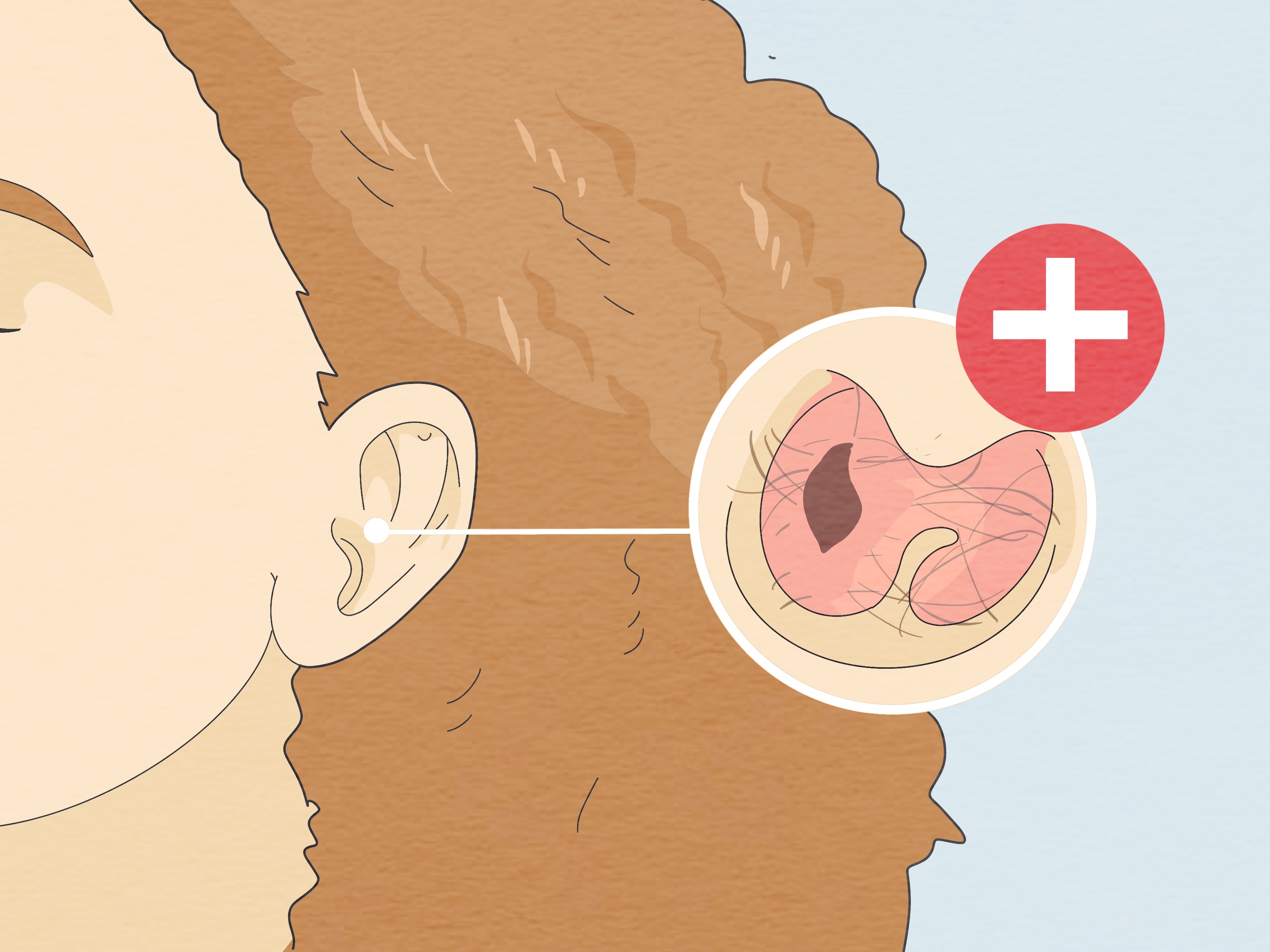

Ears are amazing. They help you hear your favorite song, your best friend’s gossip, and your smoke alarm’s “please stop burning toast” message.
But they also have one weird hobby: occasionally trapping random stuff like they’re running a tiny souvenir shop.
If you’ve got “something” stuck in your earwater, earwax, a bead, or (yes) a bugyou’re not alone. The key is to stay calm and choose a method
that won’t turn a minor nuisance into a dramatic “why is the urgent care parking lot always full?” situation.
This guide walks you through four at-home methods to get something out of your ear safely, plus exactly when to stop and get medical help.
(Spoiler: if it’s a battery, don’t DIY. Ever.)
First: A Quick Safety Check (Because Your Eardrum Is Not a Spare Part)
Before you try any at-home ear removal, do a quick reality check. Some situations are “try a simple step,” and some are “please go get help now.”
Go to urgent care or the ER immediately if:
- You suspect a button battery (tiny coin-shaped battery) or a magnet is in the ear.
- There’s severe pain, bleeding, or fluid draining from the ear.
- You have sudden hearing loss, intense dizziness/vertigo, or facial weakness.
- The object is sharp (splinter, glass) or it was forced in with impact.
- The person is a small child who can’t stay still (tiny humans are famous for last-second head turns).
Also hit pause and call a clinician if you have:
- A history of a perforated eardrum (hole/tear), ear tubes, or ear surgery
- Symptoms of infection: worsening pain, swelling, fever, or foul-smelling discharge
- Diabetes or an immune condition and you’re considering irrigation (better to be cautious)
What Not to Do (A Short List of Regrets)
When something is stuck, your brain may suggest creative tools: cotton swabs, hairpins, tweezers you can’t see with, or a pen cap that “seems about right.”
Your ear would like to decline that offer.
- Don’t use cotton swabs to “dig.” They often push objects and wax deeper and can irritate or injure the canal.
- Don’t probe blindly with tweezers, bobby pins, or anything pointy.
- Don’t try ear candling (it’s not a candle-powered vacuum; it’s a burn risk and not recommended by medical organizations).
- Don’t blast water from a high-pressure device into your ear.
How to Get Something Out of Your Ear: 4 At-Home Methods
Choose the method that matches what’s in there. If you’re not sure what it is, use a flashlight and a mirror (or a trusted friend with steady hands).
If it’s deep, painful, or you can’t see itskip the DIY and get professional help.
Method 1: The Gravity & Wiggle Move (Best First Step)
This is the simplest and often the safest first try for small, loose items near the outer ear canallike a tiny bead, a bit of sand, or a rogue earbud tip
that isn’t wedged in tight.
- Wash your hands (you’re about to be near an opening to your head; let’s keep it classy).
- Tilt your head so the affected ear faces down toward the floor.
- Gently tug the outer ear:
- Adults: pull the ear up and back.
- Young kids: pull the ear down and back.
This helps straighten the ear canal.
- Wiggle and shake gentlythink “polite maraca,” not “rock concert headbanging.”
- If you see the object at the opening, stop and consider Method 2 (careful removal).
If nothing happens after a couple of gentle tries, don’t keep going. Repeated attempts can irritate the canal and make swelling more likelyexactly what you
don’t want when something is stuck.
Method 2: “If You Can See It, You Can (Maybe) Grab It”
This method is only for objects that are clearly visible, easy to grasp, and sitting near the entrance of the ear canal.
If you have to go “fishing,” you’re doing it wrong.
Good candidates
- A small piece of cotton or paper sitting right at the opening
- A visible earbud tip that’s not tightly jammed
Bad candidates (don’t try to pull these yourself)
- Anything deep, smooth (bead), or tightly wedged
- Anything that causes pain when touched
- Button batteries or magnets (medical emergency)
How to do it safely
- Use bright light and a mirror. Sit down. Do not attempt this while standing over a sink like you’re defusing a bomb.
- Use clean, blunt-tipped tweezers only if the object is easy to grasp.
- Gently pinch and pull straight out. If it slips or moves deeper, stop.
- If there’s any pain, bleeding, or sudden ringing/hearing changestop and get medical care.
The ear canal skin is delicate and easy to scratch. Even small abrasions can sting and increase infection risk.
Method 3: Warm Water Irrigation (For Some Objects and Some Earwax)
Warm water irrigation can help flush out certain small, non-swelling objects and can also help with earwax buildup.
But it’s not for everythingespecially not batteries, magnets, or anything that can swell when wet.
Do NOT irrigate if:
- You suspect a button battery or magnet
- The object is food or plant material (like a bean/seed) that can swell
- You have a known or suspected hole in the eardrum, ear tubes, or prior significant ear surgery
- You have significant ear pain, drainage, or bleeding
What you need
- A rubber-bulb syringe (the gentle kind sold for ear irrigation)
- Clean water warmed to body temperature (not hot; not cold)
- A towel
Step-by-step
- Fill the bulb syringe with warm water.
- Lean over a sink with the affected ear facing down and slightly outward.
- Gently pull the outer ear up and back (adult) to straighten the canal.
- Place the syringe at the entrance of the ear canalnot inside it.
- Squirt a gentle stream along the side of the canal, not straight at the eardrum.
- Let the water drain out. Repeat a couple of times at most.
- Stop immediately if you feel sharp pain, intense dizziness, or worsening hearing loss.
For earwax: you may have better luck if you soften the wax first with a few drops of mineral oil, baby oil, glycerin, or an OTC wax-softening
drop for a day or twothen irrigate gently. If you try this, keep it short and stop if you develop pain or irritation.
Aftercare
Tip your head to let all water drain. Pat the outer ear dry with a towel. Avoid sticking anything into the canal to “dry it out.”
Method 4: Oil to Evict a Bug (Because Nobody Wants a Roommate)
If a live insect is in your ear, the main goals are: (1) stop the scratching/buzzing sensation, and (2) get it out without injuring the ear canal or eardrum.
Many first-aid guidelines suggest using warm (not hot) oil to immobilize/kill the insect so it can float out.
Do NOT use oil if:
- You suspect a perforated eardrum or have ear tubes
- There’s drainage, significant pain, or bleeding
What you need
- Mineral oil, olive oil, or baby oil (room temperature or slightly warmed in your hands)
- An eyedropper or clean teaspoon
- A towel
Step-by-step
- Lie on your side with the affected ear facing up.
- Gently place a small amount of warm (not hot) oil into the ear canal.
- Wait a minute or two. The movement/noise often stops quickly.
- Then tilt the ear downward and let the oil drain out onto a towel.
- If needed (and if you have no contraindications), you can try a gentle warm-water rinse afterward.
If you still feel movement, or symptoms persist after one careful attempt, it’s time for professional removal. And yes, clinicians have tools for this.
They’re basically the “bug eviction squad.”
When to See a Doctor (Even If You’re Brave and Have a Flashlight)
Sometimes the safest move is knowing when to quit. Contact a healthcare professional if:
- The object won’t come out after one or two gentle attempts
- You can’t see the object clearly, or it seems deep
- You have persistent pain, swelling, discharge, bleeding, fever, or worsening hearing
- You suspect ear infection or eardrum damage
- The object is a battery, magnet, sharp item, or expanding material
- The person affected is a child who can’t stay still
Conclusion
If you’re trying to figure out how to get something out of your ear at home, the winning strategy is simple:
start gentle, match the method to the object, and stop the moment things feel painful or risky.
Gravity and patience often work. Warm water irrigation can help in the right cases. Oil is your friend for insect emergencies.
And if the situation includes a battery, a magnet, sharp pain, or a kid who’s doing backflipsskip DIY and get medical help.
Real-World Experiences (The “I Learned This the Hard Way” Section)
People’s most common experience with “something in my ear” is surprisingly boring: it’s usually earwax or water, not a dramatic
foreign object. After swimming or showering, a little water can get trapped and make everything sound like you’re listening through a pillow.
The most helpful trick tends to be the least exciting onetilt the head, pull the outer ear gently to straighten the canal, and let gravity do the work.
A lot of folks report that the moment they stop aggressively “fixing” it, the water finally drains. Your ear canal is petty like that.
The second most common story is the earbud tip escape artist. Someone removes their earbuds and realizes the soft silicone tip stayed behind.
The big lesson here: if you can’t see it clearly at the entrance, don’t go in after it. In real life, people who try to “just grab it” in a mirror often
push it deeperespecially if their hands shake or they’re using pointy tweezers. The smarter experience-based move is to try the gravity method first.
If it doesn’t budge quickly, that’s a sign it’s wedged or deeper than it looks, and a clinician with proper visualization is the safer choice.
Then there’s the kid bead saga. Parents often describe a moment of panicbecause kids can insert something and then act totally fine,
like they just completed a secret mission. In many pediatric cases, what matters most is avoiding repeated attempts that upset the child or scrape the ear canal.
One calm try with gravity may work if the object is loose and near the opening. But if the child won’t hold still, the “experience” many families share is
that professional removal ends up faster and less traumatic than multiple at-home battles.
And yespeople do report the bug in ear experience. The most consistent takeaway is that the sensation is worse than the danger,
but panic makes everything harder. Those who did best tended to do two things: (1) keep the ear facing up to stop the insect from crawling deeper,
and (2) use warm oil (when appropriate) to stop the movement. After that, the relief is immediate enough that people stop trying wild experiments
(like vacuum attachments or frantic cotton swabbing). If the bug didn’t come out, they sought careand clinicians removed it with specialized tools.
Not glamorous, but extremely effective.
Finally, there’s the classic earwax home-removal experiment. Many people learn that earwax isn’t “dirt” and that ears usually self-clean.
When wax builds up, the best experiences typically involve softening drops used gently and briefly, not repeated digging.
People who avoid cotton swabs often notice fewer “mystery clogs” over timebecause the swab habit can pack wax deeper.
The most valuable real-life lesson: if you’ve tried a safe method and you’re still blocked, don’t double down with sharper tools.
That’s usually the point where a quick professional cleaning is simpler than turning your bathroom into a tiny ear surgery theater.