
A wobbly table has a special talent: it can turn a peaceful cup of coffee into a low-budget earthquake simulator.
The good news? Most table wobble is fixable in minuteswithout fancy tools, a woodworking degree, or dramatic sighing.
The better news? With the right approach, you can fix it for real, not just “until someone sets down a bowl of soup.”
This guide walks you through quick stabilizing tricks, smarter hardware fixes, and the “okay, this table needs an intervention”
repairsplus how to keep the wobble from coming back when humidity, time, and gravity do what they do best.
Why Tables Wobble (And Why the Same Fix Keeps Failing)
A table usually wobbles for one of three reasons:
- The floor is uneven (tile grout lines, warped boards, thick rug edges, or “vintage” apartments with “character”).
- One leg is effectively shorter (worn foot pad, damaged end grain, missing glide, or a slightly warped leg).
- The table structure is loose (hardware backing out, corner blocks cracked, joints separating, or apron/brace issues).
Here’s the sneaky part: if the table is structurally loose, adding a shim under one leg might stop the rocking temporarily,
but the joint still flexesso the wobble returns the moment someone leans, scoots, or lives.
That’s why the best fixes start with a quick diagnosis instead of a frantic napkin-folding session.
The 60-Second Diagnosis: Floor Problem or Table Problem?
Step 1: The Move-It Test
Slide the table a couple feet to a different spot and check the wobble again.
If the wobble changes or disappears, you’re mostly dealing with an uneven floor (easy win).
If the wobble stays exactly the same, the table itself is the culprit.
Step 2: The Corner Press Test
Put one hand on the tabletop near a corner and gently press down. Repeat at each corner.
If the wobble happens only when you press a specific corner, the “short” leg is usually the one diagonal from the corner you’re pressing.
(Four-legged tables love geometry.)
Step 3: Check for Loose Hardware (Do This Before Anything Else)
Flip the table carefully (get help if it’s heavyespecially stone, glass, or large dining tables).
With a screwdriver or wrench, check bolts, screws, and brackets. If anything is loose, tighten it first.
A shockingly high percentage of “uneven legs” are actually “loose bolts pretending to be uneven legs.”
Safety note: If you’re a teen or you’re not comfortable with tools, ask an adult to help with flipping heavy furniture,
using drills, or making any cuts. A stable table is greatan injured wrist is not.
Fast Fixes (No Tools, No Drama)
These are the “I want my table stable before dinner” solutions. They’re also perfect if your table is fine but your floor isn’t.
1) Use a Real Shim (Not a Random Receipt)
A shim is just a thin wedge that fills the gap under the short leg. You can use store-bought furniture shims,
a thin piece of cork, or even a sturdy piece of plastic. The trick is to use something that won’t compress into dust.
- Hard floors: Use a firm shim + a felt pad on the bottom to protect the floor.
- Carpet: Use a wider shim or a leveling foot so it doesn’t sink unevenly.
- Tile grout lines: Sometimes moving the table 1–2 inches is the best “repair.”
Once the table stops rocking, trim or tuck the shim so it’s not sticking out like a tiny tongue.
2) Add Felt Pads (Best for Minor Rocking + Floor Protection)
Felt pads are great for tiny gaps, hardwood protection, and reducing scraping noise.
But they work best after the table is structurally sound. If the table is loose, pads are basically a bandage on a loose tooth.
For best results, clean the leg bottom first so adhesive pads actually stick.
If pads keep falling off, consider nail-on or screw-on glides instead of peel-and-stick.
3) Try a “Micro-Adjust” Hack for Tiny Gaps
If the wobble is extremely small (think: a coin thickness or less), you can sometimes solve it with a single, durable spacer.
Some DIYers use a coin with a small amount of hot glue as a quick riser. It can work in a pinch, but it’s not my first choice:
adhesive can leave residue and the coin can slide on slick surfaces.
If you want a cleaner version of the same idea, use a small furniture pad or a thin cork slice.
4) Leveling Wedges for Restaurant-Style Stability
You’ve probably seen these under café tables: small, grippy wedges that don’t scream “I fixed it with trash.”
They’re great for uneven floors because they stay put better than paper and don’t compress the way cardboard does.
Better Fixes (5–20 Minutes) That Actually Last
1) Tighten Hardware the Smart Way
Tighten screws and bolts until they’re snugthen stop. Over-tightening can strip holes (especially in particleboard),
crack wood, or bend brackets. If a bolt keeps loosening over time, you have a few options:
- Thread-locking adhesive: Helps nuts/bolts stop backing out from vibration and movement.
- Lock washers or lock nuts: Adds resistance so hardware stays tight longer.
- Re-seat washers: A bigger washer can spread load and reduce wobble at attachment points.
2) Fix Stripped Screw Holes (The Toothpick Trick That Works)
If a screw spins but never tightens, the hole is stripped. A reliable fix:
- Remove the screw.
- Add wood glue into the hole (not a floodjust enough to coat).
- Insert a few wooden toothpicks (or a small wood sliver) until snug.
- Snap off the excess flush with the surface.
- Reinstall the screw once the glue has set up.
For a more heavy-duty repair (especially on tables that get moved a lot), use a wood dowel and drill a clean hole for it,
then re-drill a pilot hole for the screw. It’s like giving the screw fresh wood to bite into.
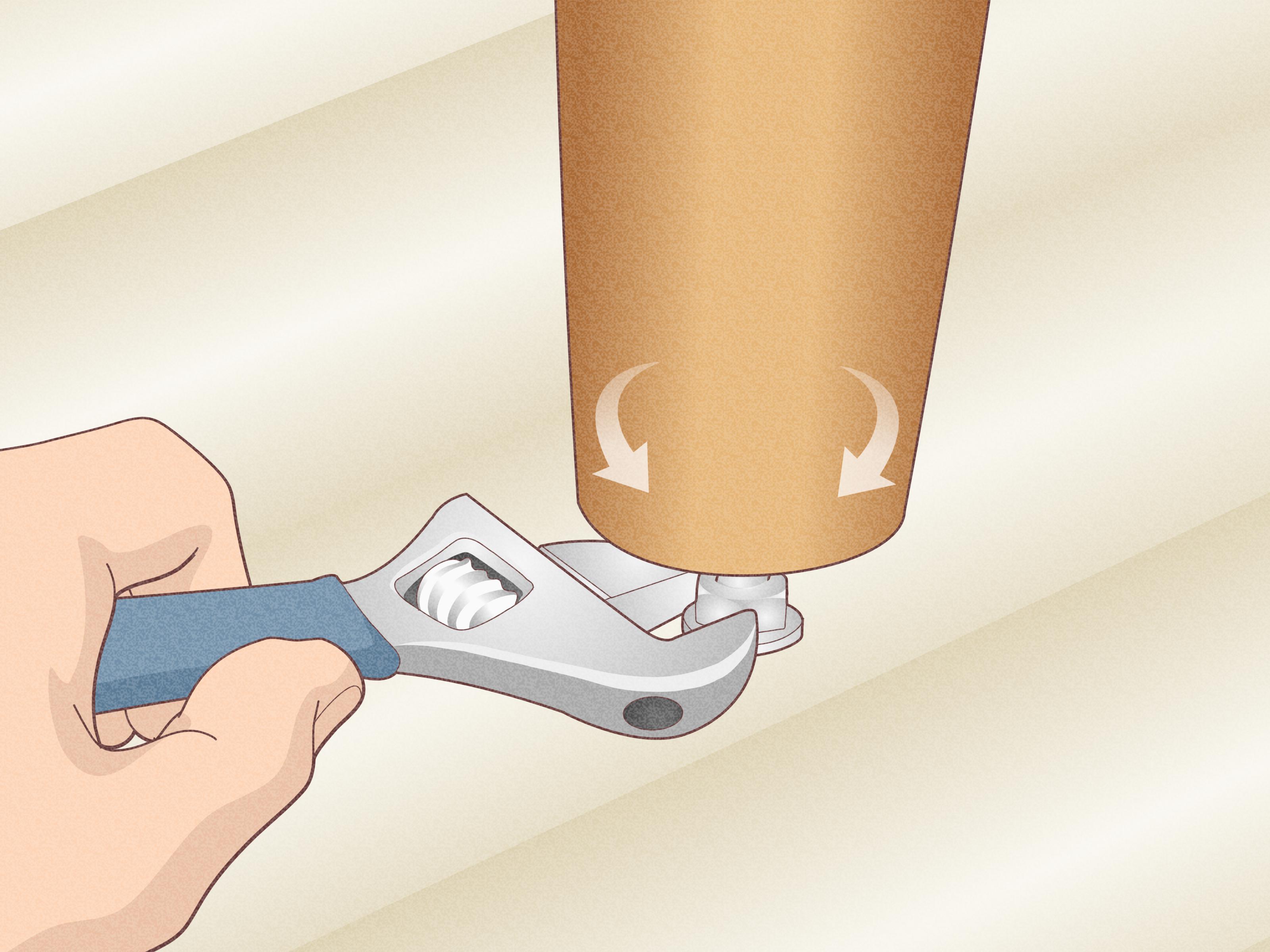
3) Add Adjustable Leveling Feet (The “Permanent Floor Problem” Solution)
If your floor is uneven and you’re tired of shims, adjustable leveling feet (also called glides or levelers) are the upgrade.
They let you twist the foot in or out to fine-tune stability.
The basic idea:
- Simple versions: nail-in or screw-in glides for wooden legs.
- Threaded versions: use threaded inserts or T-nuts so the foot adjusts smoothly and stays strong.
- Swivel feet: useful if legs are angled or the floor is slightly sloped.
If you’re installing threaded inserts, measure twice and drill straight. A crooked insert can make a table wobble in a whole new,
creative way.
Permanent Fixes (When the Wobble Lives in the Joints)
If the table rocks because the base flexeseven on a flat flooryou need to fix the structure, not just the feet.
This is common on older dining tables, inexpensive flat-pack builds, and anything that’s been dragged across a room by sheer optimism.
1) Re-Glue a Loose Joint (The Right Way)
A wobbly table often has a joint that’s partially separated: the leg-to-apron connection, corner block, or stretcher joint.
Re-gluing works best when glue can bond to clean woodold dried glue and dust reduce strength.
- Find the loose joint: Wiggle each leg and watch where the movement happens.
- Open the joint slightly (if possible): Don’t force it. You just need enough access to get adhesive where it matters.
- Clean out dust/crumbly glue: A small brush, thin strip of sandpaper, or compressed air can help.
- Apply the right adhesive: Wood glue for clean wood-to-wood joints; epoxy can help in certain gaps or damaged areas.
- Clamp firmly: Pressure matters. You want the parts pulled tight, not floating in a puddle of glue.
- Let it cure: Many wood glues set up fairly quickly, but the joint shouldn’t be stressed for a full day.
Pro tip: If you can’t fully disassemble the joint, a glue syringe/injector can help you get glue into tight spaces.
But if a joint is badly failed, the best long-term fix is often to take it apart, clean it properly, and re-glue.
2) Reinforce the Base with Corner Blocks or Braces
Corner blocks (triangular wood blocks) and metal corner braces reduce rackingthe side-to-side twist that makes tables wobble.
They’re especially effective on tables with aprons (the frame under the tabletop).
- Wood corner blocks: screw and glue them into the corner where the apron meets the leg.
- Metal L-brackets: quick and strong, especially for utility tables and desks.
- Stretcher bars: some tables benefit from an added cross brace between legs.
If you’re working with particleboard, use the correct hardware (like inserts) because regular screws can strip out easily.
Common Table Types (And the Usual Wobble Suspects)
Dining Tables with Aprons
Usually: loose bolts, stripped holes, failed glue joints, or missing corner blocks.
Best fixes: tighten hardware, repair stripped holes, add corner blocks, and re-glue joints if there’s visible movement.
Pedestal Tables
Usually: the base plate or pedestal connection is loose.
Best fixes: tighten the central hardware, check base screws, and inspect for cracks around the pedestal mount.
If the pedestal is slightly warped or the base is uneven, leveling feet can help a lot.
Folding Tables
Usually: loose hinge fasteners, worn locking mechanisms, or bent leg assemblies.
Best fixes: tighten hinge screws/bolts, replace worn hardware, and confirm the locking braces fully engage.
If a leg is bent, don’t force it back aggressivelyreplacement parts are often safer than a metal fatigue surprise.
Metal Bistro/Café Tables
Usually: uneven floors + missing/shot foot glides.
Best fixes: replace glides, add adjustable levelers, and tighten the base hardware. This is one of the easiest table styles to stabilize well.
Flat-Pack / Particleboard Tables
Usually: fasteners loosening over time, holes stripping, or cam locks not fully seated.
Best fixes: tighten carefully, repair stripped holes, consider thread-locking adhesive for bolts, and upgrade to inserts for repeated tightening.
If the tabletop is sagging or the frame is weak, adding braces underneath can reduce movement dramatically.
Outdoor Patio Tables
Usually: rusted hardware, swelling wood, or feet worn down by concrete.
Best fixes: remove rust where possible, replace corroded fasteners, and add weather-resistant glides.
For wood, re-check joints seasonallyoutdoor moisture swings are relentless.
How to Keep Your Table from Getting Wobbly Again
- Do a quick tighten check every few months if the table gets moved often (desks and dining tables especially).
- Liftdon’t drag when repositioning. Dragging twists the base and loosens joints faster.
- Use levelers for “forever uneven floors.” Shims are fine, but adjustability is nicer long-term.
- Respect humidity. Wood expands and contracts; joints can loosen seasonally. A small maintenance check beats a full repair later.
- Fix looseness early. A tiny wobble becomes wear, and wear becomes damage.
Conclusion: Stable Today, Strong Tomorrow
The fastest wobbly-table fixes are simple: shims, pads, and levelers. But the best fix depends on why the table wobbles.
If it’s the floor, stabilize the foot. If it’s loose hardware, tighten and reinforce. If it’s a failing joint, re-glue and clamp it properly.
Do it once, do it right, and your table can go back to being furniture instead of a percussion instrument.
Extra: Real-World “Experience” Lessons ( of What Usually Works)
If you’ve ever watched someone “fix” a wobbly table with a folded napkin, you’ve seen the most common repair style in America:
temporary confidence. It works… until the napkin gets bumped, the humidity changes, or someone gently places down a water glass like it’s made of lava.
The lesson here is simple: the best solution is the one that matches the problemnot the nearest piece of paper.
One super common scenario is the “new apartment floor surprise.” The table was fine at the old place, then suddenly it rocks in the new kitchen.
That’s usually not a cursed table; it’s a slightly uneven floortile edges, grout lines, or a subfloor that dips just enough to cause rocking.
In that case, the long-term win is adjustable levelers, because they let you dial the table in no matter where you move it.
People who switch from shims to levelers almost always say the same thing: “Why didn’t I do this sooner?” (Usually right after they stop chasing shims.)
Another classic is the “tighten everything” attemptdone with heroic energy and zero strategy. Tightening is great, but only if you’re not stripping holes
or crushing wood fibers. The smarter approach is snug + stable. If a screw won’t tighten, don’t keep cranking on it like it owes you money.
That’s your sign the hole is stripped, and the fix is to rebuild the bite: toothpicks and glue for light duty, or a dowel-and-redrill for strength.
It feels almost too simple, but it’s one of those repairs that gets recommended again and again because it works.
Then there’s the “wobble that laughs at shims.” You stabilize one leg and it still feels shaky when you lean on the tabletop.
That usually means rackingwhere the base twists slightly. You can spot it by holding the top and gently pushing side-to-side.
If you see the legs shift relative to the apron, the fix is reinforcement: corner blocks, braces, or tightening a stretcher connection.
It’s the same reason some restaurant tables have extra support under the top: wobble isn’t always about height; sometimes it’s about sideways flex.
The final lesson is about gluebecause glue is powerful, but it’s not magic. People often squirt a thick blob into a loose joint and hope for a miracle.
Unfortunately, too much glue can prevent a tight fit, and glue doesn’t bond well to old glue or dust.
When joints are truly loose, the more durable repair is usually: clean the joint, apply glue properly, clamp firmly, and give it real cure time.
If you do that (and resist the urge to “test it” every ten minutes), you’ll get a repair that holds up to real useleaning, scooting, and all.
In other words: the kind of stable that doesn’t require a napkin to maintain.