
If your kid’s stuffed animals have staged a full-scale takeover of the bed, the bookshelf, and possibly your last shred of patience, a crochet toy storage hammock can save the day. It lifts plush pals off the floor, turns clutter into cute decor, and gives you a satisfying excuse to buy yarn “for organizational purposes.” That is called responsible crafting.
This project is especially great for beginners because it uses basic crochet skills, open mesh, and a forgiving triangular shape that does not demand laser-level perfection. A toy hammock is meant to hold light, soft items like stuffed animals, dolls, or small blankets. It is not a climbing net, a gym accessory, or a place to test the confidence of your drywall.
Below, you will find a beginner-friendly, flexible method for crocheting a corner toy hammock, plus sizing tips, yarn advice, installation notes, and real-life lessons from the yarn trenches. Let’s make your room look less “toy tornado” and more “intentional soft sculpture.”
What You Need Before You Start
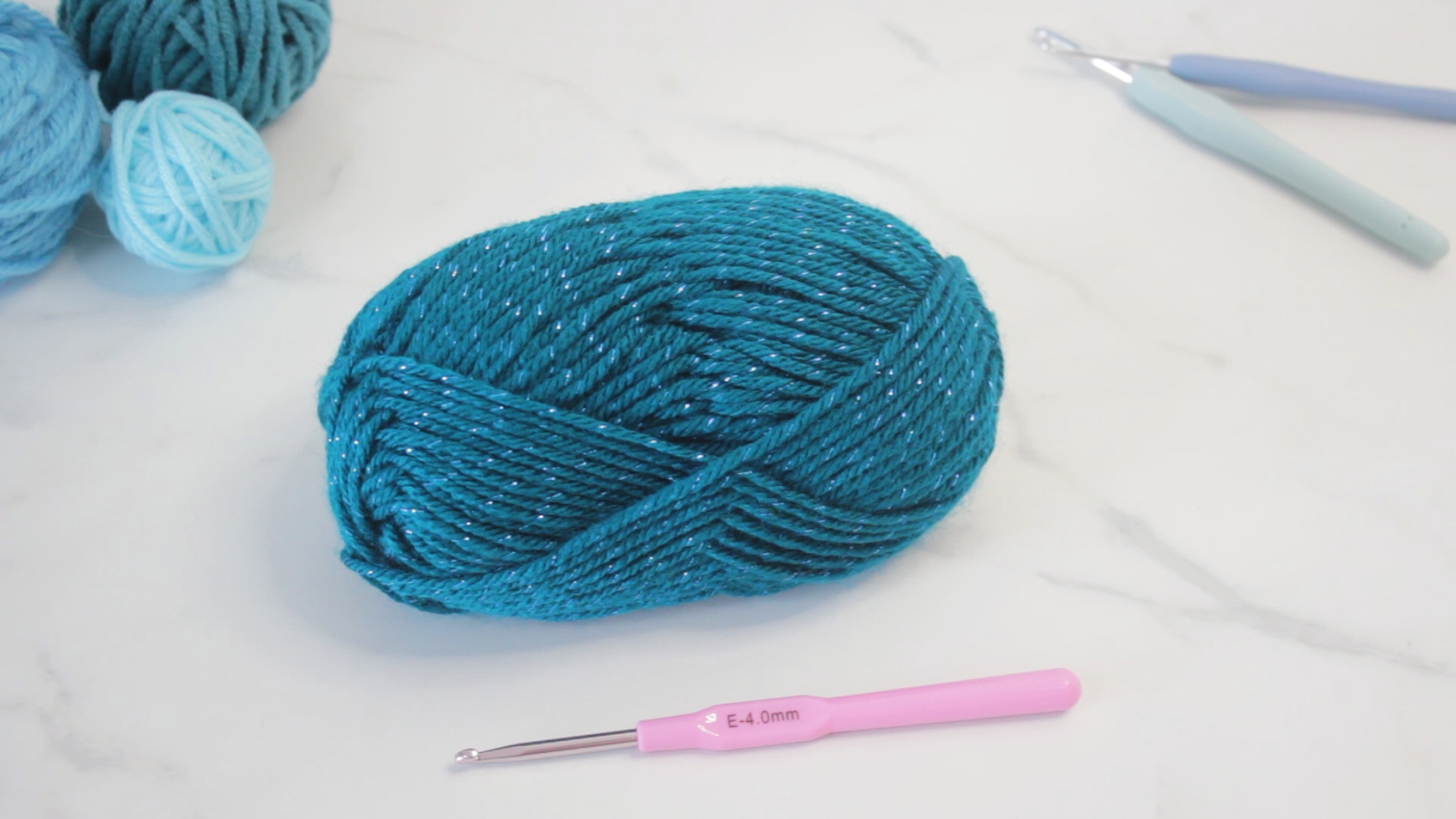
- Worsted weight cotton or cotton-blend yarn
- A crochet hook that matches your yarn, usually around H-8 (5 mm) or I-9 (5.5 mm)
- Scissors
- Yarn needle
- Measuring tape
- 3 wall hooks or sturdy mounting points for a corner setup
- Anchors or screws rated for your wall type and the load you expect
Cotton or a cotton-blend is a smart choice here because it tends to be durable, washable, and less stretchy than many acrylic yarns. That helps the hammock keep its shape instead of sagging like it just heard bad news. If you want a softer look, a cotton-acrylic blend can also work well.
How to Crochet a Toy Storage Hammock in 15 Steps
-
Step 1: Measure the Corner
Use a measuring tape to check the two wall lengths where the hammock will hang. For a typical nursery or kid’s room corner, many people aim for a finished triangle with two equal sides somewhere around 30 to 45 inches. If the hammock is going above a bed, dresser, or reading chair, make sure it has enough clearance and will not droop into the space below.
-
Step 2: Pick the Right Yarn
Choose a smooth, easy-to-see yarn. Worsted weight is the sweet spot for many beginners because it is easy to handle, works up reasonably fast, and gives the hammock enough body without making it bulky. Avoid fuzzy novelty yarns unless you enjoy counting stitches by faith alone.
-
Step 3: Choose a Hook That Gives You Open, Even Mesh
Your hook should match the yarn label, but for a hammock, you can go slightly larger if you want a more open net. The goal is a flexible mesh that still feels secure. If your stitches look stiff and crowded, size up. If they look floppy enough to lose a stuffed bunny ear through the gaps, size down.
-
Step 4: Make a Small Test Swatch
Before you commit to the full piece, crochet a quick mesh swatch. This helps you check how airy the fabric is, how much the yarn stretches, and whether you like the look. Gauge is not as make-or-break here as it would be for a fitted sweater, but it still matters because it affects the final size and sag.
-
Step 5: Start with a Small Triangle Center
Begin with a magic ring or a very short chain loop. The hammock grows best from the center outward into a triangle. Your foundation should create a center corner space, because that center point is what lets the triangle expand neatly. Keep the first row simple and small. You are building the tiny acorn that becomes the mighty stuffed-animal oak.
-
Step 6: Use a Simple Mesh Repeat
A beginner-friendly mesh pattern is based on double crochet and chain spaces. Think of your repeat as: work a double crochet, chain 2, skip stitches, then repeat. The chain spaces form the open netting, while the double crochets provide structure. This kind of filet-style mesh is ideal for a toy hammock because it is light, decorative, and surprisingly strong when edged well.
-
Step 7: Increase at Both Ends and in the Center
To keep the triangle growing evenly, add mesh at the beginning and end of each row, and work an increase into the center corner space every row. That center increase is the heart of the shape. If you forget it, your triangle may start behaving like an abstract modern art piece. Charming, maybe. Useful, less so.
-
Step 8: Keep the Tension Consistent
Try to keep your stitches relaxed and even. If one row is super tight and the next is loose, the hammock edges can ripple or pull. A steady rhythm matters more than speed. Crochet is not a race unless you are competing against bedtime and a floor covered in plush dinosaurs.
-
Step 9: Check the Size as You Go
Every few rows, lay the piece flat and measure both top sides. Compare that size to your corner measurement. A toy hammock does not need to fill the entire wall to be useful. In fact, a slightly smaller hammock often looks neater and stretches into place better once loaded with toys.
-
Step 10: Reinforce the Top Edge
Once the body is large enough, work a sturdier border along the two top sides. A row of single crochet or half double crochet can make a big difference. This edge helps the hammock resist stretching and gives the finished piece a cleaner outline. If you want extra structure, work two border rows instead of one.
-
Step 11: Strengthen the Bottom Edge Too
Even though the bottom edge is mostly decorative, it helps to tidy it up with a light border. This keeps the triangle from looking unfinished and can reduce curling. For a softer, boho look, keep the bottom edge simple. For a more polished finish, add a second round of edging.
-
Step 12: Crochet Hanging Loops in the Three Corners
Create sturdy loops at each corner. You can do this by chaining several stitches, then securing the loop back into the corner with slip stitches or single crochet. Make the loops large enough to fit over your hooks or hardware, but not so large that the hammock shifts around. These loops are not the place to get fancy and fragile. Simple and strong wins.
-
Step 13: Weave in Every End Like You Mean It
Use a yarn needle to weave in all loose ends securely through several stitches, changing direction as you go. Since this project will hold weight, even if it is only plush weight, you do not want a corner unraveling because you got impatient. Future-you will be grateful. So will the teddy bears.
-
Step 14: Block the Hammock
Blocking helps open the mesh, straighten the edges, and make the triangle look intentional instead of mildly suspicious. Lightly dampen the hammock, shape it to size, and let it dry flat. Cotton usually responds well to this kind of gentle finishing. This step is easy to skip, but it makes the final project look dramatically better.
-
Step 15: Install the Hardware and Hang It Safely
Mount the hammock in a corner using three secure hooks or mounting points. Match the hardware to your wall type, and check the weight rating on anchors and screws. If you can hit a stud, great. If not, use anchors appropriate for the wall and load. Hang the empty hammock first, then add a few light toys at a time to test the stretch and balance. This is a toy organizer, not a jungle gym, so keep the load limited to soft, lightweight items.
A Simple Sizing Formula That Actually Helps
If you do not want to follow a rigid stitch count, use this rule instead: keep adding rows until the two top sides of the triangle are each a little shorter than the wall space you measured. The hammock will stretch once hung and loaded. For example, if each wall side measures 36 inches, you may want each top edge of the finished crochet piece to land somewhere around 30 to 33 inches before hanging.
This flexible approach is one reason a crocheted toy storage hammock is such a satisfying project. It is less like precision engineering and more like intelligent crafting. You are building to fit your room, your yarn, and your toy mountain.
Common Mistakes to Avoid
Using yarn that stretches too much
Very stretchy yarn may look lovely on day one and become a sad, droopy smile by week two.
Making the mesh too open
If the holes are too large, small toys can slip out or poke through awkwardly.
Skipping the edge reinforcement
The border is what helps your hammock hold its shape instead of stretching out at the top.
Ignoring wall type
Drywall, plaster, and studs are not interchangeable mysteries. Use hardware designed for the wall you actually have.
Overloading the hammock
Stuffed animals are fine. Heavy books, sports gear, or “just one small bowling ball” are not.
Why This Project Is So Good for Beginners
A crochet toy hammock teaches useful skills without being fussy. You practice chains, double crochet, spacing, increases, edging, measuring, and finishing. At the same time, you get a practical result that looks charming in a nursery, playroom, or bedroom corner. Unlike some beginner projects, this one does not end up forgotten in a drawer. It earns its keep immediately.
It is also highly customizable. You can use neutral cotton for a clean, minimalist look, rainbow yarn for a playful room, or stripes if you want to turn storage into a personality trait. Add tassels if you like. Skip tassels if you are already on your last nerve. The hammock will still do its job.
Conclusion
If you want a project that is useful, cute, and beginner-friendly, learning how to crochet a toy storage hammock is a smart move. The basic recipe is simple: measure your corner, choose a durable yarn, work a triangular mesh with steady increases, reinforce the edges, add sturdy loops, and hang it with hardware that actually deserves your trust. The result is a tidy little corner solution that turns stuffed-animal chaos into a cozy design feature.
Best of all, this is the kind of crochet project that feels generous. It helps the room. It helps your storage situation. It helps you feel like a person who has definitely got it together, even if there is still one rogue plush giraffe under the bed making eye contact with you.
Extra Experience and Practical Lessons from Making a Toy Storage Hammock
The first time I made a toy storage hammock, I treated it like any other cute crochet project. I picked a pretty yarn, grabbed a hook, and assumed I would simply vibe my way to victory. That optimism lasted about eight rows. What I learned very quickly is that a hammock is part crochet and part common sense. If your yarn is too stretchy, the whole thing can sag. If your mesh is too tight, it looks stiff and oddly serious. If your mesh is too loose, the stuffed animals start peeking through the holes like they are plotting an escape. So the sweet spot matters.
One of the best decisions I made was switching from a soft, springy acrylic to a cotton-blend yarn. The cotton gave the hammock better structure, which made it look more intentional on the wall. It also helped the mesh open up beautifully after blocking. That was another lesson: blocking is not optional if you want the hammock to look polished. Before blocking, mine looked like it had been in a minor argument. After blocking, it looked neat, even, and room-ready.
I also discovered that sizing is easier than it seems once you stop obsessing over exact stitch counts. For a corner hammock, what really matters is how the finished triangle fits your space. Measuring the wall and checking the hammock as you go is much more useful than blindly following numbers that were written for someone else’s room. In one bedroom, I made a medium-size hammock that fit above a reading nook. In another, I made a larger one for a playroom corner. Same method, different stopping point, zero drama.
The hanging stage taught me the biggest non-crochet lesson of all: do not get lazy with hardware. The crochet part may be soft and cozy, but the wall hardware still has to do real work. I once tested a hammock with flimsy hooks and immediately regretted my life choices. After that, I used sturdier hardware, checked the wall type, and loaded the hammock gradually. Much better. The toys stayed up. My pride stayed intact.
From a design perspective, a toy hammock does more than store plush animals. It changes the way a room feels. A pile of toys on the floor reads as clutter. The exact same toys floating neatly in a corner suddenly look whimsical and curated, as if you planned the whole thing instead of just trying to survive cleanup time. That is the sneaky magic of good storage.
If I were making another one tomorrow, I would still choose a simple mesh pattern, a washable yarn, and a reinforced border. I would still measure first, block at the end, and test the hanging points carefully. And I would absolutely still enjoy the moment when the final plush dinosaur goes into the hammock and the floor appears again like a miracle. That, truly, is a premium crochet experience.