
Installing a home elevator sounds like the kind of upgrade reserved for movie villains, luxury penthouses, or people who say “the east wing” without laughing. But today, residential elevators are showing up in ordinary American homes for very practical reasons: aging in place, mobility needs, multigenerational living, convenience, and yes, a little “my house has an elevator” bragging rights.
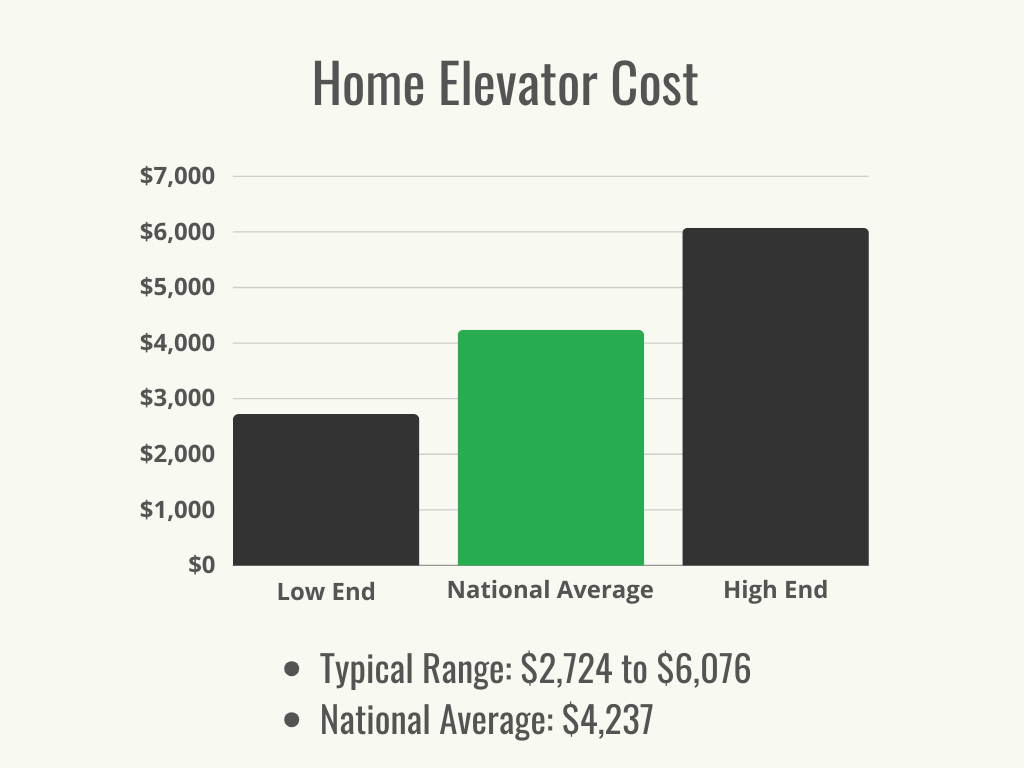
So, how much does a home elevator cost to install? In most U.S. homes, a complete residential elevator project can range from about $20,000 to $80,000 or more, depending on the elevator type, number of floors, structural work, permits, finishes, and local labor rates. Smaller shaftless or compact lifts may cost less, while fully customized hydraulic or traction elevators in remodeled homes can climb past six figures faster than a kid pressing every floor button.
The key is understanding what is included in the quote. Some estimates cover only the elevator equipment. Others include installation, electrical work, shipping, taxes, site preparation, permits, inspections, and finish work. That difference mattersa lot. A “cheap elevator” quote can become an expensive surprise when the contractor starts saying delightful phrases like “new hoistway,” “structural modification,” and “we’ll need an engineer.”
Average Home Elevator Cost
For a typical two-story home, many homeowners should expect to budget between $35,000 and $60,000 for a professionally installed residential elevator. Entry-level installations may start around $20,000 to $30,000 when the layout is simple and the lift is compact. More advanced systems with custom cabs, multiple stops, glass panels, premium doors, or major remodeling can reach $80,000 to $100,000+.
That wide price range exists because “home elevator” is not one single product. A small through-floor lift is very different from a traditional enclosed elevator with a shaft, pit, machine room, cab finishes, and automatic doors. One is a mobility solution. The other is basically a tiny private hotel elevator living inside your house and asking for its own budget line.
Home Elevator Cost by Type
Hydraulic Home Elevators
Hydraulic elevators are common in residential installations because they are smooth, strong, and capable of carrying heavier loads. They use a hydraulic piston system to move the cab between floors. Costs often range from $30,000 to $70,000, depending on the number of stops, cab size, site conditions, and finishes.
The downside is that hydraulic elevators may need more space for equipment, a hoistway, and sometimes a machine room or machine-room-less configuration. They can be a great choice for new construction because the builder can plan the elevator shaft early instead of playing “find a vertical path through the house” later.
Traction or Cable-Driven Elevators
Traction elevators use cables, counterweights, or similar lifting mechanisms. They can be energy efficient and do not always require the same hydraulic equipment setup. Installed costs commonly fall between $35,000 and $80,000, especially if the system serves multiple floors or includes upgraded finishes.
These elevators are often chosen when homeowners want a more traditional elevator experience. They can feel polished and reliable, but they still require careful planning for the shaft, overhead clearance, electrical requirements, and inspections.
Pneumatic Vacuum Elevators
Pneumatic vacuum elevators look futuristic, like something that should come with a robot butler. They use air pressure to move the cab inside a cylindrical tube. These systems are popular because they often require less structural modification than traditional elevators.
Installed costs typically range from about $35,000 to $60,000, though larger or more customized models can cost more. They are a good fit for homeowners who want a compact, visually interesting elevator and do not want a full hoistway built into the home.
Shaftless Home Elevators
Shaftless elevators are compact lifts designed to travel between two floors without a full traditional shaft. Many homeowners choose them for accessibility upgrades because they can fit into tighter spaces, sometimes near a stairwell, bedroom, or living area.
Costs often range from $18,000 to $35,000, depending on model, installation complexity, and safety features. They may be less expensive than traditional elevators because they require less construction, but they are usually limited in travel height, cab size, and number of stops.
Vertical Platform Lifts
A vertical platform lift is not exactly the same as a luxury home elevator, but it can solve a similar accessibility problem. These lifts are often used for wheelchair access over short vertical distances, such as from a garage to a main floor or from a porch to an entryway.
Costs can range from $5,000 to $25,000, depending on height, enclosure, location, and code requirements. For some homes, a platform lift is the practical hero: not glamorous, not dramatic, but very good at its job.
Main Factors That Affect Home Elevator Installation Cost
1. New Construction vs. Retrofit
Installing an elevator during new construction is usually easier and more cost-effective than adding one to an existing home. When the house is being built, the architect can plan the shaft, structural support, electrical needs, and landing areas from the beginning.
A retrofit is more complicated. Contractors may need to remove floors, reframe walls, relocate plumbing or electrical lines, cut through ceilings, or build an exterior shaft addition. Translation: the elevator may be calm and quiet, but the construction phase can be a percussion concert.
2. Number of Floors Served
A two-stop elevator costs less than a three- or four-stop elevator. Each additional stop can increase costs for rails, doors, controls, labor, inspections, and finish work. In many cases, adding another floor can increase the total project by several thousand dollars.
Homeowners should think carefully about where the elevator truly needs to go. Serving the main floor and bedroom level may be enough. Adding a basement or attic stop can be useful, but only if the extra cost makes sense for daily life.
3. Elevator Size and Weight Capacity
A small two-person lift costs less than a wheelchair-accessible elevator with a larger cab and higher weight capacity. Larger elevators may require more structural support, bigger openings, wider doors, and more space at landings.
If the elevator is intended for aging in place, consider future needs. A compact lift may work today, but a wheelchair-accessible cab may be more practical long term. Saving money now is nice; paying twice later is less charming.
4. Site Preparation and Structural Work
Site preparation can be one of the biggest hidden costs in a home elevator project. The elevator itself might be straightforward, but the house may not cooperate. Common preparation costs include building a hoistway, reinforcing floors, adding a pit, adjusting ceiling height, moving utilities, and repairing finishes after installation.
Older homes can be especially unpredictable. Behind one wall may be a perfect elevator location. Behind another may be plumbing, wiring, ductwork, and the ghost of every renovation decision since 1974.
5. Permits, Codes, and Inspections
Residential elevators must meet applicable safety codes, local building rules, and inspection requirements. Permit costs vary by city, county, and state, but homeowners should plan for them from the beginning. Some areas require annual inspections or periodic safety checks after installation.
This is not a good project for “my cousin is handy and owns a ladder.” A home elevator should be installed by qualified professionals who understand residential elevator codes, emergency systems, door locks, clearances, and safety devices.
6. Cab Finishes and Design Options
The basic cab gets you up and down. The upgraded cab makes you feel like you should be holding a tiny espresso. Finish options can include wood paneling, glass walls, stainless steel, custom lighting, decorative flooring, automatic gates, upgraded controls, and designer fixtures.
Cab finishes can add a few thousand dollars or much more. If budget is a concern, spend first on safety, reliability, and layout. Fancy wall panels can wait. Gravity, unfortunately, does not.
7. Electrical Work
Most home elevators require dedicated electrical service, backup power features, lighting, controls, and sometimes phone or emergency communication systems. Electrical costs may range from a few hundred dollars to several thousand, depending on the home’s existing panel and the elevator model.
If your electrical panel is already packed tighter than a holiday airport, upgrades may be needed before installation.
8. Local Labor Rates
Labor costs vary widely across the United States. Homeowners in large metro areas, coastal markets, or regions with high construction demand often pay more for specialized elevator installation and remodeling labor.
Because home elevator installation requires specialized knowledge, it is smart to get multiple quotes from licensed, experienced installers. The lowest bid is not always the best bid. Sometimes it is just the opening scene of a renovation horror story.
Cost Breakdown: Where the Money Goes
A home elevator project usually includes several cost categories:
- Elevator equipment: The cab, rails, drive system, controls, doors, and safety components.
- Installation labor: Professional elevator technicians and contractors.
- Construction work: Hoistway, framing, drywall, trim, flooring, or exterior shaft construction.
- Electrical work: Dedicated circuits, backup power, lighting, and emergency systems.
- Permits and inspections: Required approvals before and after installation.
- Finish upgrades: Custom cab interiors, doors, glass, lighting, and fixtures.
- Maintenance: Annual service, inspections, and repairs over time.
For example, a homeowner adding a shaftless lift between a living room and bedroom might spend around $25,000 if construction is minimal. Another homeowner installing a custom hydraulic elevator in a three-story remodeled home could spend $75,000 to $100,000 once structural work, finishes, permits, and electrical upgrades are included.
Ongoing Costs After Installation
The cost does not end the day the elevator starts moving. Homeowners should budget for annual maintenance, inspections, and possible repairs. A service contract may cost a few hundred to over a thousand dollars per year, depending on the elevator type, local requirements, and provider.
Regular maintenance helps keep the elevator safe, quiet, and reliable. It can also catch small issues before they become expensive problems. Think of it like dental care for your house: not thrilling, but much cheaper than ignoring strange noises.
Does a Home Elevator Add Value?
A home elevator can increase a property’s appeal, especially in luxury markets, multistory homes, retirement-friendly communities, and areas where aging-in-place features are in demand. It may not return 100 percent of its cost at resale, but it can make a home more functional and attractive to buyers who care about accessibility.
The biggest value may be personal rather than financial. If an elevator allows a homeowner to stay in a beloved house longer, avoid moving, or safely access every floor, the return is not just measured in resale math. It is measured in independence, comfort, and not turning the stairs into a daily fitness test nobody signed up for.
Home Elevator vs. Stair Lift: Which Is Cheaper?
A stair lift is usually much cheaper than a home elevator. Straight stair lifts may cost only a few thousand dollars, while curved or custom stair lifts can cost much more. However, stair lifts have limitations. They follow the staircase, may not work well for wheelchair users without transfers, and can change the look and use of the stairs.
A home elevator costs more, but it can carry people, wheelchairs, walkers, laundry, luggage, groceries, and the occasional very spoiled dog. For long-term accessibility, an elevator may be the better investment if the budget and layout allow it.
How to Save Money on a Home Elevator
Choose the Right Type for the Home
Do not pay for a full traditional elevator if a compact shaftless lift solves the problem. On the other hand, do not buy the smallest system if wheelchair access is likely to be needed later. The cheapest option is only cheap if it still works five years from now.
Plan Early
If building a new home or doing a major remodel, plan the elevator before walls are closed. Even if the elevator will be installed later, stacking closets or reserving a future shaft space can save serious money.
Limit Custom Finishes
Standard finishes can look clean and modern without draining the budget. Spend on safe equipment, proper installation, and dependable service before upgrading to luxury materials.
Get Multiple Quotes
Compare at least three quotes when possible. Make sure each quote explains what is included: equipment, installation, construction, permits, electrical work, inspections, taxes, shipping, and maintenance.
Ask About Maintenance Before Buying
A lower installation price may not be a bargain if service is expensive or hard to schedule. Ask about annual maintenance costs, warranty coverage, replacement parts, and local technician availability.
Questions to Ask a Home Elevator Installer
- Is this elevator appropriate for my home’s structure and layout?
- What safety codes and local permits apply?
- Does the quote include construction, electrical work, permits, and inspections?
- How much space is needed at each landing?
- Will the elevator fit a wheelchair or walker if needed later?
- What happens during a power outage?
- How often does the elevator need maintenance?
- What warranty comes with the equipment and installation?
- Are replacement parts readily available?
- Can you provide references from similar residential projects?
Real-World Experience: What Homeowners Learn During a Home Elevator Project
One of the biggest lessons homeowners learn is that a home elevator is not just an appliance. You do not order it like a refrigerator, shove it into a corner, and call it a day. It is a construction project, an accessibility upgrade, a mechanical system, and a design decision all rolled into one very vertical package.
The first experience many homeowners have is sticker shock. They may read a low average cost online and think the project will be simple. Then an installer visits the house and explains that the ideal elevator location has ductwork in the way, the floor needs reinforcement, the electrical panel needs attention, and the upstairs landing is about as spacious as a phone booth. Suddenly, the “average cost” feels more like a polite suggestion than a final answer.
Another common experience is realizing that location matters more than almost anything else. A well-placed elevator can blend naturally into the home and improve daily routines. A poorly placed one can create awkward traffic flow, eat up valuable room space, or require expensive remodeling. Many homeowners find that stacked closets, corners near staircases, or spaces beside garages work best, but every house has its own personality. Some homes are cooperative. Others behave like they were designed by a puzzle maker with a grudge.
Homeowners also learn to think beyond today’s needs. A person installing an elevator for convenience may focus on groceries, luggage, and avoiding stairs after knee surgery. But if the goal is aging in place, the better question is whether the elevator will still work if mobility needs change. Can it fit a wheelchair? Is the doorway wide enough? Are the controls easy to reach? Is there enough turning space at the landing? These details may seem small during planning, but they become very important in real life.
Noise is another practical concern. Modern residential elevators are generally much quieter than people expect, but they are not invisible. The drive system, door operation, and nearby room layout can affect how much sound is noticeable. If the elevator is installed near a bedroom, office, or nursery, ask the installer what to expect. Nobody wants peaceful sleep interrupted by a midnight elevator ride that sounds like a polite robot clearing its throat.
Maintenance is also part of the ownership experience. A home elevator is convenient, but it needs professional attention. Homeowners who schedule regular service tend to have fewer surprises. Those who ignore maintenance may eventually meet the dreaded combination of strange noises, slow movement, and a repair bill with too many digits. Annual service is not the glamorous part of elevator ownership, but it is the part that keeps the system safe and dependable.
Finally, many homeowners say the elevator becomes more useful than expected. It helps with laundry, heavy boxes, holiday decorations, pet carriers, strollers, and guests who struggle with stairs. Even families who install one for accessibility often discover everyday convenience benefits. The elevator starts as a major project, then quietly becomes part of the home’s rhythm.
The best advice from real-world experience is simple: plan carefully, ask detailed questions, budget for the full project, and do not choose based on price alone. A home elevator is too important for guesswork. Done well, it can make a multistory home safer, more comfortable, and more future-ready. Done poorly, it can become the most expensive “oops” in the house.
Conclusion
A home elevator can cost anywhere from about $20,000 to more than $100,000, but many homeowners should expect a realistic installed price between $35,000 and $60,000. The final cost depends on the elevator type, number of floors, home layout, construction work, safety requirements, permits, finishes, and maintenance needs.
The smartest approach is to treat the project as both a home improvement and a long-term accessibility investment. Get detailed quotes, confirm what is included, work with qualified installers, and think carefully about future mobility needs. A residential elevator is not cheap, but for the right home, it can deliver comfort, independence, convenience, and a little everyday luxurywithout needing to wear a velvet robe while riding it.