
There are two kinds of whiteboard drawings in this world: the ones that look like a TED Talk diagram,
and the ones that look like a toddler negotiated a treaty with your dry-erase markers. And honestly?
We love them both.
The prompt “Hey Pandas! Show A Whiteboard Drawing You’ve Drawn!” is the internet’s version of shouting,
“Everybody to the fridge doorshow me your best!” It’s playful, low-stakes, and weirdly wholesome.
Whiteboard drawings sit at the perfect intersection of art, communication, and oops-I-need-to-erase-this-in-ten-minutes.
They’re temporary by nature, which makes them feel brave: you draw, you share, you wipe it away, you live to doodle again.
This article is a guide for what makes whiteboard drawings so satisfying, what people tend to draw,
and how to create something clear (or at least charmingly chaotic) that you’ll actually want to post.
We’ll also cover practical tipslike keeping your board from turning into a ghost-story anthology of old marker stains.
Why Whiteboard Drawings Are a Whole Mood
A whiteboard is basically a public thinking space. Unlike a sketchbook, it’s not private.
Unlike a polished slide deck, it’s not supposed to be perfect. That’s why it works.
Business and design teams often use whiteboards because drawing forces ideas to become visible and testable:
you can point, connect, rearrange, and notice gaps fast. The simple act of “put it on the board” makes fuzzy thoughts behave.
The fun part is that the same logic applies to everything else, tooteaching, planning a family vacation,
explaining a new game, even leaving your roommate a dramatic note like:
“DO NOT EAT THE LEFTOVERS (diagram attached).”
What Counts as a “Whiteboard Drawing”?
Anything you intentionally draw on a dry-erase board qualifies. Yes, even if it’s “just” a doodle in the corner.
Yes, even if it’s a stick figure with a surprisingly emotional posture. Whiteboard drawings typically fall into a few categories:
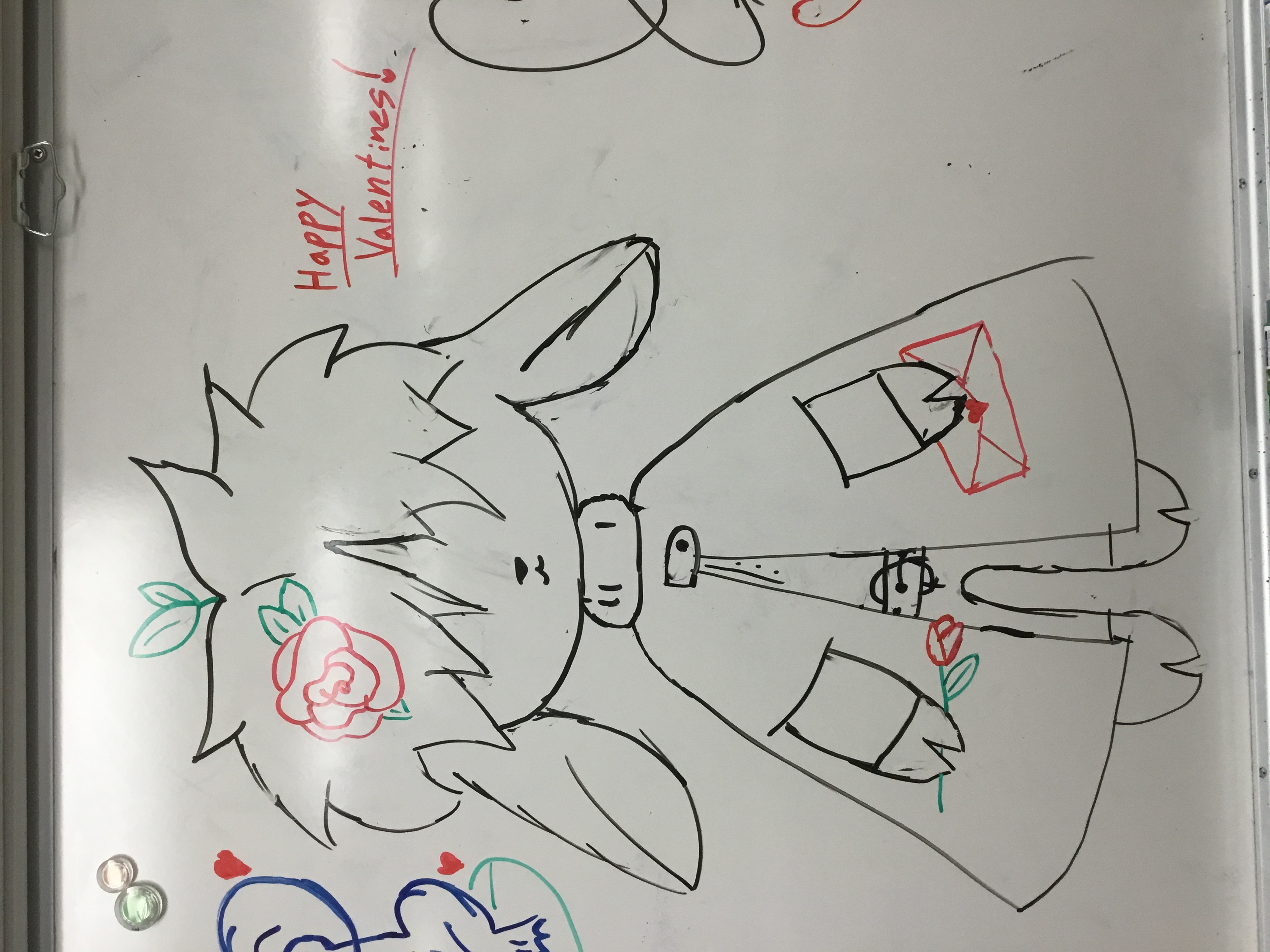
- Doodles & cartoons: characters, comics, goofy animals, memes, tiny faces with huge feelings.
- Explainers: diagrams, flowcharts, “how it works” sketches, quick lessons, step-by-step visuals.
- Planning boards: schedules, workout plans, meal calendars, chore charts, project timelines.
- Brainstorm maps: mind maps, clusters, arrows everywhere, boxes inside boxes, the classic “idea tornado.”
- Sketchnote-style notes: words mixed with icons, banners, arrows, and little visual anchors.
And here’s the secret: the internet doesn’t demand perfection. It wants clarity, personality, and proof a human made this.
A slightly wobbly line is basically a signature.
How to Make Your Whiteboard Drawing Look Good (Even If You “Can’t Draw”)
“I can’t draw” usually means “I haven’t practiced drawing the simple version of things.”
Whiteboard drawings are perfect for simple versions. You don’t need gallery-level realism.
You need readable shapes, bold lines, and a layout that makes sense from six feet away.
1) Start with big shapes, not details
Draw the largest forms first: circles, rectangles, triangles, stick bodies, big speech bubbles.
Details are dessert. You don’t bake dessert first and then try to build a cake around it.
2) Use thick outlines (your future camera will thank you)
If you’re going to photograph your board, thicker lines show up better. Outline the main subject in a darker color,
then add lighter colors inside. If you only have one color, outline twice. Confidence is mostly just repeated lines.
3) Lettering matters more than you think
A funny drawing with unreadable text becomes a riddle. Use print lettering for anything important.
Keep titles at the top. Give labels breathing room. Pretend your drawing is applying for a driver’s license:
it needs to be recognizable in a terrible photo.
4) Build a simple “visual vocabulary”
The easiest way to level up is to reuse a handful of icons: a lightbulb for ideas, a star for highlights,
arrows for flow, checkmarks for done, a cloud for “maybe,” a warning triangle for “do not attempt.”
Suddenly your board looks intentional, even if your actual intent was “survive Monday.”
10 Whiteboard Drawing Ideas That People Actually Love to Share
If you’re staring at a blank board like it owes you money, try one of these. They’re built for quick wins and high charm.
1) The “today’s mood” character
A simple face or creature with an exaggerated emotion. Add a caption like “ENERGY: 2%” or “SOCIAL BATTERY: CRITICAL.”
Bonus points for eyebrows that look like they have opinions.
2) A mini comic strip (3 panels max)
Whiteboards are made for quick storytelling. Keep the drawings simple and let the joke do the work.
Three panels is the sweet spot: setup, escalation, punchline.
3) The “explainer diagram” of something silly
Make a serious-looking diagram of an unserious topic: “How My Cat Runs a Meeting,” “The Lifecycle of a Snack,”
or “A Flowchart for Whether I Should Reply to This Email.”
4) The snack tier list
Draw a basic ranking grid and let people argue peacefully with dry-erase markers.
It’s community building, but with pretzels.
5) The “two truths and a lie” board
Write three statements, add tiny doodles next to each, and let the room guess.
Great for classrooms, teams, and families who enjoy low-drama chaos.
6) A pet portrait (cartoon style)
Start with a big head shape, add signature features (ears, whiskers, that one eyebrow that judges you).
Label it with your pet’s “job title,” like “Director of Barking at Leaves.”
7) A “before and after” transformation
Draw a simple two-column comparison: “Me before coffee” vs. “Me after coffee,”
“My inbox at 9am” vs. “My inbox at 5pm,” “Plans” vs. “Reality.”
8) A map of an imaginary place
A treasure island, a fantasy town, a “kingdom of chores.” Maps forgive imperfect drawing because
they’re supposed to look hand-made. Add landmarks with funny names and call it worldbuilding.
9) The “one-minute tutorial” board
Teach something quickly: how to fold a fitted sheet (good luck), how to make a perfect omelet,
or how to remember a simple math trick. Diagrams make lessons feel approachable.
10) The gratitude board (but make it fun)
Draw a jar and fill it with small notes: “sunny weather,” “a good playlist,” “pants with pockets.”
It’s sweet without being cheesyunless you add a doodle of cheese, which is allowed.
How to Photograph Your Whiteboard Drawing So It Doesn’t Look Like a UFO Sighting
A whiteboard is basically a mirror that also holds your thoughts hostage. Lighting matters.
Use these quick fixes:
- Go sideways with the light: Stand so overhead lights don’t reflect directly into the camera.
- Use natural light if possible: A window nearby often beats harsh fluorescents.
- Step back and zoom slightly: It reduces distortion and keeps the board rectangular.
- Clean smudges first: Old haze can make new ink look faint and sad.
- Take two versions: One full-board shot, one close-up of details or your favorite corner.
Keeping Your Board Clean: The Unsexy Secret to Great Whiteboard Art
Whiteboard “ghosting” is when old marker residue hangs around like a stubborn plotline in a bad sequel.
Over time, residue builds up from ink, oils, and repeated erasing. The fix is usually simple maintenance:
wipe regularly, deep clean occasionally, and use the right materials.
Daily habits that prevent ghosting
- Erase gently: Aggressive scrubbing can wear the surface over time.
- Use a microfiber cloth: It lifts residue better than a tired eraser that’s seen too much.
- Don’t let ink “camp out” for weeks: The longer it sits, the more likely it stains.
Deep-clean options (when the board looks haunted)
Many whiteboard brands recommend a dedicated whiteboard cleaner and a soft cloth for stubborn marks.
If residue remains, some guidance suggests using a small amount of rubbing alcohol on a soft towelsparingly
then wiping clean. Always follow your board manufacturer’s care instructions, and test a small corner if you’re unsure.
The one rule you should tattoo on your soul: don’t use permanent markers
It sounds obvious until it happens to you. If your workplace or classroom has both marker types nearby,
consider storing permanent markers far away from the board. Protect your peace.
Whiteboard Drawing Etiquette (A.K.A. How Not to Become “That Person”)
Whiteboards are shared spaces. Even if you’re drawing a masterpiece, be kind to the next human who needs that board.
- Leave space: Don’t take the whole board unless you’re invited to.
- Label what matters: If it’s a plan or a schedule, include dates and context.
- Ask before you erase: Erasing someone’s work is the quietest way to start a feud.
- Keep it friendly: If your drawing is for a community prompt, assume a mixed audience.
Why This Prompt Works So Well Online
“Hey Pandas!” prompts feel like digital show-and-tell. They invite imperfect creativity, which is the best kind
because it’s repeatable. People aren’t competing for the “best” drawing; they’re sharing moments:
a doodle from a slow shift, a diagram from a study session, a comic from a teenager’s bedroom door,
a holiday countdown, a joke left for a partner to find in the morning.
That’s the magic: whiteboard drawings are temporary, but the reaction is real. You’re not just posting “art.”
You’re posting evidence that you were here, you had a thought, and you were brave enough to draw it in public.
Extra: of Real-World Whiteboard Drawing Experiences
If you ask people about whiteboard drawings, the stories tend to sound oddly similar: “We didn’t mean to get artistic…
and then we did.” In classrooms, whiteboards often become permission slips for participation. A student who’s quiet during
discussion might be the first one to pick up a marker and sketch a concept map. The board lowers the stakes because it’s
erasable; mistakes don’t feel permanent, and that alone can make someone more willing to try. Teachers often describe
small-group whiteboarding as a way to turn abstract ideas into something visiblearrows, quick graphs, labeled stick figures
and suddenly the room feels less like a lecture and more like a workshop.
In offices, the “whiteboard moment” is when a conversation stops looping and starts landing. Someone draws a box,
adds two arrows, and the team collectively goes, “Ohhhh.” It’s not that the drawing is beautiful; it’s that it makes the
idea shareable. People will photograph the board, circle the key piece, and thenthis is crucialargue about it in a more
productive way because they’re looking at the same thing. Even in remote work, virtual whiteboards try to recreate that
feeling: quick shapes, sticky notes, arrows, and a sense that ideas are objects you can move around instead of vibes you
can only describe.
At home, whiteboards become tiny stages for daily life. Some people turn them into meal planners with doodled ingredients
(a suspiciously cheerful onion, a broccoli that looks like it’s waving). Others keep a family “scoreboard” for chores,
workouts, or reading minutes, complete with cartoon trophies and dramatic “FINAL BOSS” labels for laundry. Couples sometimes
leave each other notes that mix sweetness with comedy: a heart, a terrible pun, and a drawing of the dog looking guilty.
And then there are the whiteboards that become a running jokean ever-changing doodle in the corner that slowly evolves
into a character with a backstory. The board becomes a shared language.
The most relatable experience might be the accidental masterpiece: you draw a quick doodle during a phone call, step back,
and realize it’s actually… good? That moment is delightful because it feels like you discovered a hidden skill in your own
hands. You start adding small improvementsthicker outlines, a shadow, a captionand suddenly you’ve created something that
makes other people smile. And because it’s a whiteboard, you’re free to try again tomorrow. If it flops, erase it. If it
works, snap a photo, post it, and join the giant, friendly tradition of people saying: “Here’s what I drewbe nice.”
Conclusion: Your Marker, Your Moment
A whiteboard drawing doesn’t have to be perfect to be worth sharing. In fact, the charm is often in the honesty:
the smudged edge where you changed your mind, the wobbly line that still communicates the idea, the tiny doodle that makes
a meeting feel human. Whether you’re posting for “Hey Pandas!” or just upgrading your everyday board, aim for clarity,
personality, and a little fun. The best whiteboard drawings don’t just show what you can drawthey show how you think.