
Protein has become the superstar of grocery packaging. It’s splashed across yogurt cups, snack bars, cereals, and even water bottles.
But when you have your heart health to think about, the question isn’t just “Am I getting enough protein?” it’s “Am I getting the right kind of protein, in the right amount, for my heart?”
The good news: you don’t have to choose between protecting your heart and keeping your muscles. With a few smart swaps and a focus on quality over quantity, heart-healthy protein can fit easily into your everyday meals.
Why Your Heart Cares About Protein
Protein is made of amino acids, the building blocks your body uses to repair tissues, support immune function,
and maintain lean muscle mass. That matters for heart health because strong muscles help you stay active,
manage your weight, and control blood sugar all key pieces of cardiovascular health.
The tricky part isn’t whether protein is “good” or “bad.” It’s that protein never travels alone.
It usually shows up in a package: steak comes with saturated fat; lentils come with fiber; salmon brings omega-3s.
Those “extras” are what move your risk for heart disease up or down.
How Much Protein Do You Really Need?
For most healthy adults, the general guideline is around 0.8 grams of protein per kilogram of body weight per day.
That’s roughly 55–60 grams per day for a 150-pound person. Some people older adults, very active folks, or those recovering from illness may benefit from a bit more, often in the range of 1.0–1.2 grams per kilogram.
But more isn’t always better. Very high intakes (for example, around 1.8 grams per kilogram and above) have been linked in newer research to a higher risk of major cardiovascular events, especially in adults over 55.
The takeaway: prioritize enough protein and the right sources, not a “more is always better” mentality.
The Best Heart-Healthy Protein Sources
Let’s break down the protein options that tend to support a healthier heart and lower cardiovascular risk.
1. Plant Proteins: The Everyday MVPs
If heart-healthy protein had an all-star team, plant proteins would be the starting lineup.
Beans, lentils, peas, tofu, tempeh, edamame, nuts, seeds, and whole grains do more than provide protein
they bring fiber, antioxidants, potassium, and healthy fats to the table.
- Legumes (beans, lentils, chickpeas): High in protein and soluble fiber that can help lower LDL (“bad”) cholesterol.
- Soy foods (tofu, tempeh, edamame, soy milk): Linked with better cholesterol profiles and improved cardiometabolic health.
- Nuts and seeds (walnuts, almonds, chia, flax): Provide protein plus unsaturated fats that can support healthier blood lipids.
- Whole grains (quinoa, farro, barley): Not protein powerhouses on their own, but they contribute to your daily total and pair well with legumes for complete proteins.
Large studies of plant-forward and vegetarian eating patterns consistently show lower rates of heart disease and improved cholesterol levels compared with typical Western diets.
It’s not magic it’s the combination of protein, fiber, and fewer saturated fats working together.
2. Fish and Seafood: Protein with Omega-3 Perks
Fatty fish is the overachiever of heart-healthy protein. Salmon, sardines, mackerel, trout, and herring provide:
- High-quality protein
- Omega-3 fatty acids, which help reduce triglycerides, support healthy heart rhythm, and may lower inflammation
Heart organizations typically recommend eating fish, especially fatty fish, at least twice per week as part of a heart-healthy pattern.
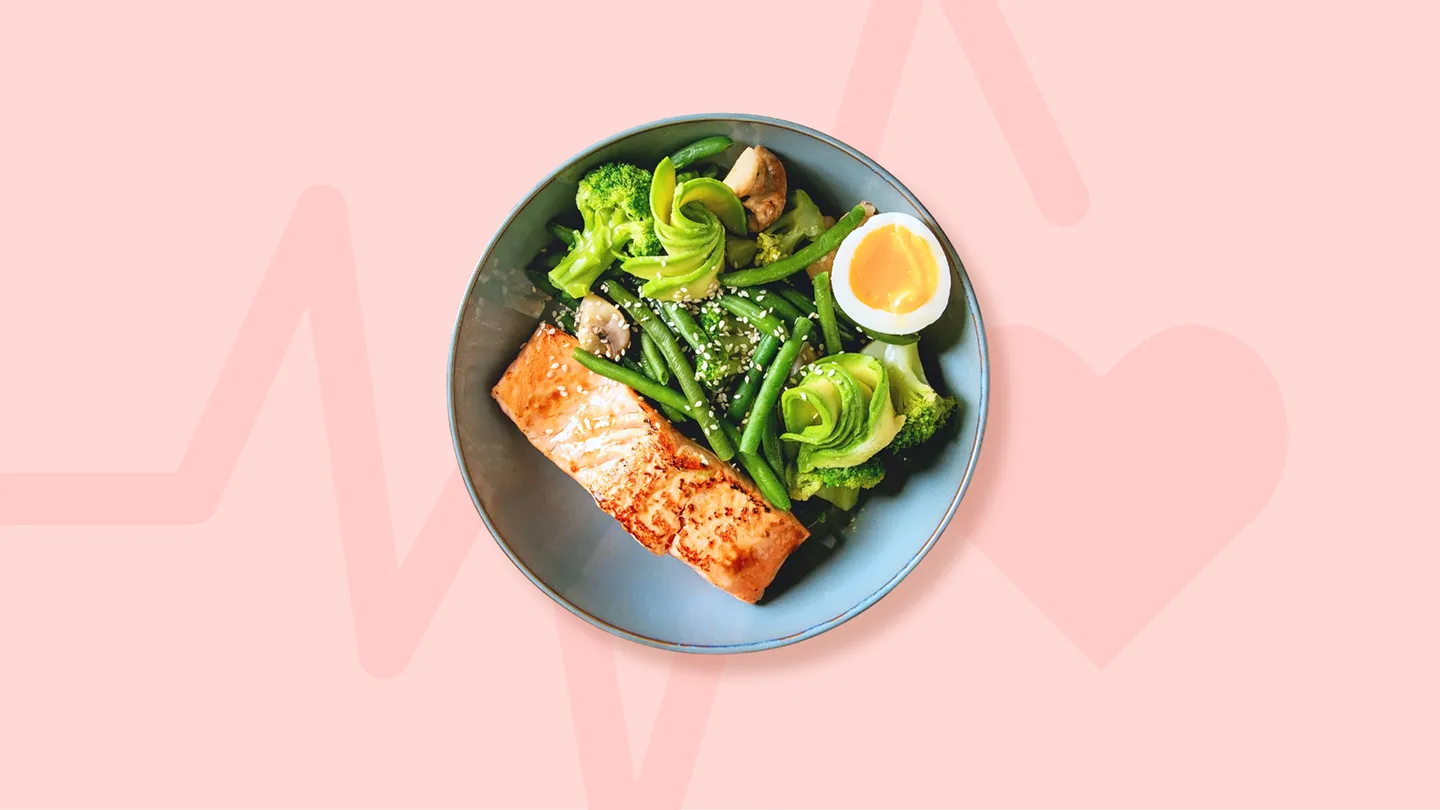
Grilled salmon, tuna in water, or trout baked with herbs offer a big cardiovascular bang for your protein buck.
3. Poultry and Eggs: “Better, Not Perfect” Choices
Skinless poultry (like chicken or turkey breast) can be a heart-friendlier option than marbled red meat because it tends to be lower in saturated fat.
When you bake, grill, or poach instead of frying, you keep added fats in check too.
Eggs used to get a bad reputation because of cholesterol, but current guidance is more nuanced. For most people,
moderate egg intake can fit into a heart-healthy diet, especially when the rest of your pattern is rich in plants and low in saturated fat.
Scrambled eggs with spinach and tomatoes cooked in a small amount of oil will always beat a massive bacon-cheese-butter situation.
4. Dairy: Keep It Low-Fat and Simple
Dairy foods contribute protein, calcium, and other nutrients. For heart health, low-fat or fat-free options generally get the nod over full-fat versions,
which contain more saturated fat. Think:
- Low-fat or nonfat yogurt (especially plain, unsweetened)
- Part-skim cheese in modest portions
- Skim or 1% milk, or fortified unsweetened plant milks
A small sprinkle of cheese for flavor? Totally reasonable. Half a block of extra-sharp cheddar every night on crackers? Your arteries might file a complaint.
Proteins to Limit for a Healthier Heart
Some proteins are more “once in a while” than “everyday.” The goal isn’t perfection it’s nudging your usual choices in a better direction.
1. Red Meat: Rethink the Center-of-the-Plate Steak
Red meat (beef, pork, lamb) can provide protein, iron, and vitamin B12, but frequent, high intake especially of fatty cuts
has been associated with higher risk of heart disease and stroke in long-term studies. Processed red meats seem to be even more strongly linked with risk.
That doesn’t mean you can never eat a burger again. It means:
- Choose lean cuts (look for “loin” or “round” on the label).
- Limit portions think 3–4 ounces, not a 16-ounce steak.
- Have red meat less often, and rotate in fish, beans, or poultry instead.
Many experts suggest keeping red meat to no more than about 1–2 servings per week and skipping processed meats when you can.
2. Processed Meats: The “Special Occasion” Category
Bacon, sausage, hot dogs, deli meat, and pepperoni are the life of the brunch or pizza party and unfortunately, not so great for your blood vessels.
They often bring a combo of saturated fat, sodium, preservatives, and compounds formed during processing that have been linked to higher risks of heart disease and other chronic conditions.
If you love them, treat them as true “sometimes” foods. For daily sandwiches, consider:
- Leftover grilled chicken breast, sliced thin
- Hummus with sliced veggies
- Mashed chickpea salad with herbs and olive oil
3. Ultra-Processed “Plant-Based” Meats: Read the Fine Print
Here’s a plot twist: not all plant-based meats are automatically heart-healthy. Some heavily processed veggie burgers, nuggets, and sausages are high in sodium, refined oils, and additives.
They may still be useful as transitional foods or occasional options, but they shouldn’t crowd out whole foods like beans, lentils, tofu, and vegetables.
Quick label check: if the ingredient list reads like a short recipe you could make at home, that’s usually a better sign than a paragraph of unpronounceable additives.
Putting Heart-Healthy Protein on Your Plate
Knowing which proteins are heart-healthy is one thing. Getting them into meals when you’re hungry, busy, and staring into the fridge at 7 p.m. is another.
Here are simple ways to make heart-smart protein choices actually happen.
Build a Heart-Smart Plate
A helpful visual is the “balanced plate” approach:
- Half your plate: Vegetables and fruits (fresh, frozen, or canned in water).
- One-quarter of your plate: Whole grains (brown rice, quinoa, whole-wheat pasta, farro).
- One-quarter of your plate: Heart-healthy protein (beans, lentils, tofu, fish, or lean poultry).
- Plus: A little healthy fat (olive oil, avocado, nuts, seeds).
This pattern echoes Mediterranean-style and other heart-healthy dietary patterns that have been shown to reduce cardiovascular risk.
Easy Heart-Healthy Protein Swaps
- Instead of bacon and eggs every morning, try scrambled eggs with spinach and black beans, or Greek yogurt with berries and walnuts.
- Instead of a double cheeseburger, try a grilled salmon or turkey burger on a whole-grain bun with a side salad.
- Instead of steak three nights a week, try one steak night, one bean chili night, and one baked fish night.
- Instead of deli meat sandwiches every day, try hummus with roasted veggies or leftover roasted chicken breast.
These swaps still deliver plenty of protein but shift the overall “nutrient package” in a more heart-protective direction.
Special Considerations: Age, Kidneys, and Medical Conditions
Protein needs aren’t one-size-fits-all, especially when you factor in age and health conditions.
Older Adults: Balancing Muscle and Heart Health
As people age, they naturally lose muscle mass, which makes adequate protein important for staying strong, steady on your feet, and independent.
Many older adults actually don’t get enough protein, especially if their appetite is smaller.
At the same time, very high-protein diets especially from red and processed meats may increase cardiovascular risk in older adults.
A smart middle ground is to aim for moderate protein (often around 1.0–1.2 grams per kilogram of body weight) and focus on heart-healthy sources like fish, beans, lentils, tofu, and low-fat dairy.
Kidney Disease, Diabetes, and High Blood Pressure
If you have kidney disease, your provider may limit your protein intake to reduce strain on the kidneys.
In diabetes and high blood pressure, protein choices often matter as much as total amount: plant proteins and fish can support better blood pressure, cholesterol, and blood sugar control.
Bottom line: if you have chronic conditions, talk with your healthcare team or a registered dietitian before jumping on any “high-protein” trend. Your heart and your kidneys will thank you.
Lessons from Real Life: Experiences with Heart-Healthy Protein
The science is important, but most of us live in the real world of rushed breakfasts, takeout menus, and family food preferences.
Here are some composite “stories” that reflect what often happens when people tweak their protein choices for heart health.
Case 1: The Nightly Steak Lover
Imagine Mark, 58, who grew up in a “meat and potatoes” household. Steak was his love language. By his late 50s, his cholesterol was climbing,
his blood pressure wasn’t ideal, and his doctor suggested cutting back on red meat. Mark’s first reaction: “So… salad forever?”
Instead of going from ribeye to rabbit food overnight, he started with small changes:
- He kept a weekly steak night, but chose leaner cuts and smaller portions.
- He added a bean-based chili one night a week, using extra beans and just a little ground turkey.
- He swapped one steak dinner for baked salmon with roasted veggies.
Within a few months, he noticed he wasn’t as sluggish after dinner, and his follow-up labs showed improved LDL cholesterol and triglycerides.
He still enjoyed steak just not every night and didn’t feel deprived because he’d built satisfying alternatives into his routine.
Case 2: The “Accidental” Plant-Forward Eater
Now picture Maria, 45, a busy professional who rarely had time to cook. Her lunches were usually fast-food chicken sandwiches or deli subs.
After a borderline-high cholesterol reading, she didn’t want a complex diet plan she just wanted something easy she could stick to.
She started by focusing on one meal: lunch. A few practical tweaks made a difference:
- Ordering a grain bowl with beans, veggies, and a little grilled chicken instead of a fried-chicken combo.
- Keeping shelf-stable lentil and bean soups at her desk for emergency lunches.
- Trying pre-seasoned tofu and frozen veggie stir-fry kits at home once a week.
Over time, her lunches became mostly plant-forward, with heart-healthy protein coming from beans, lentils, and tofu,
plus occasional fish or poultry. She felt less weighed down after eating and noticed more stable afternoon energy,
which made those back-to-back meetings slightly more bearable.
Case 3: Family-Friendly Changes
Finally, consider a family with kids who are suspicious of anything that looks “healthy.”
Their go-to dinners were pasta with sausage, pepperoni pizza, and burgers. The parents wanted to improve everyone’s heart health without launching a revolt at the dinner table.
They used a “half-and-half” strategy:
- Mixing lean ground turkey and finely chopped mushrooms into burger patties and taco meat.
- Making pizza night at home with whole-wheat crust, part-skim cheese, and extra veggies, and using turkey pepperoni in smaller amounts.
- Serving bean-and-cheese quesadillas with a side of salsa and avocado instead of always using meat.
The kids barely noticed the changes or they got used to them quickly and the whole family ended up eating less processed meat and more plant-based protein without a big “diet” announcement.
These experiences highlight a reassuring truth: heart-healthy protein doesn’t require perfection or complicated rules.
Small, consistent shifts in the source and amount of protein add up over time. You don’t have to become vegan or give up every favorite food;
you just tilt the balance toward plants, fish, and lean options more often.
The Bottom Line
Protein is essential but for heart health, it’s the package that counts. Diets centered on plant proteins, fish, and other lean options are consistently linked to lower cardiovascular risk,
while heavy reliance on red and processed meats and ultra-processed foods pushes risk in the wrong direction.
Aim for moderate protein tailored to your body size and health needs. Let beans, lentils, tofu, nuts, seeds, fish, and lean poultry do most of the heavy lifting.
Keep red meat small and occasional, processed meats rare, and watch out for ultra-processed “fake healthy” products.
Your heart doesn’t need perfection. It needs patterns. If most of your meals most of the time feature heart-healthy protein, plenty of plants, and reasonable portions,
you’re already doing a lot to protect your cardiovascular future one plate at a time.