
Some food sites make you feel like you need a culinary degree, a ring light, and three kinds of imported salt just to make dinner. Foodieaholic goes in a different direction. It feels more like a warm kitchen, a practical grocery list, and a friend who says, “You can absolutely make something delicious tonight without turning your house into a reality cooking show.” That is part of its charm, and honestly, part of its genius.
At its core, Foodieaholic is a food-first brand built for people who love to eat well but still live in the real world. You know, the world where kids are hungry now, grocery prices exist, leftovers are not a moral failure, and holiday entertaining sounds fun right up until you remember you still need to wash the serving tray. Foodieaholic speaks to that world with a style that feels approachable, upbeat, and memory-driven rather than fussy or overly precious.
The name itself is catchy for a reason. “Foodie” signals curiosity, joy, and a genuine love of good food. “Aholic” adds a playful sense of obsession. Put them together and you get a brand identity that says, “Yes, I care about flavor, but I also want my recipe to work on a Wednesday.” That combination is why the Foodieaholic concept feels so sticky. It is not just about recipes. It is about turning everyday cooking into something worth looking forward to.
What Is Foodieaholic, Exactly?
Foodieaholic is a recipe and entertaining destination created by Justin and Cassity, the same creative duo behind Remodelaholic. The site positions itself around easy, memorable food for families on a budget, and that mission tells you almost everything you need to know. This is not a chef’s ego project. It is a home-cook brand built around flavor, convenience, fun, and the emotional power of shared meals.
That mission matters because it reflects how many Americans actually cook. Most people are not looking for recipes that require six hours, a specialty torch, and the patience of a monk. They want dependable dishes that can carry a busy weeknight, brighten up a holiday table, or give brunch enough personality to earn a second cup of coffee. Foodieaholic leans into those needs with content categories that feel practical and inviting: appetizers, breakfast, dinner, side dishes, soups, salads, desserts, beverages, entertaining, and kitchen tips.
Just as important, the brand is built around the idea of food memories. That phrase gives Foodieaholic emotional depth. A truly memorable food brand does not just teach you how to cook. It helps you remember your grandmother’s holiday table, your dad’s favorite weekend breakfast, your first successful casserole, or the snack board that somehow became the star of the party. Foodieaholic understands that people do not merely consume recipes. They remember them, repeat them, and eventually make them part of family lore.
Why the Foodieaholic Brand Works So Well
It puts real life ahead of kitchen performance
One reason Foodieaholic works is that it feels grounded in ordinary life. Its content naturally supports the way people actually cook at home: quick pasta dinners, breakfast twists, slow-cooker sides, shareable appetizers, and festive holiday boards that look impressive without demanding impossible effort. That is a winning formula because home cooks want ideas that are exciting enough to feel special but simple enough to pull off before everyone starts asking what is for dinner every nine minutes.
It makes entertaining feel doable
There is a huge difference between “beautiful food” and “food people can realistically make.” Foodieaholic is strongest when it closes that gap. Charcuterie boards, dessert boards, holiday wreath platters, and sweet seasonal treats all deliver visual appeal, but they also feel achievable. That is a big deal in today’s content landscape. Readers want food that photographs well, yes, but they also want it to survive contact with actual life. A festive appetizer board is much more appealing when it feels like a joyful shortcut instead of a Pinterest punishment.
It respects the budget without sounding cheap
Budget cooking can sometimes sound like a lecture. Foodieaholic avoids that trap by focusing on value, not deprivation. The vibe is not “sacrifice everything and boil another sad pot of noodles.” The vibe is “make food that tastes good, stretches well, and still feels like a treat.” That is a much smarter editorial position. It respects readers’ wallets while still respecting their taste buds. Frankly, that is the culinary equivalent of finding jeans with real pockets: practical, rare, and deeply appreciated.
It understands that food is emotional
Some recipe sites are technically useful but emotionally flat. Foodieaholic has a warmer pulse. Its best angle is not merely convenience or presentation, but the relationship between food and memory. That makes the content feel more personal. A quick dinner can still be meaningful. A make-ahead dessert can still become a family tradition. A slow-cooker side dish can still become “the potatoes everyone asks for.” Foodieaholic thrives in that lane because it treats food as both utility and experience.
How Foodieaholic Fits Modern American Home Cooking
Foodieaholic makes sense because it aligns with what modern home cooks increasingly want: dependable recipes, flexible meal ideas, better leftovers, easier hosting, and a little culinary fun without unnecessary drama. In the broader U.S. recipe ecosystem, strong food brands tend to succeed when they combine flavor with real-life usability. In other words, readers want inspiration, but they also want a plan.
That is where Foodieaholic has room to shine. Its content naturally sits at the intersection of several winning trends. First, people still want easy family meals that do not feel boring. Second, entertaining content continues to perform well because readers are always hunting for stress-free ways to host. Third, budget-friendly cooking remains essential. And fourth, recipes that support meal prep, freezer planning, or strategic leftovers have obvious long-term value because they help reduce waste and stretch time.
There is also a practical side to the Foodieaholic mindset: food should be enjoyable, but it should also be manageable and safe. Smart home cooks cool leftovers promptly, store food correctly, and make freezer-friendly meals that can be reused later instead of forgotten behind the mustard graveyard in the refrigerator. A food brand that celebrates comfort and convenience should absolutely make room for those realities, because the best meal is not just the one that tastes good tonight. It is the one that still makes sense tomorrow.
That practical, memory-rich balance is why Foodieaholic feels current. It does not chase food culture only through trends. It connects trends to home life. A viral biscuit recipe is fun. A holiday board is fun. A turkey pasta that solves dinner is fun. But the real win is when those dishes become part of someone’s actual routine rather than just another saved tab that disappears into the internet void.
The Signature Content Pillars of a True Foodieaholic
1. Weeknight winners
The heart of any practical food brand is dinner. Foodieaholic works best when it helps readers answer the nightly question of what to cook without causing a minor identity crisis. Recipes like quick pasta dishes, easy casseroles, and slow-cooker sides are the backbone of everyday relevance. These are not meals meant to impress judges. They are meals meant to rescue evenings.
2. Breakfast and brunch with personality
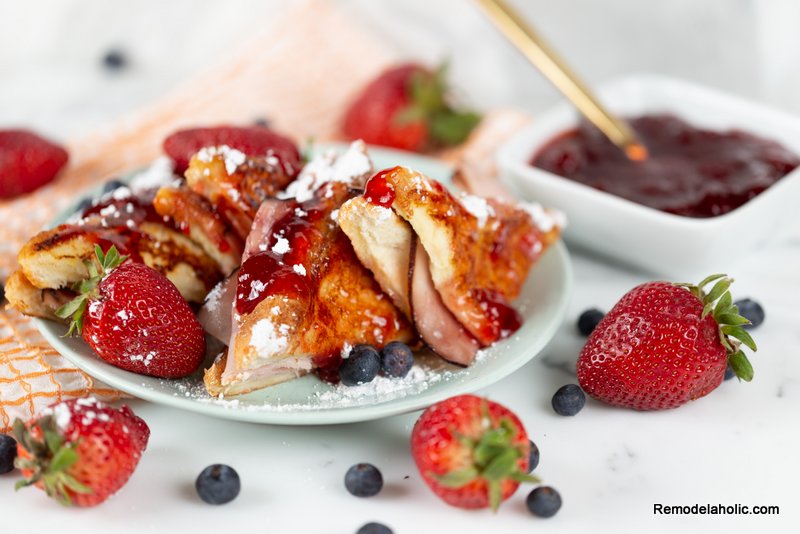
Foodieaholic also benefits from playful breakfast content. A savory French toast twist or an easy pastry recipe does something wonderful for a food brand: it expands the emotional range. Dinner may be practical, but breakfast can be cheerful. Brunch can be cozy. A strong food site should know how to solve a busy Tuesday night and how to make Sunday morning feel a little less rushed and a lot more delicious.
3. Entertaining without panic
One of the site’s most marketable strengths is entertaining content. Charcuterie boards, dessert boards, party snacks, and holiday centerpieces all tap into the same desire: people want gatherings to feel special without becoming exhausting. That is a sweet spot. Foodieaholic can serve readers who want the table to look festive while still protecting their sanity, which is arguably the most important hosting hack of all.
4. Seasonal and holiday food
Holiday content is where memory-driven brands really come alive. People do not just search for “dessert board ideas” or “Thanksgiving appetizer.” They search for traditions in progress. They want a recipe that feels festive enough to become part of the annual ritual. Foodieaholic is smart to lean into Christmas, Easter, Halloween, St. Patrick’s Day, and other seasonal moments because those are exactly the times when readers are most eager to blend convenience with celebration.
5. Make-ahead meals and smart leftovers
This pillar is quietly powerful. Make-ahead meals, freezer strategies, and leftover-friendly recipes are not flashy, but they are deeply useful. And usefulness builds loyalty. When a site helps a reader cook once and eat twice, save money, reduce waste, or simplify an overloaded week, it earns more than a click. It earns trust. Foodieaholic has a natural advantage here because its family-focused, budget-aware identity already supports that kind of content.
What Makes Foodieaholic Different From Generic Recipe Blogs
A generic recipe blog often has content. Foodieaholic has a point of view. That difference matters.
The point of view is this: food should be flavorful, accessible, family-friendly, and worth remembering. That sounds simple, but it creates editorial clarity. It means the brand is not trying to do everything for everyone. It is not pretending to be a luxury dining magazine, a hardcore nutrition database, or a strictly technical culinary manual. It is choosing a lane that many readers actually need: tasty home cooking with personality.
It also benefits from its relationship to the broader Remodelaholic universe. That crossover makes sense because the same people who care about their homes often care about the way food functions inside those homes. The overlap between decorating, gathering, hosting, and feeding people is not accidental. It is lifestyle logic. A beautiful kitchen, a well-set table, and a reliable dinner recipe all belong to the same ecosystem of everyday living.
And perhaps most importantly, Foodieaholic sounds human. That may be its biggest competitive advantage. Readers can get recipes almost anywhere. What they return for is tone, trust, and the feeling that someone on the other side of the screen understands what it means to cook for real people with real schedules and real appetites.
Why Readers Keep Coming Back
People return to a food site for one main reason: it keeps making their lives easier and tastier at the same time. Foodieaholic has the ingredients to do exactly that. It offers food that feels warm rather than rigid, creative rather than chaotic, and appealing without becoming intimidating.
That is a rare balance. Some brands are useful but dull. Others are exciting but exhausting. Foodieaholic has the potential to sit in the best middle ground: recipes and entertaining ideas that feel aspirational enough to be fun, but practical enough to become repeat habits. That is the sweet spot of modern home cooking content.
In the end, Foodieaholic is not just a catchy title. It is a mindset. It is for the person who loves a good dinner shortcut, a holiday snack board, a nostalgic dessert, a clever breakfast twist, and the kind of meal that turns into a family story. It is for people who understand that food is not background noise. It is part of the memory-making machinery of life. And that, quite frankly, is a delicious place to build a brand.
500 More Words on the Foodieaholic Experience
To understand the full Foodieaholic experience, you have to imagine more than a recipe card. You have to imagine a kitchen with movement. A grocery bag hits the counter. Someone is looking for the shredded cheese. Somebody else is “just checking” the dip with a tortilla chip that somehow becomes six tortilla chips. A pan warms up. The house starts to smell like garlic, cinnamon, roasted potatoes, or bubbling cheese, and suddenly dinner is not just another item on the to-do list. It is an event, even if it is a small one.
That is what being a Foodieaholic feels like. It is not culinary perfection. It is culinary enthusiasm. It is the thrill of finding a recipe that looks festive but does not require a second mortgage. It is opening the fridge and seeing leftovers not as a burden, but as tomorrow’s victory lap. It is laughing when the charcuterie board comes out better than expected and taking a photo before the crackers disappear at record speed. It is also accepting that sometimes the “styled serving platter” is actually just the cleanest large board you could grab in time. No judgment. That is real home cooking.
The experience is also deeply tied to memory. Certain meals do that magical thing where they become bookmarks in your personal history. A breakfast bake made on a snowy morning. A Thanksgiving appetizer that made everyone hover in the kitchen instead of the living room. A weeknight pasta that became the fallback favorite because nobody complained when it showed up again. Foodieaholic lives in that space where recipes stop being instructions and start becoming traditions.
There is also a quiet confidence in the Foodieaholic approach. It says you do not need to be fancy to be fantastic. You do not need to plate dinner like a chef whisperer. You need a handful of dependable ideas, a few ingredients that punch above their weight, and the willingness to try. Maybe the first version is not perfect. Maybe the pastry browns a little too much on one edge. Maybe the party board looks less “editorial feature” and more “joyful abundance with a minor cheese avalanche.” That is okay. In fact, that is part of the appeal. Foodieaholic is not about sterile perfection. It is about edible happiness.
And then there is the rhythm of it all. Planning, shopping, chopping, tasting, serving, storing, repeating. That rhythm can turn a chaotic week into something surprisingly grounded. A good food habit brings structure without feeling rigid. It helps you host without panic, feed people without boredom, and stretch your budget without sacrificing pleasure. That is why the Foodieaholic idea works so well. It respects both appetite and reality.
In the best version of the experience, food becomes the connective tissue of the day. Breakfast softens the morning. Dinner resets the evening. Dessert turns an ordinary night into a small celebration. A snack board welcomes guests without requiring a full production schedule. Even leftovers tell a story: yesterday’s good decision helping out today’s tired self. That is not just smart cooking. That is lifestyle design with better seasoning.
So yes, being a Foodieaholic means loving food. But more than that, it means loving what food does. It gathers people. It saves evenings. It creates stories. It carries memory. It makes the house smell like something worth coming home to. And if a recipe can do all that while staying budget-friendly and achievable, well, that is not just a good meal. That is a keeper.
Conclusion
Foodieaholic works because it blends three things readers never stop wanting: flavor, practicality, and feeling. It is a food brand built for home cooks who want recipes that fit real schedules, real budgets, and real family life without losing the joy that makes cooking worthwhile. Its strongest ideas, from easy dinners to festive boards and memory-rich desserts, show that food content does not need to be complicated to be compelling. Sometimes the smartest recipe is simply the one that tastes great, looks inviting, and becomes part of your life. That is the magic of Foodieaholic. It turns everyday meals into memorable moments, one delicious shortcut at a time.