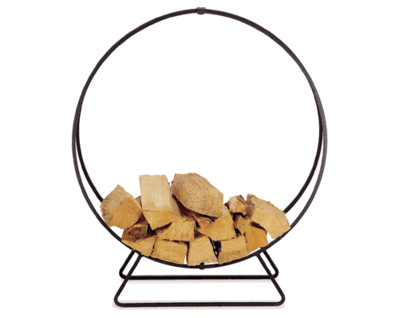

Firewood storage log racks may not sound like the glamorous hero of a cozy home, but wait until you meet a soggy woodpile. Wet logs smoke like a grumpy dragon, attract bugs like a five-star insect hotel, and turn a peaceful fireplace night into a frustrating wrestling match with kindling. A good log rack solves that problem quietly, neatly, and with far more style than a pile of split oak leaning sadly against the garage.
Whether you heat your home with a wood stove, enjoy weekend fires in the fireplace, or keep a backyard fire pit ready for marshmallow emergencies, the way you store firewood matters. The best firewood storage log racks keep wood elevated, organized, ventilated, and protected from excess moisture. They also make your yard, porch, or hearth area look intentional instead of “I promise I was going to clean that up last fall.”
This guide explains how firewood racks work, why airflow is the secret sauce, what materials to choose, where to place your rack, and how to avoid the most common storage mistakes. By the end, you will know how to keep your logs dry, your fires hotter, your home safer, and your woodpile looking like it belongs in a cabin magazine instead of a raccoon documentary.
What Are Firewood Storage Log Racks?
Firewood storage log racks are structures designed to hold split logs above the ground in an organized stack. They come in many forms: simple steel frames, covered outdoor racks, decorative indoor holders, heavy-duty full-cord racks, wall-mounted racks, hoop racks, and compact porch racks. Their job is simple but important: keep firewood dry, accessible, stable, and exposed to air.
A proper rack does more than make logs look tidy. It prevents ground moisture from soaking into the bottom layer, reduces pest access, improves drying, and helps you rotate older wood first. Firewood is not just “wood that happens to be on fire later.” It is a fuel, and like any fuel, performance depends on quality. Dry, seasoned wood burns hotter, lights faster, produces less smoke, and creates less creosote buildup than damp wood.
Think of a log rack as a gym membership for your firewood. It lifts, stretches, ventilates, and keeps everything in shape. Unlike most gym memberships, though, this one actually gets used in January.
Why Proper Firewood Storage Matters
Dry Wood Burns Better
Seasoned firewood should be dry enough to burn efficiently. Many wood-burning experts recommend using wood with moisture content below 20 percent. When wood is too wet, a large amount of heat is wasted boiling off water before the log can burn properly. That means more smoke, less warmth, and a fire that behaves like it would rather be somewhere else.
Dry wood produces a cleaner flame, better heat output, and a more pleasant burning experience. If your fire hisses, smolders, or spits moisture from the ends of the logs, your wood may need more drying time. A moisture meter is a handy tool for serious wood burners, but even without one, good storage practices make a major difference.
Airflow Prevents Mold and Decay
Firewood needs air circulation. Logs stacked too tightly or covered completely with plastic can trap moisture, encouraging mold, mildew, and decay. A firewood rack allows air to move around the pile, helping split wood season naturally. Covering only the top while leaving the sides open is usually better than wrapping the entire stack like a leftover sandwich.
Elevation Protects the Bottom Row
Wood stored directly on the ground absorbs moisture from soil, concrete, snow, and grass. The bottom logs often become punky, dirty, and difficult to burn. A rack lifts the stack several inches off the ground, which helps protect your investment and keeps the pile cleaner.
Organization Saves Time
A tidy rack lets you see how much wood you have left, rotate older logs forward, and avoid the cold-weather surprise of discovering your “huge supply” is actually three logs and a suspiciously crunchy piece of bark.
Types of Firewood Storage Log Racks
Outdoor Firewood Racks
Outdoor racks are designed for larger storage needs. They are usually made from powder-coated steel, galvanized metal, pressure-treated lumber, or heavy-duty aluminum. Many outdoor racks are available in 4-foot, 8-foot, and full-cord sizes. These racks work well along a fence, beside a shed, near a covered patio, or in a sunny part of the yard.
The best outdoor firewood racks include sturdy side supports, a raised base, and enough width to keep logs stable. Some come with fitted covers that shield the top of the pile while allowing the sides to breathe.
Covered Firewood Racks
Covered racks are excellent for rainy, snowy, or humid climates. The key is choosing a cover that protects the top without trapping moisture on all sides. A roof-style cover, sloped metal panel, or rack cover with ventilation flaps can help keep rain off while still allowing airflow.
A common mistake is wrapping firewood completely in a tarp from top to bottom. That may look protective, but it can trap humidity and slow drying. Firewood is happiest when it has a hat, not a sleeping bag.
Indoor Log Racks
Indoor log racks are smaller and more decorative. They are ideal for holding a day or two of firewood near the fireplace or wood stove. Popular styles include wrought iron racks, leather sling carriers, brass-accented holders, minimalist steel frames, and basket-style designs.
Indoor racks should be used for short-term convenience, not long-term storage. Bringing too much wood indoors can introduce insects, bark debris, and moisture. Keep the main supply outside and bring in only what you plan to burn soon.
Porch and Patio Racks
Porch racks are the middle child of firewood storage: not as large as a backyard rack, not as tiny as an indoor holder, and often the most convenient. A porch rack can hold enough wood for several fires while keeping logs close to the door. Choose one with a cover if wind-driven rain reaches the area.
DIY Firewood Racks
A simple DIY firewood rack can be built with pressure-treated lumber, concrete blocks, pallets, or metal brackets. The main goals are elevation, stability, and airflow. If using pallets, make sure they are solid, level, and placed in a dry area. If building with wood, avoid designs that trap water or collapse under the weight of a full stack.
Best Materials for Firewood Storage Log Racks
Steel
Steel is one of the most common materials for log racks because it is strong, slim, and durable. Powder-coated steel resists rust better than unfinished metal and looks clean in outdoor spaces. Heavy-gauge steel is especially useful for large racks that hold serious weight.
Wrought Iron
Wrought iron racks are often chosen for indoor and decorative use. They have a classic fireside look and can handle heavy logs. The downside is that they may rust outdoors unless properly coated and maintained.
Wood
Wooden racks and sheds can look beautiful, especially in rustic or farmhouse-style yards. Pressure-treated lumber or naturally rot-resistant wood is best for outdoor use. A wooden rack should still lift logs off the ground and provide open sides for ventilation.
Aluminum
Aluminum is lightweight and rust-resistant, making it a good choice for smaller racks or portable designs. It may not feel as heavy-duty as steel, but it performs well in damp climates.
Plastic and Resin
Plastic or resin racks are usually lightweight and affordable. They can work for small amounts of firewood, but they may not be ideal for large stacks or extreme weather. Always check the weight capacity before loading one like you are preparing for a medieval winter.
How to Choose the Right Size Log Rack
The right size depends on how often you burn wood and how much storage space you have. A small indoor rack may hold enough logs for one evening. A 4-foot outdoor rack can serve casual fireplace users. An 8-foot rack is better for regular weekend fires. Homeowners who heat with wood may need multiple large racks or a dedicated woodshed.
A full cord of firewood is traditionally 128 cubic feet when stacked. That is a lot of wood, and it requires serious storage planning. Many homeowners use multiple racks to separate seasoned wood from newer wood. This makes rotation easier and prevents the classic mistake of burning the newest, wettest logs first because they happen to be closest.
Before buying a rack, measure your available space and consider log length. Most firewood is cut around 16 inches long, but sizes vary. Make sure the rack depth supports your logs without awkward overhang.
Where to Place Firewood Storage Log Racks
Choose a Sunny, Breezy Spot
Sun and wind are your best drying partners. A rack placed in an open area with good exposure will help firewood season more effectively than a rack hidden in a damp corner behind dense shrubs. Avoid low spots where water collects after rain.
Keep Wood Away From the House
It is tempting to stack firewood directly against the house because convenience is a persuasive little gremlin. However, woodpiles can attract insects and rodents, and they may create moisture or fire-safety concerns when placed too close to siding, doors, or vents. Store the main supply away from the home and keep only a small amount near the entry for quick access.
Avoid Blocking Airflow
Do not wedge a rack tightly between two solid walls or bury it under bushes. Firewood needs moving air. If the area feels damp, shaded, and still, your logs will dry slowly and may develop mold.
Think About Winter Access
Place the rack where you can reach it when the weather is unpleasant. A perfect rack location on a sunny hill may lose its charm when you are carrying logs through sleet in slippers. Balance drying conditions with realistic access.
How to Stack Firewood on a Rack
Good stacking is part science, part patience, and part adult Jenga. Start with a level rack on firm ground. Place larger, flatter pieces on the bottom for stability. Stack logs with cut ends exposed to air when possible. Keep rows neat, but do not pack them so tightly that airflow disappears.
If stacking multiple rows deep, leave small gaps between rows. Crisscrossing the ends can improve stability, especially on open racks. Keep the pile below the rack’s recommended height and weight limit. A leaning woodpile is not rustic charm; it is gravity writing a warning letter.
Use older wood first. If you add fresh wood to a rack, place it in a separate section or another rack so it can season properly. Labeling stacks by year may sound excessive until you realize it saves you from guessing which pile is ready during the first cold snap.
Common Firewood Rack Mistakes to Avoid
Covering the Entire Stack
A tarp wrapped around all sides can trap moisture. Cover the top to shed rain and snow, but leave the sides open for airflow.
Storing Wood Directly on the Ground
Ground contact invites moisture, decay, and pests. Use a raised rack, pallets, rails, or blocks.
Stacking Too Close to the Fireplace or Stove
Indoor firewood should stay a safe distance from heat sources. Keep combustible materials away from fireplaces, stoves, and heaters, and avoid piling logs where sparks or radiant heat can reach them.
Ignoring Local Firewood Rules
Moving firewood long distances can spread invasive insects and tree diseases. Buy firewood locally when possible, especially for camping or seasonal cabins. Clean-looking wood can still carry hidden pests beneath the bark.
Buying Too Small
A tiny rack may look cute online, but if you burn wood often, it will feel like storing groceries in a lunchbox. Choose a rack that matches your real usage.
Outdoor Firewood Rack Maintenance
Inspect your rack at least once or twice a season. Look for rust, loose bolts, bent supports, rotting boards, or unstable feet. A loaded rack is heavy, so small weaknesses can become big problems. Tighten hardware, repaint exposed metal, replace damaged covers, and clear leaves or debris from around the base.
If your rack sits on soil or grass, consider placing pavers, gravel, or concrete blocks beneath the feet. This improves drainage and keeps the rack level. In snowy areas, clear snow away from the base so melting water does not soak the bottom layer of wood.
Firewood Storage Log Racks for Different Homes
For Small Homes and Apartments
Choose a compact indoor rack or balcony-safe holder if local rules allow. Store only small amounts and avoid blocking exits, vents, or walkways.
For Suburban Backyards
An 8-foot covered rack is often a practical choice. It holds a useful amount without dominating the yard. Place it on a level surface with sun exposure and good airflow.
For Cabins and Wood-Heating Homes
Use multiple heavy-duty racks or a woodshed. Separate green wood from seasoned wood and rotate carefully. A small porch rack can serve as a daily-use station while the main supply stays farther away.
For Design-Focused Homes
Look for racks that match your exterior or interior style. Black steel works well with modern homes, wrought iron suits traditional fireplaces, and wooden sheds blend naturally with rustic landscapes.
Practical Experience: What Firewood Storage Log Racks Teach You Over Time
After using firewood storage log racks for a while, you start noticing things that product descriptions rarely mention. First, convenience matters almost as much as capacity. A massive rack in the far corner of the yard may look impressive in October, but in February, when the wind is performing its best impression of a freezer door, you will wish you had a smaller “daily use” rack closer to the house. The best setup is often a two-zone system: a larger outdoor rack for seasoning and bulk storage, plus a smaller porch or indoor rack for immediate burning.
Second, covers are useful only when they are easy to manage. A cheap tarp with no fitted shape can flap, sag, collect water, and turn every log retrieval into a wrestling match. A fitted cover or simple roof-style cover saves time and frustration. Even better, a sloped cover prevents puddles from sitting on top. Water always looks for the easiest way to cause trouble; do not hand it a hammock.
Third, the ground under the rack matters. Placing a rack on soft soil can lead to sinking feet and a tilted stack. A few concrete pavers, gravel, or a firm patio surface can make the rack more stable and extend its life. Stability becomes especially important once the rack is half empty. Full racks support themselves better; half-empty racks sometimes reveal every lazy stacking decision you made six months earlier.
Fourth, not all firewood is equal. Dense hardwoods such as oak, maple, and hickory usually need longer seasoning than softer woods. Splitting logs smaller helps them dry faster. If you buy firewood advertised as “seasoned,” it is still smart to check it before stacking everything in your ready-to-burn zone. Sometimes “seasoned” means properly dried; sometimes it means “this tree has emotionally matured.”
Fifth, a neat rack changes behavior. When firewood is organized, you are more likely to rotate it correctly, keep the area clean, and notice problems early. Loose bark, sawdust, ants, mushrooms, or a musty smell are easier to spot when the stack is tidy. A messy pile hides issues until they become annoying.
Finally, a good firewood rack adds a surprising amount of satisfaction. There is something deeply pleasing about a straight row of split logs drying in the sun. It feels practical, prepared, and a little pioneer-like, except with better coffee and Wi-Fi. The rack does not need to be expensive or fancy. It simply needs to lift the wood, let it breathe, protect it from the worst weather, and fit your routine. Do that, and every fire starts easier, burns cleaner, and feels like the reward it should be.
Conclusion: A Better Rack Means Better Fires
Firewood storage log racks are simple tools with a big impact. They keep logs off wet ground, improve airflow, reduce clutter, support safer storage, and help your firewood season properly. Whether you choose a heavy-duty outdoor rack, a covered porch rack, a decorative indoor holder, or a DIY setup, the principles remain the same: elevate the wood, cover the top, leave the sides open, stack with care, and keep the main pile in a smart location.
The right rack turns firewood from a damp backyard chore into a reliable fuel supply. It also makes your space look cleaner, your fires easier to start, and your winter evenings warmer. That is a lot of achievement for something that mostly stands still holding logs. Honestly, we should all be so productive.