
Dessert bread and pastry recipes are the sweet spot (literally) between “I want something cozy” and “I want something impressive.” The best part? You don’t have to pick a lane. One weekend you’re slicing banana bread with coffee, the next you’re pulling a tray of flaky pastries out of the oven like you casually own a Parisian bakery (you do now; it’s a vibe).
This guide breaks dessert breads and pastries into a few easy categories, then gives you practical, real-kitchen recipes and technique tipsso you can bake with confidence instead of bargaining with the smoke alarm.
Pick Your Sweet Path: Bread-ish vs. Pastry-ish
1) Quick breads (fast, forgiving, always welcome)
Quick breads are your weeknight heroes: no yeast, no proofing, no existential dread. Think banana bread, lemon loaf, pumpkin bread, and chocolate chip bread. They’re called “breads,” but emotionally they’re cake that’s wearing sneakers.
2) Enriched yeasted doughs (soft, fluffy, bakery-level)
Brioche, babka, cinnamon rolls, sticky bunsthese are the plush sweaters of sweet bread. Eggs, butter, and milk make the dough rich, tender, and perfect for fillings, swirls, and “just one more bite” situations.
3) Laminated doughs (flaky layers, big payoff)
Croissants, Danish, kouign-amann, puff pastry treats: these are all about layers of dough and butter. The trick is temperature and patiencetwo things that feel made up until you taste the results.
4) Pastry shells (pies, hand pies, galettes)
If you can make a buttery crust, you can make a thousand desserts. Rustic galettes are especially beginner-friendly: imperfect edges are part of the charm, not evidence in a baking trial.
5) Choux pastry (cream puffs, éclairs, “wait, I made that?”)
Choux is cooked on the stovetop first, then baked until it puffs dramatically. It looks fancy, but it’s mostly steam doing the hard worklike a tiny delicious hot-air balloon.
The Dessert Bread & Pastry Pantry
You don’t need a professional kitchen, but a few smart staples make everything easier:
- Flour: all-purpose for most; bread flour helps chewy yeasted doughs; pastry flour is a bonus, not a requirement.
- Butter: use good butter for pastries (the flavor shows up loud and clear).
- Yeast: instant yeast is convenient; active dry works toojust proof it in warm liquid first.
- Sugars: granulated for structure, brown sugar for moisture and caramel notes, powdered for glazes.
- Flavor builders: vanilla, cinnamon, cocoa, citrus zest, espresso powder, toasted nuts.
- Tools that matter: a scale (best upgrade), rolling pin, parchment, a thermometer (helpful for yeast + doneness).
Core Techniques That Make Everything Better
Don’t overmix (especially quick breads)
Stir quick bread batter just until the flour disappears. Overmixing develops gluten and turns tender slices into “why is this loaf doing Pilates?” Dense, tough bread is almost always an overmixing problem.
Control temperature (pastry loves cool conditions)
For laminated dough and pie crust, keep butter cold-but-pliable. If butter melts into the dough, you lose layers. If it’s too hard, it can crack and tear your dough. When in doubt: chill, wait 10 minutes, then roll.
Give dough time (yeast needs a schedule)
Yeasted sweet bread rises best when you let it. If your kitchen is cool, it will take longer. If it’s warm, it may move faster. Watch the dough, not the clock.
Use the “done” clues, not just minutes
Quick breads are done when a tester comes out with moist crumbs (not wet batter). Rolls should be deeply golden. Laminated pastries should look bronzed and feel light for their size.
10 Dessert Bread & Pastry Recipes to Keep on Repeat
1) Classic Banana Bread (moist, not gummy)
The secret isn’t secret: use very ripe bananas and mix gently. Add toasted walnuts, chocolate chips, or a cinnamon-sugar swirl.
- Mash ripe bananas; whisk with sugar, eggs, melted butter (or neutral oil), and vanilla.
- Fold in flour, baking soda, salt, and optional spices. Stop mixing as soon as it comes together.
- Bake until a toothpick shows moist crumbs; cool fully before slicing for clean, tender pieces.
2) Lemon Poppy Seed Loaf with Tangy Glaze
This one tastes like sunshine with a better skincare routine. Use zest for aroma, and add a simple lemon-juice glaze for a bakery finish.
- Pro move: rub zest into sugar with your fingers to release citrus oils before mixing.
- Texture tip: add a spoonful of sour cream or Greek yogurt for extra tenderness.
3) Chocolate Babka (swirls that look harder than they are)
Babka is a sweet, yeasted dough rolled with chocolate filling, then twisted. It’s dramatic, but the process is basically: roll, fill, roll again, twist, bake, accept compliments.
- Make an enriched dough; let it rise until puffy.
- Roll into a rectangle, spread chocolate filling, then roll into a tight log.
- Chill briefly for cleaner shaping, slice lengthwise, twist, and place into a loaf pan.
- Bake until deeply browned; brush with light syrup for shine and moisture (optional, but lovely).
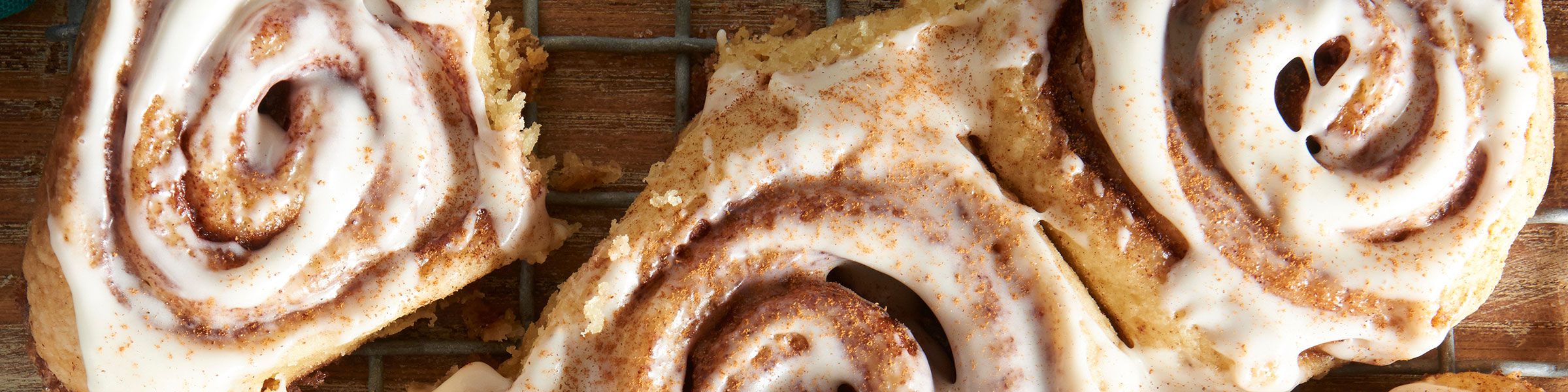
4) Cinnamon Rolls with Cream Cheese Glaze
The goal is a soft dough and a filling that melts into buttery ribbons. For extra tenderness, don’t add too much flourslightly tacky dough bakes up softer than a stiff, dry one.
- Flavor boost: add a pinch of cardamom or espresso powder to the cinnamon-sugar filling.
- Make-ahead: refrigerate shaped rolls overnight, then bake in the morning like you planned your life.
5) Brioche Bread Pudding (the “I have bread” glow-up)
Brioche + custard = a dessert that feels like a warm hug with excellent posture. Use slightly stale bread so it drinks the custard without collapsing.
- Cube brioche; toast lightly if it’s very fresh.
- Whisk eggs with milk/cream, sugar, vanilla, and a pinch of salt.
- Soak bread, add mix-ins (chocolate, berries), bake until set but still softly custardy in the center.
6) Rustic Fruit Galette (pie, but with fewer rules)
A galette is the easiest way to feel like a pastry person. Roll dough, pile fruit, fold edges, bake. The edges can be uneven; that’s not a mistake, that’s “artisanal.”
- Fruit tip: toss fruit with sugar, a little flour/cornstarch, and lemon zest.
- Crunch tip: sprinkle coarse sugar on the crust before baking.
7) Hand Pies (portable happiness)
Hand pies are ideal for parties, lunchboxes, and “I want pie but I want to hold it.” Use jam, apple filling, or chocolate-hazelnut spread.
- Roll chilled dough; cut circles or rectangles.
- Add filling, seal edges, chill again (yes, againpastry loves a nap).
- Egg wash, vent, bake until golden and bubbly at the seams.
8) Puff Pastry Palmiers (two ingredients, endless crunch)
Store-bought puff pastry is a perfectly respectable shortcut. Palmiers are basically sugar + puff pastry folded into a heart shape, sliced, and baked until caramelized.
- Upgrade ideas: cinnamon sugar, cocoa sugar, or finely chopped nuts mixed into the sugar.
- Snack logic: make extra; they disappear faster than you think.
9) Homemade Danish (fruit or cream cheese filling)
Danish pastry dough takes time, but you can also use a simplified “shortcut” laminated-style dough for a more approachable weekend project. Fill with cream cheese + vanilla, jam, or fruit compote.
- Prepare dough and chill between folds so butter stays in layers.
- Shape into pockets, pinwheels, or simple rectangles; add filling.
- Bake until deeply golden; drizzle with vanilla glaze once cooled.
10) Cream Puffs (choux pastry that actually behaves)
Choux starts on the stove: you cook flour into a hot butter-and-water mixture, then beat in eggs until glossy. Bake until puffed and firm, then fill with whipped cream or pastry cream.
- Key clue: don’t underbakepale puffs collapse. Go for a rich golden color.
- Easy twist: top with a thin cookie layer (craquelin) for a crackly, bakery-style finish.
Flavor Combos That Make You Look Like a Genius
If you want your dessert bread recipes and pastry recipes to taste “special” without extra effort, borrow these combinations:
- Chocolate + orange: babka, brioche rolls, or croissant filling.
- Lemon + blueberry: quick breads, scones, Danish.
- Apple + brown butter: galettes, hand pies, cinnamon rolls.
- Raspberry + almond: puff pastry turnovers, Danish, frangipane galettes.
- Cinnamon + cardamom: rolls, sweet buns, brioche knots.
- Espresso + cocoa: chocolate fillings, glazes, and mocha swirls.
Troubleshooting: When Baking Gets a Little Dramatic
My quick bread is dense
Common causes: overmixing, too much flour, or pulling it before it’s baked through. Measure flour gently (spoon and level), mix just until combined, and use the “moist crumbs” test.
My cinnamon rolls are dry
Dry rolls usually come from too much flour in the dough or overbaking. Keep the dough slightly tacky, and bake until just goldenthen glaze while warm so the topping melts into every nook.
My croissants/Danish leaked butter
That’s a temperature issue. If butter is too warm, it oozes; if too cold, it cracks and breaks through the dough. Chill between folds, and pause whenever the dough feels soft or sticky.
My choux collapsed
Usually underbaked or steam-trapped. Bake until deeply golden and set, then let puffs dry out briefly with the oven off and the door cracked. Crisp shells hold their shape and fill beautifully.
Make-Ahead & Freezer Strategies (Because You Deserve Future Dessert)
- Quick breads: freeze slices individually; toast or microwave gently to serve.
- Cinnamon rolls: refrigerate shaped rolls overnight; bake fresh the next day.
- Pie dough/galette dough: freeze discs; thaw overnight in the fridge.
- Puff pastry: keep it cold, work quickly, and return it to the fridge if it softens.
- Choux shells: bake ahead, then re-crisp briefly in the oven before filling.
of Real-World Baking Experiences (What It’s Actually Like)
If you’ve ever started a Saturday with “I’m just going to bake something simple,” you already know the first rule of dessert bread and pastry recipes: they are incapable of staying simple once your kitchen starts smelling like butter and vanilla. The moment banana bread goes in the oven, you’ll suddenly remember you own chocolate chips, walnuts, and a half-used bag of coconut you bought for exactly one recipe in 2019. Your brain will whisper, “Add-ins.” Your heart will answer, “Yes.”
Quick breads are where most home bakers build confidence, and for good reason. They forgive small mistakes and still taste great warm. The most common “learning moment” is discovering that overmixing is real. You can practically feel the batter change when you stir too longlike it tightens up and becomes stubborn. The first time you mix gently and pull out a tender, moist loaf, it’s a lightbulb moment: baking isn’t only ingredients; it’s how you treat them.
Yeasted sweet bread is where people often level upand where patience becomes part of the recipe. The dough rises when it feels like it, not when your timer says so. You’ll find yourself doing very normal things like staring through oven light at cinnamon rolls as if your encouragement is a necessary ingredient. (It might be.) And shaping is oddly calming: rolling the dough, spreading butter, sprinkling cinnamon sugar, and watching it become a neat spiral feels like arts and crafts you can eat.
Laminated dough is the big “weekend project,” and it comes with a special kind of pride. The first time you make something flaky, you understand why bakers talk about temperature the way gardeners talk about weather. On a warm day, dough softens fast; butter wants to melt; you learn to chill between folds and to pause instead of pushing through. That pause is a skill. It’s the difference between frustration and success, and it’s also a great excuse to tidy the counter or “accidentally” snack on scrap bits of dough.
Then there’s the joy of serving. Dessert breads are generousslice-and-share generous. Pastries feel like a reveal: you break one open and see layers, swirls, or a custardy center, and suddenly everyone in the room has an opinion about how talented you are. The truth is, you didn’t need magic. You needed a plan, a little technique, and a willingness to let dough rest (which is also excellent life advice). Whether you’re baking sweet bread for a brunch table or pastries for a holiday tray, these recipes create memories fastoften in the form of someone asking, mouth full, “Did you make more of these?”
Conclusion
The world of dessert bread and pastry recipes is big enough for every mood: quick breads when you want comfort now, sweet yeasted doughs when you want bakery-soft texture, and pastries when you’re ready for a flaky victory. Start with one category, learn a couple of core techniques, and you’ll be able to improvise flavors and shapes like it’s second nature. And if something looks a little rustic? Perfect. Rustic is delicious.