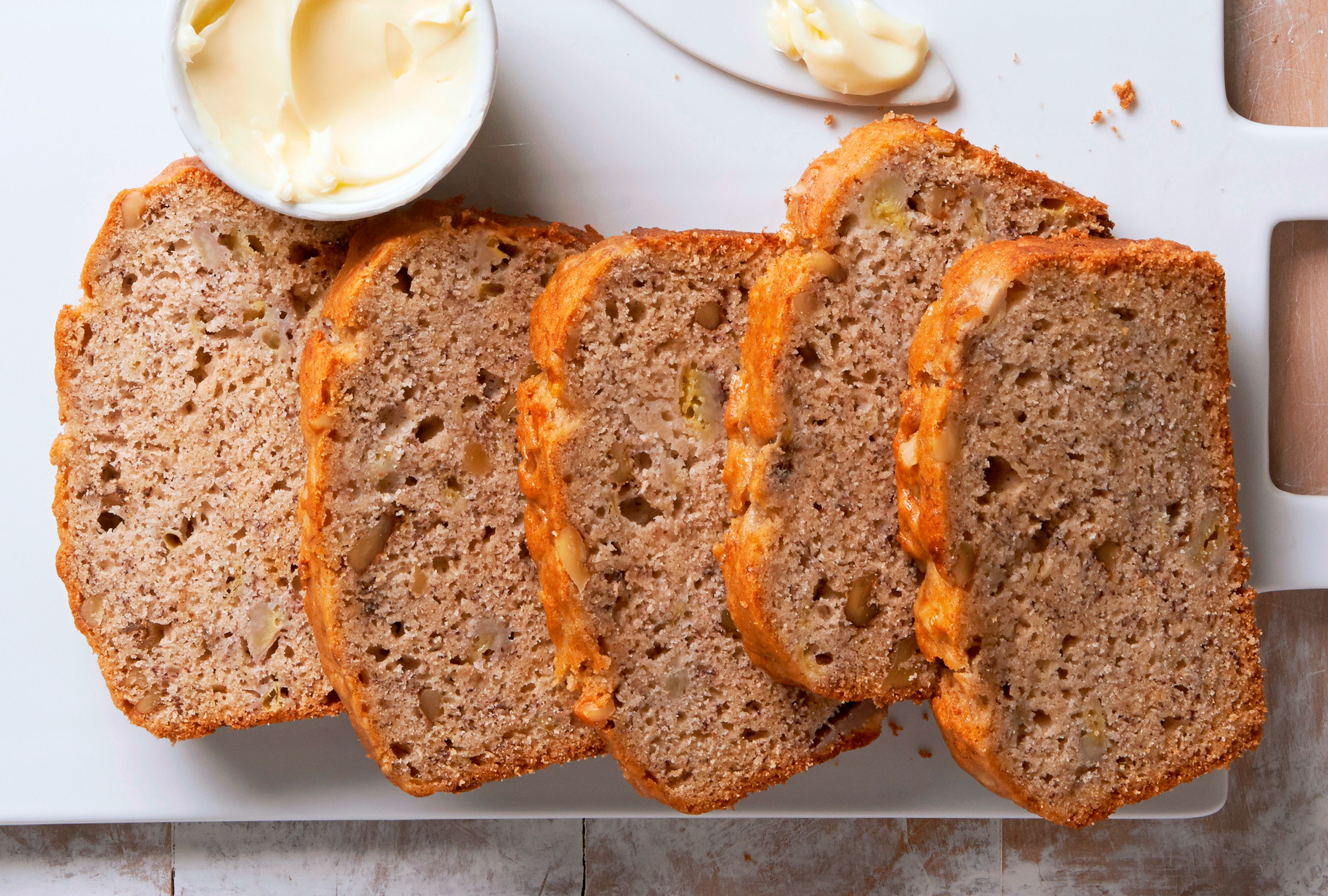

Some recipes are trendy. Banana bread is loyal. It does not care what year it is, what your kitchen looks like, or whether your baking mood is “weekend domestic goddess” or “I have three bananas turning into a science project.” A classic banana bread recipe is the kind of homemade comfort food that keeps earning its place on the counter, one warm slice at a time.
This version is everything people want from an old-fashioned banana loaf: moist but not gummy, sweet but not cupcake-sweet, rich with banana flavor, and sturdy enough to toast the next day without falling apart like a dramatic reality-show contestant. It uses pantry basics, comes together without a mixer, and gives those overripe bananas the glow-up they deserve.
If you have ever wondered why one loaf turns out fluffy and fragrant while another comes out dense enough to qualify as gym equipment, the answer is usually in the details. Banana ripeness matters. Mixing matters. Pan size matters. And yes, patience matters, even though banana bread smells like it’s ready to be eaten directly from the oven with zero concern for the laws of steam, crumb structure, or self-control.
Why Classic Banana Bread Never Goes Out of Style
The beauty of a homemade banana bread loaf is that it sits at the perfect crossroads of practical and delicious. It is part recipe, part rescue mission. You get to save bananas that are past their pretty stage and turn them into something golden, fragrant, and deeply snackable.
Classic banana bread also belongs to the family of quick breads, which means it rises with baking soda or baking powder instead of yeast. Translation: no kneading, no proofing, no staring anxiously at dough like you are waiting for a text back. Just mix, pour, bake, and let the house smell like somebody in it has their life together.
Its flavor is familiar in the best possible way. The banana is front and center, supported by butter, vanilla, and a soft crumb that feels rich without being heavy. A great loaf is versatile too. It works for breakfast, brunch, lunchboxes, late-night kitchen wandering, and those suspiciously frequent “tiny slice” moments that somehow become half the loaf.
What Makes a Great Banana Bread Recipe?
1. Very ripe bananas
This is the non-negotiable part. The best bananas for banana bread are deeply speckled, soft, and fragrant. When the peel is heavily browned, the fruit is sweeter and more flavorful, which means your loaf tastes more like banana and less like vaguely sweet beige bread.
2. Gentle mixing
Once flour goes into the bowl, kindness is required. Overmixing develops gluten and turns a tender loaf into a tough, dense one. Stir until the dry streaks are gone, then stop. Your spoon is not in a CrossFit competition.
3. Balanced sweetness and fat
Banana bread should taste rich and cozy, not like a sugar ambush. Butter gives the loaf classic flavor, while brown sugar adds moisture and depth. A little granulated sugar keeps the crumb balanced so the bread feels light enough to eat for breakfast and decadent enough to eat for dessert.
4. The right bake
A good loaf bakes long enough to set the center without drying out the edges. That sweet spot usually lands around one hour in a standard loaf pan, though every oven has its own personality. Some are reliable. Others are tiny chaos machines. Start checking near the end, and trust the tester more than the clock.
Classic Banana Bread Recipe
Ingredients
- 3 very ripe bananas, mashed well
- 1/2 cup unsalted butter, melted and slightly cooled
- 3/4 cup light brown sugar
- 1/4 cup granulated sugar
- 2 large eggs
- 1 teaspoon vanilla extract
- 1 3/4 cups all-purpose flour
- 1 teaspoon baking soda
- 1/2 teaspoon salt
- 1/2 teaspoon ground cinnamon
- 1/2 cup chopped walnuts or pecans (optional)
Instructions
- Preheat your oven to 350°F. Grease a 9×5-inch loaf pan and, if you like easy cleanup and dramatic bakery-style lifting, line it with parchment paper.
- In a large bowl, mash the bananas until mostly smooth. A few small lumps are fine; they add character, like laugh lines but for batter.
- Whisk in the melted butter, brown sugar, and granulated sugar until combined. Add the eggs and vanilla, then whisk until the mixture looks glossy and smooth.
- In a separate bowl, stir together the flour, baking soda, salt, and cinnamon.
- Add the dry ingredients to the wet ingredients and fold gently with a spatula until no obvious dry pockets remain. Do not overmix.
- Fold in the nuts, if using. Pour the batter into the prepared loaf pan and smooth the top.
- Bake for 55 to 65 minutes, or until a toothpick inserted in the center comes out clean or with a few moist crumbs. If the top browns too quickly, loosely tent it with foil during the last 10 to 15 minutes.
- Cool the loaf in the pan for 10 to 15 minutes, then transfer it to a wire rack. Let it cool completely before slicing for the cleanest texture. Or ignore this advice and cut a warm slice anyway. I understand.
Tips for Moist Banana Bread Every Time
If your goal is moist banana bread, not crumbly disappointment, a few smart choices make all the difference.
Use bananas that are genuinely ripe. If they still look lunchbox-ready, wait. The more mature the bananas, the deeper the flavor and the softer the finished crumb.
Measure flour carefully. Too much flour is a classic path to a dry loaf. Spoon the flour into your measuring cup and level it off, or use a kitchen scale if you want to feel powerful and precise.
Do not overbake. Banana bread continues to set as it cools. Pull it when the center is done but still tender. A toothpick with wet batter means “not yet.” A toothpick with a few moist crumbs means “victory.”
Let the loaf rest. Fresh from the oven, banana bread is full of steam. Give it time to settle so the crumb can finish developing. This is annoying advice, but it is good advice.
Easy Variations on the Classic
A classic loaf does not need embellishment, but it does not object to a little fun either. Think of these as respectful upgrades, not chaotic reinventions.
Banana nut bread
Add chopped walnuts or pecans for crunch and a slightly toasty flavor. Nuts make the loaf feel heartier and a little more old-school in the best way.
Chocolate chip banana bread
Fold in 1/2 to 3/4 cup semisweet chocolate chips. Suddenly your breakfast has suspicious dessert energy.
Brown sugar topping
Sprinkle coarse sugar on top before baking for a crackly finish that looks fancy and requires almost no effort. This is my favorite kind of elegance.
Warm spice version
Add a pinch of nutmeg or a little extra cinnamon if you want a cozy, bakery-style aroma. Keep it subtle so the banana flavor still leads.
Common Banana Bread Mistakes to Avoid
Using under-ripe bananas: The loaf will taste flatter and less sweet.
Mixing too much: This is the fastest route to a dense banana brick.
Using the wrong pan size: Batter depth affects baking time. A smaller pan can leave you with an underdone center and an overdone edge.
Slicing too early: Warm banana bread is glorious, but if you cut too soon, the loaf can seem gummy.
Skipping the salt: Even sweet breads need salt to bring the flavors into focus. Without it, everything tastes flatter.
How to Store and Freeze Banana Bread
Once fully cooled, wrap the loaf tightly or store it in an airtight container at room temperature for several days. The flavor often gets even better by day two, when the banana, vanilla, and butter have had time to settle into each other like old friends on a porch swing.
For longer storage, freeze the whole loaf or individual slices. Wrap them well, then place them in a freezer-safe bag or container. Slices are especially handy because you can thaw exactly what you need, whether that is one sensible piece or three suspiciously enthusiastic ones.
To serve, thaw at room temperature or warm a slice lightly in the microwave or toaster oven. A little butter on top is not mandatory, but it is highly persuasive.
Serving Ideas for a Classic Banana Loaf
The obvious way to eat banana bread is warm, plain, and standing in the kitchen. A noble tradition. But it also shines in more intentional settings.
- Serve thick slices with coffee for breakfast or brunch.
- Toast leftovers and spread with salted butter.
- Add cream cheese for a richer, tangy contrast.
- Pair with peanut butter for a more filling snack.
- Dress it up with whipped cream and berries for an easy dessert.
It is one of those rare baked goods that feels equally at home on a holiday brunch table, in a lunch bag, or on a plate next to a mug during a rainy afternoon. Not many recipes have that kind of range.
Experience: Why This Classic Banana Bread Recipe Keeps Winning Me Over
I have made banana bread on rushed Monday mornings, quiet Saturdays, gloomy afternoons, and once during a kitchen clean-out that began with “I should really use these bananas” and somehow ended with me proudly acting like I had invented baking. That is part of the magic of a classic banana bread recipe: it never feels fussy, but it always feels rewarding.
What I love most is how forgiving it is. Cake can be dramatic. Pie can be moody. Yeast bread can make you question your life choices. But banana bread? Banana bread is the supportive friend who says, “You have flour, butter, and overripe fruit? Great. Let’s make something wonderful.” Even when my bananas were uglier than I wanted to admit, the loaf still came out smelling sweet, nutty, and almost absurdly comforting.
Over time, I learned that the experience of making banana bread is just as enjoyable as eating it. Mashing the bananas is oddly therapeutic. Stirring the batter takes only a few minutes, which means it is ideal for days when you want homemade baking without launching an all-day project. Then there is the oven moment, when the top starts to turn golden and your kitchen smells like warm sugar, toasted grain, and pure domestic victory. Even people who claim they are “not really dessert people” tend to wander into the kitchen around that time.
I also appreciate how adaptable the loaf is without losing its identity. Some days I keep it plain and classic, because the banana flavor is enough. Other times I toss in walnuts for crunch or chocolate chips when I want the bread to lean slightly toward dessert. But the backbone stays the same: ripe bananas, simple ingredients, gentle mixing, and a loaf that slices beautifully once it cools. That consistency is why this recipe earns repeat status.
Another thing I have noticed is that banana bread somehow improves the mood of a house. It sounds dramatic, but I stand by it. The smell feels familiar even when the exact recipe is new. It makes a regular day feel more grounded. It makes a messy kitchen feel productive. It makes a plain cup of coffee feel like an event. And when shared, it has that rare homemade quality that says, “I made this because I wanted something good, and now you get to enjoy it too.”
There is also a practical satisfaction in using ingredients that might otherwise go to waste. Overripe bananas look like they have given up, but banana bread proves they were actually headed toward greatness. That little transformation never gets old. You take something soft, spotted, and overlooked, and a little later you have a loaf that looks bakery-worthy and tastes even better the next day.
If I had to describe the overall experience in one sentence, it would be this: classic banana bread is low-effort, high-reward baking at its finest. It is easy enough for beginners, dependable enough for experienced bakers, and delicious enough that people always ask for another slice “just to even things out.” I still laugh every time I hear that line, mainly because it usually comes from someone already holding their second piece.
That is why this recipe stays in rotation for me. It is not flashy, and it does not need to be. It is simple, comforting, and deeply reliable. In a world full of trendy bakes with twelve steps and seventeen optional toppings, there is something delightful about a loaf that just shows up, smells amazing, and tastes like home.
Final Thoughts
A truly classic banana bread recipe does not need gimmicks to be memorable. It needs ripe bananas, a balanced batter, and a careful hand when mixing. From there, the loaf practically takes care of the rest.
If you want an easy banana bread recipe that feels timeless, this is it. It is rich but not heavy, sweet but not cloying, and simple enough to make whenever your bananas have crossed over from snack territory into baking destiny. Keep it plain, add nuts, throw in chocolate, or toast a slice with butter the next morning. However you serve it, this homemade banana loaf has a way of making ordinary days taste a little better.