
If your shoes could talk, they’d ask for two things: a day off and a little help holding it together.
Enter the cedar wood shoe treethe low-drama hero of shoe care that keeps leather shoes looking sharper,
smelling better, and aging like the kind of celebrity who somehow gets more photogenic every year.
Shoe trees aren’t flashy. They don’t sparkle, beep, or connect to Wi-Fi. They just quietly do the work:
helping your shoes keep their shape, reducing deep creases, and pulling out some of the moisture that builds up during wear.
And because they’re made from aromatic cedar, they also bring a “fresh closet” vibe that’s way nicer than “gym bag mystery.”
What a Shoe Tree Actually Does (and What It Doesn’t)
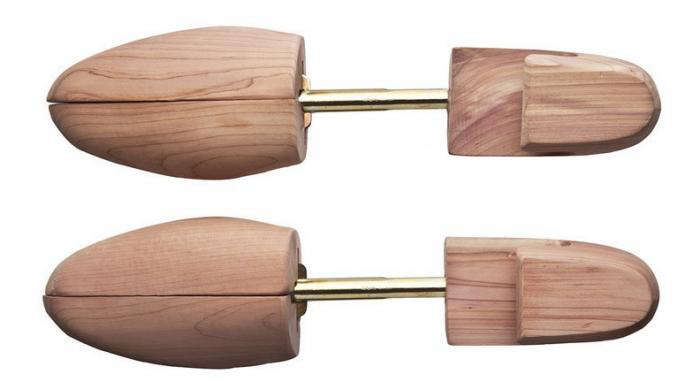
Let’s clear the air (and the toe box). A cedar shoe tree is a shoe-shaped insertusually spring-loadedthat sits inside your shoes
when you’re not wearing them. Think of it as a gentle “reset” between wears.
What it does
- Helps shoes keep their shape: Especially in the toe and heel where leather can collapse or curl over time.
- Reduces creasing: Not by erasing every wrinkle (shoes are allowed to have laugh lines), but by limiting deep set-in creases.
- Absorbs moisture: Leather linings and uppers soak up sweat; shoe trees help the inside dry more evenly.
- Helps control odor: Cedar’s natural aroma plus moisture reduction equals fewer “what died in here?” moments.
What it doesn’t
- It’s not a shoe stretcher: A properly sized shoe tree won’t “make shoes bigger.” It’s about preservation, not expansion.
- It won’t fix structural damage: If the sole is separating or the heel counter is cooked, you need a cobbler, not a wooden pep talk.
- It’s not a substitute for drying soaked shoes safely: If your shoes are drenched, avoid heat blasts; let them dry gradually.
Why Cedar? The Wood That Pulls Double Duty
You can find shoe trees made from plastic, unfinished hardwoods, and a few “mystery materials” that feel like they were invented
during a late-night infomercial brainstorm. Cedar is different. A cedar wood shoe tree is popular for a simple reason:
it’s useful beyond just shape-holding.
Moisture management (a.k.a. the “please don’t crack, leather” plan)
Leather and moisture have a complicated relationship: leather needs some internal oils to stay supple, but repeated dampness
from sweat and humidity can lead to stiffness, odor, and faster wear. Uncoated aromatic cedar is prized because it can
absorb moisture from the inside of the shoe while the shoe rests.
Odor control without chemical perfume warfare
A big chunk of shoe stink is moisture + time. Reduce the moisture and you make odors less likely to set up a permanent lease.
Cedar adds a clean, woodsy scent that doesn’t try to “cover” odor so much as discourage it from showing up in the first place.
Bonus: closet-friendly behavior
Cedar is often mentioned as a natural deterrent for certain closet pests. Even if your biggest enemy is just “dust and regret,”
cedar still helps keep footwear fresher during storageespecially in tighter closets or seasonal rotations.
Types of Cedar Shoe Trees: Pick Your Fighter
Not all cedar shoe trees are built the same. The right style depends on your shoes (dress shoes, sneakers, boots),
and what you care about most: toe shape, heel structure, or quick everyday convenience.
Split-toe cedar shoe trees
The split-toe design uses a spring mechanism and a “split” front that can flex to accommodate slightly different widths.
This style tends to play nicely with many dress shoes and can help smooth toe-box creases without putting awkward pressure
in one spot.
Full-toe (block) cedar shoe trees
Full-toe trees use a more solid front shape. These can be great when the toe box is structured and you want consistent support,
but fit matterstoo large and they can feel like they’re trying to redecorate your shoe from the inside.
Full-heel vs. half-heel
If your shoes have a firm heel counter and you want maximum shape support, a full-heel block is the strong choice.
If you’re prioritizing budget or lighter weight (or you’re dealing with tighter-fitting shoes), a half-heel can still help.
Many quality trees include a knob or handle so you can insert and remove them without turning it into a finger yoga session.
Boot trees and taller options
For boots, especially those with shafts that slump, boot trees or boot shapers can help prevent collapsing and creasing.
Some cedar boot trees support the foot portion plus a shaft insert to keep everything standing at attentionlike your boots are
about to be inspected.
Sneaker-friendly cedar trees
Sneakers vary wildly in shape. A slightly rounder toe with a spring design often fits more silhouettes, which is helpful
if your rotation includes everything from low-tops to chunky trainers. The goal is moisture control and shape support,
not turning your sneakers into stiff museum exhibits.
How to Choose the Right Size (Without Guessing and Hoping)
Sizing is where people accidentally turn a helpful tool into a tiny wooden bully. A cedar shoe tree should fit snugly enough
to support shape, but not so tight that you’re forcing expansion.
Start with your shoe sizethen think “gentle tension”
- Match the tree to the shoe size range: Most brands sell ranges (e.g., Men’s M fits 8–9.5).
- If you’re between sizes: Many makers recommend sizing up to the next full size so the tree can fill the toe box properlyprovided it’s not overly tight.
- Wide or narrow shoes: Split-toe styles can be more forgiving for width variations.
A quick fit check
Insert the shoe tree and look for a natural, supported shape. The toe should look “filled,” not stretched. The leather should be
lightly smoothed, not strained. If you see the shoe’s upper pulling unnaturally tight, size down or switch styles.
How to Use Cedar Wood Shoe Trees Like a Pro
The best shoe tree is the one you actually use. Here’s a simple routine that works for most leather shoes and boots,
plus a couple of real-life tweaks for sweaty commutes and surprise rain.
Step-by-step: the easy routine
- Take your shoes off and let them breathe for a short while (think: cool down, not “hibernate for three days”).
- Insert the toe first: Slide the front in gently, aligning it with the shoe’s natural shape.
- Compress and set the heel: Engage the spring and seat the heel portion into the back of the shoe.
- Leave them in: A solid rule of thumb is to keep trees in until the next wearoften around a day if you’re rotating shoes.
After a sweaty day
If you’ve been on your feet all day or went sockless (brave), shoe trees help with drying and odor control.
Pair that with rotating shoesgiving each pair a rest dayso moisture doesn’t build up in the leather and lining.
After rain or snow
If shoes are wet, blot excess water, stuff the toe with paper briefly if needed, and let them dry gradually at room temperature.
Once they’re no longer soggy, the cedar shoe tree can help restore shape as drying finishes. Skip heaters and hair dryers;
blasting leather with heat is how cracks get their origin story.
Cedar Shoe Tree Mistakes That Sneak Up on People
Buying “sealed” or heavily varnished cedar and expecting magic
Cedar works best when it’s uncoated so it can absorb moisture and release aroma naturally. A glossy finish might look fancy,
but it can limit the wood’s helpful properties.
Over-tensioning the spring
More pressure is not more better. Excess tension can distort toe shape over time, especially on sleeker dress shoes.
The goal is support, not forced expansion.
Using shoe trees as a fix for poor fit
If shoes are too small, a shoe stretcher (used carefully) or a cobbler is the right move. A shoe tree is for maintaining the fit you already have.
Forgetting the “dry time” rule
Wearing the same leather shoes day after day doesn’t give moisture time to dissipate. Shoe trees help, but rotation is the real secret sauce.
If you can swing it, alternate pairsyour feet will also file a thank-you note.
Maintenance: Keep Your Cedar Trees Working (and Smelling) Nice
Cedar shoe trees don’t ask for much. They’re the “low-maintenance friend” of shoe care.
But a little upkeep keeps them effective.
- Wipe occasionally: Use a dry or lightly damp cloth to remove dust.
- Refresh the cedar scent: If the aroma fades, lightly sand the surface with fine-grit sandpaper to expose fresh cedar.
- Store dry: Let shoe trees air out when not in useespecially if you’re using them daily.
Are Cedar Shoe Trees Worth It? A Practical Cost vs. Benefit Breakdown
If you own quality leather shoesoxfords, loafers, derbies, Chelsea bootscedar shoe trees are usually a smart investment.
They help protect what you paid for and keep your footwear looking better with less effort.
They’re most worth it for:
- Leather dress shoes: Shape support + reduced deep creases + moisture control = longer-looking-new shoes.
- Leather boots: Especially if the toe curls or the heel collapses during storage.
- People who rotate shoes: Trees plus rotation is the “two-factor authentication” of shoe longevity.
What about cheaper alternatives?
Yes, you can stuff shoes with paper. It’s better than nothinglike eating a granola bar instead of dinner.
Plastic trees hold shape but don’t help much with moisture. Cedar tends to be the sweet spot: structural support plus freshness benefits.
Quick FAQ
How long should I leave cedar shoe trees in?
Ideally until your next wear. If you wear the shoes often, leaving them in for about a day (or the full rest day between wears)
is a solid habit.
Do I need shoe trees for every pair?
If you’re building a “grown-up shoe care” routine, prioritize the pairs you wear most and the ones made of leather.
Over time, matching each pair with its own trees makes the routine effortless.
Are cedar shoe trees good for sneakers?
They can be, especially for moisture control and helping sneakers hold their shape. Choose a style that fits your sneaker’s toe profile
without forcing it.
Conclusion: Small Habit, Big Payoff
A cedar wood shoe tree is one of those rare purchases that feels boring right up until you notice your shoes still look great
months later. It’s a simple tool that supports shape, helps reduce deep creases, and makes footwear smell fresher by managing moisture.
Use it consistently, pair it with shoe rotation, and you’ll get more life (and more compliments) out of the shoes you already own.
Real-World Experiences with Cedar Wood Shoe Trees (The Stuff You Actually Notice)
People often expect cedar shoe trees to be a dramatic “before-and-after” gadgetlike you insert them and your shoes emerge with a
movie-montage glow-up. Real life is quieter (and honestly, that’s why it works). What you notice first is not perfectionit’s stability.
That pair of leather loafers you wear twice a week? The toe stops looking tired. The vamp creases don’t disappear, but they stop deepening
into those permanent “accordion folds” that make shoes look older than they are.
One of the most common experiences is the smell factor. Not “my shoes now smell like a cedar forest after rain” (though that can happen),
but “my shoes stopped getting worse.” When moisture is consistently pulled out between wears, odors don’t get the same chance to move in and
redecorate. If you’ve ever taken off your shoes and immediately apologized to the room, you’ll appreciate how cedar helps keep things civilized.
It’s not a cologne bomb; it’s more like good ventilation for your footwear.
Another real-world win: travel and storage. Shoe trees are fantastic at home, but they can be bulky in a suitcase. A practical workaround people
use is to travel with lighter shoe shapers or stuff shoes with socks and soft tees, then put cedar trees back in once you’re home.
That “re-entry” moment is underrated: after a trip, shoes often come out slightly squished and a little funky. A day with cedar trees helps them
regain their shape and lose that “I’ve been trapped in overhead-bin air” vibe.
You also start noticing how shoe trees encourage better habits. The act of inserting them becomes a tiny ritual that reminds you to rotate shoes.
If you own two pairs of leather dress shoes and start alternating them, both pairs stay nicer longerand you’ll feel like you upgraded your wardrobe
without buying anything new. It’s the closest thing to cheating the system that doesn’t require a fake mustache.
Of course, people learn a few lessons the hard way. The biggest: oversizing. If you jam an overly large tree into a sleek toe box, you can distort
the front shape over time. The “right” feeling is gentle support, not a battle of wills. Another common lesson is timing after wet weather. If shoes
are drenched, it’s smarter to let them dry gradually first (room temp, patience, no heat panic). Once they’re past the soggy stage, cedar trees help
restore shape while the last moisture dissipates. Used thoughtfully, they’re a confidence boost: your shoes look cared for, your closet smells better,
and you spend less time worrying about creases and more time wearing the shoes you actually like.