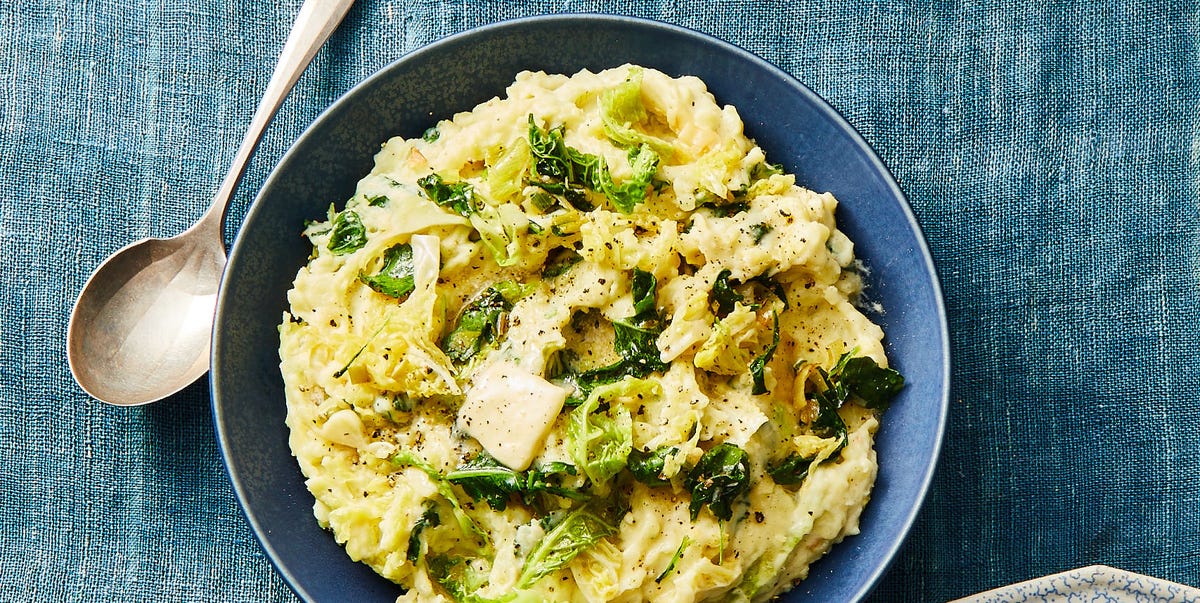

Some side dishes know their role. Colcannon does not. Colcannon walks onto the table like it pays rent, brings buttery confidence, and somehow steals attention from roast chicken, sausages, ham, and even the big St. Patrick’s Day centerpiece. If mashed potatoes and sautéed greens had a very charming Irish cousin, this would be it.
This classic comfort dish combines fluffy mashed potatoes with tender cabbage or kale, scallions or leeks, warm milk, and enough butter to make everyone at the table suddenly very interested in seconds. The best colcannon recipe is simple, but not careless. It depends on smart technique, good texture, and the understanding that potatoes deserve respect. They are not hard to impress, but they are easy to ruin.
In this guide, you’ll learn exactly how to make colcannon that is creamy, flavorful, and balanced rather than heavy, gluey, or bland. You’ll also get practical cooking tips, serving ideas, storage advice, and real kitchen insight so your first bowl tastes like you’ve been making it forever.
What Is Colcannon?
Colcannon is a traditional Irish potato dish made by folding cooked greens into mashed potatoes. Most versions use cabbage or kale, along with scallions, leeks, or onions. Warm milk or cream and butter turn the mixture rich and silky, while salt and black pepper keep the flavor grounded and savory.
At its best, colcannon is cozy without being boring. You get the softness of mashed potatoes, the slight sweetness of cooked cabbage, the freshness of green onions, and a buttery finish that feels like cold-weather therapy in a bowl. Traditionally, it is often served with a little pool of melted butter in the center, which is both charming and dangerously effective.
Why This Is the Best Colcannon Recipe
There are plenty of ways to make colcannon, but the best version gets three things right: texture, flavor, and balance. This recipe uses starchy or medium-starch potatoes for a mash that stays fluffy, cooks the cabbage until tender but not sad, and warms the dairy before mixing so the potatoes stay smooth and hot.
It also keeps the ingredient list focused. That matters. Colcannon is not supposed to taste like every item in the refrigerator had a team-building exercise. A few well-chosen ingredients create a more traditional, more elegant result.
What makes this version work
- Fluffy potatoes instead of gummy ones
- Tender cabbage with a little bite left
- Scallions for brightness and a gentle onion note
- Warm milk and melted butter for a creamy mash
- Enough seasoning to make the potatoes taste alive
Ingredients for the Best Colcannon Recipe
Here is everything you need for a classic, crowd-pleasing bowl of colcannon:
- 2 1/2 pounds Yukon Gold or russet potatoes, peeled and cut into chunks
- 4 tablespoons unsalted butter, plus more for serving
- 1/2 small green cabbage, finely sliced
- 4 scallions, thinly sliced
- 3/4 to 1 cup whole milk
- 1/4 cup heavy cream, optional but excellent
- 2 teaspoons kosher salt, plus more to taste
- 1/2 teaspoon black pepper, plus more to taste
Optional add-ins
- 1 leek, thinly sliced and softened in butter
- 2 cloves garlic, minced
- 4 slices cooked bacon, chopped
- A handful of chopped kale instead of part of the cabbage
- A pinch of nutmeg for an old-school touch
If you are aiming for the most traditional flavor, keep the extras minimal. If you want a slightly richer weeknight version, bacon and leeks are excellent. Colcannon is forgiving, but the potatoes should always remain the star.
How To Make Colcannon
1. Boil the potatoes properly
Place the potatoes in a large pot and cover them with cold, salted water. Starting with cold water helps them cook evenly from the inside out. Bring the pot to a boil, then reduce to a steady simmer and cook until the potatoes are fork-tender, about 15 to 20 minutes depending on size.
Drain well. Then let them sit in the hot pot for a minute or two off the heat so excess moisture evaporates. This tiny step makes a big difference. Wet potatoes make watery colcannon, and nobody wants mashed disappointment.
2. Cook the cabbage and scallions
While the potatoes cook, melt the butter in a large skillet over medium heat. Add the cabbage and cook until softened, about 6 to 8 minutes. Stir in most of the scallions and cook another minute. You want the cabbage tender and sweet, not browned into oblivion.
If you are using leeks or garlic, cook them here too. The pan should smell like the beginning of a very good decision.
3. Warm the milk and cream
Heat the milk and cream together in a small saucepan or microwave-safe cup until warm, not boiling. Warm dairy blends into potatoes more smoothly than cold dairy and helps keep the mash fluffy. Cold milk can tighten the starch and leave you working harder than necessary.
4. Mash, then fold
Mash the drained potatoes with a potato masher or pass them through a ricer for an extra-smooth texture. Add the warm milk mixture gradually, then fold in the buttery cabbage and scallions. Season with salt and black pepper.
Do not beat the mixture aggressively. Overmixed potatoes can go from fluffy to gluey in a hurry. Stir just until combined and creamy.
5. Finish like you mean it
Spoon the colcannon into a serving bowl, make a shallow well in the center, and add a pat of butter. Sprinkle with the remaining scallions and a little extra black pepper. Serve hot.
Best Colcannon Recipe: Full Method
Ingredients
- 2 1/2 pounds Yukon Gold or russet potatoes
- 4 tablespoons unsalted butter
- 1/2 small green cabbage, finely shredded
- 4 scallions, sliced, divided
- 3/4 cup whole milk
- 1/4 cup heavy cream
- 2 teaspoons kosher salt
- 1/2 teaspoon black pepper
- Extra butter for serving
Instructions
- Add potatoes to a large pot, cover with cold salted water, and bring to a boil.
- Reduce heat and simmer until fork-tender, 15 to 20 minutes.
- Drain the potatoes and let them sit briefly so steam can escape.
- In a skillet, melt butter and cook cabbage for 6 to 8 minutes until soft.
- Add most of the scallions and cook 1 minute more.
- Warm the milk and cream together.
- Mash the potatoes until smooth.
- Gradually stir in the warm milk mixture.
- Fold in the cabbage mixture. Season with salt and pepper.
- Transfer to a serving bowl, top with butter and remaining scallions, and serve hot.
Tips for Creamy, Flavorful Colcannon
Choose the right potatoes
Yukon Gold potatoes give you a naturally buttery flavor and creamy texture. Russets are fluffier and lighter. Either works. A blend can be excellent too. Waxy potatoes are less ideal because they can turn dense rather than airy.
Do not skip warming the milk
This seems fussy until you taste the difference. Warm milk helps keep the mash soft and smooth, especially if you are making colcannon for a holiday meal and want it to stay cozy on the table.
Cook the greens separately
Do not toss raw cabbage into the mashed potatoes and hope for magic. Give the cabbage its own moment in the skillet so it softens, sweetens, and loses excess moisture.
Season more than you think
Potatoes absorb seasoning like tiny edible sponges. Taste before serving and adjust with extra salt and pepper if needed. A bland bowl of colcannon is usually just an under-seasoned one.
Common Colcannon Mistakes to Avoid
- Using cold dairy: This can cool the potatoes and affect texture.
- Overmixing: Too much stirring can make the mash sticky.
- Undercooking the cabbage: Crunchy cabbage belongs in slaw, not in this dish.
- Under-seasoning: Potatoes need enough salt to taste like something worth repeating.
- Adding too much liquid at once: Start slow and stop when the mash looks creamy.
What To Serve with Colcannon
Colcannon works with almost anything hearty, savory, or roasted. It is especially good with baked ham, sausages, corned beef, roast chicken, braised beef, or lamb. It also plays well with mushrooms, caramelized onions, and crispy cabbage on the side if you want to lean even deeper into comfort food territory.
For a simple dinner, serve colcannon with seared sausage and mustard. For a holiday table, pair it with roast meat and a sharp green salad to cut the richness. For leftovers, top it with a fried egg and call it lunch. That is not lazy. That is strategy.
How To Store and Reheat Colcannon
Store leftover colcannon in an airtight container in the refrigerator for up to 3 days. To reheat, place it in a saucepan over low heat with a splash of milk and a small piece of butter. Stir gently until warm.
You can also reheat it in the microwave, but do it in short bursts and stir in between so it heats evenly. If the mixture seems thick after chilling, that is normal. Potatoes tighten up in the fridge. A little warm milk fixes the problem fast.
Variations on Traditional Colcannon
Colcannon with kale
Swap some or all of the cabbage for chopped kale if you want a greener, slightly earthier flavor.
Colcannon with bacon
Add crisp chopped bacon for smoky depth. This version leans especially well into brunch or cold-weather dinners.
Colcannon with leeks
Leeks add sweetness and a more delicate onion flavor than regular onions. They make the dish feel a little more elegant without making it fussy.
Colcannon cakes
Shape cold leftovers into patties and pan-fry them until crisp on both sides. This is one of the best potato encore performances in the business.
Real Kitchen Experiences with Colcannon
One reason colcannon remains so lovable is that it behaves like a recipe that understands real life. It is not trying to be flashy. It is trying to be delicious, dependable, and just interesting enough to make people ask, “Wait, what is in this?” That question usually comes right before someone goes back for another spoonful.
In a busy home kitchen, colcannon feels practical in the best possible way. The ingredients are affordable, familiar, and easy to find. There is no treasure hunt for rare spices or boutique dairy products. Potatoes, cabbage, scallions, butter, milk. That is the cast. And somehow, when they get together, they act like they trained at culinary school.
It is also one of those dishes that changes mood depending on when you serve it. On a March holiday table, it feels festive and traditional, especially next to roast meat or sausages. On a rainy Tuesday night, it feels like edible central heating. On the day after a big dinner, it turns into brilliant leftovers. Cold colcannon pressed into a skillet until crisp and golden is the kind of kitchen trick that makes you feel wildly competent.
Another experience many cooks have with colcannon is surprise. People who think cabbage is boring suddenly like cabbage. People who claim they are “not really potato people,” which is already a suspicious sentence, start hovering near the serving bowl. Kids often accept it more easily than straight sautéed greens because the greens are tucked into creamy mashed potatoes instead of sitting on the plate making dramatic eye contact.
There is also a satisfying rhythm to making it. While the potatoes simmer, the cabbage softens in butter. The milk warms. The scallions wait in their little pile like they know they are important. Nothing feels frantic. It is the kind of cooking that lets you breathe a little, taste as you go, and trust your senses. When the final bowl comes together, it smells rich, sweet, and savory all at once.
For anyone cooking for a group, colcannon has another advantage: it feels generous. A big bowl on the table invites sharing. The butter melting into the middle is not just traditional, it is a visual promise that dinner is going to be excellent. Even guests who have never heard of colcannon tend to understand it immediately. It speaks fluent comfort food.
And maybe that is the best experience attached to this dish. It does not need a complicated story to win people over. It tastes homemade in the most reassuring sense of the word. It feels rooted, warm, and unpretentious. You make it once for a special occasion, then again because the weather turns cold, and then again because someone in the house casually asks, “Could we have that potato thing?” That is when you know the recipe has officially moved in.
Final Thoughts
If you have been wondering how to make colcannon that actually tastes worthy of the hype, the answer is not culinary wizardry. It is good potatoes, tender greens, warm dairy, real butter, and restraint with the mixing spoon. This is a dish built on a few simple ingredients treated well.
The best colcannon recipe is the one that comes out creamy, savory, and balanced enough to make a familiar side dish feel brand new. Serve it for St. Patrick’s Day, serve it with Sunday dinner, or serve it because your fridge contains potatoes and your soul requires comfort. All are valid reasons. Very valid.