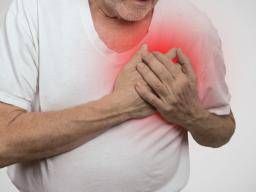

Acute coronary syndrome sounds like one of those phrases doctors drop when they want a room to get very quiet very fast. And honestly, that reaction is fair. ACS is not a minor heart hiccup. It is a medical emergency that happens when blood flow to the heart muscle suddenly drops or stops, usually because a coronary artery becomes blocked by a ruptured plaque and a blood clot. In everyday English: your heart is trying to do its job while its fuel line is getting pinched shut.
This guide breaks down what acute coronary syndrome is, what causes it, the symptoms people often miss, and how treatment works in the real world. We will also cover recovery, prevention, and what the experience can feel like before, during, and after an event. The goal is not to turn you into a cardiologist by lunch. It is to give you a clear, accurate, readable explanation of a condition where minutes matter.
What Is Acute Coronary Syndrome?
Acute coronary syndrome is an umbrella term for a group of conditions caused by sudden reduced blood flow to the heart. It includes three main problems:
1. Unstable angina
This is chest pain or pressure caused by reduced blood flow to the heart, but without clear evidence that heart muscle cells have died. It is still dangerous because it can be the warning shot before a full heart attack.
2. NSTEMI
NSTEMI stands for non-ST-elevation myocardial infarction. This is a type of heart attack in which heart muscle damage has occurred, usually because a coronary artery is severely narrowed or partly blocked. The electrocardiogram, or ECG, does not show the classic ST-segment elevation pattern, but blood tests such as troponin reveal heart muscle injury.
3. STEMI
STEMI stands for ST-elevation myocardial infarction. This is the dramatic one doctors race to open as quickly as possible. A coronary artery is usually completely blocked, and a large area of heart muscle is at risk. The longer the blockage lasts, the more damage can occur.
So yes, ACS includes heart attacks, but it is broader than that. Think of it as a spectrum of heart emergencies, ranging from unstable angina to full-throttle myocardial infarction.
What Causes Acute Coronary Syndrome?
The most common cause of acute coronary syndrome is atherosclerosis, which is the buildup of fatty plaque inside the coronary arteries. Over time, that plaque can become unstable. If it ruptures or erodes, the body reacts as if there is an injury and forms a blood clot. Unfortunately, that clot can block blood flow where blood flow is very much needed.
In many cases, ACS is not caused by a totally new problem that appears out of nowhere. It is the sudden eruption of a problem that may have been quietly building for years.
Common underlying causes
- Plaque rupture followed by a blood clot
- Severe narrowing of a coronary artery from long-term coronary artery disease
- Coronary artery spasm, which can briefly or severely reduce blood flow
- Rarely, spontaneous coronary artery dissection or other less common artery problems
Major risk factors
Several factors make ACS more likely. Some are changeable, and some are not. The usual suspects include:
- Smoking or tobacco use
- High blood pressure
- High LDL cholesterol
- Diabetes
- Obesity
- Physical inactivity
- A diet high in saturated fat, sodium, and ultra-processed foods
- Older age
- Family history of early heart disease
- Chronic stress and poor sleep, which do not help your heart’s mood at all
Having one risk factor does not guarantee ACS, and having none does not make someone invincible. But the more risk factors stack up, the more likely plaque is to build and eventually misbehave.
Symptoms of Acute Coronary Syndrome
The classic symptom is chest pain, but ACS does not always arrive wearing a giant neon sign that says “heart attack.” Sometimes it shows up like pressure, heaviness, tightness, squeezing, burning, or a strange feeling that something is very wrong. The body can be annoyingly poetic that way.
Common ACS symptoms
- Chest pain, pressure, squeezing, fullness, or discomfort
- Pain that spreads to the arm, shoulder, neck, jaw, back, or upper stomach
- Shortness of breath
- Nausea or vomiting
- Cold sweat or clammy skin
- Dizziness, lightheadedness, or fainting
- Sudden unusual fatigue
- A sense of anxiety or doom that feels very different from ordinary stress
Symptoms can be intense, but not always. Some people expect a movie-scene collapse with dramatic chest clutching. Real life can be subtler. A person may feel pressure rather than pain. They may think it is indigestion, a pulled muscle, or exhaustion. That is one reason ACS is dangerous: it does not always bother to introduce itself properly.
Do symptoms differ in women?
They can. Women may still have chest pain, but they are also more likely to report nausea, shortness of breath, back pain, jaw pain, dizziness, unusual fatigue, or indigestion-like symptoms. That does not mean chest discomfort is unimportant in women. It means the symptom pattern may be broader and easier to dismiss.
When should you call 911?
If chest discomfort lasts more than a few minutes, keeps coming back, or comes with shortness of breath, sweating, fainting, nausea, or pain radiating to the arm or jaw, call 911 immediately. Do not drive yourself if you can avoid it. Emergency responders can begin care on the way, and that time can matter.
How Doctors Diagnose Acute Coronary Syndrome
Once ACS is suspected, the medical team moves fast. The question is not just whether the patient has chest pain. The question is whether heart muscle is being starved of blood right now.
ECG
An electrocardiogram is usually one of the first tests. It records the heart’s electrical activity and helps doctors tell whether the pattern fits STEMI, suggests ischemia, or looks less dramatic but still concerning.
Troponin blood tests
Troponin is a protein released when heart muscle is damaged. Serial troponin tests help doctors distinguish unstable angina from NSTEMI and confirm whether a heart attack has occurred.
Imaging and artery testing
Depending on the situation, doctors may order echocardiography, chest imaging, or most importantly, coronary angiography. During angiography, dye is injected into the arteries so the team can see where blood flow is blocked and decide whether an artery needs to be opened with a procedure.
In other words, diagnosis is not based on one dramatic symptom alone. It is built from the story, the ECG, the blood work, and the anatomy of the coronary arteries.
Treatment for Acute Coronary Syndrome
The main goal of treatment is straightforward: restore blood flow, reduce heart damage, prevent complications, and keep the event from happening again. Straightforward goal, very high-stakes execution.
Emergency treatment right away
Initial treatment often includes antiplatelet medicine to reduce clotting, anticoagulants in selected cases, nitroglycerin for chest pain, statins, and other medicines depending on blood pressure, heart rhythm, and oxygen levels. Oxygen is used when oxygen saturation is low or respiratory distress is present, not just as a reflex accessory.
Percutaneous coronary intervention (PCI)
PCI, often called angioplasty with stenting, is one of the most important treatments for many people with ACS. A cardiologist threads a catheter into the blocked artery, inflates a tiny balloon, and often places a stent to keep the artery open. In STEMI, getting to PCI quickly is critical because the heart muscle is literally on a stopwatch.
Coronary artery bypass grafting (CABG)
Some patients need bypass surgery instead of or after PCI, especially if they have multiple severe blockages, left main coronary artery disease, or anatomy that is not ideal for stenting.
Important medications after the acute event
- Antiplatelet therapy: often aspirin plus another antiplatelet drug
- Statins: to reduce LDL cholesterol and stabilize plaque
- Beta-blockers: in appropriate patients to reduce strain on the heart
- ACE inhibitors or ARBs: often used when blood pressure, diabetes, or heart function make them helpful
- Nitroglycerin: for symptom control in some cases
Current guideline-based care often recommends dual antiplatelet therapy for about 12 months after ACS in patients who are not at high bleeding risk, though treatment length may be adjusted based on the person’s bleeding risk and overall clinical picture.
Possible Complications of ACS
Without rapid treatment, ACS can lead to serious complications, including:
- Heart rhythm problems such as dangerous arrhythmias
- Heart failure from weakened pumping function
- Cardiogenic shock
- Recurrent heart attack
- Sudden cardiac arrest
This is why ACS is never a “let’s just see how I feel tomorrow” situation. Tomorrow is not the goal. Blood flow now is the goal.
Recovery After Acute Coronary Syndrome
Surviving the emergency is the first chapter, not the whole book. Recovery includes physical healing, medication adherence, risk reduction, and often a major mental reset.
What recovery usually involves
- Taking prescribed medications consistently
- Following up with a cardiologist and primary care clinician
- Checking blood pressure, cholesterol, and blood sugar
- Stopping smoking completely
- Returning to activity gradually under medical guidance
- Participating in cardiac rehabilitation
Why cardiac rehab matters
Cardiac rehabilitation is one of the best underappreciated tools in heart care. It combines supervised exercise, education, counseling, and coaching to help patients regain strength, reduce fear, and lower the risk of another event. It is not a bonus feature. It is part of good recovery.
Can Acute Coronary Syndrome Be Prevented?
Not every event can be prevented, but many can. The best prevention strategy is to make the coronary arteries a less attractive place for plaque buildup and clot formation.
Smart prevention steps
- Quit smoking and avoid secondhand smoke
- Control blood pressure
- Lower LDL cholesterol
- Manage diabetes carefully
- Exercise regularly
- Eat more fruits, vegetables, whole grains, legumes, and healthy fats
- Limit trans fats, excess sodium, and heavily processed foods
- Maintain a healthy weight
- Sleep adequately and address chronic stress
- Take prescribed heart medications exactly as directed
If you already have coronary artery disease, these steps are even more important. Prevention after a first event is not optional homework. It is how you reduce the chances of meeting the same emergency again.
Acute Coronary Syndrome vs. Heart Attack: What’s the Difference?
People often use “acute coronary syndrome” and “heart attack” interchangeably, but they are not identical. ACS is the broader category. It includes unstable angina, NSTEMI, and STEMI. A heart attack usually refers to NSTEMI or STEMI, meaning heart muscle damage has actually occurred.
That difference matters because unstable angina may not show the same blood test pattern as a heart attack, yet it is still serious and may become a full heart attack without prompt treatment.
What Real-Life Experiences With ACS Often Feel Like
Medical articles tend to talk in clean, tidy categories. Real life is messier. A person might wake up thinking they slept funny and go to bed realizing they have a stent. Another might feel “off” for two days, blame stress, and only seek help when walking to the mailbox suddenly feels like climbing a mountain in wet concrete boots.
Many people describe the start of ACS as confusion more than drama. They expect severe pain and instead get chest pressure, upper back discomfort, nausea, or a weird wave of fatigue. Some say it felt like heartburn that would not behave. Others say it felt like an elephant on the chest, which sounds cliché until you hear how many people reach for the exact same comparison. The body, apparently, does love recurring metaphors.
In the emergency department, the experience often shifts from uncertainty to speed. Nurses attach monitors. Someone asks when the symptoms started. Another person starts an IV. The ECG happens quickly. Blood gets drawn for troponin testing. If the team suspects ACS, things can move with an intensity that is both terrifying and oddly reassuring. Terrifying because nobody rushes like that for a paper cut. Reassuring because everyone suddenly has a plan.
For patients who need PCI, the catheterization lab can feel surreal. The room is bright, the language is technical, and the whole moment seems to hover between routine procedure and life-changing event. Afterward, many patients remember not just relief, but shock. Relief that the blocked artery was opened. Shock that something this serious was happening while they were, just hours earlier, answering emails or debating what to have for lunch.
Recovery has its own emotional weather. Physically, some people feel better quickly, especially once blood flow is restored. Others deal with fatigue, weakness, soreness, medication side effects, or fear of every random twinge in the chest. Emotionally, anxiety is common. A lot of patients become hyperaware of their heartbeat. They may sleep badly, worry about exercising, or feel overwhelmed by medication schedules and follow-up appointments.
This is where support matters. Cardiac rehab helps, but so do ordinary human things: family members who learn the warning signs, friends who stop treating the patient like glass while still being helpful, and clinicians who explain the plan in normal language. People often say that what they needed most was a roadmap. What happened? What was fixed? What should I watch for now? Can I walk? Can I work? Can I trust my body again?
The good news is that many people do recover well, especially when treatment is fast and long-term prevention is taken seriously. The experience can become a turning point rather than just a trauma. Some patients quit smoking, change how they eat, get their blood pressure under control, and finally start taking symptoms seriously instead of negotiating with them. Not because they suddenly became perfect health monks, but because a close call has a way of clarifying priorities.
The key lesson from these real-world experiences is simple: do not wait for symptoms to become cinematic. Acute coronary syndrome can begin quietly, escalate quickly, and leave very little room for denial. If the body is sending up a flare, listen the first time.
Conclusion
Acute coronary syndrome is a medical emergency caused by a sudden drop in blood flow to the heart. It includes unstable angina, NSTEMI, and STEMI, and it usually starts with plaque buildup in the coronary arteries that becomes unstable and forms a clot. Symptoms often include chest pressure, shortness of breath, sweating, nausea, unusual fatigue, or pain that spreads to the arm, jaw, neck, or back. Diagnosis relies on speed, using ECGs, troponin tests, and artery imaging. Treatment may include medications, angioplasty and stenting, or bypass surgery, followed by long-term prevention through medication, cardiac rehab, and healthier daily habits.
If there is one takeaway worth taping to the refrigerator, it is this: suspected ACS is not the moment for guesswork, internet polls, or a brave little nap. It is the moment to get emergency care.