Helping your child master the building blocks of literacy doesn’t have to feel like a chore. In fact, when you integrate alphabet and phonics games into your daily routine, you transform abstract concepts like letter sounds and decoding into an exciting adventure. For young learners, these activities are far more than simple pastimes; they are essential brain training games that strengthen cognitive flexibility, memory, and concentration. By focusing on play-based learning, you create a supportive environment where children can comfortably explore language without the pressure of a formal classroom setting.
In this guide, we will explore how you can effectively nurture early reading skills through creative, hands-on strategies. From tactile sensory play to digital tools that sharpen memory concentration builders, you will discover actionable methods to grow your child’s language vocabulary builders while fostering a lifelong love of reading. Whether you are navigating early literacy milestones or looking for ways to support a child who is just starting to connect sounds to letters, these proven techniques offer a clear roadmap for home-based success.
1. Essential Alphabet and Phonics Games for Early Skill Development
1.1 Foundations of Letter Recognition and Phonics
1.1.1 Tactile sensory methods for letter tracing and formation
Early literacy is as much about muscle memory as it is about visual recognition. Tactile sensory methods engage multiple neural pathways, helping children anchor the shape of a letter to its symbolic meaning. Instead of relying solely on worksheets, try having children trace letters in trays filled with sand, shaving cream, or salt. These activities transform abstract symbols into physical experiences, which significantly improves retention.
1.1.2 Kinetic learning strategies using movement and play
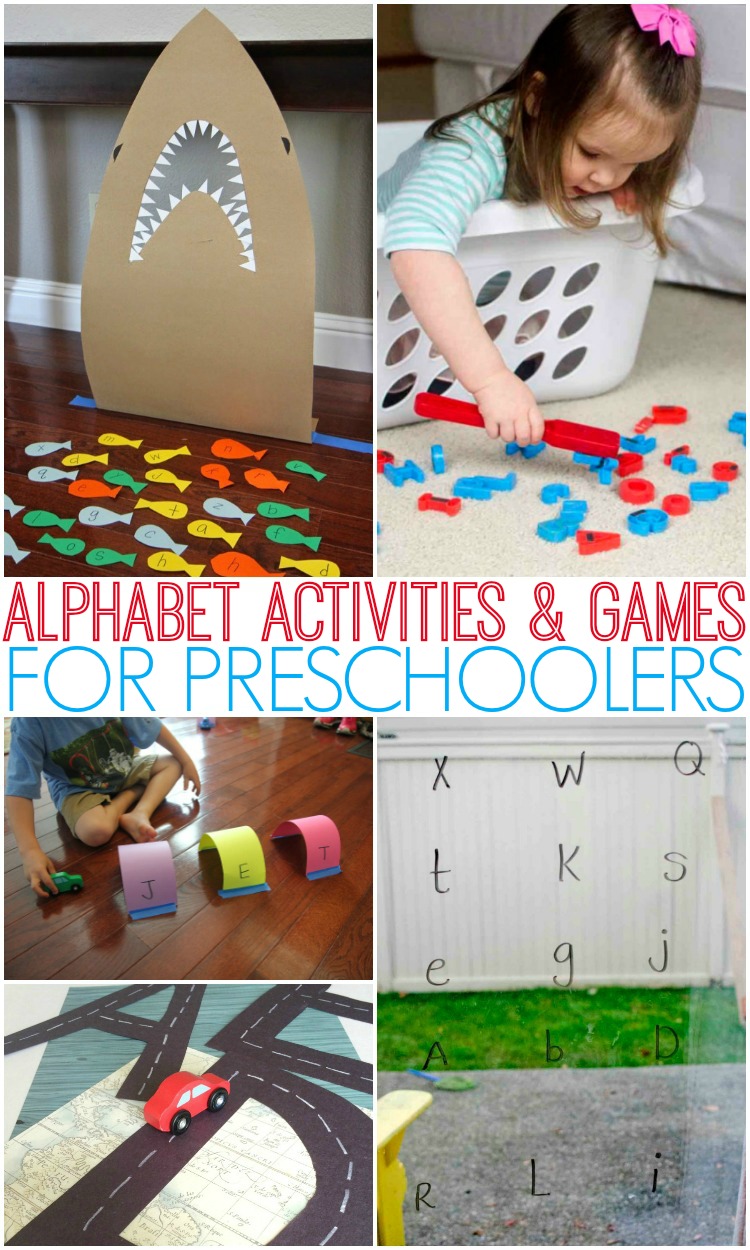
Children often learn best when their entire body is involved. Incorporating gross motor skills into alphabet and phonics games helps break the monotony of desk-based learning. You might hide letters around a room and have children jump, skip, or crawl to each one, shouting out the letter name or its primary sound upon arrival. This kinetic approach prevents physical restlessness from interfering with concentration, turning the act of learning into a high-energy game.
1.1.3 Integrating alphabet scavenger hunts into home environments
Scavenger hunts are powerful tools for reinforcing letter recognition in real-world contexts. Ask your child to find three objects that begin with the “b” sound, or have them hunt for items shaped like specific letters. This practice encourages children to see the alphabet as a functional tool for naming their environment, effectively acting as language vocabulary builders while they explore the house.
1.2 Building Phonemic Awareness and Reading Readiness
1.2.1 Techniques for mastering sound blending and segmentation
Blending sounds to form words is the cornerstone of reading. Games that focus on breaking words apart—segmentation—and putting them back together—blending—are vital. Use physical blocks or counters, sliding one forward for each sound heard in a word like “cat” (c-a-t). This visual aid helps children understand that words are composed of individual phonemes, a critical step before they transition to reading complete sentences.
1.2.2 Using rhyme and rhythm to improve auditory discrimination
Rhyming games build the auditory sensitivity required to distinguish subtle differences in speech. By playing simple rhyming bingo or singing songs that emphasize repetitive vowel sounds, children become more adept at identifying phonetic patterns. This auditory discrimination is the “brain training” component of literacy, teaching the mind to categorize and manipulate sounds efficiently.
1.2.3 Gamifying digraphs and sight word recognition for early readers
Once basic sounds are mastered, it is time to move toward digraphs—two letters making one sound—and sight words. Create “word fishing” games where kids catch fish labeled with common digraphs like “sh,” “ch,” or “th.” By gamifying these building blocks, you reduce the anxiety often associated with memorizing complex spelling rules and foster a positive attitude toward reading challenges.
1.3 Digital Versus Analog Learning Environments
1.3.1 Maximizing tactile memory through physical play materials
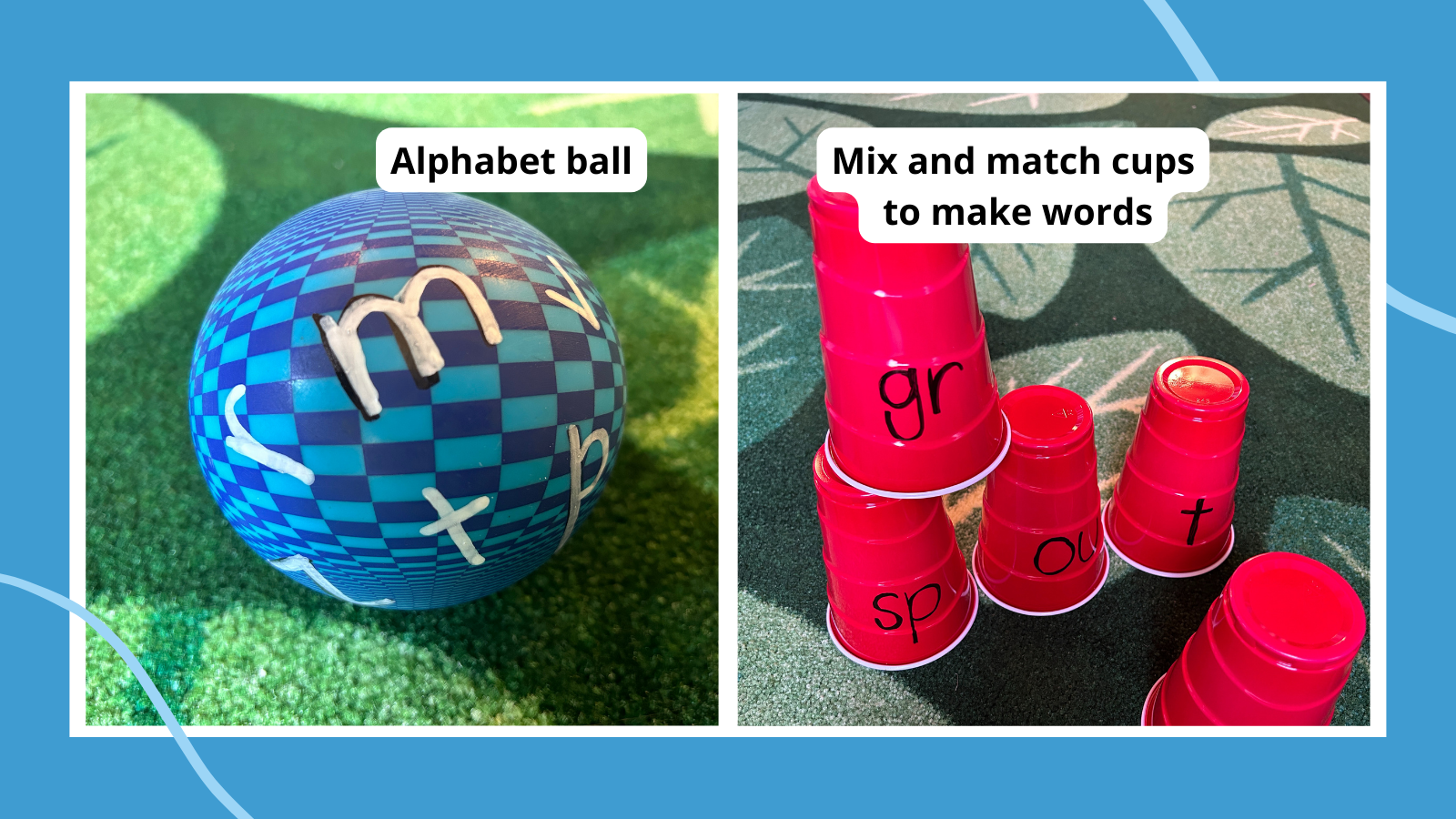
Physical materials, such as magnetic letters, sandpaper cards, or wooden blocks, provide immediate, tangible feedback that screens cannot replicate. These items allow children to manipulate letter sequences physically, which is essential for reinforcing the structural concepts of language.
1.3.2 Selecting educational apps that encourage active cognitive participation
When incorporating digital tools, prioritize apps that require active cognitive participation rather than passive watching. The best apps function as brain training games, asking children to sort sounds, complete patterns, or solve literacy-based puzzles. Look for software that provides instant, encouraging feedback to keep the child engaged and motivated.
1.3.3 Establishing a healthy balance between screen time and hands-on practice
The goal of any literacy routine is to build cognitive strength, which is best achieved through a hybrid approach. Use digital apps for quick, interactive drills and reserve hands-on activities for deeper conceptual exploration. By balancing screen-based phonics practice with physical, multi-sensory play, you ensure a well-rounded foundation that supports long-term reading success.
2. Sustaining Literacy Progress and Overcoming Learning Challenges
Consistency is the secret ingredient to building long-term reading confidence. Once your child begins to grasp the basics, the goal shifts from active study to integrating these skills into the fabric of everyday life. By weaving learning into daily habits, you reinforce these skills without creating the pressure often associated with formal lessons.
2.1 Integrating Phonics into Daily Routines
You can turn mundane moments into powerful educational opportunities. In the kitchen, involve your child in reading labels or following simple, illustrated recipes. Pointing out the initial sounds of ingredients like “b-b-banana” or “c-c-carrots” creates a natural connection between phonics and the real world. During travel or car rides, play simple auditory games. Ask your child to identify objects outside the window that start with a specific letter sound, which serves as an excellent way to practice phonemic awareness while keeping them engaged during transit.
Bedtime stories offer perhaps the most valuable opportunity for growth. Instead of simply reading to your child, transform the process into an interactive literacy session. Invite them to finish the rhyme in a poem, or pause at a word they have recently learned to identify and ask them to sound it out. This practice not only strengthens reading readiness but also nurtures a lifelong love for literature.
2.2 Identifying and Supporting Literacy Hurdles
Even with the best tools, children often encounter road bumps. It is normal for young learners to struggle with specific concepts, such as letter reversals (confusing b and d) or blending complex sounds. If you notice persistent frustration, remember that these challenges are often developmental. To support them, keep lessons short, low-pressure, and highly playful. If a child hits a wall, pivot to a different activity or take a break to ensure that reading remains a positive experience rather than a source of stress.
Recognizing early indicators of potential delays—such as difficulty rhyming or persistent trouble remembering letter-sound associations—is key to early intervention. If you are looking for ways to expand their overall cognitive toolkit, you might explore best language vocabulary builders to help bridge the gap between simple phonics and complex comprehension.
2.3 Frequently Asked Questions About Phonics Instruction
Parents often wonder about the “when” and “how much” of literacy development. Generally, children are ready for structured phonics games when they show an interest in print and begin to identify individual letters, often around age four or five. As for time commitments, consistency beats intensity; fifteen to twenty minutes of focused, fun practice per day is far more effective than an hour of forced instruction.
When choosing materials, prioritize high-impact tools that offer tactile or multi-sensory engagement. Finally, remember that the most successful approach balances phonics-based decoding with whole-word sight word recognition. Phonics provides the mechanical skills to unlock unknown words, while sight words build the fluency necessary for reading speed and overall comprehension. By blending these two approaches, you provide your child with a comprehensive and balanced foundation for reading success.
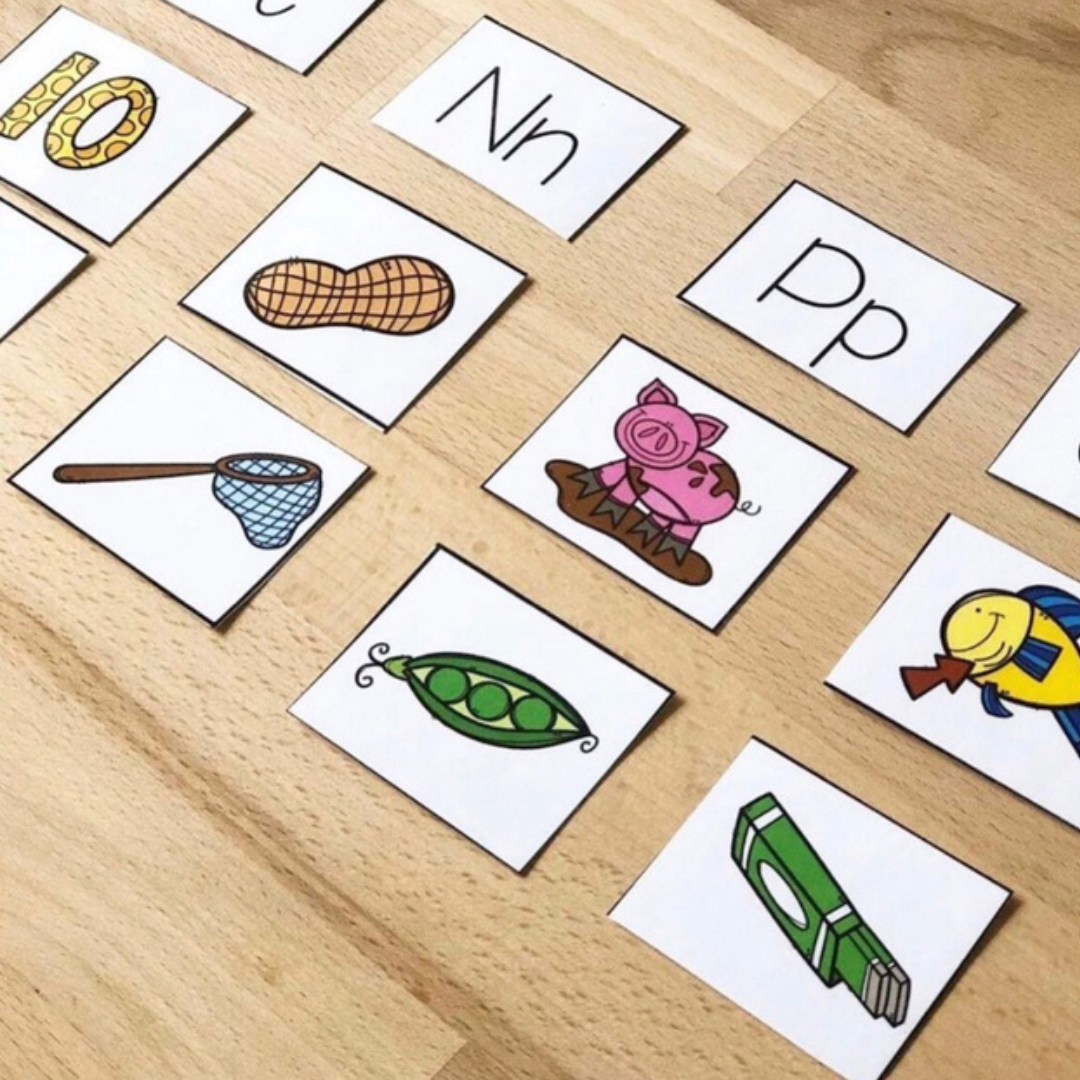
Ultimately, the journey toward literacy is a marathon, not a sprint. By incorporating alphabet and phonics games into your daily life, you are doing more than just teaching letters; you are laying a cognitive foundation that supports lifelong learning. Whether you are using tactile tracing activities, building memory concentration with simple card games, or exploring digital tools, the key remains consistency and playfulness. Remember that the goal is to foster a genuine love for language, helping your child see reading as an exciting adventure rather than a chore.
As you continue this journey, keep your expectations realistic and celebrate even the smallest milestones. If you are looking to expand your child’s educational toolkit beyond reading, you might find our guide on language vocabulary builders to be a valuable resource for further growth. Stay patient, stay curious, and keep the conversation going, as your active involvement is the most powerful tool in your child’s development. With the right balance of support, patience, and fun, your child will be well on their way to becoming a confident, capable reader.