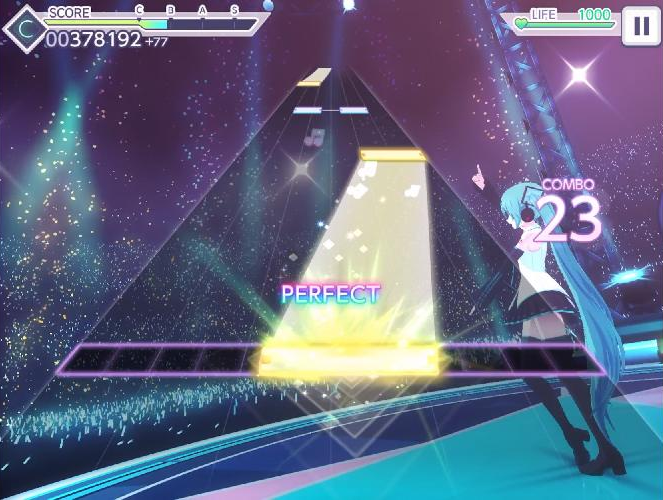
There is a unique thrill that comes from syncing your movements to the beat in rhythm arcade challenges. Whether you are a fan of retro pixel arcade games or modern, fast-paced rhythm titles, the goal remains the same: achieving that perfect run. However, moving from a casual player to a leaderboard topper requires more than just a sense of timing; it demands a blend of technical preparation, physical consistency, and mental fortitude. These arcade skill games often push your reflexes to the limit, turning simple note-tapping into a complex display of reflex based obstacle dodging and pattern recognition.
In this guide, we will break down the essential strategies to help you elevate your gameplay. From optimizing your hardware settings to mastering the psychological aspects of flow state, you will learn how to improve your accuracy, sustain focus during grueling sessions, and ultimately secure your place among the top performers in the community. If you are ready to refine your technique and chase those elusive high scores, let’s dive into the core mechanics of success.
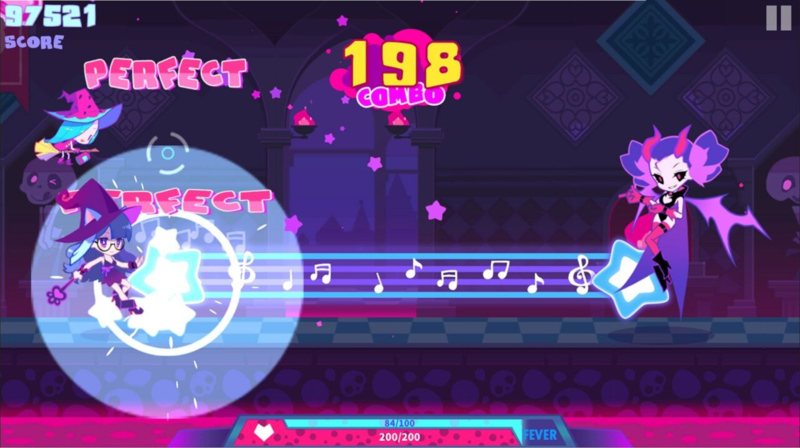
1. Essential Foundations for Mastering Rhythm Arcade Challenges
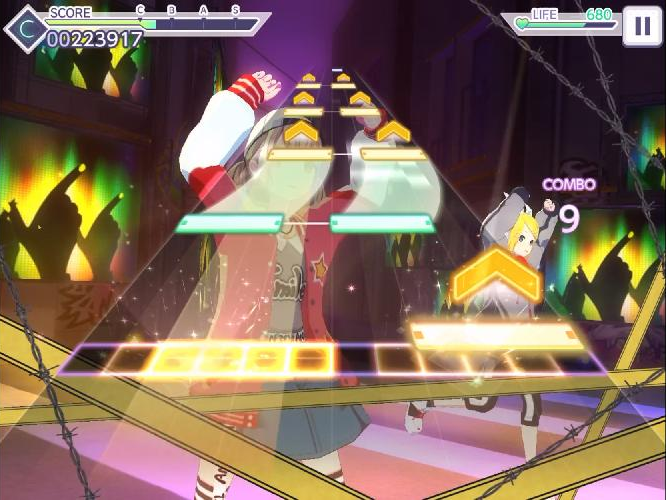
To reach the upper echelons of the leaderboards, you must move beyond casual play and treat your setup and personal technique as a professional system. Mastering rhythm arcade challenges is as much about environmental control as it is about innate timing, and building a solid foundation is the prerequisite for any serious high score hunter.
1.1 Optimizing Hardware and Environment for Peak Performance
Your equipment creates the interface between your mind and the game. If your hardware is lagging, your inputs will never match the visual cues on screen.
1.1.1 Selecting the optimal arcade controller or cabinet configuration
Whether you are using a dedicated rhythm cabinet or a console-based controller, consistency is king. Use a controller that offers tactile feedback and minimal travel distance for buttons. If you are playing retro pixel arcade games, verify that your interface supports multi-button inputs without ghosting, as complex patterns often require rapid, simultaneous keystrokes.
1.1.2 Calibrating display latency and audio synchronization settings
Most modern displays introduce slight input lag that can ruin your timing window. Dive into the game’s settings menu to calibrate the audio-visual sync. Most top-tier arcade skill games allow you to adjust the hit-timing offset. Run the calibration tool multiple times to find the average millisecond delay of your specific setup to ensure your inputs align perfectly with the beat.
1.1.3 Establishing ergonomic posture to prevent fatigue and injury
Rhythm gaming can be physically demanding. Maintain a neutral spine and ensure your hands are positioned at a height that allows for natural wrist movement. Tense shoulders lead to restricted blood flow and rapid fatigue. By keeping your elbows slightly loose and your hands hovering comfortably over the inputs, you preserve stamina for longer, high-density tracks.
1.2 Developing Fundamental Rhythm and Sight-Reading Skills
High-level play requires the ability to translate visual patterns into subconscious action without pausing to think about individual notes.
1.2.1 Techniques for internalizing complex musical time signatures
Don’t just watch the screen; listen to the song structure. Effective players internalize the underlying beat, effectively using the music as a metronome. Focus on identifying the kick-drum and snare patterns, which often dictate the core rhythmic backbone of the note chart.
1.2.2 Building muscle memory through repetitive pattern recognition
Repetition is the primary driver of skill acquisition. By playing the same song segments until they feel second nature, you move the cognitive burden from your conscious mind to your motor cortex. This “muscle memory” allows you to react to complex sequences at speeds that would be impossible to process consciously.
1.2.3 Utilizing peripheral vision to track high-density note clusters
Avoid staring at the exact point where notes hit the trigger zone. Instead, fix your gaze higher up the screen to read the incoming “note highway” in advance. By using your peripheral vision to track high-density note clusters, you can anticipate incoming spikes in difficulty and prepare your hands before the notes even arrive.
1.3 Strategies for Consistent Practice and Skill Progression
Progress is rarely linear, and deliberate practice is the key to breaking through barriers that stop casual players.
1.3.1 Graduating from beginner to master difficulty tiers effectively
Avoid the trap of only playing songs you can already clear with ease. Push yourself by alternating between songs you can perfect and songs that currently push your limits. A healthy mix of comfort and struggle promotes faster growth in high score arcade games.
1.3.2 Designing isolated practice drills for specific song segments
If a specific bridge or chorus consistently ends your streak, don’t restart the entire song. Practice that 5-to-10-second segment in isolation. By looping difficult patterns, you can refine your technique without the mental fatigue of playing through the rest of the track.
1.3.3 Overcoming common performance plateaus with deliberate practice
When you stop seeing score improvements, change your methodology. Try playing at a slightly higher speed or recording your sessions to analyze where your timing breaks down. Often, a plateau is simply a sign that you have mastered your current technique and need to refine your approach to reflex-based obstacle dodging or complex synchronization.
2. Advanced Technical Tactics for High Score Achievement
2.1 Decoding Scoring Systems and Accuracy Metrics
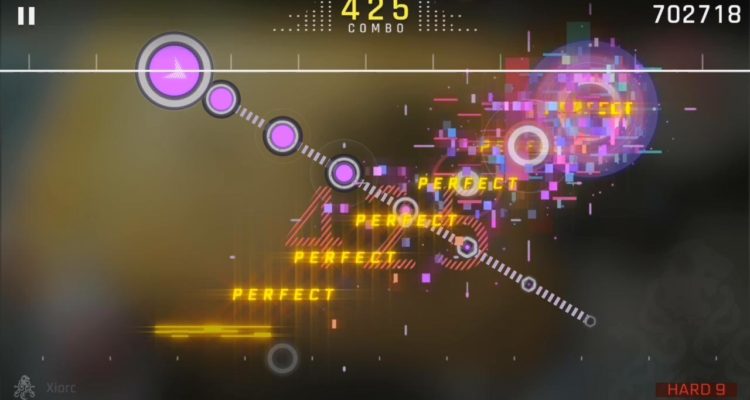
To reach the top of the leaderboards in high score arcade games, you must move beyond simply hitting notes and start analyzing the mechanics under the hood. Most rhythm titles utilize a precision-based scoring system where your timing window determines the point yield per input. You need to understand how the game classifies your performance—whether through letter grades or numerical precision values—to identify where you are leaking potential points.
Balancing note precision against speed requirements is the true test of an arcade expert. Often, players prioritize surviving dense note clusters over hitting them perfectly, which results in a high completion rate but a mediocre score. To maximize your output, focus on the “perfect” or “rainbow” timing windows. If the game offers a replay feature or a data breakdown after a song, use it to review where your accuracy dips. By identifying recurring point-loss patterns, such as consistently hitting early on fast-paced sections, you can adjust your internal rhythm to align with the game’s specific latency expectations.
2.2 Psychological Mastery and Mental Conditioning
The difference between a solid run and a personal best is often mental. Maintaining a flow state—that immersive zone where your actions feel automatic and effortless—is critical when tackling high-density challenges. When competitive pressure mounts, it is common to overthink, leading to jittery movements and broken streaks.
Even the best players experience “miss-trauma,” the frustration that occurs after a single mistake ruins a full-combo attempt. The key is to detach your emotional state from your streak. If you lose your rhythm, take a split second to reset rather than panic-tapping. Implementing simple breathing exercises between phrases can help you lower your heart rate and sustain the intense focus required for longer sessions. Learning to stay calm when the screen is flooded with notes is a skill that separates casual players from masters of retro pixel arcade games.
2.3 Community Integration and Competitive Growth
Growth in the rhythm genre is rarely a solo endeavor. Global leaderboards serve as the ultimate benchmark for your progress, showing you exactly how much room for improvement exists. By observing the replays of top-tier players, you can gain insights into their movement patterns and how they approach complex sections that might be stalling your development.
Engaging with arcade communities is equally vital. Whether through online forums or local meetups, sharing hardware tips can reveal tricks you might have missed—such as specific button-mapping layouts or cabinet settings that reduce input lag. As you prepare for tournament-style environments, simulate high-stakes pressure by setting artificial goals or competing against friends in head-to-head matches. Exchanging knowledge with others helps you adapt to new playstyles and keeps your skills sharp, ensuring you remain competitive as the meta evolves.
Mastering rhythm arcade challenges is a journey that balances technical precision with mental endurance. By optimizing your physical setup, developing muscle memory through deliberate practice, and honing your psychological resilience, you transform from a casual player into a true contender for the global leaderboards. Remember that even the highest-ranking players started with missed notes and frustrating plateaus; the key to improvement lies in consistent, focused effort rather than just raw playtime.
Whether you are drawn to the nostalgic charm of retro pixel arcade games or the fast-paced intensity of modern reflex-based titles, the principles of rhythm and timing remain universal. Keep experimenting with your settings, seek out community-driven tips, and most importantly, stay patient with your progress. If you are looking to expand your horizons beyond the rhythm genre, explore our guide to the best retro pixel arcade games to find your next high-score obsession. Now, step up to the cabinet, calibrate your gear, and let the music dictate your path to victory.