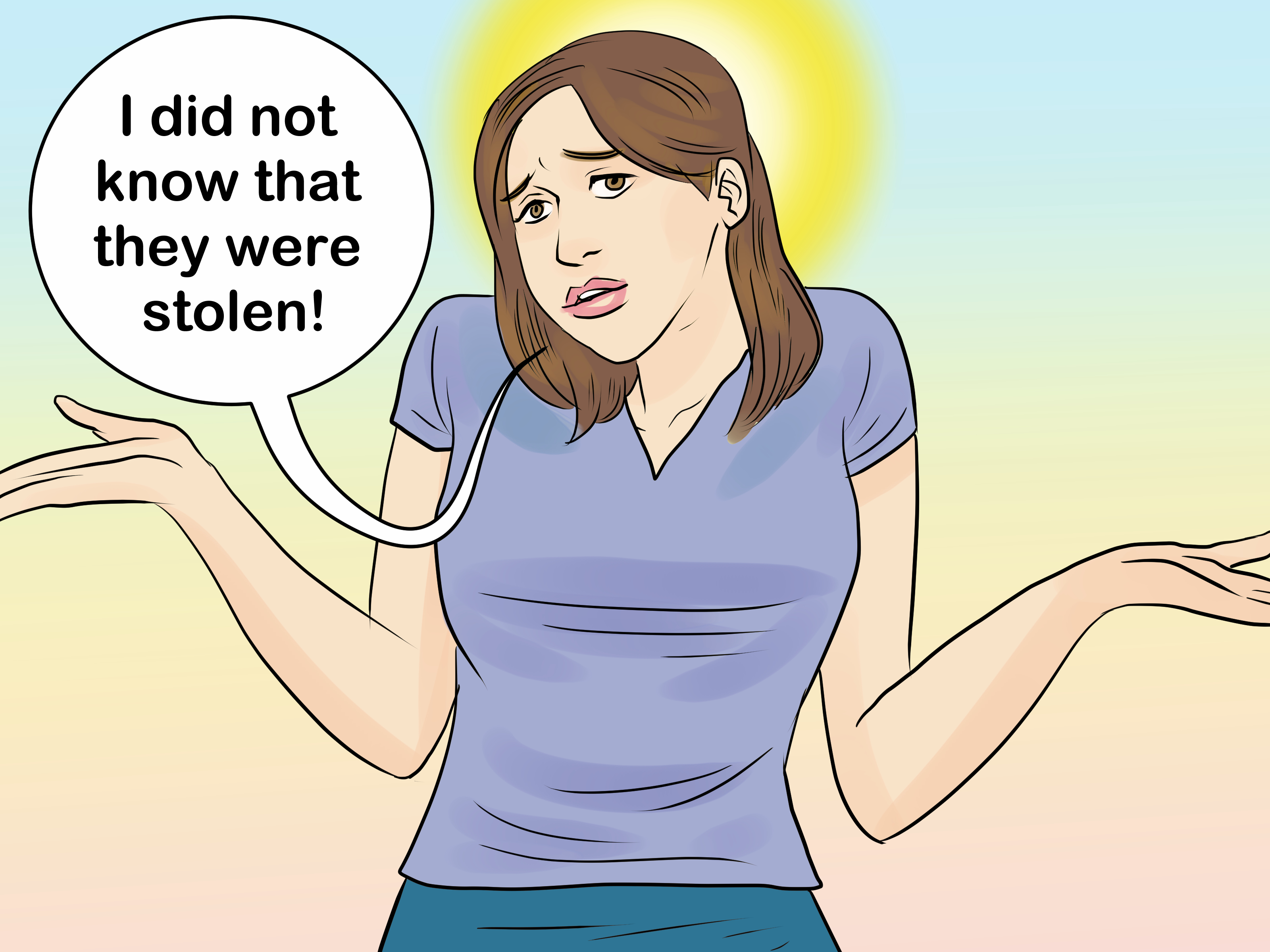

You thought you found the deal of the year: a nearly new laptop, professional power tools, a designer watch, or a bicycle priced low enough to make your wallet perform a small victory dance. Then the serial number is reported stolen, the original owner contacts you, or the police arrive with questions.
Discovering that you unknowingly bought stolen property can be frightening. You may worry about losing your money, surrendering the item, or being treated like the person who stole it. The good news is that an innocent buyer is in a very different position from someone who knowingly purchases, conceals, or resells stolen goods. The less-good news is that innocence does not automatically let you keep the property or guarantee a refund.
Your response after learning the truth matters. The safest approach is to stop using or transferring the item, preserve every piece of evidence, notify the proper authorities, and promptly pursue reimbursement. In other words, this is not the moment to panic, delete your messages, or list the item for sale with the description “mysteriously discounted.”
This guide explains three practical ways to protect yourself after unknowingly buying stolen property in the United States. Because criminal laws, civil ownership rules, and consumer remedies vary by state and by transaction, the information below is general education rather than legal advice.
Why Unknowingly Buying Stolen Property Is Complicated
Two separate questions usually arise when stolen property turns up in an innocent buyer’s hands:
- Could the buyer face criminal liability?
- Who has the legal right to possess the property?
Many state receiving-stolen-property laws focus on whether a person knew the property was stolen and, in some jurisdictions, whether the circumstances should have prompted further investigation. California law, for example, criminalizes buying, receiving, concealing, selling, or withholding stolen property with knowledge of its stolen status. It also creates additional reasonable-inquiry duties for certain professional dealers. New York similarly requires knowing possession plus an intent to benefit someone other than the owner or obstruct the owner’s recovery.
That means an honest purchase supported by normal documentation may help demonstrate your lack of criminal intent. However, once you learn that the item is probably stolen, continuing to hide, use, transfer, or resell it can make the situation considerably worse. That is a practical inference from laws that focus on knowing possession, concealment, or interference with the owner’s recovery.
Ownership is a separate issue. Under the Uniform Commercial Code, a purchaser generally obtains only the title that the seller possessed or had authority to transfer. A thief normally cannot give an innocent buyer a better ownership interest than the thief had. There are important exceptions involving voidable title, good-faith purchasers, merchants, and entrusted goods, so high-value disputes should be reviewed by a qualified attorney.
In plain English, you might be innocent of wrongdoing and still be required to surrender the property. Your main financial claim may then be against the dishonest seller, the marketplace, the payment provider, or another party involved in the transaction.
1. Stop the Transaction Trail and Preserve Your Evidence
Your first protective move is to freeze the situation. Do not sell the item, give it away, hide it, modify identifying marks, ship it elsewhere, or return it to the seller without guidance from law enforcement or an attorney.
If the item is a vehicle, bicycle, phone, computer, firearm, piece of equipment, collectible, or other traceable product, avoid removing or altering its serial number, vehicle identification number, IMEI, engraving, registration label, or custom markings. Changes that look innocent to you may look suspicious to an investigator later.
Create a Complete Purchase File
Immediately save everything connected with the transaction. Useful records include:
- The original advertisement or marketplace listing
- Photos included in the listing
- The seller’s profile, username, phone number, and email address
- Messages, emails, text conversations, and call logs
- Receipts, invoices, bills of sale, and payment confirmations
- Shipping labels, packaging, tracking information, and delivery records
- The date, time, and location of an in-person exchange
- Vehicle descriptions or license plate numbers connected with the seller
- Names of witnesses who attended the transaction
- Serial numbers, photographs, and the present condition of the property
Take screenshots before the seller deletes the listing or closes the account. Save copies in more than one location. Export conversations when possible instead of relying exclusively on screenshots, which can omit dates or surrounding context.
Write a factual timeline while the details are fresh. Record when you saw the listing, what questions you asked, how the seller explained the low price, how you paid, when you received the item, and how you learned it might be stolen. Avoid exaggeration, speculation, or creative detective fiction. A boring, accurate timeline is far more useful than a dramatic one.
Document Your Good-Faith Purchase
Evidence that you behaved like an ordinary buyer may become important. Perhaps the price was reasonably consistent with similar used items. Maybe the seller provided identification, a believable ownership explanation, accessories, original packaging, or a signed bill of sale. Perhaps you checked the serial number before buying and found no active theft report.
None of these facts guarantees that you can keep the item, but they may help show that you did not knowingly participate in a theft scheme.
On the other hand, do not destroy evidence of warning signs. A strangely low price, a seller who refused to provide a receipt, scratched-off serial numbers, or messages demanding immediate cash may be uncomfortable facts, but deleting them can create a much larger problem. Preserve the full record and explain the circumstances honestly.
Keep the Property Secure
Store the item in a safe place while waiting for instructions. Do not continue carrying an allegedly stolen phone, driving a questionable vehicle, or using tools that may be needed as evidence. If the item presents a safety risk or is illegal to possess, contact law enforcement immediately and follow their directions rather than transporting it unnecessarily.
2. Report the Situation and Cooperate With the Proper Authorities
Once you have reasonable evidence that the property was stolen, contact your local police department or the agency handling the original theft. Explain that you purchased the item without knowing its history and that you have preserved the seller’s information and transaction records.
Do not contact the suspected seller to threaten, confront, or trick that person into a meeting. Do not arrange a handoff with someone claiming to be the original owner unless law enforcement confirms the procedure. A person who knows your address, payment account, or phone number may react unpredictably when confronted.
Ask for a Case Number and Property Receipt
When making the report, request the incident or case number and the investigating officer’s contact information. If police take possession of the item, ask for a written property receipt describing what was surrendered, its identifying numbers, and its condition.
This documentation can support a marketplace claim, insurance claim, credit-card dispute, civil lawsuit, or tax-loss discussion. It also helps prevent confusion about whether you voluntarily returned the item to a stranger or officially transferred it to law enforcement.
Major marketplaces encourage users who discover stolen property to contact police. eBay prohibits stolen goods and directs users who see stolen property to notify local law enforcement. OfferUp similarly advises users to report criminal activity to law enforcement first and then submit the incident and case details to the platform.
Give Investigators the Seller’s Information
Provide the complete transaction file rather than sending selected screenshots. Details that seem minorsuch as a shipping address, account name, license plate, profile photo, tracking number, or repeated wording in several listingsmay connect the seller to other thefts.
Be clear about what you know personally and what someone else told you. For example, say, “The police database reportedly identified this serial number as stolen,” rather than declaring that the seller personally committed the theft unless you have direct evidence.
Report Online and Mail-Related Fraud
If the transaction occurred through an online marketplace, report the seller and listing through the platform’s official complaint system. Do not move the conversation off-platform after discovering the problem because the marketplace may need access to its internal messages and payment records.
The Federal Trade Commission advises consumers to contact the seller, notify the marketplace, dispute eligible card transactions, and report dishonest businesses to the FTC and the appropriate state attorney general.
For an internet-enabled scheme, you may also submit a report to the FBI’s Internet Crime Complaint Center. IC3 serves as a central reporting hub for cyber-enabled fraud and encourages reports even when a consumer is unsure whether a complaint qualifies.
If the U.S. Mail was used to deliver the property, payment, or fraudulent documents, the U.S. Postal Inspection Service accepts reports involving mail fraud and online-auction schemes.
These reports do not guarantee that an investigator will recover your money. They create official records, help agencies identify repeat offenders, and may strengthen a later refund or restitution request.
Cooperate Without Giving Up Important Rights
Answer basic questions truthfully, but do not guess. If investigators begin treating you as a suspect, ask whether you are free to leave and consider speaking with a criminal-defense attorney before giving a detailed statement.
This is especially important when the purchase involved a large amount of money, repeated transactions with the same seller, altered identification numbers, regulated goods, or facts that could be interpreted as deliberate avoidance of obvious warning signs.
3. Pursue a Refund and Protect Your Financial Position
Returning stolen property does not automatically return your payment. You will often need to pursue the seller, marketplace, payment company, card issuer, insurer, or court separately.
Open a Marketplace Claim Immediately
Contact the marketplace’s customer-service or fraud department as soon as possible. Explain that law enforcement identified or seized the item as stolen. Provide the case number, property receipt, listing, messages, proof of payment, and any written verification of the item’s status.
Use precise language. The problem is not merely that you changed your mind or disliked the product. The seller allegedly lacked the legal right to sell the item, and you did not receive lawful ownership as represented.
Marketplace protections have deadlines and exclusions. They may also depend on whether you completed the payment through the platform. Paying a seller directly by cash, wire transfer, cryptocurrency, gift card, or an off-platform payment app can eliminate protections that would otherwise be available.
Contact the Payment Provider
If you paid by credit card, contact the card issuer promptly and ask how to dispute the transaction. The Consumer Financial Protection Bureau states that consumers generally should send a written billing-error notice within 60 calendar days after the charge first appears on the statement to preserve federal billing-error rights. Keep copies of the notice and records of every call.
A stolen-property purchase may not fit every card dispute category perfectly, so describe the facts accurately and submit supporting police or marketplace documents. Do not falsely label an authorized purchase as an unauthorized charge.
Debit cards, bank transfers, peer-to-peer payment services, and cryptocurrency generally offer different protections. Contact the provider immediately because some recovery windows are extremely short.
PayPal’s Purchase Protection program may cover certain eligible transactions when an item is not received or is significantly different from its description. Eligibility depends on the payment type, transaction details, deadlines, exclusions, and documentation, and PayPal may require the item to be returned to a designated party.
Send a Written Demand to the Seller
If law enforcement does not instruct you to avoid contact, consider sending the seller a concise written demand for reimbursement. State the purchase date, item, amount paid, police case number, and deadline for repayment. Avoid insults, threats, public accusations, or claims that you will have the seller arrested unless payment is made.
For a high-value purchase, have an attorney prepare the demand. A professionally written letter may also identify legal claims such as fraud, breach of contract, misrepresentation, unjust enrichment, or violations of state consumer-protection law.
Consider Small Claims Court or a Civil Lawsuit
If the seller refuses to refund you, small claims court may be practical when the amount falls within your state’s limit and the seller can be identified and served. Bring the listing, payment record, seller communications, police report, proof that the item was surrendered, and copies of your refund requests.
For expensive vehicles, jewelry, machinery, art, or business inventory, consult a civil attorney before accepting a settlement or signing a release. Ownership disputes involving merchants, consignment, fraud, entrusted property, or competing good-faith purchasers can become legally complex.
Ask About Restitution
If the seller is prosecuted, tell the investigator or victim-witness coordinator that you suffered a financial loss. Courts may order a convicted offender to reimburse qualifying victims through restitution, although recovery is not automatic and may take considerable time. The Department of Justice notes that restitution can cover certain direct financial losses connected with an offense.
Keep every document showing your loss, including the purchase price, transaction fees, shipping costs, appraisal fees, towing charges, storage expenses, and other directly related costs. Whether a particular expense qualifies will depend on the case and applicable law.
What You Should Not Do
Do Not Resell the Property
Reselling the item after learning it is stolen can expose another buyer to loss and may be treated very differently from your original innocent purchase.
Do Not Hide or Destroy Evidence
Deleting the seller’s messages, discarding packaging, removing serial numbers, or inventing a receipt can make an innocent situation appear dishonest.
Do Not Demand Payment From the Original Owner
The original owner generally did not cause your loss. Demanding that the owner reimburse you before you release the property may create additional legal problems. Direct your refund claim toward the seller and other parties responsible for the transaction.
Do Not Conduct Your Own Sting Operation
Trying to lure the seller into a confrontation may endanger you, interfere with an investigation, or alert the seller to destroy evidence. Give the information to law enforcement and let trained investigators decide what happens next.
How to Reduce the Risk Before Buying Used Property
No checklist can eliminate every risk, but a few precautions can make it harder for a dishonest seller to turn you into the final stop on a stolen item’s road trip.
- Compare the price with normal market value.
- Ask why the seller is selling the item.
- Request the original receipt or another ownership record.
- Check serial numbers, VINs, IMEIs, or registration records when databases are available.
- Inspect identifying numbers for scratches, repainting, mismatched labels, or removal.
- Use a written bill of sale containing the seller’s name, contact information, item description, serial number, price, date, and ownership warranty.
- Meet in a safe public location, preferably a designated police or marketplace exchange area.
- Keep communication and payment inside the marketplace whenever possible.
- Use a payment method that offers documented buyer protection.
- Walk away when the seller refuses ordinary questions or creates artificial urgency.
The FTC warns consumers against marketplace sellers who insist on payment methods that are difficult to reverse, such as gift cards, wire transfers, payment apps in suspicious circumstances, or cryptocurrency. Craigslist likewise advises local, face-to-face transactions and warns against advance payments, wire transfers, gift cards, and requests for personal financial information.
Experience-Based Lessons From Common Stolen-Property Scenarios
The following examples are composites based on common consumer situations. They are not descriptions of specific clients or promises that every case will end the same way.
Experience 1: The Bargain Laptop With a Corporate Asset Tag
A buyer purchases a high-end laptop from a marketplace seller for roughly half its normal used value. The seller says the computer came from a business liquidation and insists on meeting in a parking lot. The laptop works, but several days later the buyer notices the outline of a removed asset label. After entering the serial number into the manufacturer’s support system, the buyer learns that a company has reported the device missing.
The strongest response is not to wipe the laptop, remove the remaining labels, or message the seller with accusations. The buyer photographs the computer, saves the listing and conversation, backs up the payment record, and contacts police. When the computer is surrendered, the buyer obtains a property receipt and case number. Those documents become the foundation of a card dispute and marketplace claim.
The lesson is simple: suspicious physical markings should be documented, not “cleaned up.” A buyer who preserves the evidence can show what condition the property was in when received.
Experience 2: The Used Bicycle Claimed by Its Original Owner
A cyclist buys a used bicycle at a fair-looking price. Months later, another person recognizes a custom paint repair and says the bicycle was stolen. The claimant produces older photographs and a matching frame number.
The buyer should not immediately hand over the bicycle on the sidewalk, but neither should the buyer refuse to cooperate. The safest approach is to contact police, provide the documentation, and arrange any transfer through the investigating agency. This protects the real owner, the buyer, and the chain of evidence.
The buyer may still lose the bicycle because an innocent purchase does not necessarily defeat the original owner’s rights. However, a formal police record gives the buyer stronger support when seeking reimbursement from the seller.
Experience 3: Tools Purchased in Several Cash Transactions
A small contractor repeatedly buys discounted power tools from the same person. The first transaction appears ordinary. By the fourth purchase, however, several tools have scratched serial-number plates, the seller refuses to provide receipts, and the explanation for obtaining the inventory keeps changing.
This scenario illustrates why timing matters. The contractor may have bought the first tool without suspicion, but repeated warning signs can weaken the claim that every later purchase was completely innocent. Professional resellers and business buyers may also face greater expectations to investigate questionable inventory.
The protective move is to stop buying immediately, preserve every prior communication, inventory the tools, and obtain legal advice before contacting the seller. Trying to sell the tools quickly to recover the cash would turn a difficult problem into a much more serious one.
Experience 4: The Off-Platform Payment Problem
A buyer finds a camera through a well-known marketplace but agrees to pay the seller directly through a bank transfer to save on fees. When police later seize the camera as stolen, the marketplace explains that the payment was completed outside its system.
The buyer still has options, including a police report, bank notification, written demand, consumer complaint, and possible civil claim. However, the strongest marketplace protections may be unavailable because the buyer bypassed the platform’s checkout process.
The practical lesson is that transaction fees sometimes purchase something valuable: a documented payment trail, dispute procedures, seller-account records, and buyer-protection eligibility. Saving a small fee can become remarkably expensive when the item disappears into an evidence room.
The Pattern Behind These Experiences
Across these scenarios, the buyers who best protect themselves tend to do four things consistently: they stop moving the property, preserve evidence, create an official report, and pursue repayment through every legitimate channel. They do not assume that one phone call will solve everything.
They also separate the ownership problem from the refund problem. Cooperating with the return of stolen property does not mean abandoning a claim against the seller. Likewise, demanding a refund does not give a buyer the right to conceal property from its lawful owner.
Conclusion
Unknowingly buying stolen property can leave you caught between the original owner, law enforcement, a disappearing seller, and a payment company that suddenly wants seventeen documents you did not know existed. Your best defense is a calm, well-documented response.
First, stop using or transferring the property and preserve the complete transaction record. Second, report the situation to law enforcement and cooperate through official channels. Third, protect your financial interests by filing marketplace and payment disputes, sending a written reimbursement demand, and considering civil remedies or restitution.
Most importantly, do not turn an innocent purchase into knowing concealment or resale. Acting promptly, transparently, and carefully gives you the best chance of protecting your legal position and recovering your money.