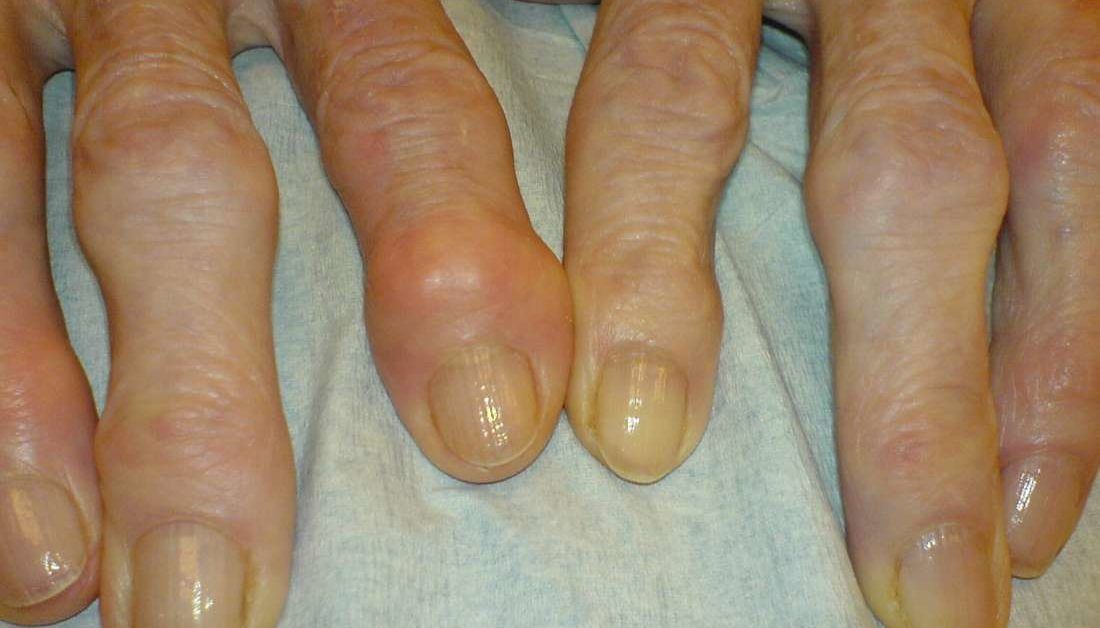

If you’ve ever looked down at your fingers and thought, “When did my knuckles start auditioning for a pebble collection?” you might be meeting Heberden’s nodeshard, bony bumps that show up on the joints closest to your fingernails. They’re common, often annoying, sometimes painful, and usually tied to hand osteoarthritis (OA).
This guide breaks down what Heberden’s nodes are, why they happen, what symptoms to expect, and the treatment options that actually make a differenceplus real-world experiences people often report when living with these not-so-cute “finger speed bumps.”
Medical note: This article is educational and not a substitute for personal medical advice.
What are Heberden’s nodes?
Heberden’s nodes are hard, bony enlargements that develop at the distal interphalangeal (DIP) jointsthe joints closest to the tip of the finger, right under the nail. They’re one of the classic, visible signs of osteoarthritis of the hand.
Think of OA as the joint’s “cushion” (cartilage) wearing down over time. As the joint changes, the body may build extra bone around the edges of the jointthese are bone spurs (osteophytes). When that bony growth becomes obvious at the DIP joint, it earns the name “Heberden’s node.”
Heberden’s nodes vs. Bouchard’s nodes
The two are cousins, not twins:
- Heberden’s nodes = bumps at the DIP joint (closest to the nail)
- Bouchard’s nodes = bumps at the PIP joint (the middle finger joint)
Why do Heberden’s nodes form?
The short version: Heberden’s nodes are a structural change caused by osteoarthritis. The longer version is the story of cartilage, stress, and the body’s enthusiastic (and sometimes inconvenient) attempt at “repair.”
The cartilage-to-bone-spur chain reaction
- Cartilage thins or breaks down, so the joint doesn’t glide as smoothly.
- The joint becomes irritated; the surrounding tissues may inflame during flares.
- The body responds by building new bone at the joint margins (osteophytes).
- Over time, those bony changes can create a visible lump and sometimes a crooked joint.
Common risk factors
Not everyone with hand OA gets dramatic bumps, but certain factors make Heberden’s nodes more likely:
- Age (OA becomes more common as we get older)
- Sex (hand OA is more common in women)
- Family history / genetics (some people inherit a “nodal OA” tendency)
- Prior finger injuries (fractures/dislocations can increase future OA risk)
- Repetitive hand strain (may worsen symptoms and function, even if it doesn’t “cause” OA alone)
- Joint alignment or laxity issues (can change forces through the joint)
One important mindset shift: Heberden’s nodes aren’t a sign that you “did something wrong.” They’re usually a sign that OA has been remodeling that joint for a while.
Symptoms and what they feel like
Heberden’s nodes can be painless, mildly annoying, or genuinely disruptiveespecially during flare-ups. Symptoms often come in waves: calmer stretches punctuated by “why does opening a soda feel like a CrossFit event?”
What you might notice
- Hard bumps at the end joints of the fingers
- Pain (often worse with use, sometimes sharp during flares)
- Stiffness, especially after inactivity or in the morning
- Swelling or tenderness around the joint
- Reduced range of motion (the finger may not fully bend or straighten)
- Crepitus (grinding/clicking sensation as the joint moves)
- Changes in shape: the finger may drift, twist, or look “crooked”
- Grip and pinch weakness, making daily tasks harder
A classic day-to-day example
Many people first notice the issue during normal life moments: turning keys, opening jars, buttoning shirts, typing for long periods, or gripping a phone. The joint is small, but it’s involved in a shocking number of human activities including “holding a coffee mug like a responsible adult.”
Do Heberden’s nodes always hurt?
Nope. Some people mostly experience cosmetic changes. Others have pain when the node is forming (active inflammation), then less pain once the joint becomes more stablethough stiffness and limited motion may remain.
Diagnosis and what else it could be
A clinician can often recognize Heberden’s nodes by history + physical exam. Imaging may help confirm OA changes and rule out other issues.
How clinicians typically confirm it
- Hands-on exam: location (DIP joint), firmness (bony), motion limits, tenderness
- X-ray (if needed): may show joint-space narrowing, osteophytes (bone spurs), and other OA features
- Selective lab tests: sometimes used if symptoms suggest inflammatory arthritis or gout
Conditions that can look similar
Not every bump is a Heberden’s node. Common “look-alikes” include:
- Rheumatoid arthritis (RA): often affects different joints (commonly MCP/PIP) and may include prolonged morning stiffness and systemic symptoms. RA can cause nodules too, but those are usually different in feel and location.
- Gout: can cause sudden, severe attacks; crystal deposits (tophi) can mimic lumps.
- Psoriatic arthritis: may cause swelling of an entire finger (“sausage digit”), nail changes, and joint damage.
- Mucous cysts / ganglion cysts: fluid-filled bumps near the DIP joint, sometimes associated with OA.
- Infection: a red, hot, rapidly worsening joint with fever or drainage is not “just arthritis.”
Treatment: what helps (and what’s hype)
Let’s be blunt (but supportive): you usually can’t “erase” Heberden’s nodes once they form. But you can reduce pain, improve function, and calm flares. Treatment works best when it’s multi-tool: a mix of lifestyle tweaks, hand therapy strategies, and targeted medications.
1) Non-drug options (often the biggest win)
- Hand exercises & therapy: gentle range-of-motion and strengthening can support function. A hand therapist can teach joint-protection techniques and customized exercises.
- Splints/orthoses: wearing a splint during painful activities (or at night) can reduce strain on the DIP joint.
- Heat and cold: heat (warm compresses, paraffin wax) may ease stiffness; ice can help after overuse.
- Joint protection: use larger grips, avoid tight pinching, distribute force across the hand when possible.
- Activity pacing: break tasks into chunks instead of doing one long “hand marathon.”
2) Topical medications (often a smart first step)
For hand OA pain, many clinicians suggest trying topical NSAIDs (like diclofenac gel) before jumping to pills. They deliver medication locally with less whole-body exposure than oral NSAIDs.
- Topical NSAIDs: useful for joints close to the skin (like hands)
- Counterirritants: menthol/camphor products may provide short-term relief for some people
Safety reminder: Even topical NSAIDs can have side effectsespecially with heavy useso follow label directions and check with a clinician if you have heart, kidney, stomach-ulcer history, or take blood thinners.
3) Oral medications (helpful, but use wisely)
- Oral NSAIDs (ibuprofen, naproxen, etc.) can be effective for OA pain, but they carry risks (stomach bleeding, kidney strain, cardiovascular issues), especially with long-term use.
- Acetaminophen may help some people, though it’s often less effective than NSAIDs for OA pain. Staying under safe daily limits matters because higher doses can harm the liver.
4) Injections (select cases)
If pain remains stubborn despite conservative care, a clinician may consider corticosteroid injections into the affected joint(s). Evidence is stronger for some joints than others, but injections can help certain hand OA patients with short-term relief.
What about supplements or “miracle cures”?
If a product promises to “rebuild cartilage in 7 days,” it’s probably marketing, not medicine. Some supplements may help some people modestly, but results are inconsistent. If you want to try one, it’s worth discussing it with your clinicianespecially if you take other medications.
When procedures or surgery enter the chat
Surgery isn’t the first stop for Heberden’s nodes. Most people do best with symptom-focused care. But if a DIP joint becomes severely painful, unstable, or function-limiting, procedures may be considered.
Common procedure-related situations
- Mucous cyst with OA: sometimes a cyst forms near the DIP joint; treatment may involve draining/removal and addressing bone spurs.
- Osteophyte (bone spur) issues: in select cases, removing excess bone may reduce irritation.
DIP joint fusion (arthrodesis)
For end-joint (DIP) arthritis, the most common definitive surgery is arthrodesis, or fusion. Fusion aims to eliminate motion at that joint to reduce pain and improve stability. The trade-off is obvious: less motion. The benefit can be a stable, pain-free joint for people who need it.
Is joint replacement an option?
Finger joint replacement exists, but it’s typically more common for certain finger joints than the DIP joint. Your surgeon will weigh the joint involved, your hand demands, and the risk-benefit picture.
Daily-life tips for living with finger bumps
Managing Heberden’s nodes is part treatment and part “life design.” Small changes can spare your joints big stress.
Practical hacks that reduce pain and strain
- Use jar openers and tools with larger handles (less pinch force)
- Choose pens and utensils with thicker grips
- Swap tight pinching for whole-hand gripping when possible
- Try voice-to-text for long typing sessions
- Warm up your hands (warm water, heat pack) before heavy tasks
- Take micro-breaks during repetitive work (every 10–20 minutes)
Flares: a simple game plan
- Calm it down: rest from aggravating tasks + ice after use
- Keep it moving gently: light range-of-motion to avoid “freezing up”
- Use topical meds if appropriate
- Escalate to a clinician if the flare is severe, unusual, or persistent
And yescold weather can make joints feel cranky. Your fingers are not being dramatic; they’re being… meteorologically sensitive.
When to see a clinician urgently
Most Heberden’s node symptoms can be handled with planned care. But seek prompt evaluation if you have:
- Sudden severe joint pain with marked redness/warmth (possible infection or crystal flare)
- Fever or feeling generally ill along with joint symptoms
- Rapidly worsening swelling, spreading redness, or drainage
- New numbness/tingling or loss of function that’s not typical for you
- Unexplained weight loss or symptoms affecting many joints with prolonged morning stiffness
FAQs
Do Heberden’s nodes go away?
They typically don’t “go away” because they’re bony changes. Pain may improve over time, especially after an inflammatory phase, but the bump often remains.
Can you pop or massage them down?
Please don’t. They’re not pimples. Aggressive squeezing can irritate soft tissues or worsen pain. Gentle massage for comfort is fine, but it won’t remove the bony enlargement.
Are Heberden’s nodes a sign of rheumatoid arthritis?
Heberden’s nodes are most strongly associated with osteoarthritis. RA can cause hand problems too, but the pattern is often different. If you’re unsure, an exam and (sometimes) labs can help clarify.
What’s the “best” treatment?
The best plan is the one you’ll actually use consistently. For many people: hand therapy strategies + splinting for flare activities + topical NSAIDs (if safe) is a strong foundation. From there, clinicians may add oral meds or injections when needed.
Experiences: what people commonly report (and what tends to help)
Below are common experiences people share when they develop Heberden’s nodes. These are composite, real-world patternsnot a diagnosis. If you recognize yourself in them, you’re not alone, and you’re not “being dramatic.” Small joints can cause big-life inconvenience.
1) “It started as tenderness… then the bump showed up.”
A frequent story is a sore, slightly swollen DIP joint that feels irritated for weeks or monthssometimes only on one finger at first. People describe aching when twisting lids, holding a steering wheel tightly, or pinching laundry clips. Then one day the joint looks different: a firm bump appears, and the finger may not bend or straighten as smoothly.
What often helps: reducing high-stress pinching, using a small splint during aggravating tasks, and adding gentle range-of-motion exercises so the joint doesn’t stiffen further. Many also find that warm water in the morning and topical anti-inflammatory medication before/after heavy hand use can make the day feel more manageable.
2) “It’s not always the painit’s the awkward tasks.”
Even when pain is mild, the functional impact can be the main issue. People report trouble with:
- opening jars or bottles (especially twist tops)
- buttoning shirts and jewelry clasps
- long typing sessions or phone scrolling
- crafts, knitting, or instrument practice
What often helps: “ergonomics for hands.” That means wider-handled tools, pop-top or lever devices, electric can openers, and voice-to-text. For hobbies, shorter sessions with breaks and a warm-up routine can keep symptoms from snowballing.
3) “My fingers look crooked, and that messes with my confidence.”
The cosmetic side is real. Some people feel self-conscious when nodes become visible or when finger alignment changes. It can also trigger worry: “Is this something dangerous?” or “Is this going to keep getting worse?”
What often helps: getting a clear diagnosis (uncertainty fuels anxiety), learning what OA can and can’t do, and focusing on controllable factors protecting joints, maintaining motion, managing flares, and building strength. Some people find that even a few sessions with a hand therapist restores confidence because they leave with a plan instead of a shrug.
4) “I can handle the bumps, but flare-ups knock me off my routine.”
Hand OA often behaves like a moody roommate: mostly fine, then suddenly loud at 2 a.m. During flares, people describe heat, swelling, and sharp pain with everyday movement. The tricky part is that the DIP joint is involved in countless micro-movements, so “just rest it” can feel impossible.
What often helps: a simple flare protocoltemporarily reducing aggravating tasks, using cold after activity, gentle motion rather than total immobilization, and targeted medication when safe. If flares become frequent or unusually intense, people often do best when they check in with a clinician to confirm the diagnosis and discuss whether additional options (like injections or evaluating for inflammatory causes) make sense.
5) “I thought surgery was inevitableturns out it’s usually a last resort.”
Many people assume a visible bony bump means “surgery is next.” In reality, most cases are managed without surgery. When symptoms are severe and persistent, some people explore procedures. Those who consider DIP fusion often say the decision becomes clearer when pain dominates daily lifebecause trading a bit of joint motion for a stable, pain-free finger can be worth it for certain hands and certain jobs.
The most consistent theme: people do better when treatment focuses on function (what you need your hands to do) rather than only appearance. Your hands are tools, not museum exhibitsalthough they’re allowed to be both if they want.
Wrap-up
Heberden’s nodes are bony enlargements at the DIP joints, most often caused by hand osteoarthritis. They may be painless, mildly irritating, or disruptiveespecially during inflammatory flare-ups. While the bumps themselves usually don’t disappear, symptoms can improve with a smart plan: joint protection, hand therapy strategies, splints when needed, heat/cold, and medications (often starting with topical NSAIDs when safe). For severe, persistent pain or deformity, procedures like DIP fusion may be considered.
If you’re noticing new bumps, worsening pain, or symptoms that don’t fit your usual pattern, it’s worth getting evaluatedmainly to confirm the diagnosis, rule out look-alikes, and build a plan that keeps your hands doing what you need them to do.