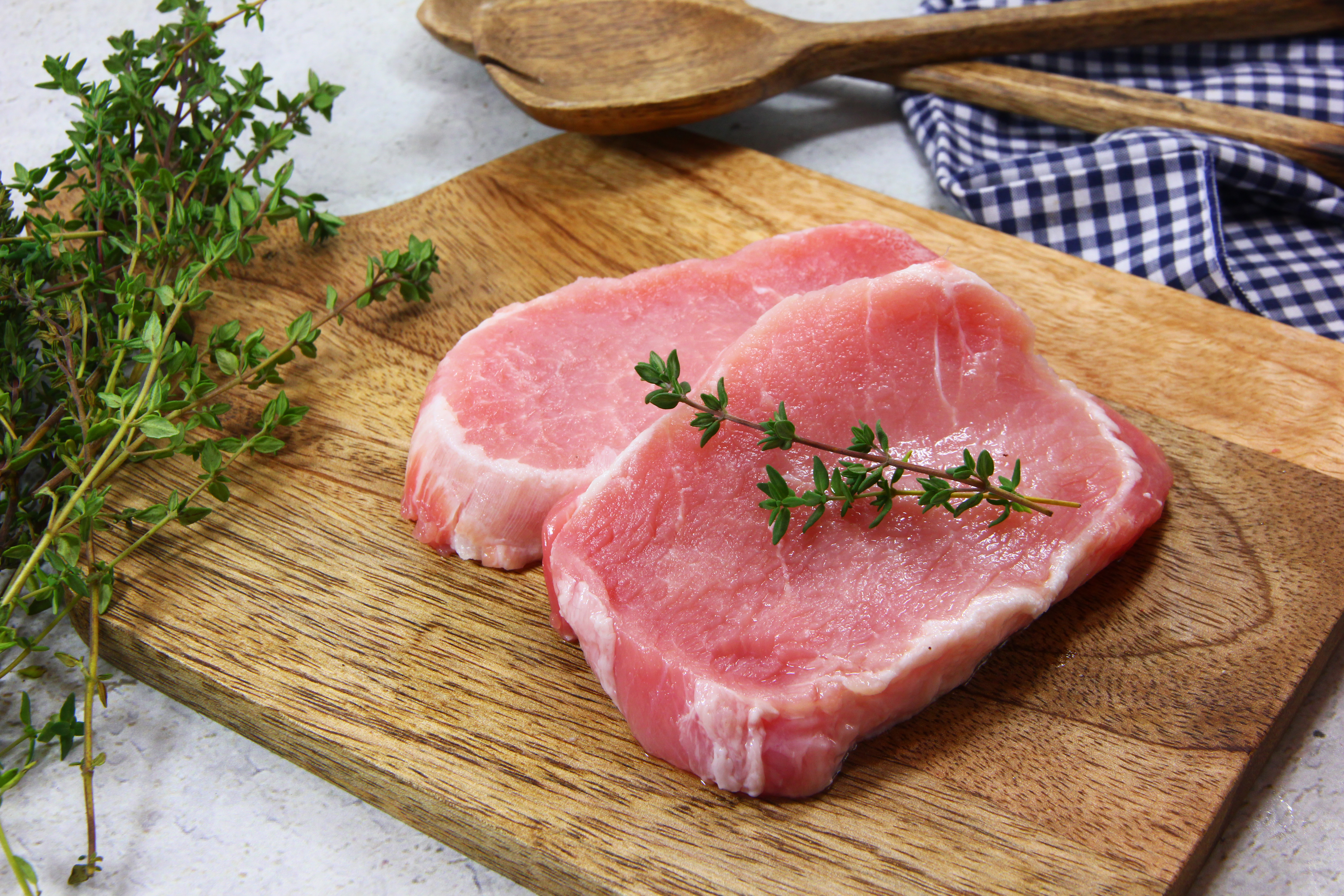

Frozen pork chops are excellent dinner insuranceright up until you remember them 20 minutes before everyone expects food. Fortunately, defrosting pork chops safely does not require culinary wizardry, a heat lamp, or an emergency call to your most competent relative. It simply requires choosing the right thawing method for the time available.
The safest options are the refrigerator, cold water, and the microwave. Refrigerator thawing produces the most even results, while cold water and microwave defrosting can rescue a last-minute meal. What should never make the list? The kitchen counter, hot water, a sunny windowsill, or any other location where the outside of the meat can become warm while the center remains frozen.
How Long Does It Take to Defrost Pork Chops?
The exact thawing time depends on the thickness of the chops, whether they are individually wrapped, how firmly they are frozen together, and which method you use. A pair of thin boneless chops will thaw much faster than four thick, bone-in chops frozen into one pork-flavored brick.
| Defrosting method | Estimated time | Best use |
|---|---|---|
| Refrigerator | Usually overnight or 12–24 hours | Best texture, safest planning method |
| Cold water | About 30 minutes to 2 hours | Same-day cooking |
| Microwave | Several minutes, depending on weight and wattage | Immediate cooking |
| Cook from frozen | Approximately 50% longer cooking time | Emergency backup when thawing is impossible |
These times are estimates rather than appointments carved into stone. Start checking early, especially with cold-water or microwave thawing. Small foods may defrost overnight in the refrigerator, while packages containing several pieces can require a full day or longer. Food can also be cooked safely from frozen, although it generally takes substantially more time and may brown less evenly.
How to Defrost Pork Chops Safely in 8 Steps
Step 1: Inspect the Package
Take the pork chops out of the freezer and examine the wrapping. Look for tears, open seams, heavy frost, or signs that meat juices could leak as the chops thaw. Store packaging is not always watertight, particularly after it has been pushed behind frozen peas for six months.
If the package is damaged, place it inside a clean, leak-proof food-storage bag. For cold-water thawing, a sealed bag is essential. It prevents water from touching the pork and keeps raw juices from contaminating the sink or bowl.
This is also the moment to determine whether the chops can be separated. Individually frozen chops thaw faster and more evenly. Do not attack a frozen block with a knife, screwdriver, or heroic confidence. Let the package soften slightly using a safe method before gently separating the pieces.
Step 2: Choose the Method Based on Your Schedule
Choose the refrigerator when dinner is tomorrow. Choose cold water when dinner is later today. Choose the microwave when the skillet is already heating and your original meal plan has clearly collapsed.
The refrigerator is generally the best method because it keeps pork consistently cold throughout the thawing process. Cold-water and microwave methods are safe when performed correctly, but pork chops thawed by either method should be cooked immediately.
Whatever method you select, do not leave pork chops at room temperature to defrost. The outer surface can enter the 40°F–140°F temperature danger zone while the center remains icy. In that range, harmful microorganisms can multiply rapidly. A frozen middle does not provide a magical force field for the warming exterior.
Step 3: Prepare a Clean Thawing Area
Wash your hands before handling the package. Prepare a rimmed plate, shallow pan, bowl, or tray that can catch liquid. Raw pork should be kept separate from produce, bread, cooked foods, and anything else that will not receive further cooking.
When using the refrigerator, place the tray on the lowest practical shelf. This prevents an unnoticed leak from dripping onto ready-to-eat foods below. When using cold water, clean the bowl or sink before beginning. After handling raw pork, wash your hands, utensils, sink, counter, and any surfaces touched by the package.
Do not rinse thawed pork chops. Rinsing can splash contaminated droplets around the sink and nearby surfaces. Proper cookingnot a miniature pork showeris what makes the meat safe.
Step 4: Use the Refrigerator for the Best Results
Place the wrapped pork chops on the prepared tray and refrigerate them at 40°F or below. Leave space around the package so cold air can circulate. Thin, separately wrapped chops may thaw overnight, while thick bone-in chops or a tightly packed stack may need 24 hours or more.
Refrigerator thawing is slow, but it offers several advantages. The meat remains at a controlled temperature, moisture loss is usually limited, and the chops can wait safely until you are ready to cook them. USDA storage guidance indicates that fresh pork chops generally remain safe for three to five days under proper refrigeration, although cooking them sooner usually gives better flavor and texture.
If plans change, pork chops thawed entirely in the refrigerator may be refrozen without cooking, provided they have remained properly chilled. Some moisture and tenderness may be lost during another freeze-thaw cycle, so safety may survive better than dinner quality.
Step 5: Use Cold Water When You Need Them Today
For faster defrosting, seal the pork chops in an airtight, leak-proof bag. Submerge the package completely in a bowl or clean sink filled with cold tap water. If it floats, place a small plate or another sealed bag of water on top to keep it submerged.
Change the water every 30 minutes. This matters because the frozen chops cool the first batch of water, but that water gradually warms. Replacing it keeps the thawing environment cold while restoring the temperature difference that helps the meat defrost.
Thin boneless chops may become flexible within 30–45 minutes. Thick bone-in chops or several pieces frozen together can take one to two hours. Check them each time you change the water and gently separate the chops when they loosen.
Never substitute warm or hot water. It may soften the surface quickly, but it can also warm the exterior into unsafe temperatures long before the center thaws. Cook cold-water-defrosted pork immediately after thawing.
Step 6: Use the Microwave Only for Immediate Cooking
Remove foam trays, absorbent pads, metal clips, and packaging that is not labeled microwave-safe. Place the pork chops on a microwave-safe plate and use the appliance’s defrost setting or approximately 20%–30% power.
Enter the weight when the microwave requests it. Defrost in short intervals, pausing frequently to turn, rotate, and separate the chops. Stop when they are flexible but still cold. A few small ice crystals are preferable to gray, cooked edges surrounding a frozen center.
Microwave defrosting can begin cooking thinner sections, especially along edges and around bones. For that reason, transfer the chops directly to the skillet, oven, air fryer, or grill. Do not microwave-defrost them and then leave them on the counter while you conduct a leisurely search for seasonings.
Step 7: Check That the Chops Have Thawed Evenly
Press the center of each chop through the wrapping or with clean hands. Properly thawed pork should feel flexible rather than rigid. Check around the bone and between chops, where hidden ice often remains. If the center is still hard, continue thawing with the same safe method.
Pork chops do not always need to be perfectly soft before cooking. Slightly frozen meat can be cooked safely, but it will need additional time. Unevenly frozen chops are more difficult to brown and easier to overcook on the outside before the center reaches the target temperature.
If pork was thawed in the refrigerator, it can remain chilled until cooking time. If it was thawed in cold water or the microwave, cook it immediately. Raw meat thawed with a rapid method should be cooked before being frozen again.
Step 8: Pat Dry, Season, and Cook to a Safe Temperature
Open the package carefully and discard the wrapping. Pat the pork chops dry with paper towels. Removing surface moisture improves browning because the pan can concentrate on creating a flavorful crust instead of spending the first several minutes steaming the meat.
Season the chops and cook them using your preferred method. Whole-muscle pork chops should reach a minimum internal temperature of 145°F, measured in the thickest section without touching the bone, followed by a three-minute rest. A digital food thermometer is much more reliable than judging doneness by color, firmness, optimism, or the family dog’s level of interest.
During the rest, the temperature stabilizes and the juices redistribute. Afterward, wash everything that contacted raw pork with hot, soapy water. Never return cooked chops to the unwashed plate that held them raw.
Can You Cook Pork Chops Without Defrosting Them?
Yes. Cooking pork chops directly from frozen can be safe, but it is not always the easiest path to a golden crust and juicy center. Expect cooking to take roughly 50% longer than it would for fully thawed meat, although the exact increase depends on thickness and cooking method.
Oven roasting, covered skillet cooking, and braising are generally more forgiving than attempting to sear a thick frozen chop over intense heat. Begin with moderate heat so the center has time to warm, then finish at a higher temperature for browning if necessary. Always verify doneness with a thermometer.
Avoid placing frozen pork chops directly into a slow cooker. Slow cookers heat gradually, and frozen meat may remain too long at temperatures that support bacterial growth. Thaw the chops safely before slow cooking.
Common Pork Chop Defrosting Mistakes
Leaving Pork Chops on the Counter
Countertop thawing seems convenient because it requires no equipment and almost no thought. Unfortunately, the surface can warm into the danger zone while the interior remains frozen. If raw pork has been left at room temperature for more than two hoursor more than one hour in temperatures above 90°Fthe safest decision is to discard it. Do not rely on smell or appearance to judge safety.
Using Hot Water
Hot water creates the illusion of speed while warming the meat unevenly. Cold water changed every 30 minutes is the safe alternative.
Forgetting to Seal the Bag
A leaking package allows the pork to absorb water and spread raw juices around the sink. Double-bag questionable packaging before submerging it.
Microwaving for Too Long
Long microwave cycles can cook the edges while leaving the center solid. Use low power, work in short intervals, and rotate frequently.
Defrosting More Than You Need
Before freezing pork chops, wrap them individually or place freezer paper between them. Future-you will appreciate being able to thaw two chops instead of negotiating with a frozen stack of six.
Practical Experience Notes: What Home Cooks Learn After Defrosting Pork Chops Repeatedly
The biggest lesson from everyday pork-chop cooking is that good defrosting begins before the meat enters the freezer. Chops frozen separately are dramatically easier to manage than chops frozen in a single supermarket package. When each chop is wrapped or separated with freezer paper, a cook can remove only the amount needed and reduce thawing time. It is a small preparation step that prevents a surprising amount of weeknight frustration.
Another common experience is that refrigerator thawing feels inconvenient only when it has not become a habit. Moving tomorrow’s meat from the freezer to the refrigerator while cleaning up tonight’s dinner takes seconds. Once that routine becomes automatic, the safest method is also the easiest. A shallow tray on the bottom shelf can remain the designated thawing station, eliminating the recurring question of where to place raw meat.
Cold-water thawing is the most useful rescue technique, but it works best when treated as an active kitchen task. People often submerge the package, walk away, and remember it two hours later. Setting a 30-minute timer solves that problem. The alarm prompts a water change and provides a chance to check whether the chops can be separated. Once separated, they often thaw much faster.
The condition of the bag matters more than many cooks expect. Thin store wrap may look sealed while containing tiny punctures caused by bones or freezer handling. Double-bagging prevents the disappointing discovery that the pork has been soaking directly in water. Waterlogged chops are not automatically unsafe if handled correctly, but their damp surfaces resist browning and can produce a pale, steamed exterior.
Microwave thawing teaches a different lesson: less power and more patience usually produce faster usable results than one aggressive cycle. A microwave does not heat every section evenly. Thin ends can start cooking while the center remains icy. Short bursts, frequent turning, and separating the chops as soon as possible make a noticeable difference. The goal is not to create warm meat; it is to remove enough ice that the chops can cook evenly.
Many home cooks also discover that thawed pork should be dried thoroughly before seasoning. Even refrigerator-thawed chops can release moisture into the package. Paper towels remove that surface liquid and help oil, salt, pepper, and spice rubs adhere. More importantly, a dry surface browns instead of steaming. This single step can make an ordinary chop look and taste far more professionally prepared.
Finally, experience repeatedly proves that a thermometer is more dependable than cooking times. Two pork chops labeled with the same weight may differ in thickness, bone size, fat content, and starting temperature. One may reach 145°F several minutes before the other. Checking each chop individually and allowing a three-minute rest protects both safety and juiciness. The thermometer is not an admission of culinary weakness; it is the kitchen equivalent of using headlights at night.
In practical terms, the best routine is simple: freeze chops separately, thaw them in the refrigerator whenever possible, use cold water as the dependable backup, and reserve the microwave for genuine dinner emergencies. That approach turns frozen pork chops from an awkward block of ice into what they were meant to bean easy meal waiting for a little planning.
Frequently Asked Questions
Can I refreeze defrosted pork chops?
Pork chops thawed safely in the refrigerator can generally be refrozen without cooking, although their texture may decline. Chops thawed in cold water or the microwave should be cooked before refreezing.
How can I tell whether pork chops are fully defrosted?
They should bend easily and feel soft through the center, including the area near the bone. Hard sections or a rigid middle indicate remaining ice.
Can I marinate pork chops while they thaw?
Yes, but only in the refrigerator. Place the pork and marinade in a sealed container or bag on a tray. Never marinate raw pork on the counter.
Should pork chops be at room temperature before cooking?
No. They can go from the refrigerator to the cooking surface. Leaving raw pork out to “take the chill off” adds an unnecessary food-safety risk and offers little benefit.
What is the fastest safe way to defrost pork chops?
The microwave is generally the fastest, but the chops must be cooked immediately. Cold-water thawing takes longer but usually defrosts the meat more evenly.